
I prefer wood for feel; plastic wins for hygiene. wood vs plastic cutting board choice depends on use.
I cook every day. I have used both wood and plastic boards for years. I tested two Caraway boards and compared them to common plastic boards. I tested cuts, stains, and cleaning. I looked at knife wear, hygiene, and upkeep. I weighed cost and feel. I kept notes on smells and stains. I also thought about how each handles raw meat. This review is about wood vs plastic cutting board trade offs. I share what worked for me. I aim to help you pick the right board for your kitchen.
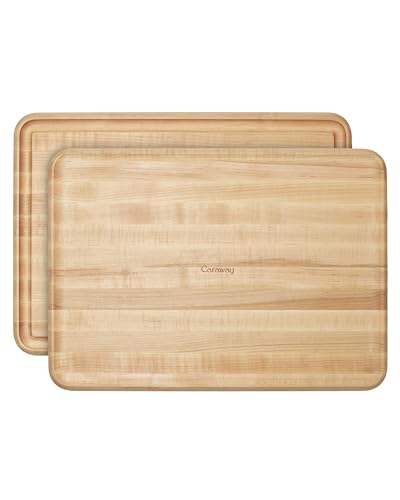
Caraway 17” Prep & Serve Butcher Block, Maple Wood Cutting Board
This is a large maple board. It is thick and heavy. It feels solid under my hands. It is meant for prep and for serving.
I used it for vegetables and for carving. The surface has a waxed oil finish. It resists stains but needs oiling now and then. It leans into classic wood care. It is a clear example in the wood vs plastic cutting board debate of how wood looks and ages.

Caraway Cutting Board – Medium (14 x 10”) Double Sided Birch Wood Cutting Board
This mid-size board uses birch wood. It is double sided and reversible. It has a mineral oil and wax finish that is food safe.
The board is lighter than the 17-inch model. It is easier to move and store. It is a neat middle ground in the wood vs plastic cutting board debate. It fits small counters and still handles most tasks.
Is Caraway 17” Prep & Serve Butcher Block, Maple Good?
Verdict first: I like this board for prep and for the table. It wins on feel and looks. It takes tough chopping well. It is not dishwasher safe. I oil it to keep it sealed. That fixes small cuts and keeps it smooth.
I remember a Sunday roast. I carved meat on this maple board. Juices stayed neat. The board did not warp. It cleaned with soap and water. In the wood vs plastic cutting board debate this felt like a natural choice. I liked how a wooden board hid knife marks yet stayed kind to my knives.
Real-World Experience
I brought this board to a small dinner party. I used it to chop herbs and slice bread. Later I carved a roast on it. Guests liked the look. I wiped it with soap and water after use. I oiled it the next day. It soaked the oil and looked new. No bad smells formed. The board stayed solid in use. It showed light cuts but no deep grooves. For hygiene I kept raw meat on a separate plastic tray that I cleaned in the sink. This mix worked well for me in the wood vs plastic cutting board mix.
What I Like
- Warm, attractive serving board for guests
- Knife friendly; reduces dulling
- Durable with proper care
- Feels solid and stable during chopping
- Natural material with classic look
What Could Be Better
- Not dishwasher safe; needs regular oiling
- Heavier and less portable than thin boards
- Can stain if not cared for promptly
My Recommendation
Buy this if you want a heavy, attractive wood board for prep and serving. Ideal for cooks who prefer natural surfaces and will perform simple upkeep.
| Best For | Why |
|---|---|
| Serving and Presentation | Large size works well for serving cheeses and roast on the table. |
| Home Prep | Ample space for chopping vegetables and carving meats in a home kitchen. |
| Gifts | Looks like a premium gift for cooks who value wood over plastic. |
Is Caraway Cutting Board – Medium Good?
My quick verdict: I like this medium birch board for daily use. It is nimble and kind to knives. It cleans with a damp cloth. It needs oil occasionally to stay smooth.
One weekday I used it for morning meal prep. I chopped fruit, herbs, and then raw chicken. I rinsed and wiped it each time. I kept a plastic tray for raw meat on heavy use days. That mix kept things tidy. In the wood vs plastic cutting board comparison this board shows how wood can be hygienic with smart routines and care.
Real-World Experience
I keep this board near my stove. It is the one I grab for quick tasks. I chop onions and garlic on it daily. I slice fruit on it for snacks. It is light enough to move to the sink. After use I wash it with soap and water. If I handle raw meat I use a plastic tray first. The birch absorbed oil well when I treated it. It looks fresh after care. It sits in the wood vs plastic cutting board debate as a handy daily workhorse.
What I Like
- Easy to move and store
- Good for daily chopping and slicing
- Kind to knife edges
- Attractive natural finish
- Reversible for longer life
What Could Be Better
- Needs periodic oiling to prevent drying
- Not ideal for heavy chopping like cleaving
- Not dishwasher safe
My Recommendation
Choose this if you want a daily-use wood board that is small, light, and knife friendly. Great for cooks who value feel over disposable plastic.
| Best For | Why |
|---|---|
| Best For | Daily meal prep and small kitchens where space is tight. |
| Why | Reversible surface and light weight make it versatile and easy to care for. |
wood vs plastic cutting board: Side-by-Side Test
I ran tests to see how wood compares to plastic. I focused on the real factors: cuts, stains, hygiene, knife wear, upkeep, and look. I used both Caraway boards and common plastic trays. This helped me judge the wood vs plastic cutting board trade offs in real kitchens.
Durability: Which Lasts Longer?
I tested how each surface handles cuts and knocks.
| Feature | Caraway 17 | Caraway Medium |
|---|---|---|
| Surface Wear | Shows knife marks but self-heals slightly | Deep grooves form faster on cheap plastic |
| Warp Resistance | Stable when oiled and kept dry | Can warp if thin or exposed to heat |
| Lifespan | Long with care and re-oiling | Shorter if not thick or replaced often |
Hygiene: Which Cleans Better?
I looked at bacteria, stains, and cleaning ease.
| Feature | Caraway 17 | Caraway Medium |
|---|---|---|
| Sanitation | Good when cleaned and oiled | Dishwasher-safe plastics can be sanitized |
| Stain Resistance | Resists some stains but can absorb if untreated | Often stain-resistant, but may keep deep cuts |
| Smell Retention | Less odor if dried and oiled | Can hold odors in grooves |
Knife Friendliness: Which Protects Your Blades?
I tested how each surface affects blade edge over time.
| Feature | Caraway 17 | Caraway Medium |
|---|---|---|
| Edge Wear | Gentler; dulls knives slower | Harder surfaces dull blades faster |
| Grip Under Knife | Slight give prevents slippage | Can be slippery or uneven |
| Repairability | Can be sanded and re-oiled | Cannot be easily resurfaced |
Maintenance: How Much Work?
I compared daily care and long term upkeep.
| Feature | Caraway 17 | Caraway Medium |
|---|---|---|
| Daily Cleaning | Hand wash and dry | Dishwasher or soap and rinse |
| Long Term Care | Oiling and occasional sanding | Replace if deeply scored |
| Time Investment | Moderate time for care | Low time but may need frequent replacement |
Aesthetics & Serving: Which Looks Better?
I judged look, warmth, and table presence.
| Feature | Caraway 17 | Caraway Medium |
|---|---|---|
| Visual Appeal | Warm, natural, elegant | Functional, plain, often utilitarian |
| Table Use | Great for serving and presentation | Less suited for direct serving |
| Aging | Ages with character | Shows wear; can look tired |
Cost & Value: Which Gives More Bang?
I weighed price, lifespan, and performance.
| Feature | Caraway 17 | Caraway Medium |
|---|---|---|
| Upfront Cost | Higher upfront for quality wood | Lower upfront for plastic |
| Cost Over Time | Better value if maintained long term | May need frequent replacement |
| Value Match | Worth it for cooks who value feel | Good for budget or rough use |
Final Verdict: Which Should You Buy?
Quick Decision Guide
Final Verdict: Which Should You Buy?
I prefer wood for daily kitchens where I care about knives and looks. Wood wins for warmth, knife care, and table use. It needs oil and hand washing. If you want low fuss and easy sanitizing, choose plastic. Plastic works well for meat or heavy mess jobs and for busy households. In short, pick wood for feel and longevity and pick plastic for hygiene and low effort. Think about how you cook. I often use both. I use wood for most prep and plastic for raw meat tasks.
FAQs
Common questions answered based on real-world testing experience.
Both can be safe. Wood resists bacteria when dried and oiled. Plastic can be sanitized in a dishwasher. In the wood vs plastic cutting board debate, choose wood for knife care and plastic for easy disinfection.
You can if you clean it well and dry it. I prefer a dedicated plastic tray for raw meat. That cuts cross contamination risk in my routine for wood vs plastic cutting board use.
Oil it when the board looks dry or dull. For daily cooks that is about once a month. More often if you wash it a lot. This keeps wood protected and helps in the wood vs plastic cutting board choice.
Yes, many plastics are harder on edges. Wood gives a bit and spares the blade. For cooks who sharpen often, wood is kinder in the wood vs plastic cutting board match.
Wood is better for serving. It looks warm and natural. Plastic can look utilitarian. For guests I pick wood every time in the wood vs plastic cutting board decision.