
If you searched how to clean sous vide machine, you’ll love this fast, friendly guide. how to clean sous vide machine: Fast, Safe, Sparkling Guide sets you up to protect your food, your gear, and your time. I’ll show you exactly how to clean sous vide machine step by step, why it matters for flavor and safety, and what the science says. Follow along, and your cooker will look new, heat faster, and last longer.

Source: www.amazingfoodmadeeasy.com
What Is a Sous Vide Machine and Why Cleaning Matters
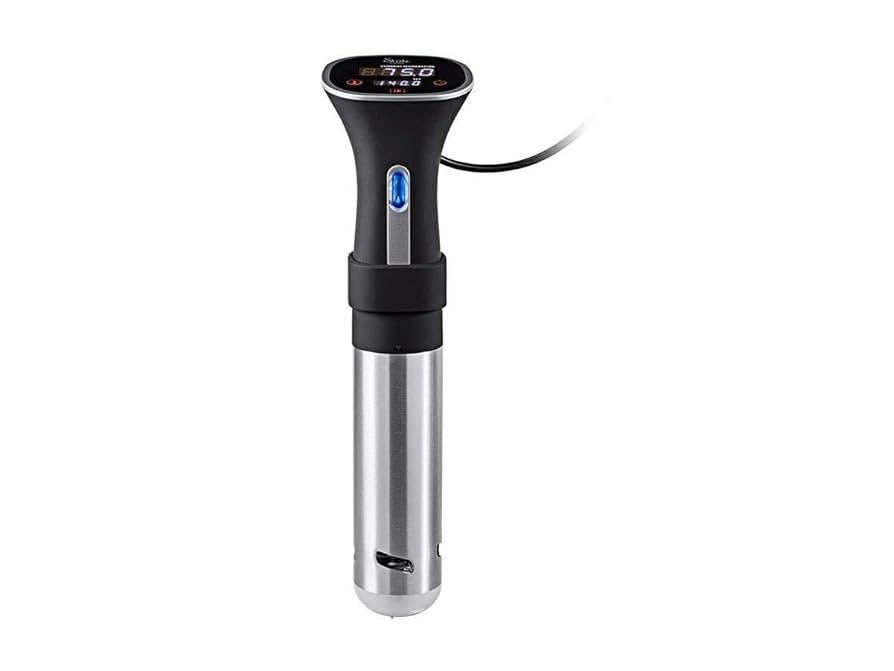
A sous vide machine is an immersion circulator that heats and pumps water to a precise temperature.
Over time, minerals in water leave limescale on the heater and impeller. Food splashes add grease. Stagnant water can grow biofilm.
Research in food-service hygiene shows scale and biofilm can reduce heat transfer and harbor microbes. Studies on acetic and citric acid show both remove calcium carbonate scale effectively at kitchen-safe strengths. That’s why knowing how to clean sous vide machine is essential.
I keep it simple, safe, and quick. You can do it in minutes.

Source: www.amazingfoodmadeeasy.com
Supplies You’ll Need
- White vinegar (5% acetic acid) or citric acid powder
- Mild dish soap
- Soft brush or old toothbrush
- Microfiber cloth
- Distilled water (optional, helps prevent scale)
- Food-safe sanitizer spray or 70% isopropyl alcohol for exterior
- Baking soda (for odors)
These items are safe for stainless steel and plastic. Most makers advise against bleach on stainless steel because it can pit the metal.

Source: www.amazingfoodmadeeasy.com
Step-by-Step: How to Clean an Immersion Circulator
Daily Quick Clean (1–2 minutes)
- Unplug and let it cool.
- Wipe the body with a damp cloth and a drop of dish soap.
- Rinse the intake grill and metal skirt under warm water.
- Dry with a microfiber cloth.
This daily habit makes how to clean sous vide machine later much easier.
Source: www.amazon.com
Weekly Descale for Hard Water
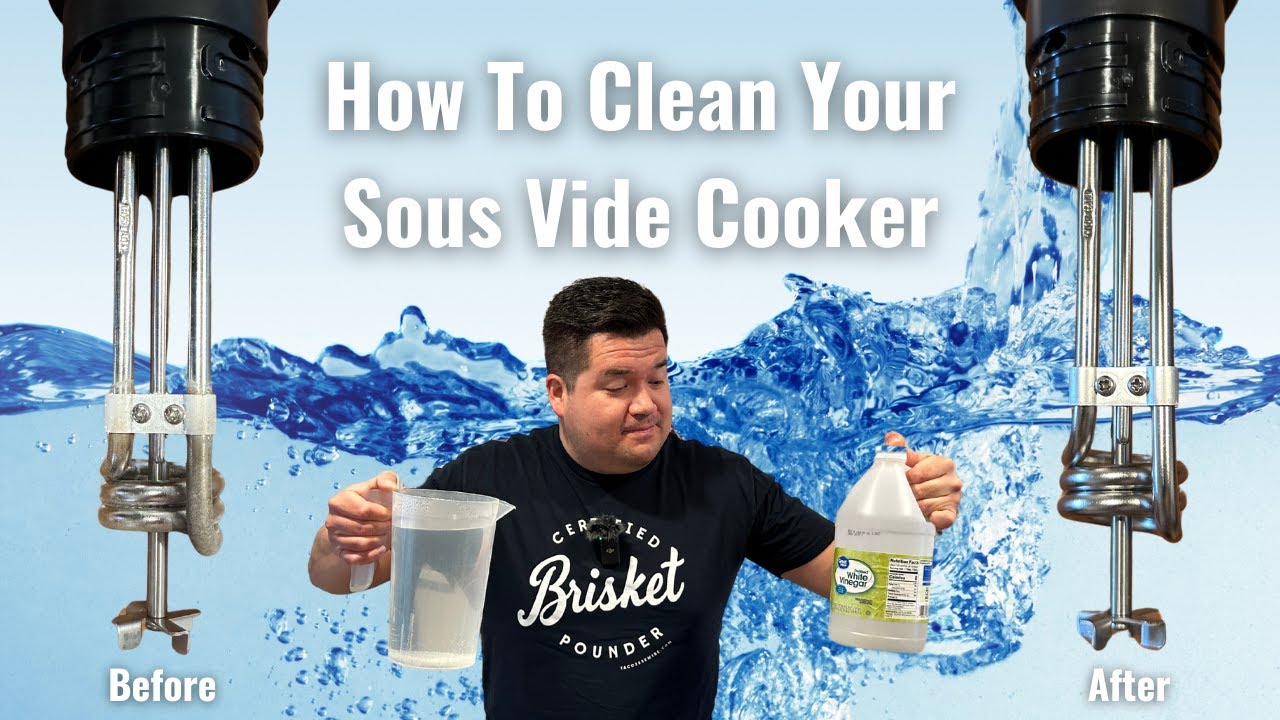
- Mix a 1:1 solution of white vinegar and water in your pot. You can also use 1 tablespoon citric acid per quart of water.
- Attach the circulator and fill to the MIN–MAX line.
- Heat to 140°F (60°C) and run for 15–20 minutes.
- Turn off, cool, and remove the unit.
- Rinse the metal parts under warm water and wipe dry.
Peer-reviewed tests show 5% acetic acid and 2–5% citric acid dissolve scale efficiently without harsh fumes. Regular descaling keeps temperatures accurate. This is the core of how to clean sous vide machine for performance.
After Greasy Spills
- Remove the skirt and impeller cover if your model allows.
- Soak removable metal parts in warm, soapy water for 10 minutes.
- Gently brush away residue.
- Rinse and dry fully before reassembly.
Grease can insulate the heater. Cleaning now prevents odors later and supports even cooking.
If You Notice Odor or Cloudy Water
- Run a 1:1 vinegar cycle for 20 minutes at 140°F (60°C).
- Add 1 teaspoon baking soda to the bath after the cycle, let it fizz, then dump and rinse.
- Refill with clean water and run for 5 minutes to flush.
Studies on household sanitizing show warm acidic solutions reduce microbial load and break down biofilm layers. This approach is safe for most units.
How to Clean the Water Bath or Container
- Empty the tub.
- Wash with warm water and dish soap.
- For scale lines, wipe with vinegar or a citric solution.
- Rinse and dry.
- Store with the lid off to prevent trapped moisture.
Source: www.youtube.com
Food safety research notes that dry storage lowers microbial survival on surfaces. This simple step supports how to clean sous vide machine end-to-end.
Sanitizing and Food Safety Facts
- For exterior surfaces, use 70% isopropyl alcohol or a food-safe sanitizer labeled for kitchen equipment. Let it air-dry.
- Avoid chlorine bleach on stainless steel parts; it can corrode.
- Keep water above the MIN line to protect the heater.
- Replace water each session; don’t leave water sitting for days.
Published studies on household sanitizers confirm 70% alcohol rapidly inactivates common kitchen microbes on nonporous surfaces. Keeping things dry between cooks further reduces risk.
Troubleshooting and Mistakes to Avoid
- Error codes or low heat: Descale first. Scale acts like an insulator.
- Rattling noise: Check for debris in the impeller. Remove and rinse.
- Brown spots: Usually mineral or iron deposits. Use a citric acid soak.
- Cloudy bath fast: Use distilled water to cut scale.
- Don’t use abrasive pads. They scratch and invite corrosion.
- Don’t submerge the electronics. Only the skirt and lower metal parts can get wet if your model allows removal.
If you ever wonder how to clean sous vide machine after months of use, start with descaling. It fixes most issues.
Maintenance Schedule and Checklist
Daily
- Quick exterior wipe
- Empty and dry the tub
Weekly
- Descale if you have hard water
- Clean removable parts with soap
Monthly
- Deep descale (20–30 minutes) if you see scale
- Inspect gaskets, screws, and cord
Every Cook
- Fresh water
- Keep the unit upright and above MIN–MAX marks
I keep this checklist taped inside a cabinet. It makes how to clean sous vide machine automatic.
Eco-Friendly and Safe Cleaners
- Vinegar and citric acid are biodegradable and effective against limescale.
- Baking soda helps with odors without harsh chemicals.
- Microfiber reduces the need for strong cleaners.
Studies comparing household acids show citric acid performs as well as acetic acid on scale with less smell. That’s handy for small kitchens.
Frequently Asked Questions of how to clean sous vide machine
How often should I descale my sous vide?
If you see white crust or live in a hard-water area, descale weekly. Otherwise, do it monthly. The more you cook, the more you should descale.
Can I use descaling tablets made for coffee machines?
Yes, if they are citric-acid based and safe for stainless steel. Follow tablet dosing. Rinse well afterward.
Is vinegar safe for stainless steel parts?
Yes, short soaks and warm cycles with diluted vinegar are safe. Rinse and dry. Avoid long, overnight soaks.
Should I add bleach to the water bath?
No. Bleach can damage stainless steel and create fumes. Use heat, vinegar, or citric acid instead, and sanitize exteriors with 70% alcohol.
Why does my unit smell after storage?
Trapped moisture and residue. Do a vinegar cycle, rinse, and store the skirt dry. Keep the container lid off to let air circulate.
Does distilled water help?
Yes. Distilled water has fewer minerals, so less scale forms. It makes how to clean sous vide machine quicker and easier.
Conclusion
You now know how to clean sous vide machine fast, safely, and with science-backed steps. Descale with vinegar or citric acid, clean the tub, sanitize exteriors, and keep things dry. Small, steady care keeps temps accurate, flavors pure, and cook times consistent.
Do this today: run a 15-minute vinegar cycle and wipe your container. Then set a weekly reminder. If you found this helpful, subscribe for more practical kitchen care tips, or drop a question in the comments.