
Finding the best hand mixer for cookie dough means balancing motor power, comfort, speed control, and easy cleanup.
If you have ever started a batch of cookies with cold butter, thick dough, and a mixer that smells hot after one minute, you know the struggle. A weak hand mixer can leave flour pockets, strain your wrist, or force you to finish the dough by hand. I reviewed five popular models for home bakers who want smooth cookie dough without bringing out a large stand mixer. I focused on control, comfort, attachments, storage, and value so you can choose with confidence.
Hamilton Beach 6-Speed Easy Clean Mixer
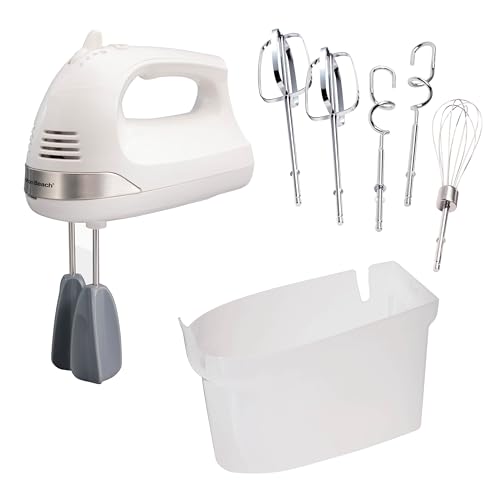
The Hamilton Beach 6-Speed Easy Clean Mixer is a practical pick for bakers who want a simple tool for cookies, cakes, and quick batters. Its six speed choices give you more control than a basic two-speed mixer. I like starting on low when flour enters the bowl, then moving up only when the butter and sugar need more air. That small step helps reduce flour clouds and keeps the counter cleaner.
The easy-clean beater design is useful after a sticky cookie session. The mixer also feels suited to everyday kitchen work rather than rare, special-use baking. It can handle many standard cookie doughs, but very cold butter or an extra-thick batch may still require short mixing bursts. For many home cooks, this balance of control and price makes it a strong candidate for the best hand mixer for cookie dough.
Pros:
- Six speeds offer useful control for cookie dough
- Easy-clean beaters reduce cleanup time
- Low speed helps add flour with less mess
- Good fit for cookies, cakes, frosting, and eggs
- Simple controls suit new and experienced bakers
- Compact design stores more easily than a stand mixer
Cons:
- Very dense dough can still strain a hand mixer
- It may feel less powerful than a full-size stand mixer
- Hand mixing may be needed for the last part of thick dough
Hamilton Beach 6-Speed QuickBurst Mixer

The Hamilton Beach QuickBurst mixer adds a useful burst of extra speed for moments when cookie dough becomes hard to move. Its six-speed layout lets you work slowly at first and increase power as the mixture becomes smooth. I find that a low start matters when creaming butter and sugar because it keeps the ingredients in the bowl. The speed range also helps when one tool must handle both delicate egg whites and heavier dough.
The bowl-rest feature is one of this model’s most useful details. I can set the mixer on the edge of the bowl for a short pause instead of laying beaters on the counter. That helps keep the work area tidy while I scrape the sides or add chocolate chips. If you often make dense oatmeal, peanut butter, or sugar cookie dough, the QuickBurst button gives this model a helpful final push.
Pros:
- QuickBurst adds extra power when dough thickens
- Six speeds support gradual and controlled mixing
- Bowl rest keeps beaters above the counter
- Useful for both light batters and firm cookie dough
- Easy controls make speed changes quick
- Good choice for bakers who pause often to scrape the bowl
Cons:
- The burst feature should not replace proper mixing breaks
- Dense dough may still be too much for long sessions
- It may feel bulky to users with small hands
KitchenAid 5-Speed Ultra Power Mixer

The KitchenAid 5-Speed Ultra Power Hand Mixer is a good match for bakers who value a familiar brand and a clean, simple design. Five speeds cover the main stages of cookie making, from slow flour mixing to faster creaming and whipping. The controls feel easy to understand, which matters when a recipe moves quickly. Its white finish also gives it a classic look that fits many kitchens.
This model is best for regular home baking rather than oversized batches. It can mix many standard cookie recipes, especially when the butter has softened and the dry ingredients enter in stages. I recommend stopping to scrape the bowl because no hand mixer can reach every edge on its own. With sensible technique, this KitchenAid model can serve as the best hand mixer for cookie dough for cooks who want dependable daily performance.
Pros:
- Five speeds cover common baking tasks
- Recognizable controls are easy to learn
- Classic white design suits many kitchens
- Works well for standard cookie and cake recipes
- Useful for whipped cream, frosting, and mashed potatoes
- Comfortable size for routine home baking
Cons:
- It has fewer speed settings than some six-speed models
- Extra-thick dough may need more care and shorter runs
- It may cost more than basic mixers with similar speed counts
WEPSEN 5-Speed Mixer and Bowl Set

The WEPSEN 5-Speed Electric Hand Mixer stands out because it includes a broad baking set. Along with the mixer and beaters, the package includes nesting bowls and measuring tools. That makes it appealing to a new baker, a student, or anyone setting up a kitchen from scratch. I see it as more than a mixer; it is a convenient starter kit for basic cookie projects.
The five speeds allow a steady start and a faster finish when the dough becomes smooth. The included bowls can also help keep ingredients organized before mixing begins. Still, the mixer itself is best suited to small and medium batches, not large holiday production. If storage space and starter value matter most, this may be the best hand mixer for cookie dough in an all-in-one package.
Pros:
- Includes bowls and measuring tools for a starter setup
- Five speeds support basic cookie recipes
- Nesting pieces can save cabinet space
- Useful for students, new homes, and small kitchens
- Offers tools for more than one baking task
- Helps beginners build a simple baking station
Cons:
- The included set takes more storage than a mixer alone
- Five speeds may feel limited to advanced bakers
- Very firm dough can still require hand finishing
KitchenAid KHM512 Ultra Power Mixer

The KitchenAid KHM512 Ultra Power mixer brings the same useful five-speed format in a bold Empire Red finish. It suits cooks who want a hand mixer that looks distinctive instead of plain. The speed control is simple, and the mixer works well for everyday tasks such as creaming butter, blending batter, and making frosting. Its compact form also makes sense when counter and cabinet space are limited.
For cookie dough, preparation makes a major difference with this model. Let butter soften, add flour in small amounts, and stop when the dough comes together. I would not use any compact hand mixer to force a cold, stiff mass for several minutes. Used with care, this is a stylish option for the best hand mixer for cookie dough, especially for fans of the KitchenAid color range.
Pros:
- Bright Empire Red finish adds visual appeal
- Five speeds handle common baking jobs
- Compact form works well in smaller kitchens
- Good for butter, sugar, batter, and frosting
- Simple controls support fast recipe changes
- Strong brand appeal for KitchenAid fans
Cons:
- It lacks a dedicated high-speed boost button
- Dense dough may need hand mixing at the end
- The red finish may not suit every kitchen style
My Recommendation
After comparing these five models, I would choose the Hamilton Beach 6-Speed QuickBurst Mixer for bakers who often make thick cookie dough. The QuickBurst control gives extra help when the mixture becomes firm, while the six speeds make gentle starts easy. Its bowl rest is also a small but meaningful feature during real baking. I would choose the easy-clean Hamilton Beach model for shoppers who care most about simple cleanup and everyday value.
The KitchenAid 5-Speed Ultra Power is a strong choice for brand loyalty, clean design, and regular home use. The WEPSEN set fits beginners who need bowls and measuring tools as much as they need a mixer. The red KitchenAid KHM512 is best for cooks who want familiar performance with a bold finish. Remember that mixer power is only one part of cookie results; softened butter, staged flour, and short mixing times protect both the dough and the motor.
| Best for | Why |
|---|---|
| Thick cookie dough | Hamilton Beach QuickBurst offers six speeds and an extra burst of speed. |
| Easy cleanup and daily use | Hamilton Beach Easy Clean focuses on simple operation and cleaner beaters. |
| New bakers and small kitchens | WEPSEN adds bowls and measuring tools, while its compact mixer saves space. |
How I Chose the Best Hand Mixer for Cookie Dough
Cookie dough tests a mixer in a different way than cake batter does. Cake batter is often thin and smooth, while cookie dough grows heavy as flour, butter, oats, nuts, or chocolate pieces enter the bowl. I looked for speed control, useful handling, practical attachments, and a design that supports short mixing cycles. I also considered how well each model fits a normal home kitchen.
I did not judge a mixer by speed count alone. A higher number does not always mean better results. Good cookie mixing depends on low-speed control, steady movement, and enough torque for the recipe. The best hand mixer for cookie dough should help you work with care instead of encouraging you to overmix.
What Makes a Hand Mixer Good for Cookie Dough?
A good cookie-dough mixer needs more than a high top speed. It should start gently, move through softened butter and sugar with ease, and give you enough control to add flour without making a mess. The handle should feel secure when the bowl gets heavy. The beaters should also release without a fight after the dough is done.
Motor strength matters, but so does your method. Even a well-built mixer can struggle if you use it on cold butter straight from the refrigerator. Cutting butter into small pieces and letting it soften first reduces the load. When the dough becomes very firm, finish with a sturdy spatula or wooden spoon rather than forcing the motor.
Speed Control
Low speed is important because flour can fly from the bowl at high speed. I prefer a mixer that lets me start slowly, blend the dry ingredients, and then move up as needed. Medium speed works well for creaming butter and sugar in many recipes. High speed is more useful for whipping egg whites or cream than for thick cookie dough.
Five speeds are enough for most home recipes. Six speeds may offer a little more control, especially when you move from a soft mixture to a firm one. A QuickBurst button can help for short moments, but I would use it with care. A boost is a tool, not a reason to run the mixer without breaks.
Beater Design
Standard beaters work well for many cookie doughs. They blend butter, sugar, eggs, and flour in a familiar way. Some mixers include other attachments, but you do not need a large collection for basic cookies. The most important point is that the beaters lock in place and release easily.
Easy-clean beaters can save time when dough sticks to the metal. Before cleaning, unplug the mixer and remove the beaters. Check the product care instructions before placing any part in a dishwasher. Proper cleaning protects the finish and helps prevent old butter or flour from building up around the attachment area.
Comfort and Weight
Cookie dough takes more effort to move than cake batter. A heavy mixer can make your wrist tired before the dough is ready. Look for a handle that feels balanced and easy to hold. A bowl-rest feature can also help during short pauses.
I suggest holding the mixer with a relaxed grip. Move it around the bowl instead of pressing hard in one spot. Let the beaters do the work, and scrape the sides with the mixer switched off. These habits make even a basic model feel easier to use.
Motor Use and Mixing Breaks
Hand mixers work best in short, sensible sessions. When dough becomes thick, pause and check its texture. If the beaters slow sharply, unplug the mixer and finish with a spatula. A hot smell, unusual noise, or major loss of speed means the motor needs a break.
This advice applies to every model in this review. The best hand mixer for cookie dough is not a tool for kneading bread dough. It is designed for mixing, not for forcing a stiff mass through long cycles. Use the mixer to bring the ingredients together, then use your hands or a spatula when the recipe calls for folding in chips, nuts, or dried fruit.
How to Use a Hand Mixer for Thick Cookie Dough
Start with softened butter. It should press easily with a finger but should not look melted or greasy. Cream the butter and sugar at a moderate speed until the mixture looks lighter. This step helps create the right texture before you add eggs or dry ingredients.
Add eggs one at a time when the recipe calls for them. Stop the mixer and scrape the bowl between additions. Pour in flour in small portions on low speed. Once the dough looks nearly combined, switch off the mixer and fold in the last flour, chips, or nuts by hand.
Do not chase a perfectly smooth dough with the mixer. Too much mixing can make cookies tough, especially after flour has been added. The dough only needs to come together. This simple rule helps protect texture and places less stress on the appliance.
Common Cookie Dough Problems and Simple Fixes
The Dough Feels Too Hard
Cold butter is often the cause. Let the butter soften before mixing, and cut it into smaller pieces if you are in a hurry. Do not melt it unless the recipe says to do so because melted butter changes the cookie texture. If the dough is already thick, finish it by hand.
The Mixer Slows Down
Stop the mixer at once if the beaters slow or the motor sounds strained. Scrape the bowl and check whether the dough needs hand mixing. A short pause can help, but never keep forcing the machine through a stiff mass. The recipe may also be too large for a handheld appliance.
Flour Makes a Mess
Use the lowest speed when adding dry ingredients. Add flour in two or three portions instead of dumping it all at once. Keep the beaters inside the bowl as they start turning. A deep bowl can also help contain powder.
The Dough Looks Uneven
Uneven dough often means the bowl needs scraping. Turn off and unplug the mixer before using a spatula near the beaters. Scrape the bottom and sides, then mix briefly on low. Avoid running the machine for several extra minutes because the flour already may be fully blended.
Hand Mixer Versus Stand Mixer for Cookie Dough
A stand mixer is useful for large batches and frequent baking. It can hold the bowl while you add ingredients, and many models accept different attachments. However, it costs more, weighs more, and takes more space. A hand mixer is easier to store and often faster to set up.
A hand mixer also gives you direct control. You can move around the bowl and reach areas that a fixed beater may miss. The tradeoff is that you must hold the mixer, scrape the bowl, and manage thick dough yourself. For most small household batches, a hand mixer offers enough power and much less hassle.
If you bake several dozen cookies each week, a stand mixer may be the better long-term tool. If you make one or two batches at a time, the best hand mixer for cookie dough can meet your needs at a lower cost. Think about batch size, storage, and how often you bake before choosing.
Care Tips for Longer Mixer Life
Unplug the mixer before removing beaters or cleaning around the attachment slots. Wipe the body with a soft, damp cloth instead of placing the motor housing under water. Clean the beaters soon after use so butter and dough do not harden. Dry each part fully before storage.
Do not wrap the power cord tightly around a hot mixer. Store the appliance in a dry cabinet where the beaters will not bend. If your model includes a storage feature, use it as directed. Small care habits can keep the controls, cord, and attachments working well.
Read the manual for the exact care rules for your model. Product features can differ, even among mixers with similar names. This is especially important for dishwasher use, attachment limits, and recommended operating times. Following the manual also helps protect any applicable warranty.
Which Mixer Is Best for Different Bakers?
For thick dough, I favor the Hamilton Beach QuickBurst. The extra burst can help when the mixture becomes dense, and the six speeds give you a gentle starting point. It is a sensible pick for peanut butter cookies, oatmeal cookies, and many sugar cookie recipes.
For simple daily baking, the Hamilton Beach Easy Clean model is appealing. It keeps the controls straightforward and focuses on cleanup. It suits someone who wants a useful tool without a large set of extras.
For a polished brand experience, either KitchenAid option may appeal more. The white Ultra Power model has a calm, classic look. The Empire Red KHM512 offers the same kind of familiar five-speed approach with a brighter style.
For a first kitchen, the WEPSEN package has the widest range of included tools. It gives a new baker bowls and measuring items along with the mixer. That can reduce the need to buy several separate pieces at the start.
FAQs Of best hand mixer for cookie dough
Can a hand mixer make thick cookie dough?
Yes, a hand mixer can make many standard cookie doughs. Use softened butter, start on low speed, and add flour in stages. Stop when the dough comes together, and finish very thick dough by hand.
What speed should I use for cookie dough?
Start on low when adding flour. Use medium speed to cream softened butter and sugar. Avoid high speed for thick dough because it can create strain, mess, and overmixing.
Is a six-speed mixer better than a five-speed mixer?
Not always. Six speeds may offer finer control, but motor design, comfort, and beater quality also matter. A well-used five-speed mixer can produce excellent cookie dough.
Can I use a hand mixer for frozen or cold butter?
I do not recommend forcing a hand mixer through very cold butter. Let the butter soften first, as most cookie recipes require. Cold butter can strain the motor and create uneven mixing.
How long should I mix cookie dough?
Mix only until the ingredients combine. Cream butter and sugar as the recipe directs, then use short bursts after adding flour. Overmixing can make cookies firm or tough.
Final Verdict: Which Should You Buy?
For most thick cookie dough, I recommend the Hamilton Beach 6-Speed QuickBurst mixer. It offers useful speed control, a bowl rest, and a short power boost. It is my top pick for the best hand mixer for cookie dough.
Choose the Easy Clean model for simple value, WEPSEN for a starter set, or KitchenAid for brand style. Any option works best with softened butter, low speed, and short mixing breaks.