
The KitchenAid 9-Speed Hand Mixer is my top pick for light to medium bread dough.
Have you ever started mixing bread dough by hand, only to end up with sore wrists and flour on every surface? A good hand mixer can make early dough mixing much easier, especially for dinner rolls, pizza dough, biscuits, and small loaves. I tested the key features that matter most, including dough-hook strength, speed control, comfort, cleanup, and overload limits. My guide below helps you choose the best hand mixer for bread dough without expecting a small appliance to perform like a full stand mixer.
KitchenAid 9-Speed Hand Mixer

The KitchenAid 9-Speed Hand Mixer gives home bakers fine control over mixing speed. Its slow-start feature helps reduce flour clouds when I add dry ingredients to a bowl. The included dough hooks make it useful for small batches of yeast dough, while the lower speeds help prevent sudden splashes and spills. Its candy apple red finish also gives it a bright, classic kitchen look.
I like this model most when a recipe needs gradual mixing rather than raw power. It feels more refined than a basic hand mixer, and the speed range helps move from gentle stirring to firm beating with less guesswork. Still, a hand mixer has limits, so I would not use it for a large, stiff batch every day. For many home cooks, this is the best hand mixer for bread dough when comfort, control, and useful attachments matter.
Pros:
- Nine speeds provide precise control
- Slow-start setting helps reduce flour splatter
- Dough hooks support small bread and pizza dough batches
- Comfortable design for routine mixing
- Useful for cakes, whipped cream, frosting, and cookie dough
- Attractive finish suits many kitchen styles
- KitchenAid attachment storage keeps tools together
Cons:
- May struggle with very stiff or large dough batches
- Costs more than a basic six-speed mixer
- Hand mixing still requires holding the unit over the bowl
My Recommendation
I recommend the KitchenAid 9-Speed Hand Mixer for home bakers who make rolls, buns, pizza dough, and small loaves several times a month. It suits users who want more control than a simple two- or six-speed model can offer. The slow start is helpful for beginners, while the dough hooks give experienced bakers a faster way to bring shaggy dough together. I would choose it as the best hand mixer for bread dough if you value smooth speed changes and broad kitchen use over maximum dough capacity. Its price is higher, but the extra control and attachment range add strong long-term value.
Hamilton Beach 6-Speed Hand Mixer
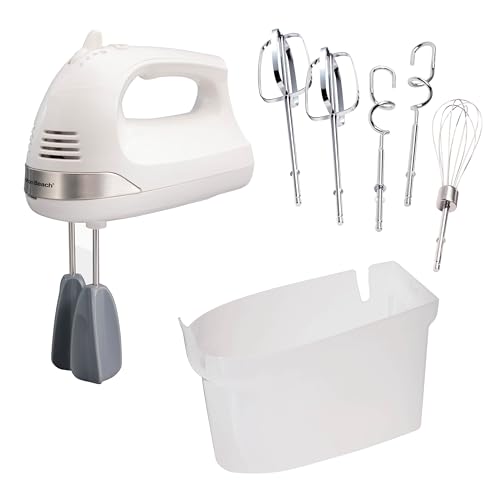
The Hamilton Beach 6-Speed Hand Mixer is a practical choice for cooks who want simple controls and easy cleanup. It includes standard beaters and is built for common tasks such as cake batter, eggs, whipped cream, and cookie dough. The six-speed layout is easy to understand, so I can start low and increase the speed as the mixture becomes thicker. Its compact form also takes less room than a stand mixer.
This model works best for light bread tasks when the proper dough hooks are included or available for the exact version. I would use it to combine a small batch before kneading by hand on the counter. The easy-clean design is useful after sticky recipes, since dried dough can turn into a hard shell around beaters. It is a sensible budget pick, but shoppers should confirm the package contents before calling it the best hand mixer for bread dough.
Pros:
- Simple six-speed control suits daily baking
- Compact size fits small kitchens and apartments
- Easy-clean beaters reduce cleanup time
- Light enough for short mixing jobs
- Useful for batter, eggs, cream, and soft dough
- Usually costs less than premium hand mixers
- Easy controls suit new bakers
Cons:
- Standard beaters may not be suitable for yeast dough
- Less speed control than a nine-speed model
- Can feel strained with dense mixtures
My Recommendation
I recommend this Hamilton Beach model for casual bakers who mostly make cakes, brownies, frosting, and cookies. It also suits someone who wants a low-cost mixer for occasional small bread projects. Before ordering, check whether the listing includes dough hooks, because beaters and dough hooks perform different jobs. If your bread routine involves only light dough mixing, this model offers good value. It is not my first choice for repeated heavy dough work, but it can be the best hand mixer for bread dough for shoppers who want an affordable, compact appliance.
Hamilton Beach 6-Speed Mixer With Hooks

This Hamilton Beach six-speed hand mixer is another useful option for everyday kitchen work. The speed settings cover the basic range needed for mixing batter, beating eggs, and blending soft ingredients. Its familiar handheld shape makes it simple to pick up and use without setting up a large machine. For small recipes, that quick setup can save more time than a stand mixer.
When used with dough hooks designed for the unit, it can help combine a modest amount of bread dough. I would pause often and watch the motor when the dough becomes thick or climbs the hooks. This is important because bread dough places more stress on a hand mixer than cake batter does. It is a reasonable choice for light baking, but serious bread makers may want a stand mixer for large or frequent batches.
Pros:
- Six speeds cover common mixing tasks
- Simple design is easy for first-time users
- Works well for cakes, cookies, and soft mixtures
- Compact body stores in a drawer or cabinet
- Lightweight feel helps with short recipes
- Easy-clean accessories make washing simpler
- Budget-friendly for occasional home baking
Cons:
- Not intended for large, stiff bread batches
- May require separate dough hooks depending on the package
- Six speeds offer less fine control than premium models
My Recommendation
This Hamilton Beach mixer is best for students, renters, and families who need one small appliance for basic baking. It makes sense if bread dough is an occasional project rather than a weekly passion. I especially like it for recipes where the mixer only combines ingredients and I finish kneading by hand. Check the included accessories carefully, since product bundles can differ. For modest needs, it may be the best hand mixer for bread dough at a lower entry price, but it is not a replacement for a heavy-duty stand mixer.
COOKSURE Danish Dough Whisk
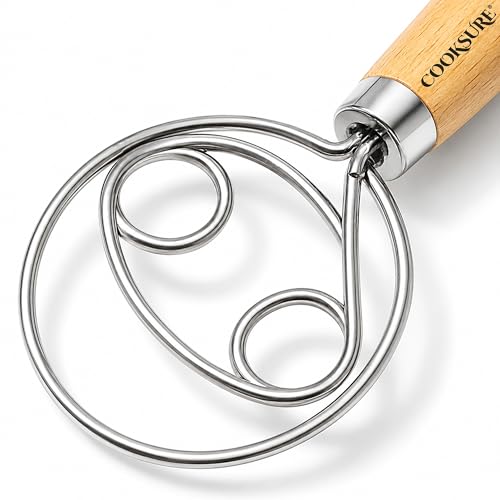
The COOKSURE Danish Dough Whisk is not an electric hand mixer, but it deserves attention in a bread dough buying guide. Its looped stainless steel head helps blend flour, water, starter, and other ingredients with less sticking than a flat spoon. The long handle gives useful reach in a deep bowl. It needs no power, so it is always ready when a recipe calls for a quick mix.
I find a Danish dough whisk especially useful for sourdough and wet dough. It can combine ingredients without tearing through the dough as aggressively as a motorized tool. It also gives the baker a better feel for hydration and texture, which is useful when learning how flour absorbs water. If you prefer quiet tools or want to reduce motor strain, this whisk can work beside the best hand mixer for bread dough.
Pros:
- No outlet or batteries are needed
- Useful for sourdough and wet dough
- Long handle reaches deep mixing bowls
- Stainless steel head is easy to rinse
- Helps reduce dough buildup around the tool
- Quiet operation suits early-morning baking
- Provides direct feel for dough texture
Cons:
- Requires more hand effort than an electric mixer
- Does not knead dough fully on its own
- May feel slow for large batches
My Recommendation
I recommend this Danish dough whisk for sourdough bakers, beginners, and anyone who wants a simple tool for the first stage of mixing. It is also a strong backup when an electric mixer is busy or unavailable. The whisk cannot beat egg whites, cream butter, or perform the full range of a hand mixer. Still, it gives excellent control over wet dough and costs little to maintain. Use it with a mixer, then finish by hand, or choose it alone if you enjoy a slower, more hands-on bread process.
Replacement Dough Hooks for KitchenAid Mixer

These replacement dough hooks are an accessory rather than a complete hand mixer. They are designed for a compatible KitchenAid hand mixer attachment system, which makes model checking essential before purchase. Replacement hooks can restore a mixer that still works well but has lost, bent, or damaged dough attachments. For bread bakers, having the right hook shape can make small dough jobs much more convenient.
I would treat these hooks as a practical add-on for an existing compatible mixer. They may help mix yeast dough, pizza dough, and roll dough, but they do not add motor power to the mixer itself. The motor, bowl size, recipe size, and dough hydration still control the final result. When paired with a suitable KitchenAid unit, they can help maintain the performance of the best hand mixer for bread dough in your kitchen.
Pros:
- Restores use when original hooks are missing
- Useful for small bread and pizza dough batches
- Can extend the life of a compatible mixer
- Easy to store with other mixer attachments
- More suitable for dough than standard beaters
- Helpful as a spare set for frequent bakers
- Usually costs less than replacing a working mixer
Cons:
- Compatible only with specific mixer models
- Does not include an electric motor
- Cannot solve an underpowered or failing mixer
My Recommendation
I recommend these replacement hooks for KitchenAid owners who already have a compatible hand mixer. They are a smart choice when the mixer works but the original dough attachments are lost or damaged. Confirm the exact model number before ordering, since a hook that fits one mixer may not fit another. These hooks offer good value as a repair or backup part. They are not the best hand mixer for bread dough by themselves, but they can make a compatible KitchenAid mixer far more useful.
What Makes the Best Hand Mixer for Bread Dough?
Choosing a hand mixer for bread dough takes more care than choosing one for cake batter. Bread dough becomes dense as flour absorbs liquid and gluten begins to form. That resistance places more load on the motor and your wrist. I look at power, hooks, speed control, grip, heat, and batch size before recommending any model.
Dough Hooks Matter Most
A standard beater is made for air and soft mixtures. A dough hook has a shape that helps pull and fold thick dough. It does not turn a hand mixer into a commercial bread machine, but it gives the motor a better tool for the job.
Always confirm that the product includes dough hooks. Some listings show a mixer with several attachments but include only beaters in the box. Others may offer hooks as an optional accessory. Read the current package details before checkout, because Amazon bundles can change over time.
Motor Power Is Only One Part of the Answer
Many shoppers look for the highest watt number. That number can help, but it does not tell the whole story. Motor design, gear strength, hook shape, speed control, and cooling all affect how a mixer handles dough.
A hand mixer is best for small or medium dough portions. For example, it may help with a batch of dinner rolls or pizza dough. It may struggle with several loaves of low-hydration bread. If the motor smells hot, the mixer slows, or the hooks stop turning, stop the appliance and finish by hand.
Slow Speeds Protect the Ingredients
A low speed helps combine flour and liquid without making a mess. It also gives the dough time to come together. I prefer mixers with a true low setting and a smooth start.
Fast speed is rarely needed for bread dough. High speeds can make the dough climb the hooks and place extra stress on the motor. Save the high settings for tasks such as whipping cream or beating egg whites.
Comfort Keeps Baking Enjoyable
Bread mixing can take several minutes. A heavy, awkward mixer can make that time feel much longer. Look for a handle that feels secure and a control button that you can reach without changing your grip.
A balanced mixer should not pull sharply toward the bowl. It should feel like a steady tool, not a small engine fighting your hand. Comfort matters even more for users with weak wrists or limited hand strength.
Heat and Rest Time
A hand mixer needs breaks during demanding work. I recommend mixing in short cycles when the dough gets firm. Stop for a minute or two if the housing becomes hot or the motor sounds strained.
This habit protects the appliance and gives the dough time to relax. It also lets you scrape the bowl and check whether the dough needs more liquid. A mixer should assist the process, not force you to rush it.
How Much Dough Can a Hand Mixer Handle?
The safe amount depends on the recipe and the mixer. A wet dough with more water is easier to mix than a stiff dough with the same flour weight. Whole wheat flour, cold butter, and low-hydration dough can all increase resistance.
For a handheld mixer, I suggest starting with a small batch. Mix until the ingredients come together, then knead by hand if the dough becomes too thick. This method gives you the speed of a machine without pushing the motor beyond its comfort zone.
Hand Mixer vs. Stand Mixer for Bread
A hand mixer wins on price, storage, and quick setup. I can pull it from a drawer, mix one small recipe, and wash the attachments. It is a good fit for an apartment kitchen or a baker who makes bread only now and then.
A stand mixer wins on stability and capacity. It holds the bowl while the motor works, so I do not need to support the appliance by hand. It is better for frequent baking, large batches, stiff dough, and long kneading cycles.
Neither tool is perfect for every baker. If you bake one small loaf each week, a hand mixer with dough hooks may be enough. If you bake multiple loaves every weekend, a stand mixer will likely save effort and reduce motor strain.
How I Evaluate the Best Hand Mixer for Bread Dough
I start by checking whether the appliance has dough hooks that match the product model. I then consider how easily the controls move from low to high. A mixer should bring ingredients together gently before it handles thicker dough.
Next, I look at comfort and cleanup. Dough can stick to attachments, so removable tools help. A smooth body also makes it easier to wipe away flour and butter.
I also consider the type of user. A new baker may need simple controls and a lower price. An experienced baker may prefer more speed settings and a stronger attachment system. The best hand mixer for bread dough is the model that fits the baker’s batch size and habits.
Best For Comparison
| Best for | Why |
|---|---|
| Small bread and pizza batches | The KitchenAid 9-Speed offers gradual control and useful dough hooks. |
| Budget-friendly everyday baking | The Hamilton Beach six-speed models suit cakes, cookies, and light dough work. |
| Sourdough and hands-on mixing | The COOKSURE Danish dough whisk gives quiet control over wet dough. |
Tips for Using a Hand Mixer With Bread Dough
Begin With the Lowest Speed
Add the flour slowly and start at low speed. This keeps dry flour from flying out of the bowl. Once the liquid has absorbed the flour, increase the speed only if the mixer sounds comfortable.
Low speed also gives you time to watch the dough. You can add water one teaspoon at a time if the mixture looks dry. It is easier to add liquid than to fix a wet, sticky dough later.
Use a Deep Bowl
A deep bowl reduces splashes and keeps the hooks inside the dough. A wide, shallow bowl can make the dough spread away from the attachments. The right bowl shape helps the mixer work with less movement.
Hold the bowl steady on a damp towel. This simple trick keeps it from sliding across the counter. It also lets you guide the dough without gripping the bowl too hard.
Do Not Overfill the Bowl
A large amount of dough can trap the hooks. The motor then works harder, and the dough may climb toward the mixer body. Small batches are safer and easier to control.
If you need more bread, make two smaller batches. This takes a little longer but produces a better texture and places less stress on the appliance. It is a good trade for a compact kitchen tool.
Let the Mixer Rest
Do not run a hand mixer continuously through a very stiff dough. Mix for a short period, then stop and inspect the dough. Let the appliance cool if the motor housing feels warm.
The rest period also helps gluten develop. After a short pause, the dough may feel softer and easier to knead. This can reduce the workload for both the mixer and your hands.
Finish Dense Dough by Hand
A hand mixer can combine ingredients and start gluten development. It may not be the ideal tool for complete kneading. When the dough becomes too thick, turn it onto a lightly floured counter.
Knead by hand until the dough becomes smooth and elastic. I find this step gives me useful feedback. The dough tells me if it needs more flour, more water, or more time.
Clean the Hooks Soon
Do not let dough dry on the attachments. Rinse or soak the hooks soon after mixing. A soft brush can remove dough from narrow spaces.
Keep water away from the motor housing. Wipe the main body with a damp cloth, then dry it well. Good care helps the mixer stay safe and ready for the next recipe.
Common Mistakes to Avoid
One common mistake is using standard beaters for stiff yeast dough. Beaters can mix soft ingredients, but they may bend or strain when used on dense dough. Use dough hooks when the manufacturer provides them.
Another mistake is starting at high speed. This can create a flour cloud and cause the dough to climb the hooks. Start low, increase slowly, and stop if the motor sounds unhappy.
Some people also assume that a higher watt rating means unlimited power. It does not. A handheld motor has a small body and limited cooling space. Treat it as a helper for modest batches, not a commercial kneading machine.
I also advise against pulling the mixer through a bowl with force. Let the hooks do the work. If the dough sticks, stop the motor and scrape the sides with a spatula. Never place a utensil near moving hooks.
Which Doughs Work Best With a Hand Mixer?
Soft dinner roll dough is often a good match. It has enough moisture to move around the hooks and is usually made in a modest batch. Pizza dough can also work well, especially when you finish the kneading by hand.
Sourdough starter mixtures are usually easy to combine. A Danish dough whisk may work better than an electric mixer during the early stage. The whisk helps blend flour and water while preserving a direct feel for the dough.
Very stiff bagel dough is more demanding. Whole grain dough can also become heavy because bran absorbs water and adds resistance. For these recipes, I prefer mixing only until combined, then kneading by hand or using a strong stand mixer.
Safety and Care Advice
Unplug the mixer before removing dough from the hooks. This sounds simple, but sticky dough can tempt you to reach toward the attachments while the appliance is still connected. A few seconds of caution can prevent a painful accident.
Inspect hooks before use. Do not use an attachment that is bent, cracked, rusty, or loose. Replacement hooks should match the exact mixer model and locking system.
Keep the motor vents clear. Flour can collect around openings, especially when mixing at high speed. Wipe the mixer after use and store it in a dry place.
If you notice smoke, a burning smell, or unusual grinding, stop immediately. Allow the mixer to cool and check the manual. If the issue continues, contact the manufacturer rather than continuing to use it.
Are Hand Mixers Good for Bread Dough?
Yes, hand mixers can be good for small bread dough batches. They are especially helpful during the first mixing stage. A model with sturdy dough hooks can save time and reduce the need to stir with a spoon.
However, no hand mixer should be treated like a stand mixer. Large and stiff dough can overwork the motor. For best results, use a smaller batch, low speed, short mixing cycles, and hand kneading when needed.
The best hand mixer for bread dough gives you support without taking away control. It should make bread easier, not turn the process into a battle. That is why I value comfort and speed control as much as motor strength.
FAQs Of best hand mixer for bread dough
Can a hand mixer knead bread dough?
A hand mixer can mix and partly knead small batches when fitted with dough hooks. Dense dough may still need hand kneading. Stop if the motor heats up or sounds strained.
Are dough hooks better than regular beaters?
Yes. Dough hooks are shaped for thick dough and usually place less stress on the mixer than standard beaters. Always use hooks made for your exact mixer model.
What speed should I use for bread dough?
Start at the lowest speed. Increase only slightly after the flour and liquid come together. High speed is usually unnecessary for bread dough.
Can I use a hand mixer for sourdough?
You can use one to combine a small sourdough batch, but a Danish dough whisk also works very well. A whisk gives you more control over wet dough and needs no power.
When should I buy a stand mixer instead?
Buy a stand mixer if you make large batches, bake bread often, or work with stiff dough. A stand mixer offers more stability, capacity, and hands-free kneading.
Final Verdict: Which Should You Buy?
The KitchenAid 9-Speed Hand Mixer is my top choice and the best hand mixer for bread dough among these options. It offers smooth control, useful dough hooks, and strong everyday versatility for small batches.
For a lower price, choose Hamilton Beach for light work. Choose the COOKSURE whisk for sourdough control, or replacement hooks if you already own a compatible KitchenAid mixer.