
The best sea salt grinder gives fresh flavor, smooth control, and easy use at every meal.
Ever shake salt onto dinner and get a wet clump instead of a fine, even dust? I know that small problem can spoil a good dish. A solid sea salt grinder fixes it by crushing coarse salt as you need it. I tested the key features that matter most, including grind control, ceramic mill quality, grip, refill design, and cleanup. These eight options suit cooks who want better flavor without adding a hard chore to the kitchen.
Home EC Stainless Steel Salt and Pepper Set

The Home EC set is a strong all-around pick for cooks who want matching salt and pepper mills. Its tall glass bodies let me see the fill level at a glance. The stainless steel tops add a clean look and help protect the grinder from daily kitchen wear. The included funnel also makes refilling less messy than using a paper cup or spoon.
Each mill uses a ceramic grinding mechanism with adjustable coarseness. That matters because fine salt works well for soups, while a larger grind adds texture to steaks and salads. The top-adjust design lets you change the setting without turning the mill upside down. The set also includes an eBook, which may help new cooks learn simple seasoning ideas.
Pros:
- Includes matching salt and pepper grinders
- Ceramic mill resists rust from salt
- Adjustable grind for fine or coarse seasoning
- Tall glass body makes the salt level easy to see
- Included funnel helps reduce refill spills
- Works well as a table set or countertop set
Cons:
- Tall shape may feel less stable in a crowded space
- Glass needs care if dropped
- Two-piece set costs more than a single grinder
Ebaco Stainless Steel Adjustable Salt Grinder
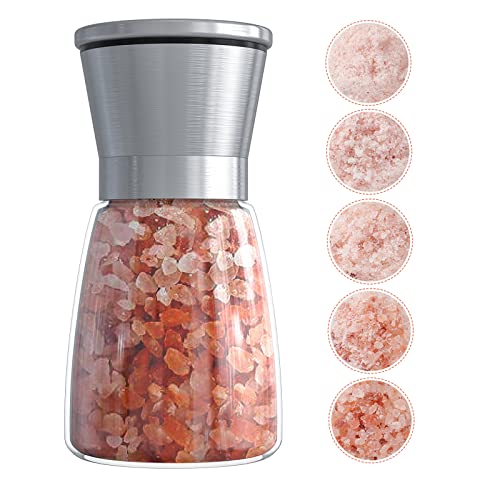
The Ebaco Original grinder is made for shoppers who prefer one compact mill instead of a full pair. Its brushed stainless steel finish looks neat beside most cookware. The top-mounted grinding design keeps the salt outlet away from the table. That simple detail can help prevent leftover salt from landing on the counter after use.
The ceramic blade system is suitable for coarse sea salt and other dry spices. Its adjustable setting gives you control over the size of each grain. I like this style for cooks who season while standing over a pan because the mill feels direct and easy to operate. The single-package design also makes it a practical choice when you already own a pepper grinder.
Pros:
- Compact single-grinder format saves counter space
- Top grinding design helps limit table mess
- Adjustable ceramic blades offer flexible seasoning
- Brushed steel hides small fingerprints better than mirror steel
- Suitable for salt or pepper
- Simple shape feels easy to use during cooking
Cons:
- Only one grinder comes in the package
- Refill space may not suit heavy salt users
- Steel body can still show marks over time
Home EC Original Single Salt Grinder
 original stainless steel sea salt grinder” />
This Home EC single grinder suits people who need a salt mill but do not need a matching pepper mill. It uses a tall glass body and stainless steel top, so the remaining salt is easy to check. The design feels familiar and works well in a home kitchen, office pantry, or dining room. It is also a sensible option for replacing one missing or worn-out grinder.
The adjustable ceramic mechanism lets you choose a finer or rougher result. I find that useful when one meal needs a light dusting and the next needs visible salt crystals. The included eBook adds a small extra for cooks who want seasoning ideas. Since it is a manual mill, it does not need batteries, charging, or a noisy motor.
Pros:
- Good choice for shoppers who need one salt mill
- Clear glass shows when a refill is needed
- Adjustable ceramic grinder supports different textures
- Manual design needs no batteries or power
- Stainless steel top gives the mill a clean look
- Often easier to match with an existing pepper mill
Cons:
- Tall profile may not fit under every cabinet
- Glass body can break if handled roughly
- One grinder may not satisfy shoppers seeking a full set
OXO Good Grips Contoured Salt Grinder

The OXO Good Grips Contoured Salt Grinder focuses on comfort and control. Its shaped body gives the hand a more secure place to hold while turning the mill. That can make a real difference when you season a large pot or cook with damp hands. The design also looks less formal than a tall table mill, so it feels at home beside a busy stove.
OXO uses a ceramic mill with an adjustable setting for different salt textures. The ceramic material is a smart choice for salt because it does not rust like ordinary metal can. The grinder is built for repeated use, not just occasional dinner service. I would look at this model first if grip comfort matters more than matching décor.
Pros:
- Contoured shape supports a more comfortable grip
- Adjustable ceramic mill handles varied grind preferences
- Good fit for cooks with limited hand strength
- Compact form is easy to store near the stove
- OXO design feels simple and practical
- Suitable for regular everyday seasoning
Cons:
- May not match tall glass salt and pepper sets
- Smaller body may require more frequent refills
- Single grinder does not include a pepper mill
Viva Doria Coarse Sea Salt for Grinders
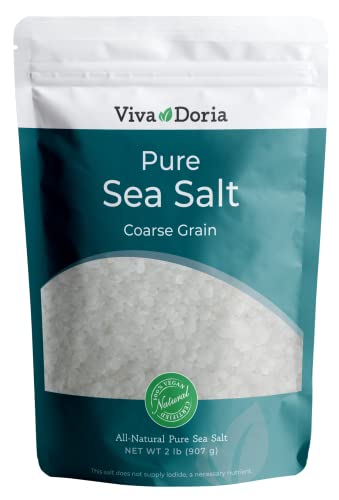
Viva Doria Pure Sea Salt is not a mill by itself. It is a coarse salt refill made for grinders. The two-pound size gives frequent users a useful supply for the pantry. Its coarse grain also provides the firm texture that many manual ceramic mills need to work well.
I would pair this salt with an empty refillable grinder rather than place it in a shaker. Grinding it at the table can give a fresher bite and better control over the amount used. The salt can suit recipes that call for a clean, simple seasoning, from roasted vegetables to grilled fish. Buyers should still check the product label for current ingredient and origin details before purchase.
Pros:
- Two-pound package offers a generous refill supply
- Coarse grains suit many refillable salt mills
- Useful for cooks who season often
- Works well for table grinding and recipe prep
- Can support more control than pre-ground salt
- Simple ingredient choice for many everyday dishes
Cons:
- This is salt only, not a grinder
- Coarse grains may not suit every mill design
- Large bag needs a dry storage container after opening
- Ready to use right out of the package
- No separate grinder purchase is needed
- Compact size fits small kitchens and lunch areas
- Easy choice for cooks new to freshly ground salt
- Good for light table use and travel
- Recognizable brand makes shopping simple
- Small capacity may run out quickly
- Not the best long-term option for heavy users
- Refillability may be limited compared with open mills
- Includes both salt and pepper grinders
- Refillable format may reduce repeat packaging waste
- Stainless steel suits modern kitchen décor
- Useful for building a matched seasoning set
- Manual operation avoids batteries and cords
- Good value for shoppers needing two mills
- Exact grind settings may vary by model listing
- Stainless steel can show fingerprints
- May have less visible fill space than clear glass designs
- Compact size saves drawer and counter space
- Comfortable Good Grips design supports daily use
- Ceramic mechanism suits sea salt
- Top design can help reduce stray salt on surfaces
- Works well in small homes and office kitchens
- Simple operation suits new users
- Smaller size may mean more frequent refills
- Not a matching salt and pepper pair
- May not suit people who want a tall display mill
McCormick Sea Salt Grinder

The McCormick Sea Salt Grinder is a convenient way to try freshly ground sea salt without buying a separate refillable mill. Its 2.12-ounce size is easy to keep beside the stove or bring to a picnic table. The built-in format removes the need to match salt grain size with a new grinder. That makes it friendly for cooks who want a quick, low-effort option.
This type of product works best for light to moderate use. It can add a fresh grind to eggs, salads, roasted vegetables, and other meals. Once the salt runs out, the container may not offer the same long-term value as a refillable model. Still, for a small kitchen or first-time buyer, it is a simple starting point.
Pros:
Cons:
Premium Refillable Stainless Steel Grinder Set
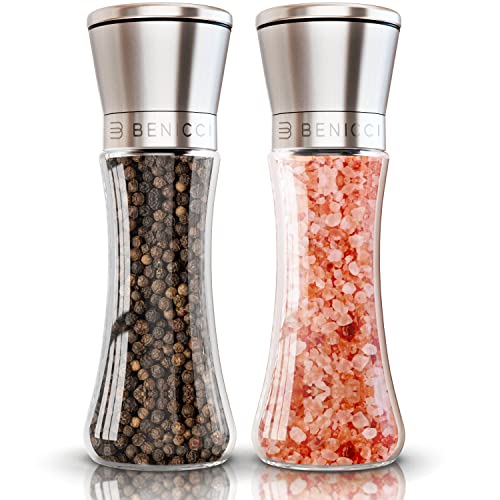
This two-piece stainless steel set is aimed at shoppers who want a coordinated salt and pepper station. The refillable design can reduce waste compared with repeatedly buying small disposable grinders. Stainless steel gives the set a modern look that fits many counter styles. The pair can also make it easier to identify salt and pepper when both mills sit beside the same meal.
Like other manual mills, this set gives you a direct feel while seasoning. You can fill one side with coarse sea salt and the other with peppercorns. The compact bodies are practical for daily cooking, though the exact grind range and refill opening should be checked on the current product page. For a new kitchen, the set offers a useful two-tool starting point.
Pros:
Cons:
OXO Good Grips Accent Salt Grinder

The OXO Good Grips Accent Salt Grinder is a compact option for cooks who want a clean, mess-aware design. Its shape is easy to hold, and its smaller footprint works well in tight storage areas. The accent styling adds a little visual interest without making the mill look fussy. I see it as a good match for apartment kitchens, office kitchens, and small dining tables.
The grinder is designed for sea salt and includes a ceramic grinding system. A ceramic mill can handle salt without the rust concern linked to some basic metal mechanisms. The top-oriented design helps keep the grinding end away from the surface between uses. Buyers who want a large capacity or a tall matching set may prefer one of the other options here.
Pros:
Cons:
My Recommendation
After comparing the materials, mill types, capacity, grip, and refill needs, I would choose the Home EC Premium Stainless Steel Set for most homes. It combines two useful grinders, adjustable ceramic mechanisms, clear glass bodies, and a refill funnel. That mix makes it a strong best sea salt grinder choice for cooks who want fresh seasoning at the stove and at the table.
If hand comfort is your main concern, the OXO Good Grips Contoured model is the better fit. Its shaped body feels more secure and may help users who find narrow mills tiring. For one compact mill, Ebaco offers a clean top-grind design. For a low-commitment first purchase, McCormick is convenient, while Viva Doria is the better add-on for shoppers who already own a refillable mill.
| Best for | Why |
|---|---|
| Most households | Home EC set gives two adjustable ceramic mills, clear bodies, and a refill funnel. |
| Comfort-focused cooks | OXO Contoured Salt Grinder offers a shaped body and easy everyday handling. |
| Frequent refill users | Viva Doria coarse sea salt supplies a larger amount for compatible grinders. |
How to Choose the Best Sea Salt Grinder
A salt grinder looks simple, but small design choices affect daily use. I focus on the grinding material first. Then I check the adjustment system, refill opening, body shape, and cleaning needs. These details decide whether a mill feels like a helpful kitchen tool or a small source of frustration.
Choose a Ceramic Grinding Mechanism
Salt can attract moisture, especially in a humid kitchen. Ordinary steel parts may develop rust if the mill allows damp air or wet salt inside. Ceramic grinding parts are popular because they do not rust in the same way. They also work with many coarse salt crystals and can provide a steady grind.
A ceramic mill still needs care. Do not place the grinder under a running tap unless the maker clearly says it is washable. Water can remain inside the mechanism and cause clumping. I wipe the body with a soft, slightly damp cloth and keep the grinding area dry.
Look for Adjustable Coarseness
An adjustable setting gives one mill more uses. A fine grind blends well into sauces, eggs, and soups. A medium grind suits most cooking. A coarse grind adds a visible crunch to tomatoes, grilled meat, or baked bread.
Adjustment systems vary. Some use a screw on the top. Others use a dial near the base. A top adjustment is often easier to reach, but the best choice depends on your grip and cooking style. Turn the setting a little at a time until the grain looks right.
Check the Refill Opening
A narrow refill opening can turn a simple task into a kitchen spill. Look for a body that opens wide enough for a small funnel or spoon. The Home EC set earns extra credit here because it includes a funnel. A wide opening also makes it easier to remove old salt before adding a new type.
Never fill a mill to the very top if the maker leaves no room for the mechanism. A little space helps the salt move freely. It may also reduce pressure on the grinding parts. Keep the lid or opening closed when the grinder is not in use.
Think About Body Shape and Grip
A tall mill looks attractive on a dining table, but a shorter mill may feel better at the stove. Tall glass models show the salt level well. Contoured models often feel more secure for people with smaller hands or limited grip strength.
Weight matters too. A glass-and-steel mill can feel solid, but it can also be harder to hold for a long cooking session. If you season large pots often, choose a shape that does not force your fingers to stretch. Comfort is not a luxury; it affects how often you use the tool.
Decide Between a Set and a Single Mill
A set makes sense if you need salt and pepper tools at the same time. Matching mills look tidy and help keep the table organized. A single grinder is better when you already own a pepper mill or use other spices in a separate way.
Sets can also cost less than buying two individual mills. However, a single high-quality mill may offer better value than a pair that you rarely use. Think about your actual cooking habits, not just the number of pieces in the box.
Consider Capacity and Visibility
Clear glass makes the refill level easy to see. That helps prevent the annoying moment when the grinder stops working during dinner. Stainless bodies look sleek, but they may hide how much salt remains.
Large capacity is helpful for families and daily cooks. A smaller body may be easier to grip and store. The best sea salt grinder balances capacity with comfort. Bigger is not always better if the mill feels awkward in your hand.
Sea Salt Grinder Versus a Salt Shaker
A shaker gives speed and a familiar fine texture. A grinder gives more control over the grain size. Freshly ground salt can also feel more noticeable on the tongue, so some cooks use less while still getting a clear salty taste.
Neither tool removes the need to measure salt in a recipe. The FDA and other health authorities note that sodium intake matters, and salt is a major source of sodium in many diets. A grinder can help with control, but it does not make salt unlimited or automatically healthier. Use it as a portion tool, not a free pass.
I like to keep a shaker for baking and a grinder for finishing food. Baking often needs a consistent measured amount. A grinder works well for the last touch on vegetables, eggs, fish, and meat. This two-tool approach covers more cooking needs without forcing one tool to do everything.
What Type of Salt Works in a Grinder?
Most refillable sea salt mills work best with dry, coarse crystals. Coarse sea salt gives the ceramic mechanism something solid to catch. Fine table salt may pass through too fast or produce uneven results in some designs.
Moist salts can clog a manual grinder. Fleur de sel and other delicate salts may also bridge inside a narrow body. If you want to use a specialty salt, read the grinder instructions first. Keep the salt in a dry place, and do not add wet crystals to a mill made for dry salt.
Himalayan pink salt may work in some grinders, but crystal size varies. Large chunks may strain a small mechanism. The same rule applies to flavored salts, garlic salt, and spice blends. Check for dry texture and suitable grain size before filling the best sea salt grinder.
How I Evaluate a Sea Salt Grinder
I look beyond a polished product photo. First, I check if the mill is clearly made for salt. Then I review the grinding material, adjustment design, body comfort, refill process, and likely cleaning effort. I also consider whether the product solves a real kitchen problem.
Next, I think about the user. A family may need capacity and a matching pair. A student may need a compact single mill. A person with weak hands may need a shaped body and low turning effort. The best sea salt grinder for one cook may not be the right choice for another.
I also separate the grinder from the salt itself. A product such as Viva Doria is a refill, not a complete mill. A product such as McCormick combines the salt and grinder in one small package. Clear product type matters because it prevents a disappointing order.
Tips for Better Grinding Results
Fill the mill with dry salt only. If the crystals feel damp, spread them on a dry plate for a short time before filling the grinder. Do not use heat unless the salt maker gives clear instructions. Excess heat can change the texture and may damage some containers.
Start with a medium setting. Turn the adjustment slowly while grinding a small amount onto a plate. If the salt comes out too fine, open the setting slightly. If large pieces fall out, tighten it a little. Small changes often work better than turning the dial from one extreme to the other.
Hold the grinder over food, but do not hold it directly over steaming liquid for long. Steam can enter the mechanism and create clumps. If you season a simmering pot, grind into your palm or a small spoon first. This simple habit protects the mill and gives better control.
Wipe the outside after use. Salt dust can collect around the cap and base. A dry cloth removes it before moisture turns it sticky. Store the grinder away from the sink, dishwasher steam, and hot burners.
Common Sea Salt Grinder Problems
The Grinder Produces No Salt
First, check whether the body is empty. If it is full, the salt may have bridged above the mechanism. Gently shake the mill, then try a slightly coarser setting. Remove any damp clump with a dry tool if the design allows safe access.
The Salt Comes Out Too Coarse
Turn the adjustment toward the fine setting in small steps. Some mills need a few turns before the new setting becomes clear. Avoid forcing the adjustment screw. A stuck dial may mean that a crystal or clump sits inside the grinding area.
The Mill Feels Hard to Turn
Hard turning can come from oversized crystals, moisture, or an overly fine setting. Empty the grinder and inspect the salt. Replace large or damp crystals with dry coarse salt that suits the mill. If the issue continues, follow the maker’s care guide instead of adding oil or water.
Salt Clumps Inside the Body
Humidity is the usual cause. Keep the grinder away from steam and close the top after use. Do not store it beside the dishwasher or sink. If your kitchen is humid, fill smaller amounts more often so the salt spends less time inside the mill.
Are Manual or Electric Grinders Better?
Manual grinders are quiet, simple, and easy to keep ready. They do not need a battery or power outlet. They also give you a direct sense of how much salt you are adding. For most home cooks, a manual best sea salt grinder offers enough speed and control.
Electric mills can help people with limited hand strength. They may also suit anyone who seasons with one hand while cooking. The tradeoff is more parts, a battery or charging need, and a larger body. Electric models can also make it harder to feel the amount of salt being released.
For this list, I favor manual models because they are easier to maintain and use. The OXO Contoured grinder is the standout for grip comfort. A manual mill remains a good choice for daily cooking when the shape and mechanism fit your hand.
How to Store Your Salt Grinder
Store the mill upright in a dry place. This helps keep crystals near the grinding mechanism and limits contact with moisture on a counter. If the design has a cap, use it. A cap can keep dust away from the opening.
Do not place a salt grinder in the refrigerator. Cold storage can create condensation when you bring it back into a warm kitchen. Keep it away from direct sunlight and strong heat as well. A drawer or dry shelf near the cooking area works well.
If you have several salts, label them. It is easy to confuse sea salt, kosher salt, and specialty blends. Clear labels also help family members choose the right refill. This small step protects both the flavor and the grinder.
FAQs Of best sea salt grinder
What is the best sea salt grinder for most kitchens?
The Home EC Premium Stainless Steel Set is the best overall choice for many homes. It includes two mills, adjustable ceramic mechanisms, clear glass bodies, and a refill funnel. It works well for both cooking and table use.
Is ceramic better than steel for a salt grinder?
Ceramic is often the safer choice for salt because it resists rust. It also works well with many coarse crystals. Steel may still perform well, but the mill should have proper moisture protection.
Can I put regular table salt in a sea salt grinder?
You can, but the result depends on the grinder. Fine table salt may move too quickly or clog some designs. Dry coarse salt usually gives a more reliable grinding experience.
How often should I clean a salt grinder?
Wipe the outside whenever salt dust builds up. Clean the inside only as the maker directs. Avoid water in the grinding mechanism unless the product instructions clearly allow it.
Can I use a sea salt grinder for pepper?
Some models support either salt or pepper, but not every mill suits both. Check the product instructions first. A matching salt and pepper set is the easiest way to keep each grinder assigned to the right ingredient.
Final Verdict: Which Should You Buy?
The Home EC Premium Stainless Steel Set is my top choice and the best sea salt grinder for most kitchens. It offers adjustable ceramic grinding, clear bodies, two useful mills, and easy refilling.
Choose OXO for grip comfort, Ebaco for one compact mill, or Viva Doria for coarse salt refills. Each option makes fresh seasoning simple and more controlled.