
To use an ice maker, add water, start the machine, and collect fresh ice when the cycle ends.
Learning how to use an ice maker is simple, but the right setup, water level, cleaning routine, and storage habits make a big difference. This guide explains how countertop, freezer, and portable ice makers work, with clear steps, safety tips, troubleshooting advice, and practical lessons that help you make clean ice with less waste.
What Is an Ice Maker?
An ice maker is a small appliance that freezes water and turns it into ice cubes, nuggets, or flakes. Some ice makers are built into refrigerators, while others sit on a kitchen counter and make ice in as little as 6 to 15 minutes.
Most portable ice makers have these parts:
• Water reservoir: Holds the water used to make ice.
• Ice basket: Collects finished ice.
• Control panel: Lets you start the machine or choose ice size.
• Ice scoop: Helps you remove ice without touching it.
• Drain plug: Releases old water during cleaning or storage.
Knowing these parts makes it easier to understand how to use an ice maker. Think of the machine as a small freezer with a water tank and a short production cycle.
Portable ice makers do not usually keep ice frozen for a long time. They make ice, but their storage bin often is not a true freezer. As a result, ice may melt and return to the water reservoir if you leave it inside.

How to Use an Ice Maker for the First Time
Before learning how to use an ice maker, place it on a stable, level surface near a grounded electrical outlet. Keep space around the vents so warm air can escape.
Follow these steps:
-
Remove all packaging, tape, plastic film, and protective inserts.
-
Wipe the inside of the water reservoir and ice basket with a clean, damp cloth.
-
Place the ice maker upright and let it rest if it was transported on its side. Many manufacturers suggest waiting several hours before starting it.
-
Add clean drinking water to the reservoir. Do not fill above the maximum line.
-
Put the ice basket back in its correct position.
-
Plug the machine into a grounded outlet.
-
Press the power button.
-
Choose a small, medium, or large ice setting if your machine has that option.
-
Wait for the first cycle to finish.
-
Discard the first batch if the machine has a plastic smell or if you did not wash the parts first.
The first batch may look slightly cloudy. This is often normal. Cloudiness can come from dissolved air or minerals in the water, and it does not always mean the ice is unsafe.
A common mistake is filling the reservoir before checking the water line. Too much water can spill into the machine or cause an error. The safest habit is to add water slowly and stop at the marked fill line.
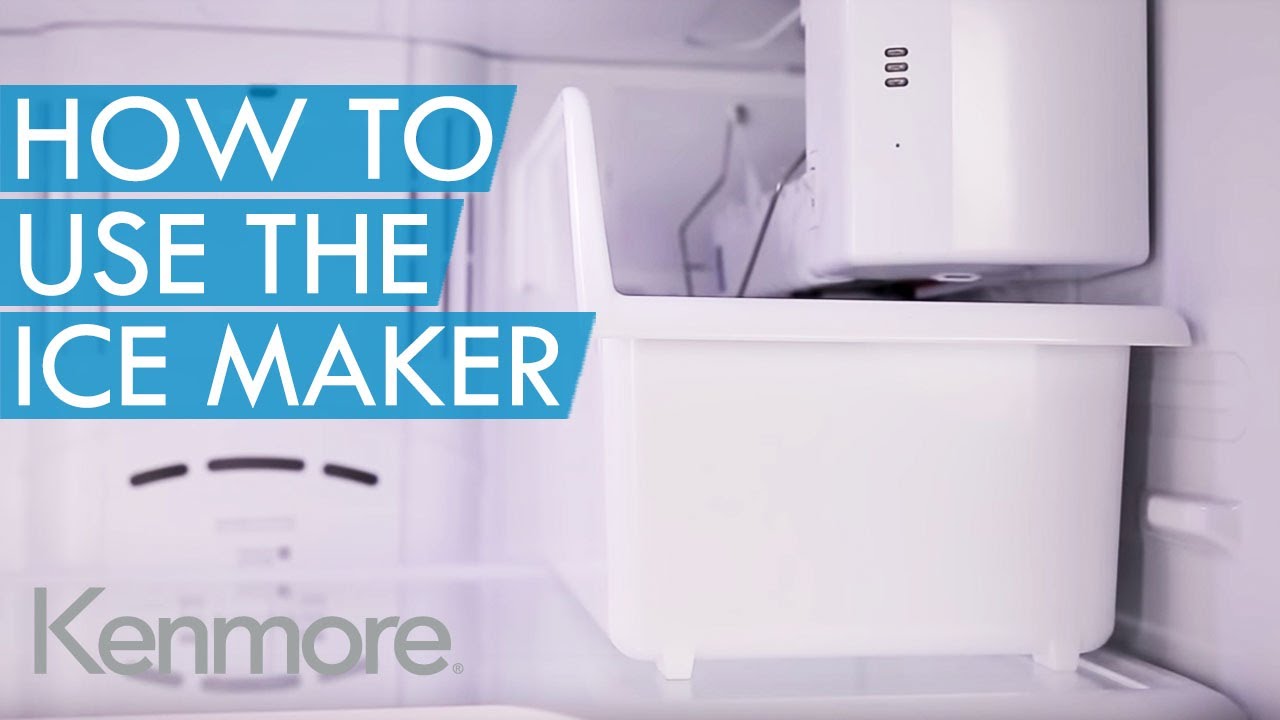
How to Use a Countertop Ice Maker
Countertop ice makers are popular because they are quick, compact, and easy to move. They are useful for parties, home bars, RVs, offices, and kitchens without a refrigerator ice dispenser.
Here is how to use an ice maker on a countertop:
-
Place the appliance away from direct sunlight, ovens, and stovetops.
-
Make sure the unit is level. A tilted machine may leak or make uneven ice.
-
Open the lid and remove the ice basket if needed.
-
Pour cold or room-temperature drinking water into the reservoir.
-
Replace the basket and close the lid.
-
Press the power button.
-
Select the desired cube size.
-
Wait for the ice-making cycle to finish.
-
Use the scoop to transfer the ice to a freezer-safe container.
-
Add more water when the low-water light appears.
Many countertop models have indicator lights labeled “Add Water” and “Ice Full.” These lights are useful, but they are not perfect. Ice can block the sensor, so check the basket if the machine stops too early.
When I review the basic operation of portable ice makers, the most useful habit is moving finished ice to a freezer right away. This keeps the cubes from melting and prevents the basket from becoming one large, wet block.
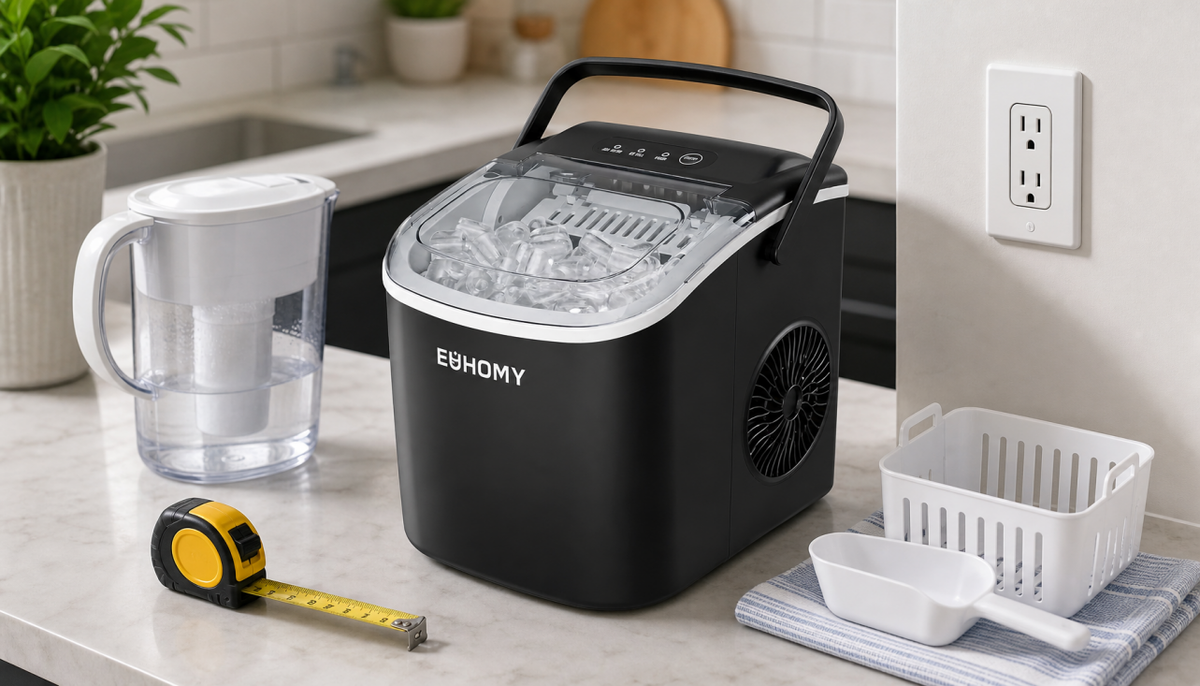
How to Use a Refrigerator Ice Maker
A refrigerator ice maker works differently from a portable model. It is connected to a water supply, so you usually do not pour water into it by hand.
To use a refrigerator ice maker:
-
Check that the refrigerator is connected to a working water line.
-
Open the freezer and find the ice maker switch or wire arm.
-
Turn the ice maker on.
-
Set the freezer to the temperature recommended by the manufacturer.
-
Allow several hours for the first batch of ice.
-
Throw away the first few batches if the refrigerator or water line is new.
-
Use the dispenser or remove ice from the storage bin.
-
Check the ice bin often so old ice does not build up.
The freezer should remain cold enough to keep food safely frozen. The U.S. Food and Drug Administration recommends keeping a freezer at 0°F. A warmer freezer may slow ice production and affect food safety.
If the refrigerator has a water filter, replace it on the schedule listed in the owner’s manual. An old filter can affect taste, odor, and water flow.

How Long Does an Ice Maker Take to Make Ice?
A portable ice maker often makes its first batch in about 6 to 15 minutes. The exact time depends on the model, room temperature, water temperature, cube size, and water level.
A refrigerator ice maker often takes longer. It may need several hours after installation or a power interruption before the bin fills.
Ice production can slow down when:
• The room is hot.
• The water is warm.
• The condenser vents are blocked.
• The water level is low.
• The machine needs cleaning.
• The ice basket is full.
• The freezer temperature is too high.
Small ice cubes usually freeze faster than large cubes. If you need ice quickly, choose the smallest setting. If you want ice that lasts longer in a drink, choose larger cubes when available.
Do not judge an ice maker by one short cycle. Most machines need repeated cycles to fill the basket. Give the appliance time, especially during a hot summer gathering.
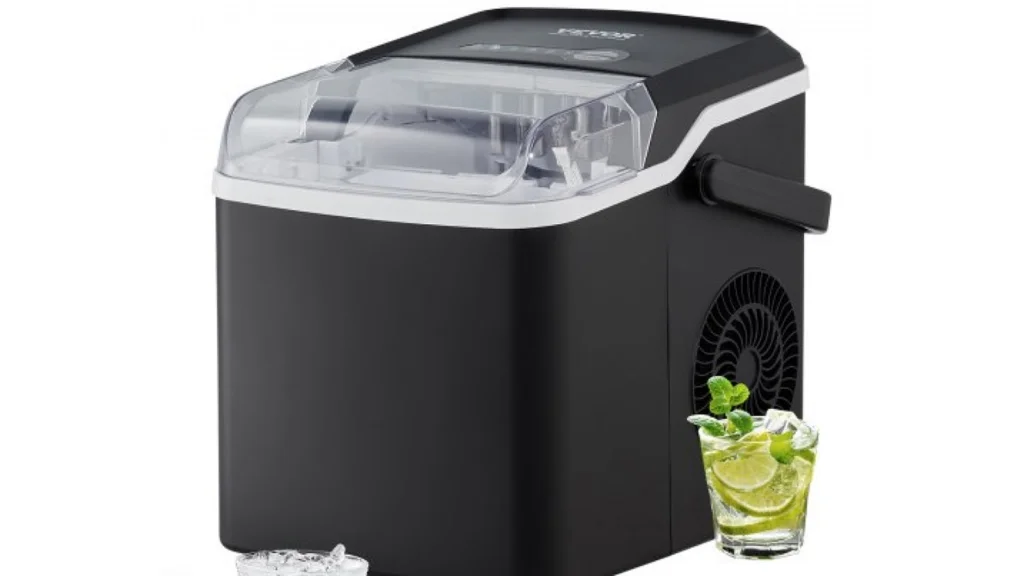
What Water Should You Use in an Ice Maker?
Use safe drinking water unless the manufacturer gives different instructions. Tap water, filtered water, and bottled water can all work in most ice makers.
Filtered water may improve the taste and reduce mineral buildup. However, distilled water is not always the best choice. Some appliances use water sensors that may not work properly with water containing very few minerals.
Avoid using these liquids:
• Milk
• Juice
• Soda
• Flavored water
• Alcohol
• Hot water
These liquids can damage the machine, leave sticky residue, or create a place for bacteria to grow. Hot water may also harm plastic parts or change the freezing cycle.
If your tap water has a strong odor, use a suitable filter. Clean water helps produce better-tasting ice, but it does not replace routine cleaning.
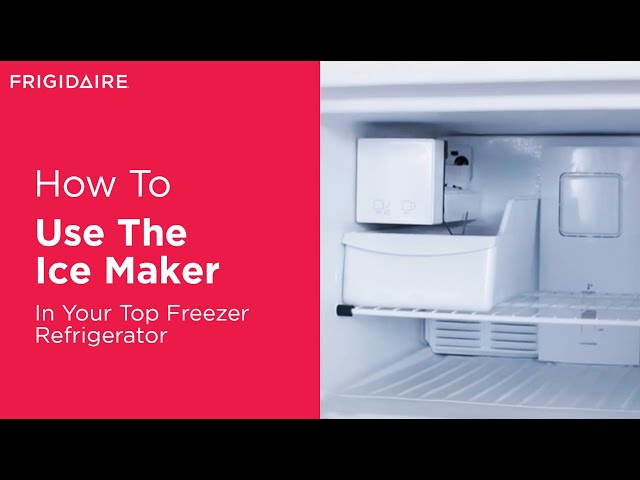
How to Choose the Right Ice Size
Many portable ice makers offer small and large ice settings. Some models make bullet-shaped ice, while others produce nugget-style ice.
Small ice works well for:
• Smoothies
• Blended drinks
• Fast cooling
• Lunch boxes
Large ice works well for:
• Iced coffee
• Water bottles
• Cocktails
• Drinks that should not become watery quickly
Nugget ice is soft and easy to chew. Bullet ice has a hollow center and often cools drinks quickly. Clear ice makers use a slower freezing process to create denser, more transparent cubes.
The best choice depends on how you plan to use the ice. If your family eats ice as a snack, a soft nugget model may be more comfortable. If you want ice for drinks, choose a model that matches your cup size and daily needs.

How to Keep Ice Clean and Safe
Ice is food. Treat it with the same care you give drinking water.
Use these habits:
• Wash your hands before handling the ice basket or scoop.
• Use the scoop instead of your hands.
• Keep the lid closed when the machine is running.
• Store extra ice in a clean, covered container.
• Do not place food, cans, or bottles inside the ice basket.
• Do not return melted ice to a dirty basket.
• Wash the scoop often.
The Centers for Disease Control and Prevention advises keeping food-contact surfaces clean and using safe water. This matters because ice can pick up odors, dirt, and germs from hands or nearby foods.
If the ice smells strange, tastes unusual, or looks dirty, discard it. Do not try to fix bad-tasting ice by adding it to a drink. Clean the appliance and make a fresh batch.

How to Clean an Ice Maker
Cleaning is one of the most important parts of learning how to use an ice maker. Water minerals can form scale on the cooling parts, while dust and moisture can collect around the basket and lid.
Clean a portable ice maker as follows:
-
Turn off and unplug the machine.
-
Remove the ice basket and scoop.
-
Drain the remaining water.
-
Wash the basket and scoop with warm water and mild dish soap.
-
Wipe the inside of the reservoir with a clean cloth.
-
Use the cleaner recommended in the owner’s manual.
-
Rinse all surfaces well.
-
Drain the cleaning solution completely.
-
Run one or more cycles with clean water.
-
Dry the parts before storing the machine.
Never pour bleach, vinegar, or a commercial descaler into the machine unless the manual permits it. Some materials can react badly to certain cleaners. The manufacturer’s instructions should always come first.
A practical cleaning schedule is about once a week for frequent use. Clean more often if the machine sits in a warm room, uses hard water, or develops a smell. Light use may require cleaning every few weeks.
How to Store an Ice Maker
Proper storage prevents mold, odors, and damage.
Before storing the machine:
• Turn it off and unplug it.
• Empty the ice basket.
• Drain the water reservoir.
• Wipe the inside dry.
• Leave the lid open until the appliance is fully dry.
• Wrap the power cord loosely.
• Store the unit in a cool, dry place.
Do not seal a damp ice maker in a box or plastic bag. Trapped moisture can create a musty smell and support mold growth.
If you move the unit, keep it upright. If it must lie on its side during transport, follow the waiting period in the manual before turning it on again.
Common Ice Maker Problems and Fixes
Even a good ice maker can stop working correctly. Many problems have simple causes.
The ice maker will not turn on
Check the outlet, power cord, and circuit breaker. Make sure the lid is closed and the water reservoir is not empty.
The ice maker says “Add Water”
Confirm that the reservoir has enough water. If the light stays on, unplug the unit, wait a few minutes, and inspect the water sensor for ice or mineral buildup.
The ice maker says “Ice Full”
Remove some ice and check the sensor area. A large piece of ice may be blocking the sensor even when the basket is not full.
The ice is soft or melts quickly
Portable ice makers often do not freeze stored ice. Move the finished ice to a freezer-safe container if you need it to stay solid.
The ice has a bad taste
Clean the water reservoir, basket, scoop, and internal surfaces. Replace old water and use fresh drinking water.
The machine leaks
Check that the drain plug is closed and the appliance is level. Also make sure you did not fill above the maximum water line.
The machine is noisy
A low hum, fan sound, or clicking noise may be normal. Loud grinding, repeated knocking, or a burning smell means you should unplug the unit and contact the manufacturer.
Do not remove sealed panels or attempt electrical repairs unless you are qualified. Water and electricity create a serious shock risk.
How to Make an Ice Maker Work Faster
You can improve ice production with a few simple steps, but no trick can make a machine exceed its rated capacity.
Try these tips:
• Use cool drinking water.
• Keep the appliance away from heat.
• Leave open space around the vents.
• Clean dust from the outside air vents.
• Empty the basket when it becomes full.
• Use the small ice setting for faster cycles.
• Keep the lid closed during production.
• Start making ice before you need a large supply.
Do not add ice from another container to the machine’s basket. Extra ice can block the sensor or damage moving parts.
For a party, make ice several hours ahead. Store each batch in a sealed freezer bag or clean container. This approach works better than expecting a small countertop machine to supply dozens of guests at once.
Portable Ice Maker Safety Tips
Safe operation is a key part of how to use an ice maker. Follow these precautions:
• Use a grounded electrical outlet.
• Keep the power cord away from water.
• Do not operate the machine outdoors unless it is designed for outdoor use.
• Keep children away from the scoop and moving parts.
• Do not place the appliance near a sink where it could be splashed.
• Unplug the unit before cleaning.
• Stop using it if you notice a damaged cord, smoke, sparks, or a burning odor.
• Follow the manual for ventilation and clearance.
Never use an extension cord unless the manufacturer allows it. An unsuitable cord may overheat. If you are unsure, place the ice maker close enough to use a wall outlet safely.
How Much Ice Does an Ice Maker Produce?
Production depends on the model. Many portable ice makers advertise roughly 20 to 40 pounds of ice per day, but real output may be lower in a hot room or when you select large cubes.
A refrigerator ice maker may produce less per day but can store more ice in its insulated freezer bin. Daily production also depends on freezer temperature, water pressure, filter condition, and how often the door opens.
When comparing machines, look at more than the advertised daily output. Check these features too:
• Basket capacity
• Cycle time
• Water reservoir size
• Noise level
• Ice shape
• Cleaning mode
• Drain design
• Warranty
A smaller machine may be better for one or two people. A larger unit may suit a busy household, but it will use more counter space and may need more frequent cleaning.
Mistakes to Avoid When Using an Ice Maker
Many problems come from small habits rather than major defects.
Avoid these common mistakes:
• Filling past the maximum line.
• Leaving water in the reservoir for many days.
• Touching ice with bare hands.
• Using harsh cleaners without checking the manual.
• Blocking the ventilation openings.
• Storing the machine while it is damp.
• Expecting a portable ice maker to act like a freezer.
• Ignoring unusual sounds or smells.
• Putting the ice scoop on a dirty counter.
One lesson worth remembering is that ice machines need airflow. A portable model removes heat from the water, much like a tiny refrigerator. If the vents are covered, the machine has to work harder and may produce less ice.
PAA-Style Questions About Using an Ice Maker
Do you put water directly into an ice maker?
For most portable ice makers, yes. Pour clean drinking water into the reservoir up to the maximum fill line. Refrigerator ice makers usually receive water through a connected water line instead.
How do you start a portable ice maker?
Add water, place the basket correctly, plug in the machine, and press the power button. Choose an ice size if the model offers that setting, then wait for the first cycle to finish.
Should you leave water in an ice maker?
It is best to drain unused water when the machine will not be used for a day or more. Fresh water helps reduce odors, mineral buildup, and bacterial growth.
Frequently Asked Questions About How to Use an Ice Maker
How do you use an ice maker step by step?
Place the machine on a level surface, add clean water, insert the ice basket, and plug in the unit. Press the power button, select the ice size, and remove the ice with the scoop when the cycle ends.
Can you use tap water in an ice maker?
Yes, tap water is suitable if it is safe to drink. Filtered water may improve taste and reduce mineral deposits, especially in areas with hard water.
How often should you clean an ice maker?
Clean a frequently used ice maker about once a week, or follow the schedule in the owner’s manual. Clean it sooner if the ice develops an odor, the machine slows down, or mineral scale appears.
Why is my ice maker not making ice?
The reservoir may be empty, the basket may be full, or the vents may be blocked. Check the power supply, water level, temperature, sensors, and cleaning needs before seeking service.
Can you leave ice in a portable ice maker?
You can leave it there for a short time, but most portable units do not keep ice frozen. Transfer the ice to a clean freezer container if you want to store it.
Is it safe to use an ice maker overnight?
It may be safe if the manufacturer allows continuous operation and the machine is placed correctly. Keep it on a stable surface, provide ventilation, and do not use it if the cord or housing is damaged.
Why does homemade ice taste bad?
Old water, mineral buildup, dirty parts, or nearby food odors may affect the taste. Drain the reservoir, clean the machine, rinse it well, and use fresh filtered water.
Conclusion
Using an ice maker is easy when you follow the right order: place it safely, add clean water, choose the ice size, collect the ice, and clean the machine often. Remember that portable models make ice but usually do not store it in a frozen state, so move extra ice to the freezer.
A little care keeps the ice fresh and the appliance working well. Try these steps with your machine today, check the owner’s manual for model-specific details, and share your best ice-making tips in the comments.