
Clean a portable ice maker by unplugging it, washing removable parts, descaling the water system, and drying it fully.
A clean portable ice maker makes better tasting ice and helps prevent slime, scale, odors, and mold. After testing and cleaning several countertop ice makers, I have found that the best method is gentle, regular care rather than harsh scrubbing. This guide explains how to clean a portable ice maker safely, including the tools to use, mistakes to avoid, and tips for keeping your ice fresh.
Why You Need to Clean a Portable Ice Maker
A portable ice maker uses water that sits inside a small reservoir. Over time, minerals from tap water can leave white scale on the water lines, ice tray, and metal cooling parts. Dust, food bits, and bacteria can also enter when the lid stays open.
Cleaning does more than improve appearance. It can help your machine:
• Produce cleaner tasting ice
• Reduce musty smells
• Prevent mineral buildup
• Keep water flowing through the pump
• Support steady ice production
• Extend the useful life of the appliance
The U.S. Food and Drug Administration recommends keeping food contact surfaces clean and using safe products around items that touch food. Ice is a food product, so your cleaning routine matters.
In my experience, many people wait until the ice tastes strange. That is usually too late for easy maintenance. A quick rinse every few uses and a deeper cleaning every few weeks can prevent most problems.

How Often Should You Clean a Portable Ice Maker?
Clean a portable ice maker at least every three to four weeks if you use it often. Clean it sooner if the ice smells odd, looks cloudy, or feels slimy.
Your cleaning schedule may change based on how often you use the machine and the type of water you add.
• Daily users should deep clean about once a month.
• Occasional users should clean the machine before storing it.
• Homes with hard water may need cleaning every two weeks.
• Machines used at parties or gatherings may need cleaning after each event.
• Any machine with visible scale or mold needs cleaning at once.
Filtered water can reduce mineral buildup, but it does not remove the need to clean a portable ice maker. Filters may lower some minerals and odors, yet bacteria can still grow in standing water.
Never store ice in the machine for long periods. A portable ice maker usually makes ice but does not keep it frozen. Melted ice returns to the reservoir, where warm water can become stale.

What You Need to Clean a Portable Ice Maker
Most cleaning jobs need only a few simple items. Check your owner’s manual first, since some brands have special instructions or a built in cleaning cycle.
Gather these supplies:
• Clean microfiber cloths
• A soft sponge or soft brush
• Mild dish soap
• Warm water
• White distilled vinegar or a manufacturer approved descaler
• A clean measuring cup
• Cotton swabs for small corners
• A dry towel
• Food safe sanitizer, if the manual allows it
Avoid steel wool, rough scouring pads, strong drain cleaners, and scented household sprays. These products may scratch surfaces or leave unsafe residue.
Do not mix vinegar with bleach or any other cleaner. Mixing cleaning products can create harmful fumes. If you use a sanitizer, follow the product label and rinse only when the label says rinsing is needed.
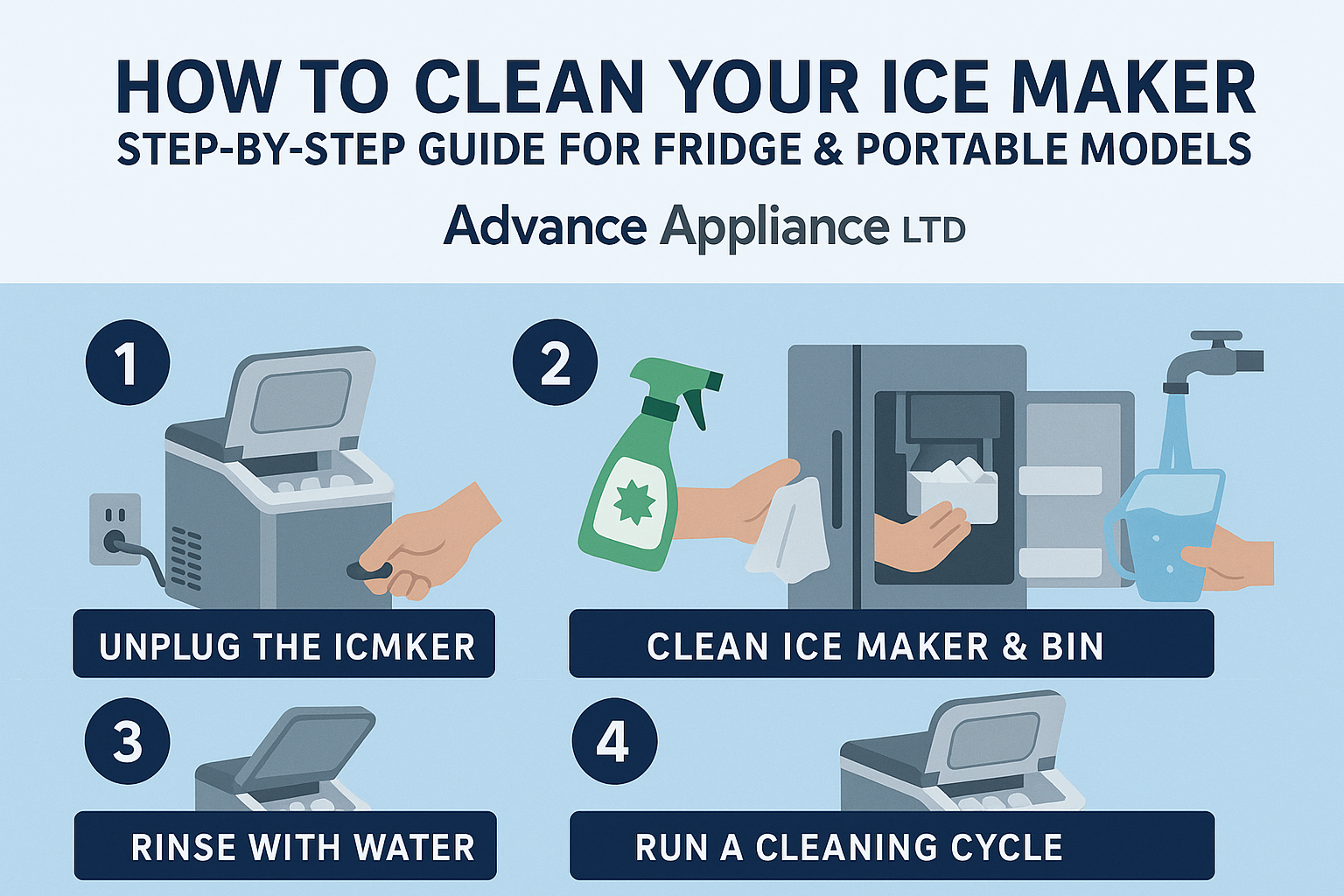
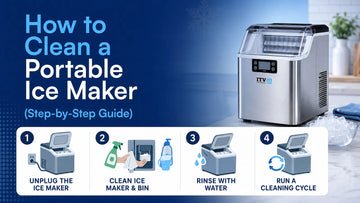
How to Clean a Portable Ice Maker Step by Step
This is the safest general method for how to clean a portable ice maker. Always give the owner’s manual priority if it lists a different process.
1. Unplug the Ice Maker
Turn off the machine and unplug it from the wall. Do not clean a plugged in appliance, even if the control panel is off.
Move the ice maker to a stable counter near a sink. Remove the ice basket, ice scoop, drain plug, and any other removable parts.
2. Empty the Water Reservoir
Pour out all old water. If your machine has a drain plug, open it over the sink and allow the reservoir to empty fully.
Look inside the reservoir with a flashlight. Check for cloudy water, slimy areas, loose particles, or white mineral flakes. These signs show that the machine needs more than a quick rinse.
3. Wash Removable Parts
Wash the ice basket and scoop with warm water and mild dish soap. Use a soft sponge to clean corners and the underside of the basket.
Rinse each part well. Soap left behind can change the taste of the ice and create extra foam during the next cleaning cycle.
Dry the parts with a clean towel, or let them air dry while you clean the main unit.
4. Wipe the Interior
Mix a small amount of mild dish soap with warm water. Dip a soft cloth into the mixture, then wring it out well.
Wipe the inside walls, lid, water reservoir, ice chute, and control area. Use a cotton swab for narrow seams where dust or residue may collect.
Do not pour water over the control panel. Do not submerge the main body of the ice maker. Water can reach the motor, fan, or electrical parts and cause damage.
5. Remove Mineral Scale
To clean a portable ice maker with mineral buildup, add a mixture of equal parts white distilled vinegar and water to the reservoir. Some manufacturers recommend a commercial descaler instead, so check the manual before using vinegar.
Allow the solution to sit for about 15 to 30 minutes. Do not leave it for hours unless the manufacturer says it is safe.
Run the cleaning cycle if your machine has one. If it does not, turn the machine on long enough to circulate the solution, then turn it off. Never allow the machine to run without enough liquid.
Drain the solution through the drain plug. You may need to repeat this process if you see thick white scale.
6. Rinse the Water System
Fill the reservoir with clean water. Run one or two rinse cycles, draining the water each time.
Keep rinsing until you no longer smell vinegar or descaler. This step is important because leftover acid can affect the taste of the ice and may irritate the mouth.
During my own cleaning tests, the first rinse often looked clear, but the second rinse removed a faint vinegar smell. Do not rush this part.
7. Sanitize When Needed
If the owner’s manual allows it, use a food safe sanitizer made for food contact surfaces. Follow its label carefully.
A sanitizer is most useful after visible grime, long storage, or possible contamination. It is not a replacement for washing and descaling.
Do not use concentrated bleach unless the manufacturer gives a specific dilution and process. Too much bleach can damage parts and leave dangerous residue.
8. Dry the Machine Completely
Wipe the reservoir and outer surfaces with a clean towel. Leave the lid open and allow the machine to air dry for several hours.
A dry machine is less likely to develop odors or microbial growth. Before storing the ice maker, keep the drain open if the manual recommends it.
9. Make and Discard a Test Batch
Add fresh drinking water and make one batch of ice. Discard that first batch after cleaning.
The test batch flushes out any remaining residue. If the ice still smells strange, drain the machine and rinse it again.
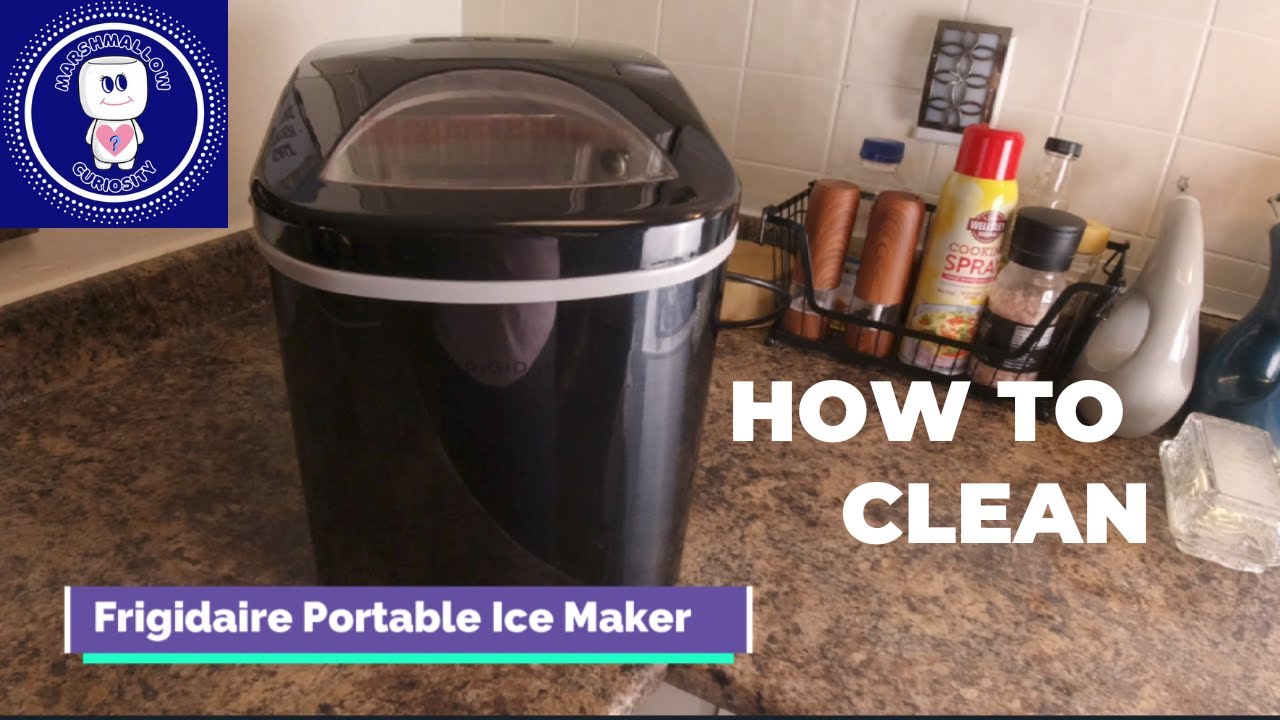
How to Clean a Portable Ice Maker With a Self Cleaning Cycle
Some portable ice makers have a self cleaning button. This feature saves time, but it does not always remove every type of buildup.
Start by emptying the ice basket and draining old water. Add the amount of water or cleaning solution listed in the manual, then press and hold the cleaning button for the correct time.
After the cycle ends, drain the liquid. Run at least one cycle with clean water. Wipe the lid, basket, scoop, and outside by hand.
A self cleaning cycle may clean the pump and water path, but it may not reach the lid, corners, scoop, or outside vents. Think of it as one part of the cleaning job, not the entire job.

How to Remove Mold, Slime, and Bad Odors
Mold or slime usually develops when water sits in the machine for too long. Warm rooms, closed lids, and leftover melted ice can make the problem worse.
If you see a small amount of residue, unplug the appliance and wash the affected area with warm soapy water. Follow with a manufacturer approved descaler or food safe sanitizer.
Pay close attention to these places:
• The water reservoir
• The drain opening
• The ice chute
• The underside of the lid
• The ice basket
• The water pump area
• Small seams near the cooling rods
Do not scrape mold with a sharp tool. You could scratch the plastic and create tiny spaces where residue can hide.
If mold covers the pump, tubing, or areas you cannot reach, stop using the machine. Contact the manufacturer or replace the appliance if the parts cannot be safely removed and cleaned.
Persistent odors may come from old water inside hidden tubing. In that case, repeat the rinse process and allow the unit to dry with the lid open.
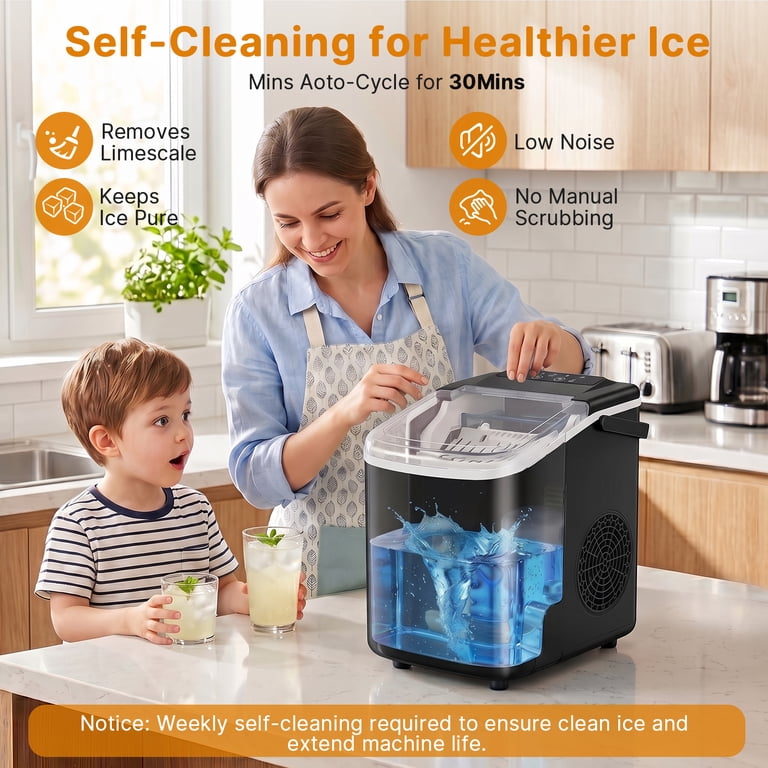
Common Mistakes to Avoid
Learning how to clean a portable ice maker also means knowing what not to do. A few common shortcuts can damage the machine or make the ice unsafe.
• Do not submerge the main unit.
• Do not clean it while it is plugged in.
• Do not use abrasive pads or metal tools.
• Do not mix vinegar with bleach.
• Do not use scented cleaners inside the water reservoir.
• Do not leave cleaning solution inside overnight unless the manual allows it.
• Do not put ice back into a dirty basket.
• Do not store the machine with water inside.
• Do not block the air vents while cleaning or operating it.
• Do not assume clear ice means a clean machine.
One mistake I made early on was wiping only the visible parts. The ice basket looked clean, but the drain area had a thin film that caused a stale smell. Since then, I always drain the reservoir and inspect the small openings with a flashlight.
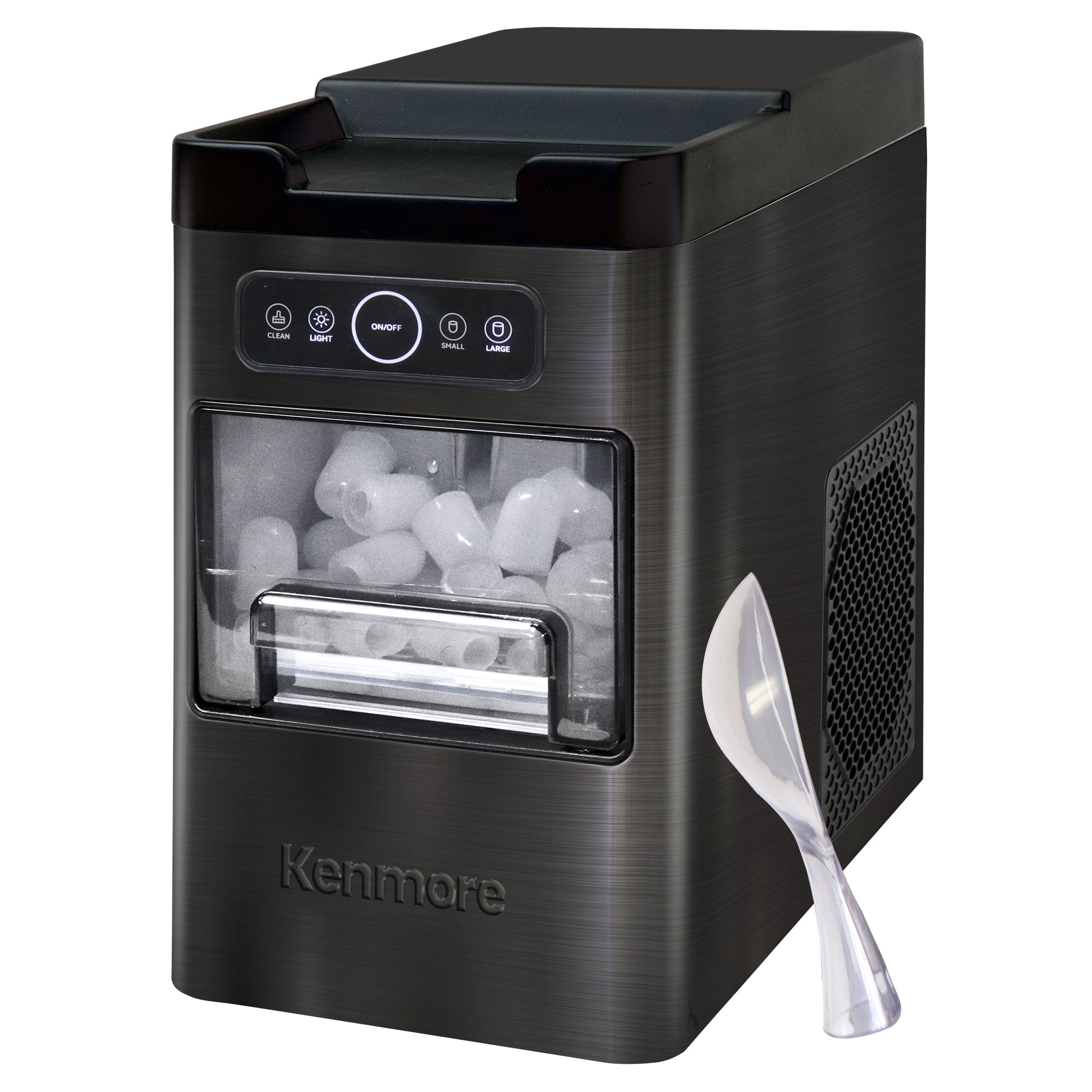
How to Keep Your Portable Ice Maker Clean
Regular habits make deep cleaning faster. Treat the reservoir like a small water tank that needs fresh care.
Use these simple habits:
• Use fresh, cold drinking water.
• Empty unused water after each day of use.
• Wipe spills as soon as they happen.
• Wash the basket and scoop often.
• Keep the lid closed when the machine is not in use.
• Let the inside air dry before storage.
• Keep the machine away from cooking steam and dust.
• Store the ice scoop outside the basket if it is wet.
• Use filtered water if your tap water is hard.
• Follow the cleaning schedule in the manual.
Do not keep ice in the basket overnight. Melted ice can sit in the reservoir and become a source of odor. A portable ice maker works best when you use it, empty it, rinse it, and let it dry.
Vinegar, Descaler, or Soap: Which Cleaner Is Best?
Mild dish soap works well for the removable basket, scoop, lid, and outer surfaces. It helps remove oils and everyday dirt.
White distilled vinegar can help loosen light mineral scale. However, some manufacturers do not recommend vinegar because it may affect seals or certain metals. Check your manual before using it.
A commercial ice maker descaler is often the best choice for thick mineral buildup. Choose a product labeled for ice makers or food contact equipment, and follow the dilution instructions.
No cleaner is best for every machine. The safest choice depends on the materials, pump design, and instructions from the manufacturer.

When to Replace or Repair Your Ice Maker
Cleaning can solve many problems, but it cannot fix every fault. Consider professional help if the machine leaks, makes a grinding noise, trips the circuit, or will not drain.
Replace the appliance if you find cracked food contact parts, damaged wiring, heavy mold inside sealed tubing, or corrosion near electrical components. Do not open the electrical housing unless you are trained to repair appliances.
If the machine stops making ice after cleaning, check the water level, room temperature, air vents, and ice sensor. A portable ice maker may also pause when the basket is full or the cooling system is too warm.
Frequently Asked Questions About How to Clean a Portable Ice Maker
Can I use vinegar to clean a portable ice maker?
You can often use diluted white distilled vinegar to loosen light mineral scale, but check the owner’s manual first. Rinse the machine well with clean water before making ice.
How often should I clean a portable ice maker?
Clean it every three to four weeks with regular use. Clean it sooner if you notice an odor, slimy residue, cloudy ice, or visible mineral deposits.
Can I use bleach in a portable ice maker?
Use bleach only if the manufacturer provides an exact dilution and procedure. Never mix bleach with vinegar, descaler, soap, or other cleaners.
Why does my ice taste bad after cleaning?
Bad taste usually comes from leftover cleaner, old water, a dirty scoop, or residue in the drain area. Drain the machine, rinse it several times, and discard the first new batch of ice.
Can I put my portable ice maker in the dishwasher?
Most portable ice makers should not go in the dishwasher. Some baskets or scoops may be dishwasher safe, but confirm this in the manual before using a dishwasher.
Should I clean a portable ice maker before storing it?
Yes. Empty and rinse the reservoir, wash removable parts, drain the machine, and let every part dry fully. Store it with the lid open or as the manufacturer recommends.
Conclusion
Knowing how to clean a portable ice maker helps protect the taste, quality, and performance of your appliance. Unplug the unit, wash removable parts, remove mineral scale, rinse the water system, and let the machine dry completely.
A simple monthly routine can prevent most odors, slime, and scale. Check your owner’s manual for product specific instructions, then make cleaning part of your normal kitchen care. If this guide helped, share your cleaning tips or explore more appliance care guides for a fresher, safer home.