
Your ice maker may make ice slowly because of warm freezer air, low water flow, a clogged filter, or dirty parts.
If you are asking, “why is my ice maker making ice slowly,” you are not alone. Most ice makers need several hours to refill a bin, and small changes in temperature, airflow, or water pressure can slow the process. This guide explains the most common causes, simple checks, safe fixes, and signs that you need a repair technician.

How Fast Should an Ice Maker Make Ice?
A working refrigerator ice maker often makes a batch of cubes every 60 to 120 minutes. Many models produce about 3 to 10 pounds of ice in 24 hours, but the exact rate depends on the brand, freezer temperature, room temperature, and ice maker design.
The first batches after installation or a long shutdown may take longer. The freezer must reach a safe operating temperature before the ice maker can work well.
Most refrigerator manufacturers recommend keeping the freezer near 0°F. Temperatures above 10°F may slow ice production, while temperatures that are too low can create other problems, such as frozen water lines.
When asking why is my ice maker making ice slowly, compare its output with the owner’s manual. A compact ice maker, door ice maker, and traditional freezer ice maker may all have different production rates.
Why Is My Ice Maker Making Ice Slowly?
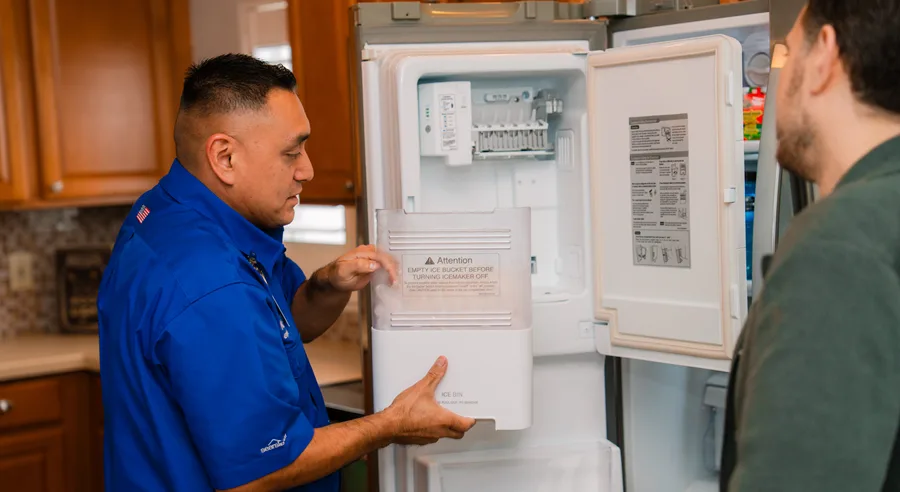
Several issues can reduce ice production. Some take only a few minutes to fix, while others involve the water inlet valve, ice maker motor, or electronic control board.
The freezer is too warm
Ice makers need cold air to freeze water. If the freezer stays warmer than about 5°F to 10°F, the ice mold may not freeze on time.
Check the freezer with a separate appliance thermometer. Do not rely only on the control panel because the displayed setting may not match the true air temperature.
Warm freezer air can result from:
• A door that does not seal well
• Frequent door opening
• A large amount of warm food added at once
• Blocked air vents
• A faulty evaporator fan
• Dirty condenser coils
• A weak door gasket
The water filter is clogged
A refrigerator water filter removes minerals and particles from drinking water. Over time, the filter can become blocked. This reduces water flow to the ice maker and may create small or hollow cubes.
Many filters should be changed about every six months. However, heavy use or hard water may shorten that period. Always use a filter that matches your refrigerator model.
A useful clue is weak water flow from the dispenser. If both the dispenser and ice maker are slow, the filter or household water supply may be the main cause.
Water pressure is too low
Most refrigerator ice makers need steady water pressure to fill the mold. Low pressure can come from a partly closed shutoff valve, a kinked supply tube, a blocked filter, or a plumbing problem.
The required pressure varies by model. Many refrigerators work best with household water pressure between 20 and 120 pounds per square inch, but check the manual before testing or adjusting anything.
The ice maker is turned off
Some ice makers stop when the shutoff arm rises. Others use a switch, touch control, or electronic setting. A pile of ice can push the arm up and make the unit appear faulty.
Check that:
• The ice maker power switch is on
• The shutoff arm can move freely
• Ice is not blocking the arm
• The refrigerator is not in vacation mode
• The ice bin is seated correctly
Ice is clumping inside the bin
Large clumps can block the ice rake or auger. The ice maker may continue making cubes, but the cubes cannot fall or dispense normally.
Empty the bin and break apart loose clumps. If the ice freezes into one solid mass, discard it, wash the bin, dry it fully, and reinstall it.
The freezer has poor airflow
Cold air must move around the freezer. Food containers placed against the rear wall can block vents and create warm spots near the ice maker.
Leave space around vents and avoid packing food tightly against the back panel. Good airflow helps the freezer maintain an even temperature.
The ice maker has a mechanical or electrical fault
A worn motor, damaged ejector arm, faulty thermostat, weak water inlet valve, or bad control board can slow or stop production.
These parts are harder to test without tools. If the freezer is cold, water pressure is normal, and the filter is fresh, a component fault becomes more likely.
Common Causes That Are Easy to Miss
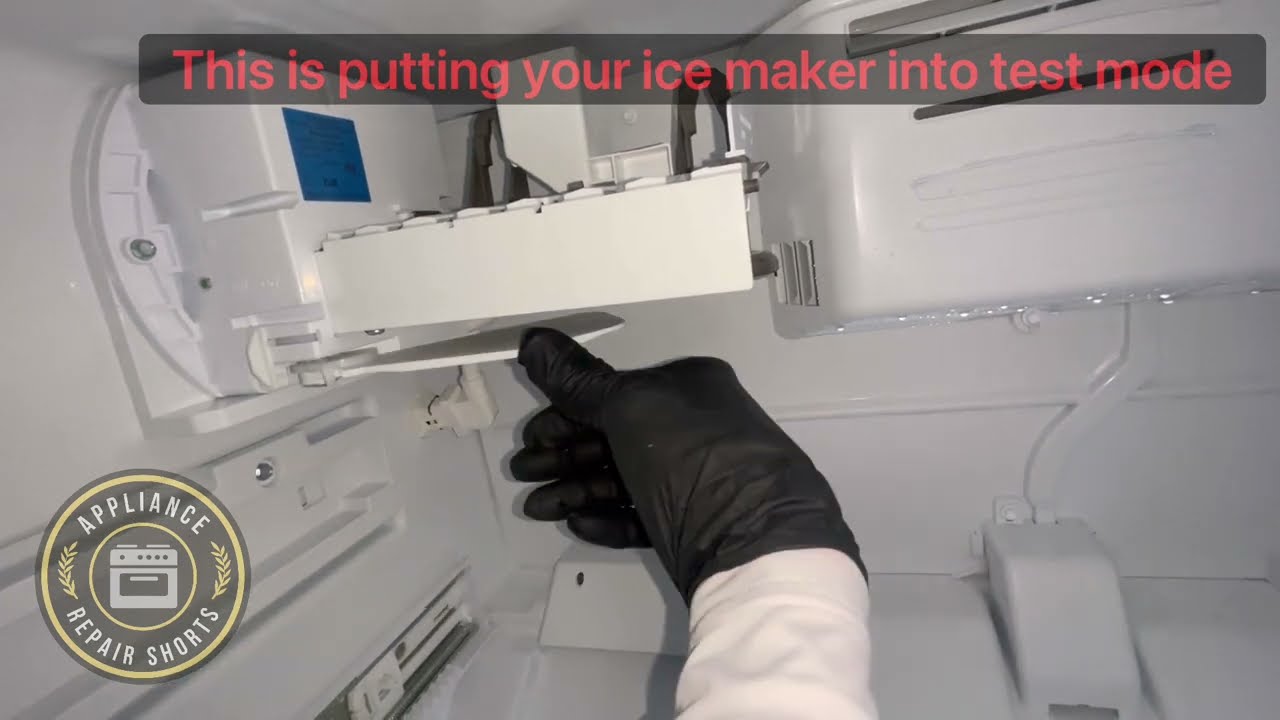
Some causes are not obvious because the refrigerator may still cool food normally. Ice production can slow before the main cooling system shows a clear problem.
A new refrigerator needs time
A newly installed refrigerator may need 12 to 24 hours to reach its normal temperature. The first batch of ice may take longer, especially if the doors were opened often during setup.
After installation, connect the water supply correctly and allow the unit to cool before judging its performance.
The refrigerator door is leaking cold air
A damaged or dirty gasket lets cold air escape. The freezer then works harder, but the ice maker may still receive warmer air.
Clean the gasket with warm water and mild dish soap. Close the door on a thin sheet of paper. If the paper slides out with little resistance, the seal may need adjustment or replacement.
The condenser coils are dirty
Condenser coils release heat from the refrigerator. Dust and pet hair act like a blanket over the coils, reducing cooling efficiency.
Some models have coils beneath the cabinet. Others place them behind a lower grille or rear panel. Unplug the refrigerator before cleaning accessible coils, and use a coil brush or vacuum made for appliance cleaning.
The water line is frozen
A frozen fill tube can stop water from entering the ice mold. This problem may happen when the freezer is very cold, the water inlet valve leaks, or warm air enters near the ice maker.
Do not use a heat gun or open flame. If needed, unplug the refrigerator and allow the area to thaw naturally, or follow the manufacturer’s service instructions.
The ice maker is not level
An ice maker that sits out of level may not fill evenly. Water can freeze on one side, and cubes may have unusual shapes or sizes.
Use the refrigerator’s adjustment instructions. Do not force the ice maker housing, since plastic brackets can break.

How to Diagnose a Slow Ice Maker
A simple process can help you find the cause without replacing parts too soon. Start with easy checks before testing electrical components.
Step 1: Check the freezer temperature
Place an appliance thermometer in the center of the freezer. Leave it there for several hours, then read the temperature.
Aim for about 0°F. If the freezer is above 10°F, focus on cooling, airflow, door sealing, or condenser issues first.
Step 2: Check the water dispenser
Fill a glass from the dispenser. The stream should be steady, not weak or sputtering.
Weak flow suggests a clogged filter, low household pressure, a closed valve, or a kinked line. If the dispenser works well, the issue may be limited to the ice maker.
Step 3: Inspect the ice maker
Look for:
• A raised shutoff arm
• Ice stuck in the mold
• A frozen fill tube
• Loose wires
• A crooked ice maker
• Ice blocking the rake or ejector
Never place your fingers inside a moving ice maker. Turn off power before removing a stuck object.
Step 4: Check the door seal and vents
Look for gaps around the gasket. Make sure food does not block cold air vents or press against the freezer door.
A poor seal can make the unit run often while still producing ice slowly.
Step 5: Replace the water filter if needed
If the filter is older than its recommended service period, replace it. Flush the new filter according to the manual because trapped air can cause temporary sputtering.
Step 6: Wait through one full cycle
After a correction, give the ice maker several hours. Ice production will not return instantly because the unit must fill, freeze, harvest, and refill.
How to Fix an Ice Maker That Is Making Ice Slowly
Once you identify the likely cause, use the least invasive fix first. This reduces the risk of damaging the refrigerator or replacing a part that still works.
Improve freezer temperature
Set the freezer near 0°F and keep the doors closed as much as possible. Move food away from the vents and allow space for air to circulate.
Do not turn the freezer to its coldest setting as a first step. Extremely low temperatures can freeze water lines and may not solve the real problem.
Replace the filter
Use the correct filter for your model. After installing it, flush the recommended amount of water through the dispenser.
If ice production improves within several hours, the old filter was likely restricting water flow.
Open the water shutoff valve fully
Find the shutoff valve behind or beneath the refrigerator. Turn it fully open, but do not force it.
Inspect the supply line for bends. Copper and plastic tubes can both restrict flow when pinched.
Clean the condenser area
Unplug the refrigerator before cleaning accessible coils. Remove dust gently and restore power after the area is clear.
If the coils are inside a sealed compartment, do not remove panels unless the manual allows it. Internal service may require a trained technician.
Clear a safe ice blockage
Turn off the ice maker before removing loose ice. Use a plastic utensil, never a knife or sharp metal tool.
If the fill tube is frozen again after thawing, the inlet valve or water pressure may need professional testing.
Reset the ice maker
Some models have a reset button or test switch. Follow the exact instructions in the manual because reset methods differ.
A reset can clear a temporary control error. It cannot repair a failed motor, valve, sensor, or wiring problem.

Mistakes to Avoid When Troubleshooting
When people ask why is my ice maker making ice slowly, they often try to fix the wrong part first. A few common mistakes can waste time and money.
• Replacing the ice maker before checking freezer temperature
• Using an off-brand filter that does not fit correctly
• Leaving the water valve partly closed
• Chipping ice with a knife
• Using a hair dryer near water and electrical parts
• Overfilling the freezer and blocking vents
• Judging ice production after only one hour
• Ignoring a weak water dispenser
• Running the refrigerator with a damaged door seal
One lesson I have seen repeatedly in appliance troubleshooting is that simple flow problems often look like major mechanical failures. A fresh filter, clear vent, and properly sealed door can solve the issue without a new ice maker.
Another practical lesson is to change only one thing at a time. If you replace the filter, adjust the temperature, and reset the appliance together, you may not know which action solved the problem.
When to Call a Professional
A slow ice maker does not always need service. However, professional help is wise when basic checks do not improve production.
Contact a qualified appliance technician if:
• The freezer will not reach about 0°F
• The ice maker leaks water
• The water inlet valve makes a loud buzzing sound
• The refrigerator trips a circuit breaker
• Wiring looks burned or damaged
• The ice maker repeatedly freezes over
• The compressor or fan runs constantly
• The ice maker fills but never ejects cubes
• The refrigerator has a sealed-system cooling problem
Refrigerators contain electrical parts, moving parts, and refrigerant systems. Do not open sealed cooling components or test live wiring unless you have the proper training and equipment.
A technician can check water pressure, valve operation, thermistors, motor function, wiring, and control signals. This is often faster and safer than guessing at expensive parts.
How to Prevent Slow Ice Production
Regular care can keep ice production steady. Think of the ice maker as a small water-and-cold-air system. Both sides need routine attention.
• Keep the freezer close to 0°F
• Replace the water filter on schedule
• Keep vents clear
• Clean accessible condenser coils
• Check the door gasket for gaps
• Keep the ice bin free of old clumps
• Use the ice maker regularly
• Avoid leaving the door open
• Follow the manufacturer’s cleaning instructions
• Use a water line that meets the model’s requirements
Do not store old ice for months. Ice can absorb freezer odors and may clump around the auger. Emptying and washing the bin from time to time helps maintain better ice quality and movement.
If your home has hard water, mineral buildup may appear faster. In that case, filter replacement and regular cleaning become even more important.
Why Is My Ice Maker Making Ice Slowly in Summer?
Hot weather can make ice production slower because the refrigerator must remove more heat from the cabinet. A warm kitchen, direct sunlight, or poor space around the refrigerator can add to the load.
Make sure the refrigerator has the clearance required by the manual. Keep it away from ovens, ranges, and strong sunlight when possible.
Summer can also increase ice demand. Your ice maker may be working normally but seem slow because the family is using ice faster than the appliance can replace it.
Why Is My Ice Maker Making Small or Hollow Ice Cubes?
Small or hollow cubes usually point to limited water entering the mold. A clogged filter, low water pressure, partly closed valve, or weak inlet valve can cause this pattern.
A frozen fill tube may also interrupt the fill cycle. Check the filter, supply line, and water dispenser before replacing the ice maker.
If the cubes are normal in size but production is slow, focus more on freezer temperature, airflow, and the harvest cycle.
Why Is My Ice Maker Making Ice Slowly After Changing the Filter?
The ice maker may need several hours to return to normal after a filter change. Air trapped in the filter can reduce water flow for a short time.
Run the amount of water recommended in the owner’s manual. Confirm that the filter is fully locked into place and that it is the correct model.
If the dispenser remains weak after flushing, the filter may be defective or the refrigerator may have another water supply problem.
Frequently Asked Questions
How long does it take an ice maker to make ice?
Many household ice makers take about 60 to 120 minutes to complete one batch. A full bin may take 12 to 24 hours, depending on the appliance and how often ice is used.
Does a dirty water filter slow down an ice maker?
Yes. A clogged filter can reduce water flow and cause small cubes, hollow cubes, or longer fill times. Replacing the filter on schedule often restores normal production.
What temperature should a freezer be for ice making?
A freezer should usually be near 0°F. Temperatures above roughly 10°F can slow freezing, although you should check your appliance manual for its exact operating range.
Can low water pressure cause slow ice production?
Yes. Low pressure may prevent the ice maker from filling quickly or completely. Check the household supply, shutoff valve, filter, and water line for restrictions.
Should I reset my ice maker?
You can try a reset if the manual provides a reset procedure. A reset may clear a temporary control issue, but it will not fix a blocked line, failed valve, damaged motor, or poor freezer temperature.
Why does my ice maker work slowly after installation?
A new refrigerator needs time to cool before it can make ice at its normal rate. Allow about 12 to 24 hours, keep the doors closed, and confirm that the water line and filter are installed correctly.
When should I replace the ice maker?
Consider replacement only after checking temperature, water flow, filter condition, and blockages. If the unit still fails to harvest or fill, a technician can confirm whether the ice maker or another part is faulty.
Conclusion
The answer to why is my ice maker making ice slowly is usually linked to freezer temperature, water flow, a clogged filter, blocked airflow, or ice buildup. Start with simple checks: measure the freezer temperature, inspect the vents and door seal, test the water dispenser, and replace an old filter.
Give each fix time to work before trying another one. If the freezer stays warm, the ice maker leaks, or basic steps fail, arrange professional service rather than guessing at costly parts.
Use this guide as your checklist, and you can often restore steady ice production safely. Share your refrigerator model and symptoms in the comments if you want help narrowing down the cause.