
Your ice maker may be freezing up because low water flow, a faulty thermostat, or excess cold air blocks normal ice production.
Wondering why is my ice maker freezing up can be frustrating, especially when the bin has ice but the machine will not make more. The good news is that most causes are easy to spot. This guide explains what to check, how to fix the problem safely, and when a repair technician is the better choice.
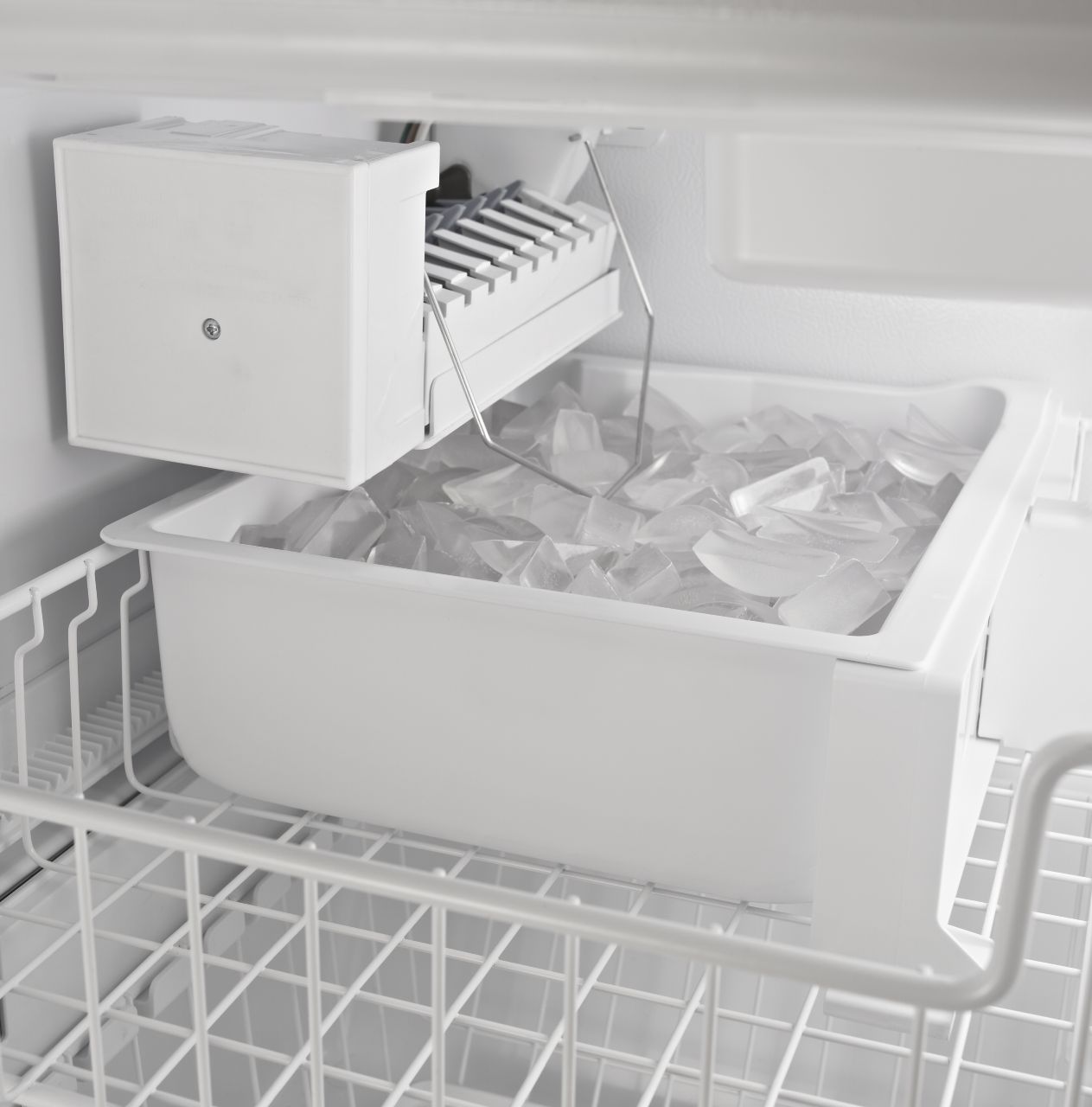
Why Is My Ice Maker Freezing Up?
An ice maker can freeze up when water enters the unit too slowly, too little water enters, or the temperature stays too low for too long. Ice may form around the fill tube, shutoff arm, ice mold, or water inlet area.
The most common causes include:
• A frozen water fill tube
• A clogged water filter
• Low water pressure
• A faulty water inlet valve
• A defective thermostat or thermistor
• An ice maker that is too cold
• Poor airflow inside the freezer
• A stuck shutoff arm
• A damaged ice maker assembly
A small amount of frost is normal in a freezer. Thick ice is not. Think of the ice maker as a small water system. If water cannot move through the system at the right speed, it can freeze in the wrong place.
A frozen fill tube
The fill tube carries water from the inlet valve to the ice mold. If the tube freezes, water cannot reach the mold. The ice maker may then sit idle or continue trying to cycle without making fresh ice.
This is one of the most common answers to why is my ice maker freezing up. A cold freezer, weak water pressure, or a leaking inlet valve can all cause water to freeze inside the tube.
A clogged water filter
An old filter can reduce water flow. When the flow becomes weak, the fill cycle may last longer or deliver only a small amount of water. That water can freeze before it reaches the ice mold.
Many refrigerator makers recommend changing the filter about every six months. The exact schedule depends on water quality and use.
A faulty water inlet valve
The inlet valve opens when the ice maker calls for water. If it does not close fully, it may allow a slow drip into the fill tube. That drip can freeze and create a solid ice plug.
A weak valve can also release too little water. Both problems can make the ice maker freeze up.
Incorrect freezer temperature
Most freezers work best at 0°F. A much colder setting can freeze the fill tube or make the ice maker overproduce.
Use a separate freezer thermometer if possible. The display on the refrigerator may show the set temperature, not the true temperature at the ice maker.

Signs Your Ice Maker Is Freezing Up
The symptoms can help you find the cause. Look closely before removing any parts.
Common signs include:
• A thick sheet of ice around the ice maker
• Ice stuck inside the mold
• A frozen fill tube
• Small, hollow, or cloudy ice cubes
• Ice cubes joined together in a large clump
• Water leaking into the freezer
• A buzzing sound with no new ice
• The ice maker motor running but no water entering
• Frost building up near the back wall
If you see a thin layer of frost but the ice maker still works, the problem may be minor. If the unit is covered in ice, stop using it until you find the cause.
Small or hollow ice cubes
Small cubes often point to low water pressure or a restricted filter. The ice maker may be working, but it is not receiving enough water during the fill cycle.
This clue matters because replacing the whole ice maker will not fix a water supply problem.
Ice clumps in the bin
Ice can clump when the bin is not used often. Warm air enters when the freezer door opens, and the cubes begin to melt slightly. They then freeze together again.
This does not always mean the ice maker itself is broken. Empty the bin, break apart any clumps, and check whether fresh ice forms normally.
A frozen fill tube
Look behind or above the ice maker for a short plastic or rubber tube. If you see ice blocking the opening, the water path is frozen.
Do not use a knife, screwdriver, or other sharp tool to remove it. You may puncture the tube or damage the freezer liner.

How to Fix an Ice Maker That Is Frozen Up
Start with simple checks. Many ice maker problems do not require special tools.
1. Check the freezer temperature
Set the freezer close to 0°F. Allow several hours for the temperature to stabilize.
Avoid placing food directly against the vents. Blocked vents can create cold spots near the ice maker and prevent even airflow.
2. Replace the water filter
If the filter is old, replace it with the correct model. Make sure it clicks fully into place.
After installing the new filter, flush the water dispenser according to the refrigerator manual. This helps remove trapped air and carbon dust.
3. Thaw the fill tube safely
Turn off the ice maker. You can usually do this by lifting the shutoff arm or pressing the ice maker switch.
Let the tube thaw naturally, or use a hair dryer on its lowest setting. Keep the dryer moving, keep it away from water, and never leave it unattended. Unplug the refrigerator if you need to work near electrical parts.
A warm, damp cloth may also help loosen surface ice. Do not pour boiling water into the freezer.
4. Check the shutoff arm
The shutoff arm tells the ice maker when the bin is full. If it is stuck in the raised position, the unit may stop making ice. If it is blocked by ice, the maker may behave unpredictably.
Move the arm gently. It should lift and lower without force.
5. Inspect the ice mold
Look for a large block of ice inside the mold. If the cubes are frozen together, empty the mold after turning off the ice maker.
Do not chip at the ice with a metal object. A damaged mold can leak water into the freezer.
6. Reset the ice maker
Some models have a reset button. Others reset when you turn the refrigerator off for a few minutes.
Use the instructions for your model. A reset may clear a control error, but it will not repair a leaking valve, blocked tube, or failed thermostat.
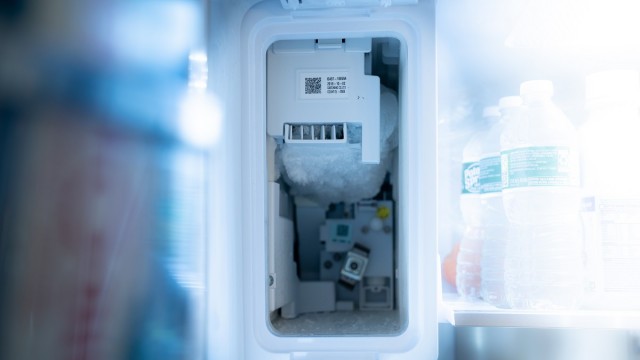
How to Test the Water Supply
A steady water supply is essential. If the refrigerator receives too little water, the ice maker may freeze up or make poor-quality ice.
Follow these steps:
-
Check that the refrigerator water line is fully open.
-
Look behind the refrigerator for a kinked line.
-
Inspect the connection for leaks.
-
Test the water dispenser.
-
Replace a clogged filter.
-
Confirm that the home water pressure is adequate.
If the dispenser is also weak, the issue may be outside the ice maker. A clogged supply line, shutoff valve, or filter could affect both systems.
If the dispenser works well but the ice maker receives no water, the inlet valve, ice maker switch, or control board may be at fault.
Check the fill time
A normal ice maker fill cycle often lasts only a few seconds, but timing varies by model. If water trickles in or continues dripping after the cycle, the inlet valve may need testing.
A repair technician can measure valve operation and water pressure. This is safer and more accurate than guessing from sound alone.

Why Is My Ice Maker Freezing Up After I Thaw It?
If the ice maker freezes again after thawing, the original cause is still present. Thawing removes the ice, but it does not correct the water or temperature problem.
The most likely reasons are:
• The inlet valve is leaking
• The fill tube is not positioned correctly
• The freezer is too cold
• The water filter is restricted
• The ice maker is overfilling
• The refrigerator has poor airflow
A leaking valve often causes the problem to return within a day or two. Water slowly drips into the tube, freezes, and creates another blockage.
An overfilling ice maker may have a faulty water-level control or damaged ice maker module. In that case, replacing the filter or adjusting the temperature will not solve the issue.
A practical troubleshooting lesson
One mistake people often make is replacing the ice maker too soon. In many troubleshooting cases, the real problem is a $10 filter or a frozen fill tube, not the full ice maker assembly.
Check the water path first. It is the same approach used in many appliance repairs: begin with the simplest failure before replacing expensive parts.

How to Prevent Your Ice Maker From Freezing Up
A few simple habits can reduce repeat problems.
• Keep the freezer near 0°F.
• Replace the water filter on schedule.
• Keep freezer vents clear.
• Use the ice maker regularly.
• Do not overfill the ice bin.
• Remove large ice clumps.
• Keep the freezer door sealed.
• Check the water line for bends.
• Clean spills before they freeze.
Use the ice maker at least a few times each week if your household does not use much ice. Regular use helps prevent old ice from becoming one solid mass.
Check the door gasket, too. A loose or cracked gasket allows warm, moist air into the freezer. That moisture can create frost around the ice maker and other parts.
Avoid storing hot food in the freezer. Steam adds moisture, which later turns into frost. Let food cool first, then seal it in a suitable container.
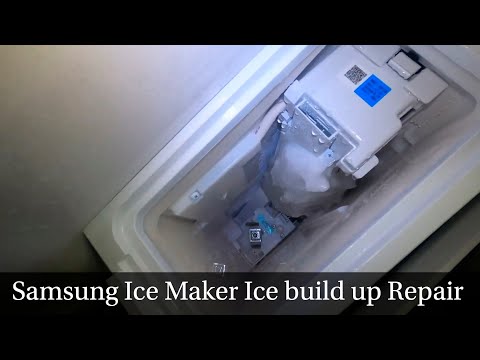
When to Call an Appliance Repair Technician
Some repairs are best left to a trained professional. Call for service if:
• The ice maker freezes again soon after thawing.
• Water leaks into the freezer.
• The inlet valve drips when the ice maker is off.
• The freezer temperature is not stable.
• The refrigerator makes unusual electrical sounds.
• The ice maker has damaged wiring.
• You smell burning or see melted plastic.
• The refrigerator is still under warranty.
A technician can test the inlet valve, thermostat, thermistor, wiring, and control board. These parts can look normal even when they fail electrically.
Unplug the refrigerator before inspecting electrical parts. Never bypass a safety switch or apply power to exposed wiring unless you are trained to do so.
Repair costs vary by model and location. A filter or thawing job is usually inexpensive, while a control board or complete ice maker replacement costs more.
What Not to Do When the Ice Maker Freezes
Unsafe shortcuts can turn a small problem into a major repair.
Do not use a knife or screwdriver to chip away ice. The tool can puncture a water line, crack the ice mold, or damage the freezer wall.
Do not use a heat gun. It can warp plastic parts and damage wiring. A low-heat hair dryer or natural thawing is safer when used carefully.
Do not force the ejector arm. If the motor or gear is jammed, force can break the mechanism.
Do not keep resetting the appliance without checking the cause. A reset may hide the symptom for a short time while the leak or temperature problem continues.

Frequently Asked Questions About Why Is My Ice Maker Freezing Up
Why is my ice maker freezing up but the water dispenser works?
The ice maker may have a frozen fill tube, failed inlet valve, or defective ice maker control. A working dispenser shows that water reaches the refrigerator, but it does not prove that water reaches the ice maker.
Can a dirty water filter cause an ice maker to freeze?
Yes. A clogged filter can slow water flow and cause small fills or poor ice production. Replace the filter with the correct model and check whether the problem improves.
How do I thaw a frozen ice maker?
Turn off the ice maker and let the ice thaw naturally, or use a hair dryer on low heat while keeping it away from water. Never use sharp tools or boiling water to remove ice.
Should I set my freezer colder to make more ice?
Usually, no. A freezer near 0°F is cold enough for safe storage and normal ice production. A much colder setting can freeze the fill tube and may explain why is my ice maker freezing up.
Why does my ice maker keep freezing after I clean it?
Repeated freezing usually means a valve is leaking, water pressure is low, the filter is restricted, or the freezer is too cold. Cleaning removes the ice but does not correct the cause.
Can low water pressure stop an ice maker?
Yes. Low pressure may cause a weak fill cycle, small cubes, or no ice at all. Check the filter, supply line, shutoff valve, and household water pressure.
Is it safe to use an ice maker with a frozen fill tube?
It is better to turn it off until the tube is thawed and the cause is known. Continued cycling can stress the motor and may lead to water leaks when the blockage clears.
Conclusion
Why is my ice maker freezing up usually has a practical answer: restricted water flow, a leaking inlet valve, an overly cold freezer, or a frozen fill tube. Start with the temperature, filter, water line, shutoff arm, and visible ice. These checks solve many problems without replacing the entire ice maker.
Use gentle thawing methods, avoid sharp tools, and call a technician when the problem returns or involves wiring and valves. Take a few minutes to inspect your ice maker today, and share this guide with anyone dealing with a stubborn freezer problem.