
Black ice usually comes from mold, dirt, rust, carbon-filter dust, or damaged parts inside the ice maker.
If you are asking, “why is my ice maker making black ice,” the answer depends on where the dark material comes from. Black spots may come from the ice bin, water line, filter, ice mold, or freezer parts. Some causes are easy to fix, while others need a new filter or professional service. This guide will help you find the source, protect your family, and get clean ice again.
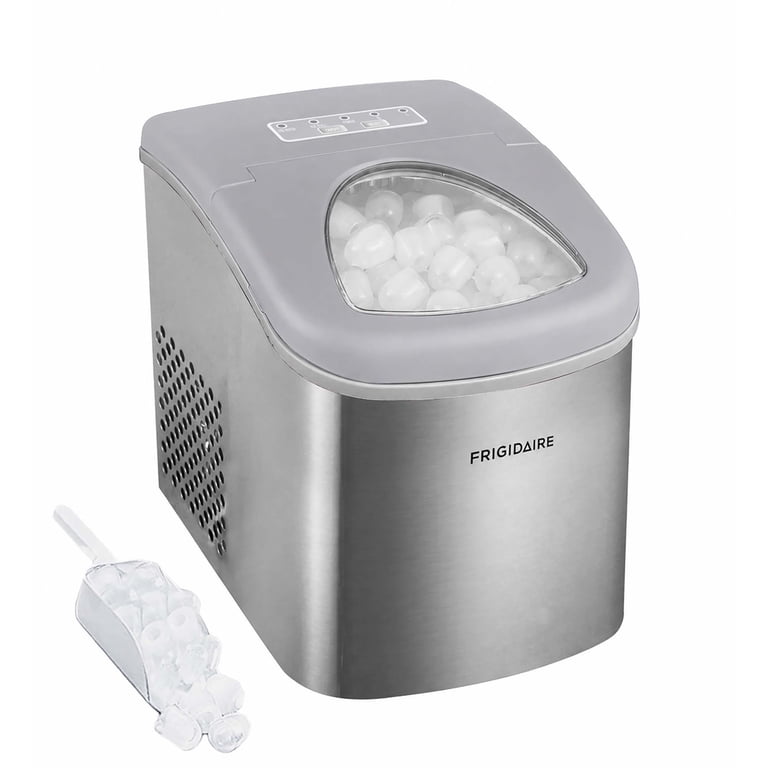
Why is my ice maker making black ice?
Black ice is not normal. Ice should look clear or cloudy white, depending on the water and machine. Black flakes, dots, streaks, or gray chunks mean that something is entering the water or falling into the ice.
The most common causes include:
• Mold or mildew inside a damp ice bin
• Old ice mixed with food crumbs or freezer debris
• Carbon dust from a new or damaged water filter
• Rust from metal parts, screws, or the water line
• A cracked ice maker mold or worn internal coating
• Dirty water inlet parts
• Cleaning chemicals or residue left inside the machine
• Debris from a failing refrigerator component
A small amount of dark dust may not always mean toxic contamination. However, you should not eat ice that looks dirty or unusual. The safest step is to discard it until you identify and fix the problem.

The most likely causes of black ice
Mold and mildew in the ice bin
Mold can grow where moisture sits for a long time. The ice bin is a common place because melted ice can collect under or around the cubes. A warm kitchen, poor airflow, and an ice maker that is rarely used can make this worse.
Mold may appear as black dots, green patches, gray film, or a musty smell. It can also grow on the ice chute, dispenser flap, or seals around the bin.
This is one of the most common answers to why is my ice maker making black ice. The ice itself may be clean when it leaves the mold, but it can pick up mold or dirt as it falls into the bin.
Carbon dust from the water filter
Many refrigerator filters use activated carbon. Carbon helps reduce chlorine, odors, and some impurities in water. A new filter can release fine black or gray particles if it is not flushed well.
This dust often looks like pepper. It may settle at the bottom of the ice bin or appear as tiny dark flecks in several batches of ice. The ice may have little or no smell.
Follow the filter maker’s flushing instructions. Many filters need several gallons of water to pass through before use. Some refrigerators also need two or three full batches of ice discarded after a filter change.
Rust from metal parts
Rust can enter the water if a metal fitting, screw, valve, or old water line is breaking down. Rust often looks orange, brown, dark red, or nearly black when it mixes with ice.
A rusty water supply line can cause repeated discoloration. If the same dark particles return after cleaning the bin and replacing the filter, inspect the water line and inlet valve.
Do not bend or remove parts inside the refrigerator if you are not comfortable doing so. A leaking or corroded line can cause water damage as well as dirty ice.
Dirt and food debris
The freezer is not a sealed laboratory. Crumbs, spilled drinks, dust, and food particles can enter the ice bin. A dirty scoop can also transfer food residue into the ice.
If the black material is only on the outside of the cubes, the bin or scoop is more likely to be the source. If black specks are frozen inside the cubes, the water path or ice maker may be involved.
A damaged ice maker mold or coating
Some ice makers have a coated metal or plastic mold. Over time, the coating can peel, crack, or wear away. Small pieces may look black, gray, or shiny.
A damaged mold can also create rough ice, odd shapes, or a chemical taste. In this case, cleaning will not solve the problem. The ice maker assembly may need replacement.
A dirty water inlet valve
The water inlet valve controls water flow into the ice maker. Sediment can collect around the valve or screen. If the valve is old, it may also shed material into the water.
A restricted valve may cause small ice cubes, slow filling, or repeated cycles. If you see black material in both drinking water and ice, the issue may be farther upstream than the ice maker.
Residue from cleaning products
Cleaning sprays, soap, and sanitizing products can leave residue if they are not rinsed away. Some residue may freeze into white, gray, or dark-looking pieces.
Never mix bleach with vinegar, ammonia, or other cleaners. These combinations can create dangerous fumes. Use only the cleaning method listed in your refrigerator manual.

Is black ice safe to eat?
It is best not to eat black ice until you know what caused the color. The dark material may be harmless carbon dust, but it could also be mold, rust, dirt, or a damaged part.
The color alone cannot identify the contaminant. A laboratory test would be needed to confirm the material. For home use, the safest choice is simple: stop using the ice, empty the bin, and clean the machine.
Take extra care if the ice has any of these signs:
• A musty, sour, chemical, or metallic smell
• A slimy film
• Visible mold in the bin or chute
• Repeated black particles after cleaning
• A broken or peeling ice maker part
• Dirty drinking water from the refrigerator
People with allergies, asthma, weak immune systems, or other health concerns should be especially cautious. Children and pets should not be given questionable ice.
Food safety guidance supports discarding food or drink that appears moldy, contaminated, or otherwise unsafe. Do not try to make the ice safe by boiling it. Boiling may kill some organisms, but it will not remove rust, carbon dust, chemicals, or metal fragments.
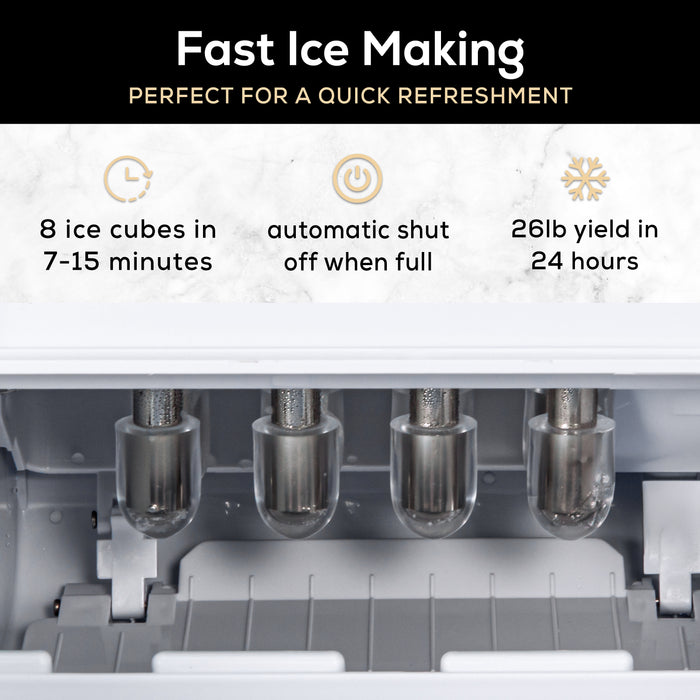
How to find the source of the black ice
A quick inspection can tell you whether the problem starts in the ice maker or the storage area. Work in this order.
1. Stop using the ice maker
Turn off the ice maker or lift the shutoff arm. Empty the entire ice bin. Do not keep a few clean-looking cubes, because they may have touched contaminated ice or debris.
Place the discarded ice in the trash. Do not pour it into a sink if it contains large pieces of metal, mold, or unknown debris.
2. Check the ice bin and scoop
Look at the bottom, corners, and walls of the bin. Check for slimy areas, black marks, food crumbs, and old melted ice.
Wash the bin with warm water and mild dish soap unless the manual says otherwise. Rinse it well and let it dry fully before replacing it.
Inspect the scoop, too. A dirty scoop can make a clean ice maker appear faulty.
3. Check the ice chute and dispenser
Use a flashlight to inspect the chute. Look for mold, sticky drink residue, and dark buildup around the dispenser flap.
Wipe the area with a clean cloth and an approved cleaner. Avoid spraying liquid directly into electrical parts, switches, or the dispenser opening.
4. Inspect the water filter
Find the filter date and check whether it is overdue. Many refrigerator filters need replacement about every six months, but the correct schedule depends on water quality and use.
Look for:
• A loose filter
• A cracked filter housing
• A filter installed at an angle
• A filter that was not flushed
• Black dust around the filter area
Use the correct model. A poor fit can allow unfiltered water or debris to enter the system.
5. Compare ice with drinking water
Fill a clear glass from the refrigerator water dispenser. Let it sit under bright light. Then compare it with a fresh batch of ice.
If black particles appear in both water and ice, suspect the filter, supply line, valve, or household plumbing. If only the ice has particles, the ice maker or bin is more likely to be the source.
6. Check the water supply line
Look behind the refrigerator for crushed, kinked, leaking, or discolored tubing. Older lines may contain sediment or may break down over time.
Do not pull the refrigerator too far if the line is short. A damaged line can leak quickly and harm the floor.

How to clean an ice maker that makes black ice
Cleaning can solve the problem when mold, dirt, old ice, or residue is the cause. It will not fix a cracked mold, rusty pipe, or failing valve.
Cleaning steps
-
Turn off the ice maker and unplug the refrigerator if your manual recommends it.
-
Remove the ice bin, scoop, removable shelves, and other loose parts.
-
Throw away all old ice.
-
Wash removable parts with warm water and mild dish soap.
-
Use a soft cloth or soft brush to clean the ice chute, bin supports, and accessible surfaces.
-
Rinse all soap away.
-
Dry every part completely.
-
Replace the water filter if it is old, damaged, or releasing black dust.
-
Turn the ice maker back on.
-
Discard the first two or three batches of ice, or follow the amount listed in the manual.
Avoid sharp tools, abrasive pads, and strong chemicals. Scratches can create places for grime to collect. Harsh cleaners can also damage plastic, rubber seals, and the ice mold.
Some appliance makers approve a diluted bleach solution for sanitizing. Others do not. Always check the product instructions first, and never mix cleaning products.
How to prevent black ice from coming back
Once you solve why is my ice maker making black ice, a few simple habits can help prevent a repeat problem.
• Replace the water filter on schedule.
• Flush a new filter before drinking the water or using the ice.
• Clean the ice bin every few months.
• Empty old ice if the machine is not used often.
• Keep uncovered food away from the ice bin.
• Wash the ice scoop and store it outside the bin if the manual allows.
• Keep the freezer near 0°F, which is the recommended freezer temperature for food storage.
• Check the dispenser chute for moisture and mold.
• Inspect the water line for kinks and leaks.
• Use only the correct replacement filter and parts.
Old ice can absorb freezer odors and develop a stale taste. It may not look black, but it can make fresh ice seem dirty. Emptying the bin every few weeks helps keep the system fresh.
A common service lesson is that people often replace the filter but never clean the bin. That leaves the original mold or residue in place. Cleaning both the water path and the storage area gives better results.

When to replace the filter or ice maker
A filter replacement is a reasonable first step when the ice has tiny black specks, especially after a long period without filter maintenance. It is also useful when the refrigerator water tastes odd or flows slowly.
The ice maker may need professional repair or replacement when:
• Black particles return after a full cleaning and new filter
• The ice mold coating is peeling
• Metal fragments appear in the ice
• The water line or valve is rusty
• The ice maker leaks
• The dispenser has mold that keeps returning
• The refrigerator water is also visibly dirty
• The machine makes unusually small or misshapen ice
Take a photo of the black ice and the suspected part. Keep a sample in a clean sealed bag only if a technician asks for it. Do not open sealed refrigerant or electrical components yourself.
If your refrigerator is under warranty, contact the manufacturer before buying an expensive assembly. A repair technician can test the inlet valve, water pressure, filter housing, and ice maker mold.
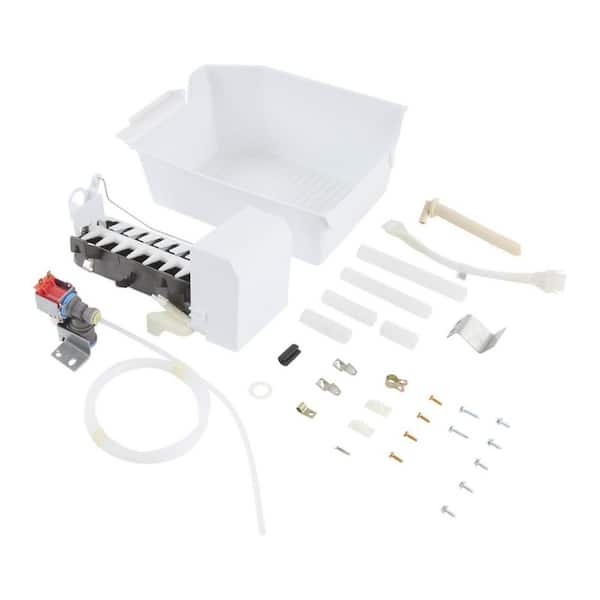
Why is my ice maker making black ice after a filter change?
Black ice after a filter change often comes from activated carbon fines. These tiny particles can escape from a new filter until it is flushed properly.
Remove the affected ice, check that the filter is seated correctly, and flush the water as directed. Then discard several ice batches. If the black particles continue, the filter may be defective or the filter housing may be damaged.
A filter can also expose an older problem. For example, changing the filter may disturb sediment in the housing or water line. That sediment can then appear in the first few batches of ice.
Why is my ice maker making black ice only sometimes?
Intermittent black ice often points to loose debris, an aging filter, old ice, or particles that settle between ice-making cycles. The problem may appear only when the ice bin is nearly full or when the machine has been unused for several days.
Check whether the particles are inside the cube or stuck on its surface. This small detail helps separate a water-path issue from a dirty bin or dispenser.
Also note when the problem occurs. Record whether it follows a filter change, a power outage, a freezer defrost cycle, or a plumbing repair. This information can save time during service.
Mistakes to avoid when fixing black ice
Do not keep eating the ice while you search for the cause. One clean-looking cube does not prove that the rest are safe.
Avoid these common mistakes:
• Replacing the filter without cleaning the bin
• Using a random filter that does not fit the refrigerator
• Spraying cleaner into the ice chute
• Scraping the ice mold with a knife
• Mixing bleach with another cleaner
• Ignoring black particles in the drinking water
• Reusing old ice after a mold problem
• Assuming every black speck is harmless carbon
• Taking apart electrical parts without turning off power
A gentle, step-by-step check works better than aggressive cleaning. Think of the ice maker as a small water system. Find where the material enters, then fix that point.
What experts recommend for safe refrigerator ice
Food safety experts generally recommend keeping cold food at safe temperatures, cleaning food-contact surfaces, and discarding food with signs of contamination. Refrigerator manufacturers also advise regular filter replacement and ice bin cleaning.
Your owner’s manual is the most important guide for model-specific cleaning. Ice makers differ in their materials, filter systems, and removable parts. A method that is safe for one model may damage another.
There is also a limit to what visual inspection can tell you. Black ice can come from mold, carbon, rust, or another substance that looks similar. If the cause is unclear, a qualified appliance technician or water-quality professional can provide a more reliable answer.
Frequently Asked Questions about why is my ice maker making black ice
Is black ice from an ice maker dangerous?
It may be harmless carbon dust, but it can also be mold, rust, dirt, or chemical residue. Stop using the ice until you clean the machine and identify the source.
Can a dirty water filter cause black ice?
Yes. An old, damaged, or poorly flushed carbon filter can release black or gray particles. Replace the filter with the correct model and flush it according to the instructions.
How do I get rid of black ice in my ice maker?
Discard the ice, wash the bin and scoop, clean the accessible dispenser parts, and replace an overdue filter. If black particles return, inspect the water line and ice maker or call a technician.
Should I throw away the ice after cleaning the ice maker?
Yes. Discard the first two or three batches, unless your manual gives different instructions. This clears leftover water, cleaner residue, and loose particles from the system.
Why is my ice maker making black ice but the water looks clean?
The problem may be in the ice mold, ice chute, storage bin, or dispenser. Inspect the ice for particles inside the cube and on the surface to help locate the source.
Can mold grow inside an ice maker?
Yes. Moisture and old ice can allow mold or mildew to grow in the bin, chute, seals, and nearby surfaces. Regular cleaning and removing old ice can help prevent it.
When should I call an appliance repair technician?
Call a technician when black ice continues after cleaning and filter replacement, when metal pieces appear, or when you see leaks, rust, damaged coatings, or dirty drinking water. These signs may point to a valve, water line, or ice maker failure.
Conclusion
Black ice usually means that mold, carbon dust, rust, dirt, residue, or a damaged ice maker part has entered the ice. The safest response is to stop using the ice, empty the bin, clean the accessible parts, check the filter, and discard several new batches.
If the problem returns, compare the ice with the refrigerator’s drinking water and inspect the water line. Persistent particles, metal flakes, leaks, or peeling parts call for professional service. Take a few minutes today to clean and inspect your ice maker, then share your experience or explore your refrigerator manual for model-specific care steps.