
Keep your ice maker on for daily use, but turn it off when you travel or need to save energy.
Choosing whether the ice maker on or off is best depends on your routine, freezer design, and safety needs. After reviewing appliance guidance and common household use, I’ll explain how automatic ice makers work, when to switch them off, and how to avoid waste, leaks, noise, and stale ice.
How an Automatic Ice Maker Works
An automatic ice maker uses a small electric motor, water valve, thermostat, and ice mold. When the mold freezes, the motor pushes the cubes into the storage bin. A shutoff arm or sensor then stops new ice when the bin is full.
The ice maker does not usually run all day. It works in short cycles as needed. The exact timing depends on the freezer temperature, water supply, room temperature, and how often you use ice.
For safe operation, most manufacturers recommend keeping the freezer near 0°F (−18°C). A freezer that is too warm may make soft ice or stop the ice maker from working well.
Should the Ice Maker Be On or Off?
For most homes, keep the ice maker on when you use ice often. This lets the appliance refill the bin without extra effort. It is useful for families, parties, summer drinks, and busy kitchens.
Turn the ice maker off when you do not need ice for several days. This can reduce noise, limit mechanical wear, and prevent ice from clumping in a half-used bin.
The best ice maker on or off choice depends on these simple questions:
• Do you use ice every day?
• Will you be away from home?
• Is the water line connected and working?
• Is the ice bin already full?
• Do you hear unusual sounds?
If you use only a few cubes each week, leaving the ice maker on may not offer much benefit. Fresh ice can sit in the bin for a long time and absorb food odors.

When to Keep the Ice Maker On
Keeping the ice maker on makes sense when your household uses ice regularly. Most modern units stop making ice when the bin reaches the correct level, so they do not continue producing endlessly.
You may want the ice maker on in these situations:
• You use ice daily for water, coffee, smoothies, or packed lunches.
• Several people share the refrigerator.
• You want a full bin before guests arrive.
• You have a large freezer with a reliable water filter.
• You check the appliance often.
A full ice bin is convenient, but it is not always better. Ice can become cloudy, stale, or stuck together after sitting for weeks. For the best taste, use older ice first and clean the bin from time to time.
One practical lesson is to avoid turning the ice maker on and off several times in one day. The system needs time to freeze water and complete a cycle. Frequent switching does not make ice faster and may cause confusion about whether the unit is actually running.
When to Turn the Ice Maker Off
Turn the ice maker off before a long trip, especially if you will be away for more than a few days. This helps prevent ice from melting, refreezing, and forming a large solid mass in the bin.
You should also switch it off when:
• The water supply is disconnected.
• The refrigerator is being moved.
• The water filter is being replaced.
• The ice bin has been removed for cleaning.
• The freezer is empty for an extended period.
• The ice maker leaks or makes unusual noises.
Never run an ice maker without a working water supply unless the manual clearly says it is safe. Some models may continue trying to fill, while others may stop automatically. A dry cycle can create noise and may place extra stress on the water valve.
Before leaving home, discard old ice, turn off the ice maker, and consider closing the water supply valve. This is especially wise if the refrigerator uses a flexible plastic water line or has shown signs of leaking.

Does Leaving the Ice Maker On Waste Energy?
An ice maker uses some electricity, but the amount is usually small compared with the refrigerator and freezer compressor. The larger energy cost often comes from freezing water, not from the short motor cycles that harvest the ice.
Still, energy use can rise when the freezer is warm, the door opens often, or the ice maker keeps cycling because ice is removed quickly. A poorly sealed door or dirty condenser can also make the whole appliance work harder.
To reduce waste:
• Keep the freezer at about 0°F (−18°C).
• Keep the freezer door closed as much as possible.
• Replace a damaged door gasket.
• Avoid placing hot food near the ice maker.
• Change the water filter as directed.
• Turn the ice maker off during long periods of nonuse.
Energy ratings vary by model. Check the appliance’s energy guide or owner’s manual for the most accurate information. General advice cannot replace the specifications for your refrigerator.
Ice Maker On or Off During Vacation
The safest ice maker on or off setting during vacation is usually off. This is true even if your refrigerator has an automatic shutoff feature.
A power outage can melt ice and cause water to refreeze in unusual shapes. When power returns, the ice maker may try to cycle again. If the water line is loose, damaged, or frozen, this can create a leak.
Use this vacation checklist:
-
Remove all ice from the bin.
-
Turn off the ice maker using the switch, arm, or control panel.
-
Close the refrigerator water supply valve if practical.
-
Check the floor and water line for leaks.
-
Leave the refrigerator plugged in if it contains food.
-
Turn the ice maker back on after the freezer reaches a stable temperature.
When you return, wait several hours before using the first batch of ice. Throw away the first one or two batches if the water has been sitting in the line or the filter is old.

How to Turn an Ice Maker Off
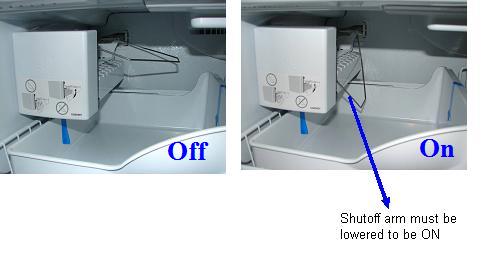
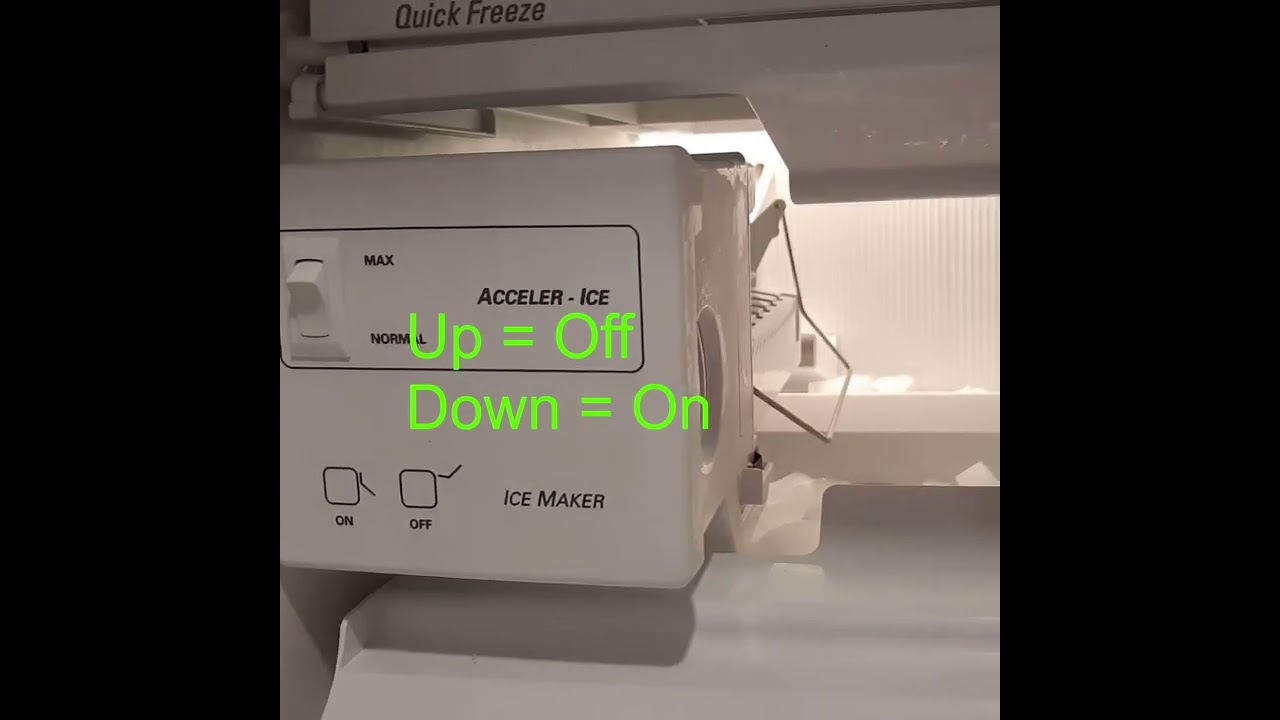
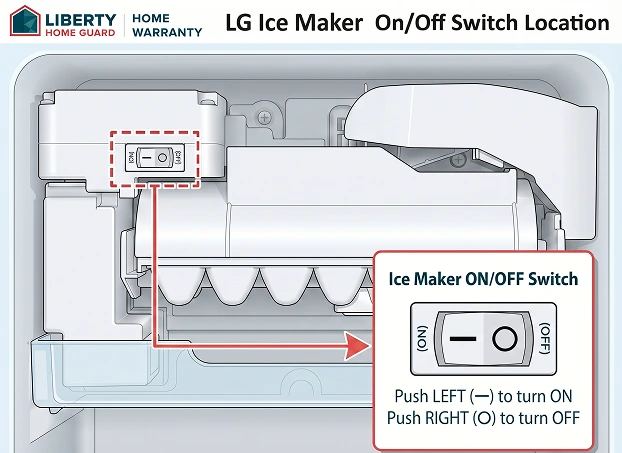
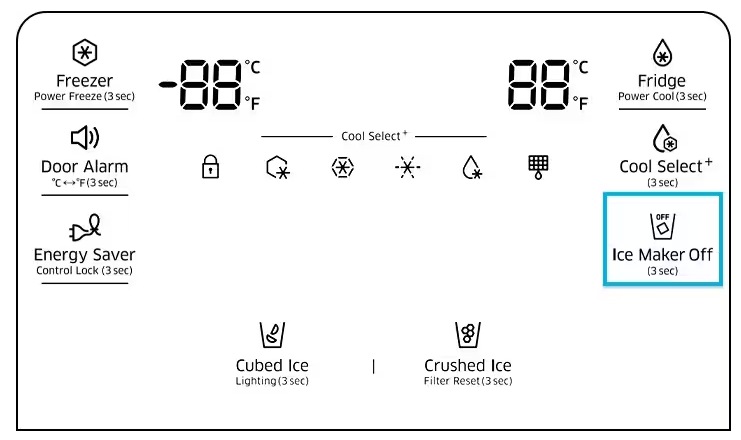
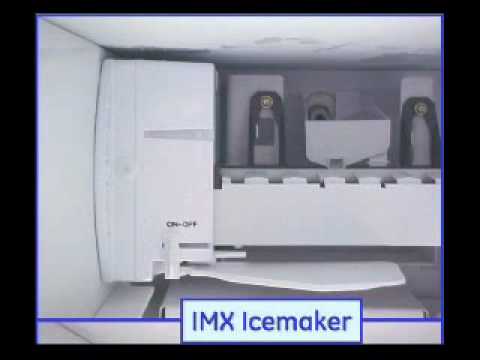
The method depends on the refrigerator design. Common controls include a wire shutoff arm, a sliding switch, or a digital setting on the control panel.
Wire shutoff arm
Lift the metal arm until it locks in the raised position. On many models, the raised arm means the ice maker is off.
Do not force the arm. If it feels stuck, ice may be blocking the mechanism. Remove loose ice only after turning off the appliance control, and never use a sharp tool near the ice mold or water line.
Manual switch
Some ice makers have an on/off switch near the ice bin. Move it to the off position and confirm that the status light or display changes.
Electronic controls
Newer refrigerators may use a touch screen or menu setting. Look for “Ice Maker,” “Ice Making,” or a similar option. After changing the setting, confirm the display shows that ice production is disabled.
If you cannot identify the control, check the owner’s manual. Refrigerator designs vary, and some models use a separate freezer control.
How to Turn an Ice Maker Back On
To restart the ice maker, lower the wire arm, move the switch to on, or select the ice-making option on the control panel. Make sure the water supply is open and the filter is installed correctly.
Do not expect ice right away. Many ice makers need several hours to freeze the first batch. A warm freezer, recently replaced filter, or empty water line may delay production.
If the ice maker on or off control does not seem to work, check these points:
• The freezer is at or below the recommended temperature.
• The water supply valve is open.
• The water filter is installed correctly.
• The ice bin is seated properly.
• The shutoff arm can move freely.
• The refrigerator has power.
If the unit still does not make ice after a full day, the water inlet valve, fill tube, thermostat, or control board may need service. Unplug the appliance before inspecting parts, and use a qualified technician for electrical or sealed-system repairs.
Common Problems Caused by Leaving the Ice Maker On
Leaving the ice maker on is normally safe when the appliance works correctly. Problems often occur when the ice maker is ignored for long periods.
Ice clumps together
Ice may melt slightly when the door opens often. It can then refreeze into a block. Empty the bin, wash it with warm water, dry it fully, and restart ice production.
Ice tastes or smells bad
Ice absorbs odors from uncovered food. Old filters can also affect taste. Store food in sealed containers and replace the filter based on the maker’s instructions.
The ice maker makes noise
A brief hum, click, or harvest sound can be normal. Loud grinding, repeated buzzing, or clicking without water may signal a blocked fan, frozen fill tube, weak water supply, or failing motor.
Water leaks
A loose filter, cracked tube, poorly fitted connection, or damaged valve can cause leaks. Turn the ice maker off and close the water supply until the source is found.
The bin overfills
Most units have a shutoff sensor or arm. If the bin overfills, check whether the arm is blocked by ice or whether the bin is sitting incorrectly. Persistent overfilling may require professional repair.

Cleaning and Maintenance Tips
A clean ice maker produces better-tasting ice and reduces the chance of clumps, odors, and mold growth. The ice bin should be cleaned when it looks dirty or at least several times each year in a busy household.
Use this simple process:
-
Turn the ice maker off.
-
Remove the ice bin and discard the ice.
-
Wash the bin with mild dish soap and warm water.
-
Rinse it well.
-
Dry it completely before replacing it.
-
Wipe nearby surfaces with a clean, damp cloth.
-
Turn the ice maker back on.
Do not use harsh chemicals unless the manufacturer approves them. Do not place a wet bin back into the freezer because water can freeze it in place.
Replace the refrigerator water filter on the schedule listed by the manufacturer. Filter life varies based on water quality and use. A clogged filter can slow production and may reduce water flow.
Ice Maker On or Off: Mistakes to Avoid
Small mistakes can create large problems. The most common one is leaving the ice maker on after shutting off the home’s water supply.
Avoid these errors:
• Do not run the ice maker with a closed water valve.
• Do not chip ice with a knife or screwdriver.
• Do not wash a cold glass ice bin with very hot water.
• Do not ignore a slow leak.
• Do not assume every sound means the unit is broken.
• Do not store ice for months without checking its smell and texture.
• Do not force a stuck shutoff arm.
One mistake I often see in household appliance use is focusing only on whether the ice maker is making ice. The water line, filter, freezer temperature, and door seal matter just as much. Think of the system as a small team: if one part struggles, the whole ice maker may slow down.
PAA-Style Answers About Ice Maker On or Off
Is it better to leave the ice maker on all the time?
It is fine to leave the ice maker on if you use ice often and the water supply is connected. Turn it off when the bin will sit unused for several days or when you leave home.
Does turning off the ice maker save money?
Turning off the ice maker may save a small amount of energy, especially when you rarely use ice. The savings are usually modest because the refrigerator and freezer use most of the appliance’s energy.
Can an ice maker run without water?
Some models may keep trying to cycle without water, while others will stop. To avoid noise or possible stress on the water valve, turn the ice maker off when the water supply is disconnected.
Frequently Asked Questions About Ice Maker On or Off
Should I turn off my ice maker when I go on vacation?
Yes, turn it off before a long trip. Remove the ice and close the water supply valve if possible, especially if your refrigerator has a history of leaks.
How long can ice sit in an ice maker?
Ice can remain frozen for a long time, but it may absorb odors and lose quality. For better taste, empty and clean the bin if ice has been sitting unused for several weeks.
Why is my ice maker not making ice after I turn it on?
The freezer may need several hours to reach the correct temperature. Also check the water valve, filter, shutoff arm, and ice bin position.
Does turning the ice maker off stop the water dispenser?
Usually, no. Many refrigerators have separate controls for the ice maker and water dispenser, but some models may link their functions. Check your manual for model-specific details.
What temperature should the freezer be for ice making?
A freezer temperature near 0°F (−18°C) is widely recommended for safe food storage and reliable ice production. A warmer freezer may make ice slowly or produce soft cubes.
Should I turn off the ice maker when the bin is full?
Most automatic ice makers stop when the bin is full. You do not need to turn them off each time, but switching the unit off can help when the ice will not be used soon.
Can an ice maker cause a water leak?
Yes. Leaks may come from the filter, water line, inlet valve, or connection behind the refrigerator. Turn the ice maker off and shut off the water supply if you see water near the appliance.
Conclusion
For everyday use, keeping the ice maker on is convenient and normally safe. Turn it off during vacations, water shutoffs, cleaning, repairs, or long periods when you do not need ice. Keep the freezer near 0°F, maintain the filter, watch for leaks, and clean the bin regularly.
The right ice maker on or off choice is simple: match the setting to your habits and inspect the system before leaving home. Follow these steps to protect your refrigerator, improve ice quality, and avoid preventable water damage. Share your own ice maker tips or explore more refrigerator care guides for practical ways to keep your kitchen running smoothly.