
A dual ice maker makes two types of ice, often storing them in separate bins for more choice and convenience.
If you enjoy cold drinks, host often, or dislike running out of ice, learning what is a dual ice maker can help you choose the right appliance. A dual ice maker may produce two ice shapes, use two ice-making systems, or combine a freezer ice maker with a second unit in the refrigerator door. The details vary by model, so understanding how each design works is the key to buying wisely.
What Is a Dual Ice Maker?
A dual ice maker is an appliance or refrigerator feature that makes two kinds of ice or produces ice through two separate ice-making sections. The goal is to give you more ice, more shape choices, or both.
For example, one section may make standard crescent ice while another makes small, round nugget ice. Some refrigerators make regular ice in the freezer and smaller ice in the door dispenser. Other models use two separate bins for the same type of ice, which helps increase storage.
The phrase “dual ice maker” does not describe one fixed design. It is a broad product term. Always check the product details before buying because one brand’s dual ice maker may work differently from another brand’s model.

<figcaption style=”font-size: 14px; color: #555; margin-top: 8px;”>
Source: youtube.com
How Does a Dual Ice Maker Work?
A dual ice maker uses water, a cooling system, and one or more ice-making chambers. Water flows into a mold or freezing cylinder. The system then cools the water until it becomes ice.
Once the ice forms, a heating cycle or mechanical arm helps release it. The ice falls into a storage bin, where it stays cold until you scoop it out or use the dispenser.
A dual ice maker may use one of these setups:
• Two ice trays inside one freezer compartment
• Two separate ice-making units in one refrigerator
• A freezer ice maker plus a door-mounted ice maker
• Two ice makers that create different ice shapes
• Two ice bins that increase total ice storage
Many units still share one water line and one cooling system. More advanced models may have separate controls, sensors, and water paths.
The ice-making cycle is automatic. Sensors check the ice level and tell the system when to stop making ice. When the level drops, the machine starts again.
Common Types of Dual Ice Makers
Not every dual ice maker offers the same user experience. Knowing the main types makes product pages much easier to understand.
Two ice shapes
This type makes two different forms of ice. A common combination is hard, slow-melting cubed ice and soft nugget ice.
Cubed ice works well in:
• Iced tea
• Water bottles
• Cocktails
• Coolers
• Large beverage pitchers
Nugget ice is soft and easy to chew. Many people enjoy it in soda, lemonade, and fountain-style drinks.
Two ice-making compartments
Some models have two separate ice makers inside the same appliance. Each section may have its own ice bin and control.
This design can produce more ice than a single system. It may suit a large family or someone who hosts parties often.
Freezer and door ice makers
Some French-door refrigerators place one ice maker in the freezer and another in the refrigerator door. The freezer unit often makes larger ice, while the door unit makes smaller pieces for quick dispensing.
This setup gives easy access to ice without opening the freezer. However, the door compartment may be smaller and may need more frequent emptying.
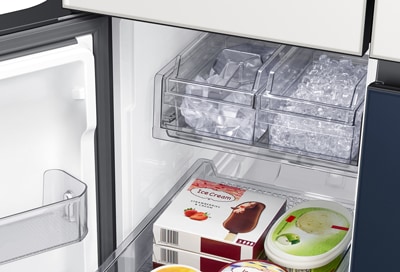
Two ice bins
A few appliances use one ice-making system with two storage bins. This setup is useful when you need a large supply of ice but do not need two ice types.
It is important to note that two bins do not always mean two ice makers. Read the specifications carefully to avoid confusing extra storage with separate production.
Benefits of a Dual Ice Maker
A dual ice maker can add real value, but its benefits depend on how you use your kitchen.
More ice for busy homes
A standard ice maker may struggle during a family gathering. A dual ice maker can refill faster or store more ice, which reduces the need for emergency trips to the store.
This extra supply helps during:
• Summer cookouts
• Birthday parties
• Holiday meals
• Sports events
• Large family dinners
More ice choices
Different drinks work better with different ice. Large cubes melt slowly, while small or soft ice cools drinks quickly and feels pleasant to chew.
Having two ice styles gives you more control. You can use one type for a whiskey drink and another for a soda or smoothie.
Better access
A door-mounted ice maker can save time. You do not need to bend down or open the freezer each time you fill a glass.
This small feature can matter a lot for older adults, people with limited mobility, or anyone who uses ice many times each day.
Less dependence on bagged ice
A reliable dual ice maker can reduce the need to buy bags of ice. This may save money over time, although the savings depend on the appliance price, water use, electricity use, and maintenance needs.
Useful backup capacity
If one section stops working, the second section may continue making ice. It is not a guarantee, but it can provide helpful backup while you arrange service.
Limitations and Problems to Consider
A dual ice maker is useful, but it is not perfect. More parts can also mean more points that may need cleaning or repair.
Higher purchase price
Refrigerators and countertop machines with two ice systems often cost more than basic models. You are paying for extra hardware, controls, storage, and cooling capacity.
Think about how often you use ice. If you only use a few cubes each day, a dual ice maker may not provide enough value to justify the added cost.
More cleaning
Ice can absorb odors from the freezer or storage bin. Moist areas can also collect residue if they are not cleaned.
Clean the bins and removable parts according to the user manual. Never use harsh chemicals unless the manufacturer says they are safe for food-contact surfaces.
Possible noise
Fans, pumps, valves, and motors may create sound during the ice-making cycle. Two systems can produce more frequent noise than one.
Most modern appliances are designed to operate quietly, but no ice maker is completely silent. Listen to a display model if noise matters to you.
Space loss
A second ice maker or larger ice bin takes up room. In a refrigerator, this may reduce freezer or door storage.
Measure the interior space, not only the outside dimensions. A model may fit in your kitchen but still leave too little room for frozen food.
Water and filter needs
Most plumbed-in models need a water connection. They may also require a replacement water filter.
A clogged filter can slow production and affect taste. Follow the maker’s filter schedule, but replace it sooner if your water has a strong smell, visible particles, or heavy mineral content.

Dual Ice Maker vs. Single Ice Maker
The main difference is production, choice, or storage.
A single ice maker usually makes one type of ice through one system. It is simpler, often cheaper, and easier to maintain.
A dual ice maker may offer:
• Two ice shapes
• Higher ice output
• Two storage bins
• Better access
• A backup ice source
The best choice depends on your routine. A single ice maker may be enough for a small household. A dual ice maker makes more sense if you use lots of ice or want both regular and nugget ice.
Do not assume that “dual” means twice the output. Some models have two sections but modest production rates. Check the manufacturer’s daily ice-production estimate and remember that real output can change with room temperature, water temperature, and how often you open the appliance.

What to Look for When Buying a Dual Ice Maker
Start with your daily ice needs. Then compare the features that affect comfort, cost, and upkeep.
Ice type
Choose the ice shape that fits your drinks. Hard cubes last longer in a cooler, while nugget ice is soft and easy to chew.
Production rate
Look for the estimated pounds of ice made per day. Treat this number as a guide, not a promise. Production often drops in a warm room or when the unit lacks proper airflow.
Storage capacity
Production and storage are different. A machine may make a lot of ice but hold only a small amount.
Check both figures. A large family may need high production and a large bin.
Water connection
Some units connect to a home water line. Others need a reservoir that you fill by hand.
A water-line model is convenient but requires installation. A reservoir model is easier to place but needs regular filling.
Size and ventilation
Measure the width, depth, and height. Leave the clearance recommended by the manufacturer.
Countertop units need airflow around the sides and back. Blocking the vents can reduce performance and shorten the life of the cooling system.
Controls and sensors
Useful controls may include:
• Ice-size selection
• Separate on and off switches
• Full-bin sensors
• Cleaning reminders
• Water-level alerts
• Child locks
Smart features can be helpful, but they should not replace basic reliability.
Warranty and service
Check the warranty length and what it covers. Also check whether replacement parts and local service are available.
A low-cost appliance can become expensive if a pump, valve, fan, or control board is hard to replace.
How to Clean and Maintain a Dual Ice Maker
Clean ice-making equipment on a regular schedule. The exact timing depends on use and the manufacturer’s instructions.
Follow these basic steps:
-
Turn off the ice maker and unplug it when the manual requires this.
-
Empty both ice bins and discard old ice.
-
Remove washable trays, scoops, and bins.
-
Wash removable parts with mild dish soap and warm water.
-
Wipe the interior with a clean, damp cloth.
-
Use the approved cleaning solution for the water system.
-
Rinse all parts well so cleaner cannot affect the taste.
-
Dry the parts before putting them back.
-
Replace the water filter when needed.
-
Turn the unit on and discard the first batch if the manual recommends it.
Never store old ice for weeks. Ice can pick up freezer odors and may stick together. I have found that labeling the cleaning date on a small note near the appliance is a simple way to prevent missed maintenance.
Avoid using sharp tools to break up ice jams. A plastic utensil or the method listed in the manual is safer. Metal tools can damage the mold, liner, or dispenser chute.

Practical Tips for Better Ice Production
Small habits can help a dual ice maker work better.
• Keep the freezer at the temperature recommended by the manufacturer.
• Do not pack food against air vents.
• Close the freezer door fully after each use.
• Keep the ice bin below the maximum fill line.
• Use filtered water if your tap water has a strong taste or high mineral content.
• Do not pour warm water into an ice bin.
• Empty and clean the bin if the ice develops an odor.
• Give the unit time to make ice after installation or a power outage.
One common mistake is expecting a new ice maker to fill instantly. Many systems need several hours to reach normal output. The first batches may also be smaller or less consistent while the water and temperature stabilize.
Is a Dual Ice Maker Worth It?
A dual ice maker is worth considering if you use a lot of ice, prefer different ice shapes, or want easier access. It can make daily life smoother, especially during warm weather and social events.
It may not be worth the added cost if your household uses little ice. In that case, a dependable single ice maker may offer better value and fewer maintenance tasks.
Before buying, compare the full cost. Include the purchase price, installation, filters, electricity, cleaning supplies, and possible repairs. The best appliance is not always the one with the most features. It is the one that fits your habits without creating extra work.
Frequently Asked Questions About What Is a Dual Ice Maker
What is a dual ice maker in a refrigerator?
A dual ice maker in a refrigerator is a setup that produces ice in two sections or through two separate systems. It may make two ice types, increase production, or provide two storage bins.
Does a dual ice maker make two kinds of ice?
Some dual ice makers make two kinds of ice, such as cubed and nugget ice. Others make the same type of ice in two compartments, so you should check the product specifications.
Does a dual ice maker make ice faster?
It can make ice faster or produce more ice over a full day, but performance varies by model. Water temperature, room temperature, freezer settings, and door openings can all affect output.
Does a dual ice maker use more electricity?
A dual ice maker may use more energy because it has extra parts or runs more often. The actual amount depends on the design, insulation, usage, and energy rating.
How often should a dual ice maker be cleaned?
Many households should clean a dual ice maker every few months, but heavy use may require more frequent cleaning. Always follow the cleaning schedule and products listed in the user manual.
Can one side of a dual ice maker stop working?
Yes, one ice-making section can fail while the other still works. A blocked water line, frozen fill tube, faulty sensor, dirty filter, or mechanical problem may cause the issue.
Conclusion
A dual ice maker is designed to offer more ice, more convenience, two ice types, or extra storage. Some models use two separate makers, while others combine a freezer unit with a door dispenser or use two bins.
The right choice depends on your ice habits, available space, budget, and willingness to clean and maintain the appliance. Compare ice type, production rate, storage capacity, water needs, noise, warranty, and service options before you buy. Explore reliable models, read the manual before installation, and share your ice-making questions or experiences in the comments.