
An ice maker in a refrigerator freezes water, releases the ice, and refills itself through a simple timed cycle.
Understanding how does an ice maker in a refrigerator work can make small problems much easier to solve. The system uses a water valve, ice mold, thermostat, motor, and control arm to turn ordinary tap water into ready-to-use ice. Once you know what each part does, strange noises, small batches, and slow ice production become less confusing.
How does an ice maker in a refrigerator work?
The simplest answer is that an ice maker fills a mold with water, freezes it, warms the mold slightly, and pushes the cubes into a storage bin. Then, it starts the cycle again.
Here is how does an ice maker in a refrigerator work in a typical top-freezer or side-by-side model:
- The ice maker signals for water.
- An electric water inlet valve opens.
- Water flows through a small fill tube.
- The ice mold holds the water as it freezes.
- A thermostat checks when the ice is solid.
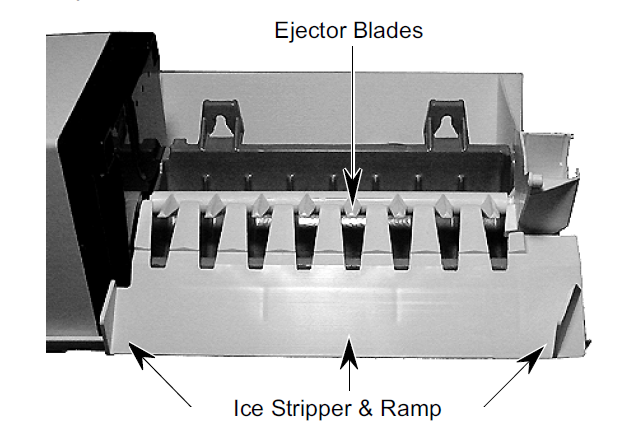
- A small motor turns ejector fingers.
- A heater loosens the cubes from the mold.
- The cubes fall into the ice bin.
- A shutoff arm or sensor stops production when the bin is full.
Think of the ice maker as a tiny automated factory. It has a water station, a freezer chamber, a release system, and a storage area. The refrigerator does not make ice by simply “freezing water harder.” It follows a controlled sequence.
Most household ice makers use a mechanical timer or electronic control board. The exact design varies by brand, but the basic process remains much the same.

The main parts inside a refrigerator ice maker
Knowing the parts helps you understand how does an ice maker in a refrigerator work and why it may stop making ice. Each part has a specific job.
Ice mold
The ice mold is the tray that holds the water. It is often made from plastic or coated metal and has several cube-shaped sections.
Some newer models use flexible molds or special shapes. The mold may also include a built-in thermostat that measures its temperature.
Water inlet valve
The water inlet valve controls the flow of water into the ice maker. When it receives a signal, it opens for only a few seconds.
A weak valve may allow too little water into the mold. A valve that does not close well may cause leaks or oversized ice.
Fill tube
The fill tube directs water from the inlet valve into the mold. If the tube freezes, water cannot enter the ice maker.
This is a common problem in refrigerators with low water pressure, a faulty valve, or a temperature issue near the freezer compartment.
Thermostat or temperature sensor
The thermostat tells the ice maker when the water has frozen. Most ice makers wait until the mold is cold enough before starting the harvest cycle.
If the sensor fails, the ice maker may stop, run too soon, or leave ice stuck in the mold.
Ejector motor and gear
A small motor turns a gear or set of ejector fingers. These fingers push the finished cubes out of the mold.
The motor is not very powerful, so cubes that are frozen together can block the system.
Mold heater
Many ice makers use a small heater during the harvest cycle. The heater warms the mold surface just enough to loosen the ice.
It does not melt the entire batch. It only creates a thin layer of water between the cubes and the mold.
Shutoff arm or bin sensor
A metal arm rises when the ice bin fills. Some newer models use an optical or electronic sensor instead.
This safety feature prevents the ice maker from producing more ice than the bin can hold.

The ice-making cycle, step by step
The best way to understand how does an ice maker in a refrigerator work is to follow one complete cycle.
1. The ice maker checks for space
When the refrigerator needs more ice, the shutoff arm must be in the down position. A sensor checks that the bin is not full.
If the arm is raised, the ice maker assumes the bin is full and waits.
2. The water valve opens
The control system sends power to the water inlet valve. The valve opens for a short time, often around five to ten seconds.
Water pressure pushes water through the fill tube and into the ice mold. The amount depends on the model and the valve timing.
3. The water freezes
The mold stays inside the cold freezer compartment. Over time, the water freezes into cubes.
A normal freezer should remain near 0°F, although the ice maker may need time to reach its harvest temperature. Opening the freezer often can slow this process.
4. The thermostat starts harvest
When the ice reaches the correct temperature, the thermostat closes or sends a signal to the control board.
The ice maker then begins the harvest cycle. If the thermostat never detects a cold mold, the motor may not start.
5. The mold heater loosens the cubes
The heater turns on for a short period. This warms the mold surface, not the whole ice batch.
That small amount of heat is enough to release the cubes. This is why ice can come out without becoming watery or soft.
6. The ejector fingers push out the ice
The motor turns the ejector fingers through the mold. The fingers sweep the cubes into the ice bin.
The motor then returns to its starting position. On some designs, this movement also triggers the next water fill.
7. The ice maker refills
After the cubes leave the mold, the water valve opens again. A fresh batch of water enters the empty mold.
The cycle continues until the shutoff arm rises or the electronic sensor detects a full bin.

How long does a refrigerator ice maker take?
A typical refrigerator ice maker may need about 90 minutes to two hours for one cycle. The exact time depends on the freezer temperature, water pressure, room temperature, model design, and how often the door opens.
A new refrigerator may take 12 to 24 hours to produce a full supply of ice. Many manufacturers advise discarding the first few batches because they may contain dust or harmless manufacturing residue.
These factors can slow ice production:
• Freezer temperature above 0°F
• Frequent freezer door openings
• A clogged water filter
• Low household water pressure
• A partially frozen fill tube
• A nearly empty or incorrectly installed filter
• A large amount of warm food added to the freezer
• A dirty condenser or poor airflow around the refrigerator
One practical lesson from refrigerator testing is that people often judge the ice maker too soon. A machine may be working correctly but still need several hours to build a full bin.
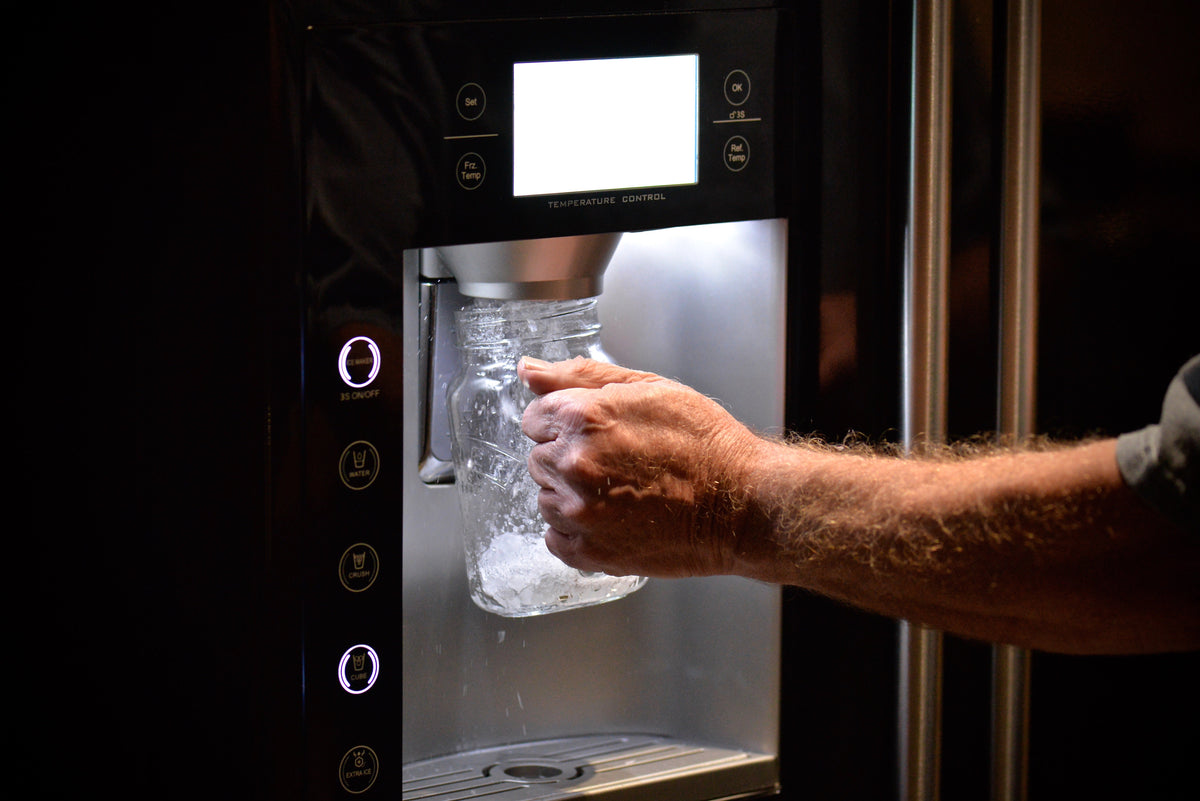
What controls the amount and shape of the ice?
The water fill time controls the size of the cubes. More water creates larger cubes, while less water creates smaller ones.
Water pressure also affects cube size. If pressure is low, the valve may open normally but deliver too little water. This can create hollow cubes or thin pieces.
The shape of the ice depends on the mold. Standard refrigerator ice makers produce small crescent, square, or half-moon cubes. Some premium models make clear ice by freezing water in layers and moving air bubbles away from the center.
Clear ice systems work differently from basic freezer ice makers. They usually need more time, more sensors, and a dedicated process to reduce trapped minerals and air.
Why is the ice maker not making ice?
When an ice maker stops, check simple causes before replacing expensive parts. The problem is often related to water flow, temperature, or the shutoff control.
Use this basic troubleshooting order:
- Check that the ice maker is turned on.
- Make sure the shutoff arm is down.
- Confirm that the freezer is cold enough.
- Check whether the water dispenser works.
- Inspect the water filter and replace it if needed.
- Look for ice blocking the fill tube.
- Check that the refrigerator is connected to the water supply.
- Remove clumped ice from the bin.
- Reset the ice maker if the manual provides a reset procedure.
Do not chip at frozen parts with a knife. A sharp tool can damage the mold, wiring, or plastic liner. Instead, use a safe manual defrost method recommended by the manufacturer.
If the water dispenser works but the ice maker does not, the issue may be the ice maker motor, thermostat, control board, or fill tube. If neither works, suspect the filter, supply line, inlet valve, or household water pressure.
Why does the ice maker make small or hollow cubes?
Small or hollow cubes usually point to a water supply problem. The mold is not receiving enough water during the fill period.
Start with the water filter. A clogged filter can reduce flow, especially when it has not been replaced for many months. Always use the filter type approved for your refrigerator.
Next, inspect the supply line behind the refrigerator. A sharp bend can restrict water flow. Also check the home water supply valve and make sure it is fully open.
If the flow looks normal but the cubes remain small, the water inlet valve may be weak. A qualified appliance technician can test the valve and verify the water pressure.
Why does ice freeze together in the bin?
Ice cubes can stick together when the bin is warm, when the door is opened often, or when the ice sits unused for a long time. Small amounts of melting and refreezing create a solid mass.
A faulty ice maker can also overfill the bin or leak water. This creates large clumps and may damage the dispenser mechanism.
To prevent this problem:
• Empty and clean the ice bin regularly.
• Break apart clumps with your hands or a plastic utensil.
• Keep the freezer door closed as much as possible.
• Do not store food against the ice maker.
• Use the ice maker often if your household needs fresh ice.
Never pour hot water into the bin. Sudden heat can crack plastic parts or damage the refrigerator.
Is refrigerator ice safe to use?
Ice from a clean, properly maintained refrigerator is normally safe to use. However, the ice can pick up odors from uncovered food, a dirty ice bin, or an overdue filter.
Wash the ice bin with warm water and mild dish soap. Rinse it well and let it dry before putting it back. Avoid strong cleaners unless the manufacturer specifically approves them.
Replace the water filter on the schedule listed in the refrigerator manual. Filter life varies by model and water quality, so a home with hard water may need more frequent service.
The ice maker itself may not kill harmful germs. Clean water, a clean bin, and good refrigerator maintenance are still important.
Energy use and maintenance tips
An ice maker adds a small amount of energy use because it freezes water and occasionally warms the mold. The exact amount depends on the refrigerator, ice demand, freezer temperature, and design.
Good maintenance helps the system work efficiently:
• Keep the freezer near 0°F.
• Replace the water filter on time.
• Clean the ice bin every few months.
• Keep refrigerator coils and vents free of dust.
• Make sure the freezer door seals tightly.
• Do not block air vents with food.
• Turn off the ice maker during long periods away from home.
A worn door gasket can affect more than food storage. Warm air entering the freezer makes the ice maker work longer and may lead to slow or wet ice.
Common mistakes to avoid
Many ice maker problems come from simple mistakes rather than major failures.
Avoid these habits:
• Leaving the shutoff arm in the raised position.
• Using a filter that does not fit correctly.
• Ignoring a frozen fill tube.
• Packing food tightly around the ice maker.
• Keeping old, clumped ice in the bin.
• Using a knife to remove stuck ice.
• Resetting the machine repeatedly without finding the cause.
• Adjusting freezer controls far below the recommended setting.
A reset can clear a temporary control error, but it will not repair a bad valve or broken motor. If the ice maker repeatedly fails after a reset, proper diagnosis is the better next step.
Frequently Asked Questions about how does an ice maker in a refrigerator work
How does an ice maker in a refrigerator know when the ice is frozen?
A thermostat or temperature sensor checks the temperature of the ice mold. When the mold becomes cold enough, the control system starts the harvest cycle.
How does an ice maker in a refrigerator stop when the bin is full?
Most models use a shutoff arm or electronic sensor. When the bin reaches the correct level, the system stops the water fill and harvest cycle.
How does an ice maker in a refrigerator get water?
A small electric inlet valve opens when the ice maker sends it a signal. Water then travels through a supply line and fill tube into the ice mold.
How does an ice maker in a refrigerator release the cubes?
A short heater loosens the cubes from the mold. An ejector motor then pushes the cubes into the storage bin.
Why does how does an ice maker in a refrigerator work differently by model?
Basic models use mechanical timers and thermostats, while newer models may use electronic controls, optical sensors, and special clear-ice systems. The goal is the same, but the control method and ice-making time can vary.
Can an ice maker work without a water filter?
Some refrigerators can operate without a filter, while others require a filter or bypass plug. Check the owner’s manual because running without the correct setup may reduce water flow or cause leaks.
Conclusion
An ice maker in a refrigerator works through a simple but carefully timed process. It fills a mold, freezes the water, loosens the cubes with gentle heat, ejects them into a bin, and repeats the cycle until the bin is full.
The most important parts are the water valve, fill tube, thermostat, heater, motor, and shutoff sensor. When ice production slows, check temperature, water flow, filter condition, and the shutoff arm before assuming the unit needs replacement.
With regular cleaning and basic maintenance, your refrigerator ice maker can work reliably for years. Use these steps to troubleshoot your machine, then consult the manufacturer’s manual or a qualified technician when electrical or sealed components need service.