
Clean a GE Opal ice maker by draining it, running the cleaning cycle, rinsing it, and drying every removable part.
A GE Opal ice maker can make clear, crunchy nugget ice, but it also holds water in small channels, a reservoir, and an ice bin. That moisture can lead to slime, scale, odors, and slow ice production if you skip routine care. This guide explains how to clean a GE Opal ice maker safely, including the cleaning cycle, hand-washing steps, sanitizing tips, and common mistakes to avoid.
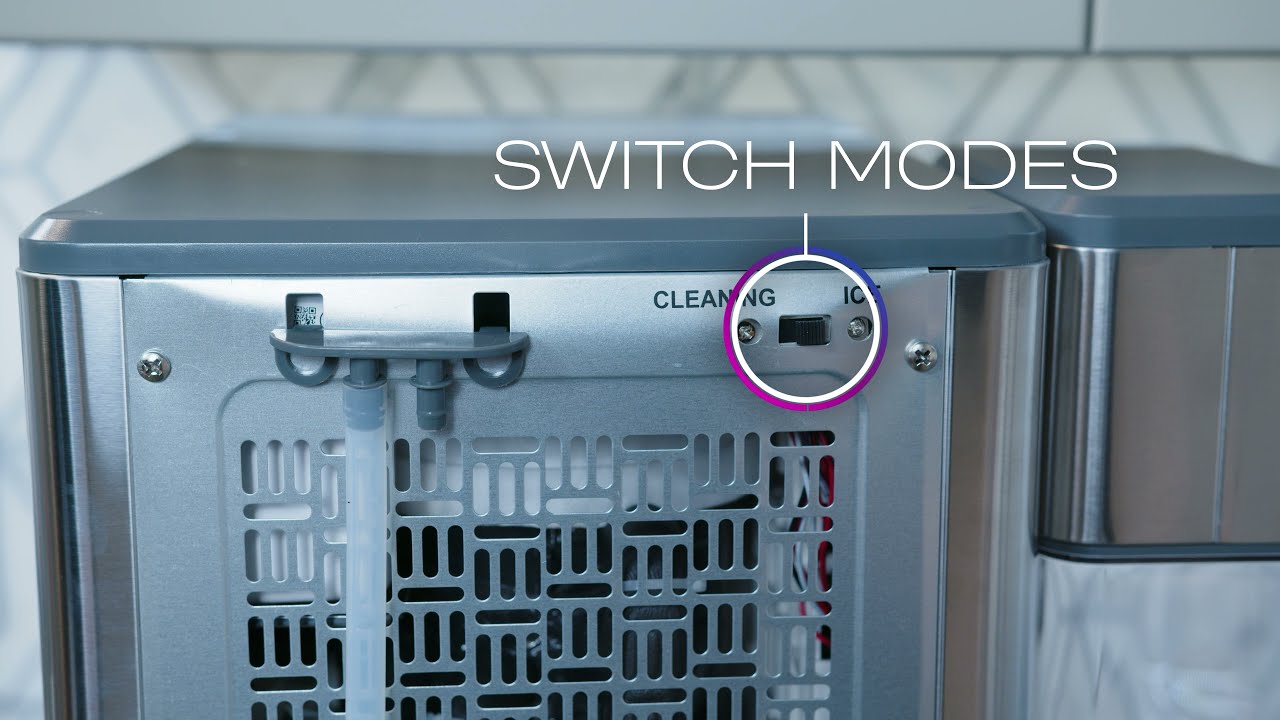
Why you should clean a GE Opal ice maker
Regular cleaning keeps your ice fresh and helps the machine work as designed. Water minerals can build up inside the system, while dust and germs may collect on the bin, scoop, and lid.
A dirty ice maker may show clear warning signs:
• Ice smells strange or tastes stale
• Ice looks cloudy or has small particles
• The machine makes less ice than usual
• The ice melts faster than expected
• The water reservoir feels slimy
• The unit makes unusual sounds
• The cleaning light appears on the control panel
Cleaning does more than improve taste. It also helps protect the water path, auger, ice chute, and internal parts from buildup. However, cleaning cannot repair a damaged pump, blocked drain, or failing sensor.
Most homes should clean a GE Opal ice maker at least once a month. Clean it sooner if you use hard water, notice a smell, or leave the machine unused for more than a few days.

What you need before cleaning
Gather your supplies before you start. The process is simple, but having everything ready helps you avoid rushing or leaving parts wet.
You will need:
• Clean, soft cloths
• Warm water
• Mild dish soap
• A soft bottle brush or small cleaning brush
• A clean towel
• Household bleach, only if your model’s manual allows it
• Fresh drinking water for rinsing
A GE Opal cleaning kit can also help with mineral deposits and internal buildup. Use a cleaner made for ice makers, and follow its label closely.
Avoid abrasive pads, steel wool, scouring powder, and harsh bathroom cleaners. These products can scratch plastic parts or leave unsafe residue. Never mix bleach with vinegar, ammonia, or another cleaner.
Before cleaning, unplug the ice maker if you will remove parts or wipe near electrical connections. Keep water away from the control panel, power cord, and rear vents.
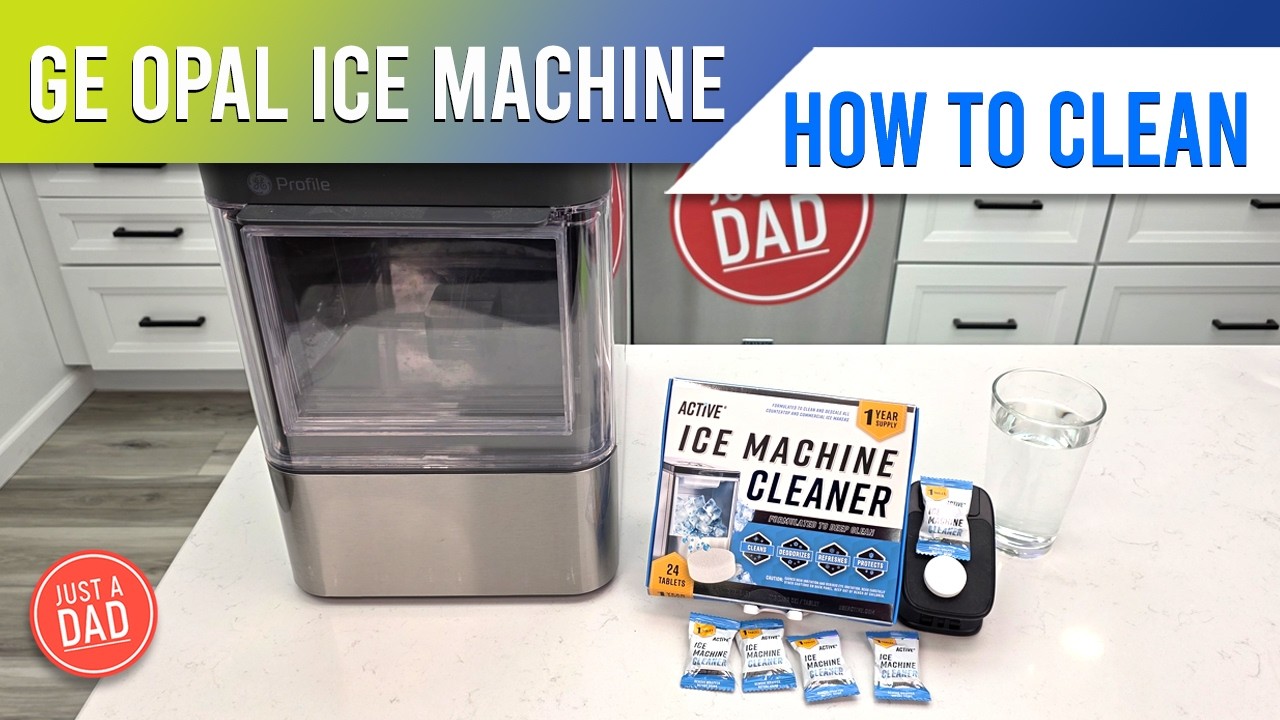
How to clean a GE Opal ice maker step by step
The exact buttons can differ between the Opal 1.0, Opal 2.0, and newer models. Always check your model guide first. The general process below works as a safe starting point for many GE Opal units.
1. Turn off and empty the ice maker
Stop ice production and unplug the machine. Remove the ice bin and discard all ice inside it.
Do not save ice that has a stale smell or has touched a dirty bin. Fresh cleaning starts with an empty system.
Remove the water filter, if your model uses one. Follow the filter label for cleaning or replacement. Many filters are designed for replacement rather than washing.
2. Remove and wash the ice bin
Wash the ice bin with warm water and mild dish soap. Use a soft cloth or sponge to clean the bottom, corners, lid, and ice chute.
Pay close attention to the area where the auger moves the ice. Small bits of ice can melt there and leave a sticky film.
Rinse the bin well. Dry it with a clean towel, then allow it to air-dry fully. A damp bin is like a welcome mat for odors.
3. Clean the ice scoop
Wash the scoop with warm, soapy water. Rinse it well and let it dry before placing it back in the bin.
Do not leave the scoop inside the ice maker while you clean the rest of the unit. It can hide residue and make the scoop harder to sanitize.
4. Drain the water reservoir
Place the unit near a sink or prepare a shallow pan. Open the drain cap or drain plug according to your model instructions.
Let all water flow out. If the water looks cloudy, smells odd, or contains flakes, give the reservoir extra attention during the next steps.
Replace the drain cap before adding cleaning solution. A loose cap can cause water to leak under the machine.
5. Run the built-in cleaning cycle
Many GE Opal models include a cleaning button or cleaning mode. Add the recommended amount of water and cleaning solution shown in your manual.
Some model instructions use a diluted bleach solution for sanitizing. Other models recommend a branded cleaner or a different cleaning method. Do not guess the amount, since too much cleaner may leave residue or damage parts.
Press and hold the Clean button for the time listed in your instructions. The machine may pump water through its internal lines during this cycle.
Let the full cycle finish. Do not unplug the unit while it is working unless the manual tells you to stop it.
6. Drain the cleaning solution
When the cleaning cycle ends, turn off the ice maker and drain the solution completely. Keep the solution away from children, pets, food, and fabric.
Do not make ice with cleaning solution in the system. Drain it before moving to the rinse stage.
7. Rinse the system with fresh water
Fill the reservoir with clean drinking water. Run the cleaning cycle again if your manual recommends a rinse cycle.
Drain the rinse water fully. Repeat the rinse if you can smell cleaner or bleach. The machine should have no chemical odor before you make ice.
This rinse step is one of the most important parts of learning how to clean a GE Opal ice maker. A clean-looking machine is not ready if cleaner remains inside the water path.
8. Wipe the outside
Use a soft cloth dampened with warm water and mild dish soap. Wipe the top, sides, front, controls, and power cord area.
Never pour water directly onto the machine. Keep liquid away from vents and electrical openings.
Dry the outside with a clean cloth. This prevents water spots and reduces the chance of moisture reaching the controls.
9. Reassemble and make a fresh batch
Put the dry ice bin, scoop, filter, and other removable parts back in place. Add fresh water to the reservoir.
Make one batch of ice and discard it if you still notice a cleaner smell or unusual taste. After that, the ice should be ready for normal use.

How to remove mineral scale from a GE Opal ice maker
Hard water can leave white flakes or chalky marks inside the reservoir and water path. This is mineral scale, not mold. It often contains calcium and magnesium from the water supply.
A cleaning cycle may remove light scale. Heavy buildup may need a GE-approved descaling product or a cleaner listed in your model’s manual.
Follow these steps:
- Turn off and drain the machine.
- Add the approved descaling solution and the correct amount of water.
- Run the cleaning cycle for the time listed by the product or manual.
- Drain the solution completely.
- Run one or more fresh-water rinse cycles.
- Inspect the reservoir and ice chute.
- Repeat only if the product instructions allow it.
Do not scrape mineral deposits with a knife or metal tool. Scratches can hold residue and make later cleaning harder.
If scale returns quickly, check your water. A water filter or filtered drinking water may reduce buildup, but it will not remove every mineral. Replace filters on schedule and never use a filter past its rated life.
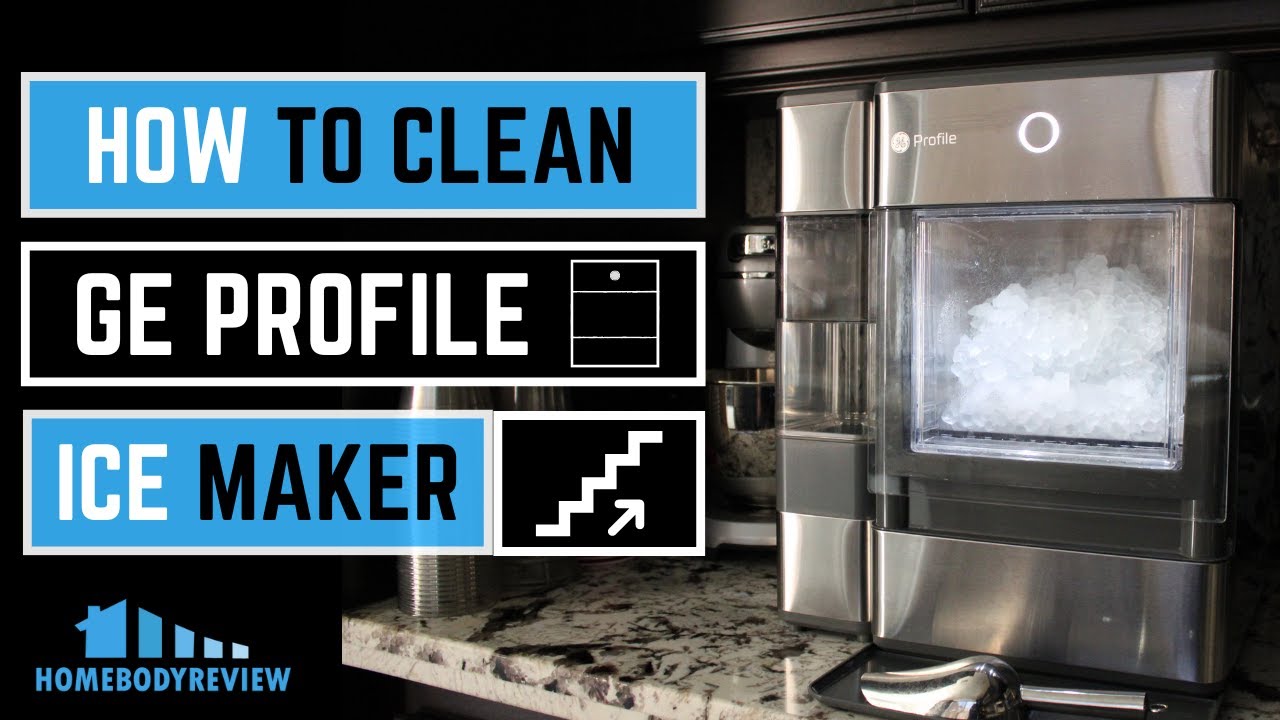
How to sanitize a GE Opal ice maker safely
Cleaning removes dirt and scale. Sanitizing reduces microorganisms after the surfaces are clean. These are related steps, but they are not the same.
Use only the sanitizer and dilution approved for your model. Some GE Opal instructions allow a small amount of regular, unscented household bleach. Scented bleach, splashless bleach, and bleach with extra additives may not be suitable.
Keep these safety rules in mind:
• Never mix bleach with vinegar or ammonia
• Use good airflow while working with sanitizer
• Wear gloves if the product label recommends them
• Measure the solution carefully
• Drain all sanitizer before making ice
• Rinse until no chemical odor remains
• Keep sanitizer away from food and children
Sanitizing is especially useful after long storage, a power outage, visible slime, or a suspected contamination event. If the inside has heavy mold, a strong odor that will not go away, or insect contamination, contact GE support before using the machine again.

How often should you clean a GE Opal ice maker?
A simple schedule makes this task much easier. Waiting for a bad smell usually means buildup has already started.
Use this guide:
• Wipe the bin and scoop weekly
• Wash removable parts every one to two weeks
• Run the full cleaning cycle about once a month
• Descale when you see white flakes or reduced water flow
• Clean before storing the machine
• Clean again before using a stored machine
• Replace the water filter according to its instructions
Homes with hard water may need more frequent descaling. Homes that use the ice maker only on weekends may need less frequent cleaning, but the unit should still be drained between long periods of nonuse.
The best schedule is based on the ice maker’s condition. Taste, smell, visible residue, and ice output are useful clues.
Common mistakes to avoid
Many cleaning problems come from small shortcuts. Avoid these mistakes when learning how to clean a GE Opal ice maker.
Using vinegar without checking the manual
Vinegar is often used for household descaling, but it may not be approved for every GE Opal model. It can also leave a strong odor if the machine is not rinsed well.
Use the cleaner and method listed for your specific model.
Leaving the machine wet
Water trapped in the bin, scoop, or reservoir can create odors. Dry removable parts fully before reassembly.
Cleaning only the ice bin
The bin is easy to see, but the water reservoir and internal lines also need attention. Washing only the bin will not remove buildup inside the machine.
Adding too much bleach
More sanitizer does not mean better cleaning. Too much bleach can leave residue and may damage materials.
Measure carefully and follow the manual.
Making ice before rinsing
Never make ice until the cleaner is fully drained and rinsed away. When in doubt, run another fresh-water rinse cycle and discard the first batch.
Scrubbing plastic with rough tools
A rough pad can leave tiny scratches. Those scratches may trap residue and make the surface harder to clean later.
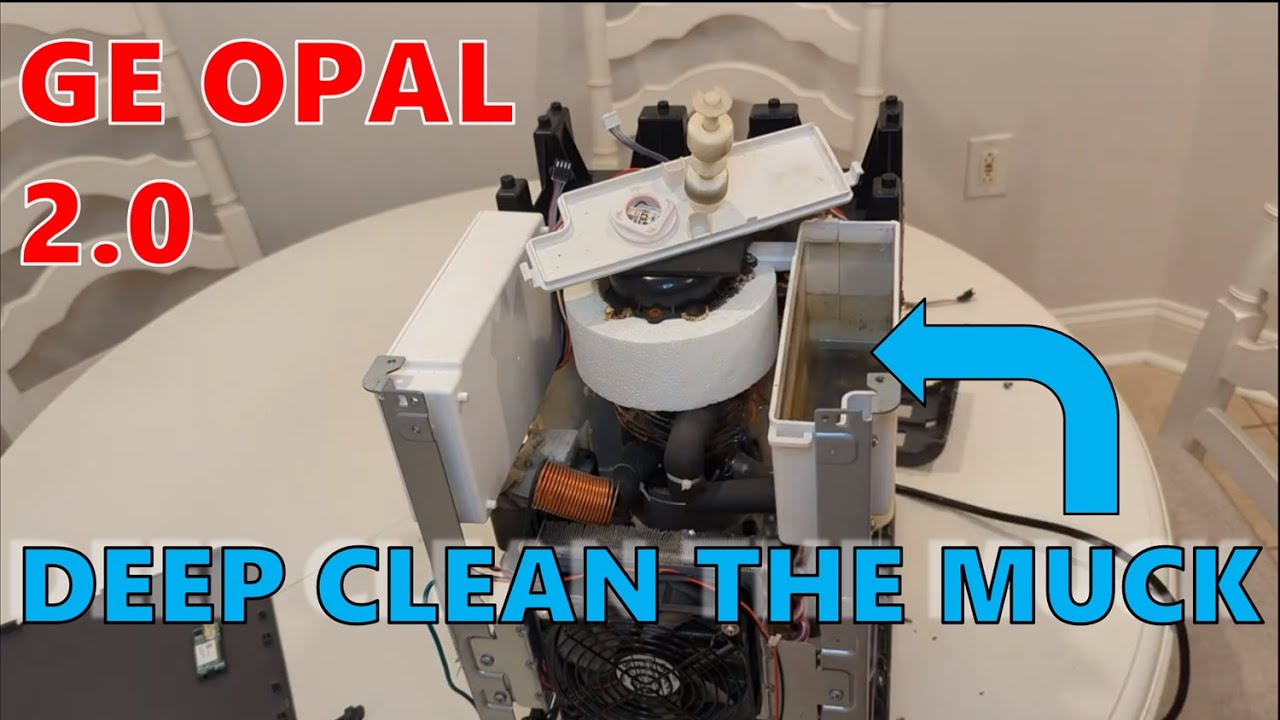
Troubleshooting after cleaning
A properly cleaned GE Opal ice maker should produce normal ice after the reservoir is filled and the unit is turned on. If a problem remains, use these checks.
The ice still smells bad
Drain the water and run another rinse cycle. Wash the bin, scoop, and lid again with mild dish soap.
If the odor remains after several rinses, the water filter may need replacement. A persistent smell can also point to internal contamination or a mechanical issue.
The ice maker does not make ice
Check that the unit is plugged in, the reservoir has enough water, the bin is seated correctly, and the machine is not in a cleaning mode.
Make sure the room is within the temperature range listed in the manual. Very hot rooms can reduce ice production.
White flakes appear in the ice
White flakes often point to mineral scale. Drain the machine and use the approved descaling method.
If flakes continue after descaling, inspect the water filter and contact support. Do not keep drinking the ice until you find the source.
The machine leaks
Check the drain cap, reservoir, bin position, and water level. A loose drain cap or overfilled reservoir can cause leaks.
Unplug the machine if water reaches the power cord or electrical area. Do not use it again until the cause is corrected.
The cleaning light stays on
Run the complete cleaning cycle and follow it with a full rinse. Some models may need the cleaning reminder reset through the control panel or app.
If the light stays on after the correct cycle, check the model guide or contact GE support.
Practical tips for cleaner-tasting ice
Clean water is just as important as a clean machine. Use fresh drinking water and avoid leaving water in the reservoir for long periods.
Keep the ice maker away from strong odors, such as onions, seafood, smoke, and scented cleaners. Ice can pick up nearby odors, especially when the bin lid is open.
Do not touch ice with bare hands. Use the scoop, and wash the scoop often. Also, avoid storing food, cans, or other objects in the ice bin.
One useful lesson from hands-on appliance care is to clean before a problem becomes obvious. A five-minute wipe each week can prevent a much longer deep-cleaning job later.
Frequently asked questions about how to clean a GE Opal ice maker
How often should you clean a GE Opal ice maker?
Clean the bin and scoop weekly, and run the full cleaning cycle about once a month. Use a shorter schedule if you have hard water, see scale, or notice an odor.
Can you use vinegar to clean a GE Opal ice maker?
Only use vinegar if your specific model instructions approve it. If the manual does not list vinegar, use the recommended GE cleaner or approved cleaning method instead.
Can I use bleach to clean a GE Opal ice maker?
Some GE Opal cleaning instructions allow diluted, unscented household bleach for sanitizing. Check your model manual, measure the solution carefully, and rinse the machine until no bleach smell remains.
Why does my GE Opal ice maker smell after cleaning?
The smell may come from cleaner residue, a damp ice bin, an old water filter, or buildup in the water path. Drain the machine, wash the removable parts, and run extra fresh-water rinse cycles.
Should I unplug my GE Opal ice maker before cleaning?
Unplug it before removing parts, wiping near electrical areas, or cleaning the exterior. Follow the model manual when using the built-in cleaning cycle, since some cycles require the unit to remain powered.
Can I wash the GE Opal ice bin in the dishwasher?
Check your model instructions before using a dishwasher. If dishwasher use is not clearly approved, wash the bin by hand with warm water and mild dish soap to prevent warping or damage.
Conclusion
Learning how to clean a GE Opal ice maker is mostly about routine. Empty the bin, wash the removable parts, drain the reservoir, run the approved cleaning cycle, rinse well, and let everything dry before reassembly.
Use the correct cleaner for your model, avoid harsh tools, and never make ice until all cleaning solution is gone. Start a monthly cleaning habit today, then check your owner’s manual for model-specific instructions. If this guide helped, explore more appliance care tips or share your cleaning experience in the comments.