
Filter, cool, and store deep-fryer oil correctly, then reuse it only while it looks, smells, and cooks well.
Learning how to reuse oil from deep fryer can save money and reduce kitchen waste. The key is to treat used oil like a food ingredient with a short life, not like an endless supply. With the right filtering, storage, and safety checks, you can often use the same oil several times without hurting flavor or food quality.
Why Reuse Oil From a Deep Fryer?
Deep-frying oil does not become useless after one cooking session. It changes slowly as heat, water, crumbs, and air affect it. If the oil remains clean and has not overheated, you may be able to reuse it for another batch.
Knowing how to reuse oil from deep fryer also helps lower food costs. A gallon of quality frying oil can be expensive, especially if you cook fried chicken, fish, French fries, or doughnuts often.
Reusing oil has other benefits:
• It reduces household waste.
• It saves money over time.
• It keeps a useful cooking resource out of drains and sewer pipes.
• It can produce good results when used with similar foods.
Still, reuse has limits. Oil breaks down with repeated heating. Old oil can smoke, foam, smell bad, and make food taste stale or bitter.
:max_bytes(150000):strip_icc()/how-do-i-dispose-of-used-cooking-oil-908995_FINAL-5b43902cc9e77c003736f7bc.png)
Is It Safe to Reuse Deep-Fryer Oil?
Yes, reused frying oil can be safe when you handle it carefully. Food safety depends on time, temperature, cleanliness, and storage. Oil that contains food bits or water spoils faster than clean, dry oil.
Many cooking experts suggest reusing oil about two to four times. This is only a general guide. The number of safe uses depends on the oil type, frying temperature, food, and cooking time.
Oil used for battered fish may need to be discarded sooner than oil used for plain potatoes. Fish flavors can remain in the oil, while wet batter creates more crumbs and moisture.
Follow these basic safety rules:
• Turn off the fryer and let the oil cool before handling it.
• Never pour hot oil into a plastic container.
• Keep water away from hot oil because it can cause dangerous splattering.
• Do not mix fresh oil with oil that smells rancid or looks heavily damaged.
• Store filtered oil in a clean, dry, sealed container.
• Keep the oil away from heat, sunlight, and moisture.
A useful safety principle is simple: when the oil seems questionable, do not taste it to test it. Use your eyes and nose instead, then discard it if anything seems wrong.
:max_bytes(150000):strip_icc()/20241205-SEA-FriedPickles-RobbieLozano-HedNote-47-54fd026806d240ab8019bf9575028e14.jpg)
How to Reuse Oil From Deep Fryer: Step-by-Step
The best method for how to reuse oil from deep fryer starts while the oil is still in the fryer. Good timing makes filtering easier and removes more food particles.
1. Let the oil cool
Turn off the fryer and wait until the oil is warm but not hot. Oil can stay dangerously hot for a long time, so do not rush this step.
For most home fryers, waiting several hours is safest. If possible, let the oil cool fully before moving it.
2. Remove large food pieces
Use a slotted spoon or fine skimmer to remove large crumbs. This step prevents burnt bits from passing through the filter and damaging the oil during the next use.
Do not press or squeeze the crumbs into the oil. That can release more food residue.
3. Choose a clean container
Use a dry glass jar, stainless steel container, or food-safe container made for hot liquids. The container should have a tight lid and enough space for the oil.
Avoid containers that held strong-smelling foods. Oil can absorb odors from garlic, spices, cleaning products, or old sauces.
4. Filter the oil
Place a fine-mesh strainer over the container. For better results, line the strainer with a coffee filter, cheesecloth, or several layers of clean paper towel.
Pour the oil slowly. A slow pour gives the filter time to catch crumbs. If the oil is thick, use a fresh filter rather than forcing it through.
5. Let the residue settle
After filtering, check the bottom of the container. If you see a thick layer of dark sludge, pour the clearer oil into another clean container and leave the sediment behind.
This extra step is one of the most useful lessons I have learned from repeated frying. Fine crumbs often settle after filtering, and leaving them behind helps the oil last longer.
6. Label the container
Write the date and the food cooked in the oil on the container. For example, mark it “used for fries, March 10.”
This small habit helps you remember how old the oil is and prevents you from using fish flavored oil for a sweet dessert.
7. Store it properly
Seal the container and store it in a cool, dark place. Refrigeration can extend freshness, but cold oil may become cloudy or thick. It will return to a liquid state at room temperature.
Use the oil within a reasonable period. Many home cooks use filtered oil within a few weeks, while oil stored for months deserves a careful quality check before use.

How to Filter Used Frying Oil
Filtering is the heart of how to reuse oil from deep fryer. Tiny crumbs burn during the next cooking session, and burnt crumbs speed up oil breakdown.
A fine-mesh strainer works well for basic filtering. A coffee filter catches smaller particles, but it takes longer. You can also use a dedicated oil filtering container with a built-in screen.
For very dirty oil, use two filtering stages:
-
Remove large pieces with a slotted spoon.
-
Pour the oil through a fine-mesh strainer.
-
Filter it again through a coffee filter or clean cheesecloth.
-
Transfer the clear oil to a clean, dry container.
Never use a wet filter or damp container. Even a small amount of water can make hot oil splatter during your next frying session.
Some people add gelatin or other clarifying ingredients to used oil. These methods may reduce suspended particles, but they are not necessary for most home kitchens. Simple filtering is easier, safer, and more practical.
How to Tell If Frying Oil Is Still Good
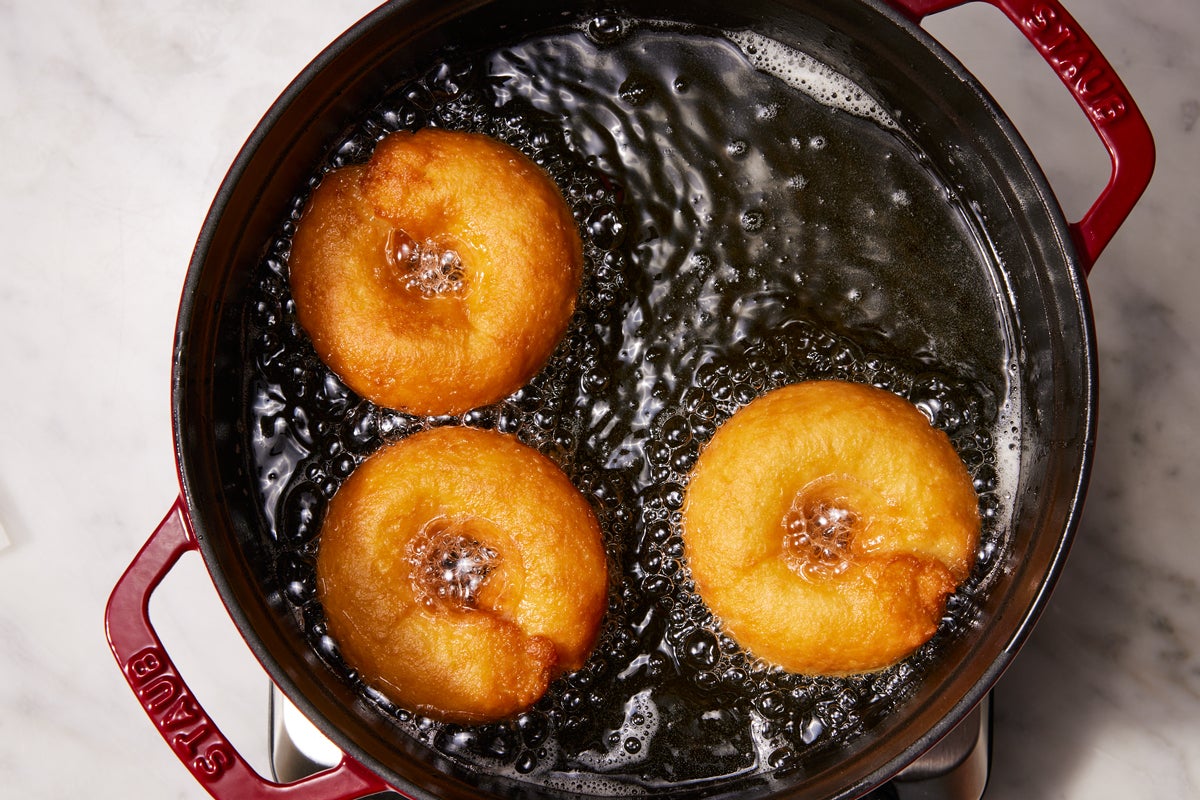
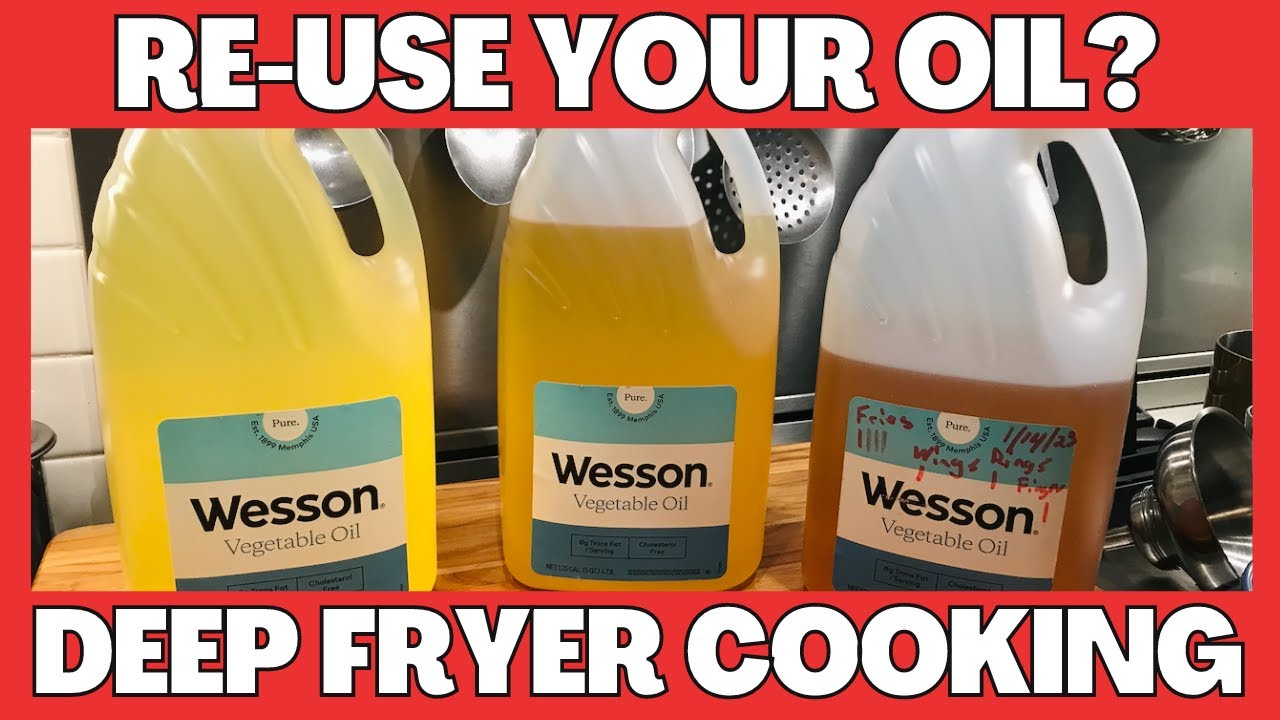
Before reusing oil, inspect it carefully. Fresh oil is usually light and clear, although the exact color depends on the oil and the food.
Discard the oil if you notice:
• A strong rancid, sour, or chemical smell.
• A thick, sticky, or syrup-like texture.
• Heavy foaming during normal heating.
• Smoke at a lower temperature than usual.
• A very dark color combined with a burnt smell.
• Large amounts of sediment.
• A flavor that makes food taste stale or bitter.
Dark color alone does not always mean the oil is bad. Oil used for several batches of food may darken but still work well. Odor, smoke, foam, texture, and cooking performance give a better overall picture.
In my own cooking tests, smell was often the fastest warning sign. If the oil smelled unpleasant before heating, the finished food usually carried that flavor. It is better to lose a little oil than to ruin an entire meal.

Which Foods Should You Fry in Reused Oil?
The best way to reuse oil from deep fryer is to match similar foods. Oil can absorb flavors, colors, and aromas from what you cook.
Good pairings include:
• French fries followed by hash browns.
• Onion rings followed by other savory vegetables.
• Chicken followed by other breaded poultry.
• Doughnuts followed by other sweet fried dough.
Use separate oil for foods with strong flavors. Fish, shellfish, spicy foods, and heavily seasoned meat can affect everything cooked afterward.
Avoid using fish oil for doughnuts or churros. The sweet food may taste like seafood, even if the oil looks clean.
Also consider the type of coating. Loose flour and wet batter create more particles than plain potatoes. Foods with a heavy coating may reduce the oil’s useful life.

How Many Times Can You Reuse Deep-Fryer Oil?
There is no single number that fits every kitchen. In general, clean oil used for dry foods may last several frying sessions. Oil used for wet batter, fish, or heavily seasoned foods may need replacement sooner.
Temperature matters, too. Most deep-frying works well around 350°F to 375°F. Oil that repeatedly reaches its smoke point breaks down faster and develops unpleasant flavors.
You may reuse oil fewer times when:
• The fryer runs too hot.
• Food drops crumbs into the oil.
• You fry wet or frozen food.
• The oil stays heated for long periods.
• The fryer remains uncovered.
• You store the oil near sunlight or a stove.
Think of frying oil like a kitchen sponge. It can do its job several times, but each use fills it with more residue. At some point, cleaning it no longer restores its quality.
Common Mistakes to Avoid
Many problems happen because people rush the cleanup. Avoiding a few simple mistakes can make how to reuse oil from deep fryer safer and more successful.
Pouring hot oil into a container
Hot oil can melt plastic, crack glass, or cause serious burns. Let the oil cool before transferring it.
Leaving food crumbs in the fryer
Small crumbs burn during the next cooking session. Remove them before they become dark and bitter.
Storing oil in an open container
Air, dust, light, and moisture all reduce oil quality. Always use a clean container with a tight lid.
Mixing different types of used oil
Mixing can spread strong flavors through the entire container. It also makes it harder to track the oil’s age and previous use.
Using water to clean oil
Water does not clean frying oil. It creates a serious splatter risk when the oil heats again.
Pouring oil down the drain
Used oil can harden inside pipes and cause clogs. Never flush it through a sink, toilet, or storm drain.
How to Dispose of Old Frying Oil
When oil no longer passes the smell and appearance test, dispose of it responsibly. Let it cool completely, then pour it into a sealed container.
You can use the original oil bottle, a sturdy jar, or a leak-proof container. Do not pour loose oil into a trash bag because it can leak and attract pests.
Check whether your city offers used cooking oil recycling. Some communities collect oil for conversion into biodiesel or other products. Restaurants may also have local recycling options, but ask before bringing household oil to a commercial site.
For small amounts, absorb the cooled oil with paper towels or another absorbent material and place it in the trash. Local rules vary, so follow your waste service instructions.
Extra Tips for Better Frying Oil
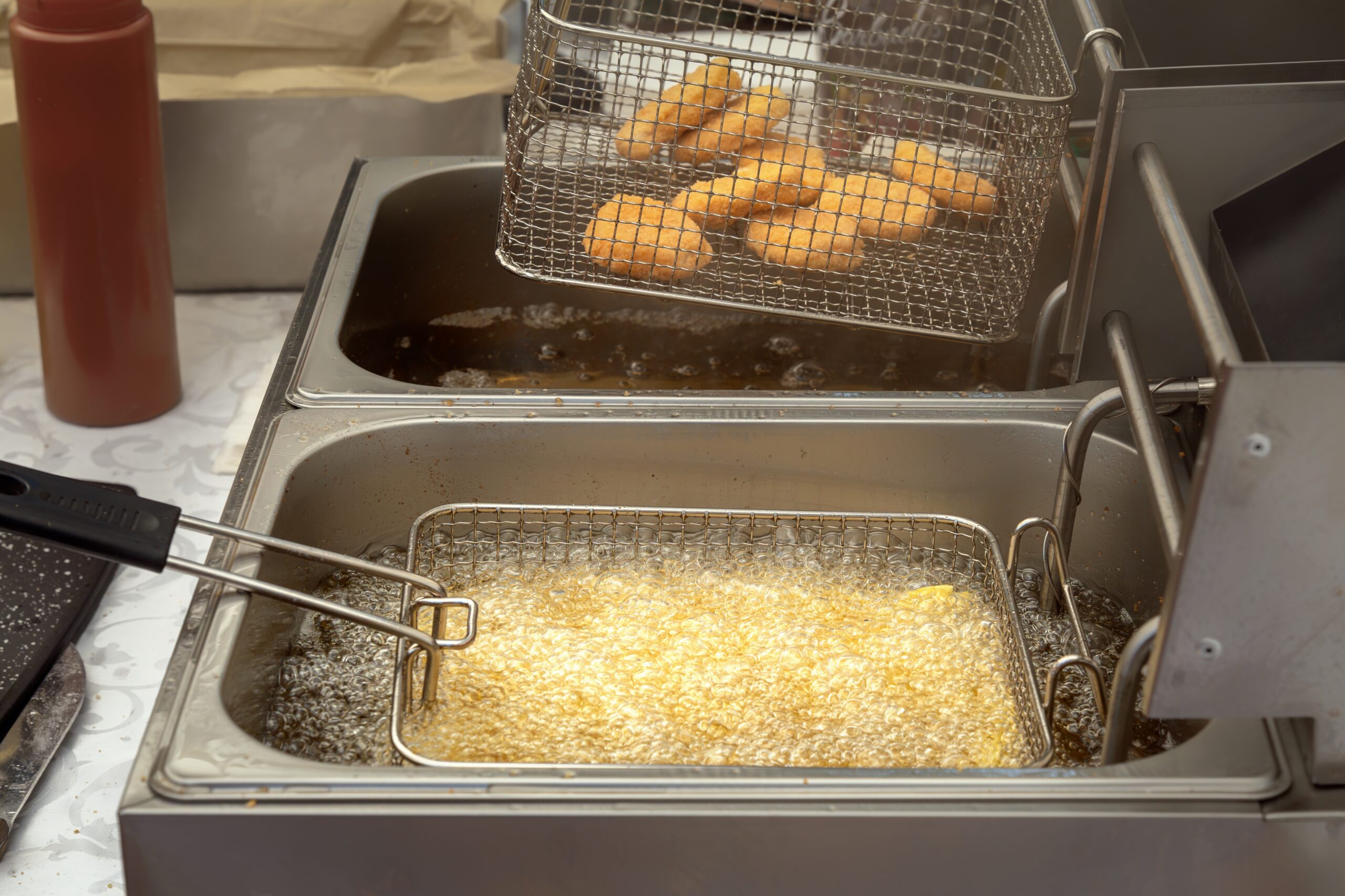
These habits can help you reuse oil from deep fryer with less waste:
• Use a thermometer to control the frying temperature.
• Avoid overcrowding the fryer because it lowers the temperature and increases oil absorption.
• Shake excess flour or batter from food before frying.
• Keep the fryer covered when it is not in use.
• Filter the oil after each session.
• Use oils with higher smoke points, such as peanut, canola, or refined sunflower oil.
• Keep a separate container for fish or strongly seasoned foods.
• Do not add salt directly to the oil because salt can speed up damage and increase splattering.
Oil type matters, but no oil lasts forever. Even high smoke-point oils need proper care. The best results come from combining good oil with clean equipment and controlled heat.
Frequently Asked Questions About How to Reuse Oil From Deep Fryer
Can you reuse oil after frying chicken?
Yes, you can reuse chicken frying oil if it was not overheated and you remove all crumbs. Filter it well, store it in a sealed container, and use it for similar savory foods.
How long can you keep used deep-fryer oil?
Filtered oil may keep for a few weeks in a cool, dark place, but quality varies. Discard it sooner if it develops a bad smell, thick texture, excessive foam, or unusual smoke.
Can you mix new oil with used oil?
You can add a small amount of fresh oil to usable oil, but this does not restore old oil. Never mix fresh oil with oil that smells rancid, contains heavy sediment, or smokes quickly.
Should reused frying oil be refrigerated?
Refrigeration is optional and may slow quality loss. Cold oil can become cloudy or solid, but it should return to normal when warmed safely at room temperature.
Can you reuse oil after frying fish?
You can, but the oil may hold a strong seafood flavor. Keep fish oil separate and use it only for other seafood or strongly flavored savory foods.
Why does reused oil foam?
Foam can come from food particles, excess moisture, soap residue, or oil breakdown. A small amount of foam may occur with some foods, but heavy or repeated foaming is a reason to discard the oil.
Conclusion
Learning how to reuse oil from deep fryer is mostly about four habits: cool it safely, filter it well, store it away from heat and light, and check its quality before every use. Reuse clean oil with similar foods, and discard it when the smell, texture, smoke, or cooking results change.
A little care can save money and reduce waste without sacrificing flavor. Try labeling your next container of filtered oil, track how many times you use it, and share your best frying tips in the comments.