
Mix cornstarch with water, stir it into warm oil, then strain the clumps that trap fried food particles.
Learning how to clean frying oil with cornstarch can help you reduce crumbs, dark specks, and leftover batter after frying. This simple method works best when you use safe heat, the right mixture, and realistic expectations about oil quality.
Why clean frying oil with cornstarch?
Frying oil often holds tiny bits of flour, breading, batter, and burnt food. These particles can make fresh food taste bitter and may cause the oil to darken faster during the next use.
Cornstarch helps collect some of this debris. When mixed with water and added carefully to warm oil, the mixture forms soft clumps that sink or float with trapped particles. You can then remove those clumps by straining the oil.
Learning how to clean frying oil with cornstarch is useful after cooking foods such as:
• Fried chicken
• French fries
• Onion rings
• Fish and shrimp
• Mozzarella sticks
• Tempura vegetables
This process does not make old oil new again. It mainly removes solid food particles. Oil that smells sour, looks very dark, feels thick, or smokes at a low heat should be discarded.
<figcaption style=”font-size: 14px; color: #555; margin-top: 8px;”>
Source: americastestkitchen.com

What you need before you start
Gather everything before heating the oil. This helps you work calmly and prevents rushed movements near hot grease.
You will need:
• Used frying oil
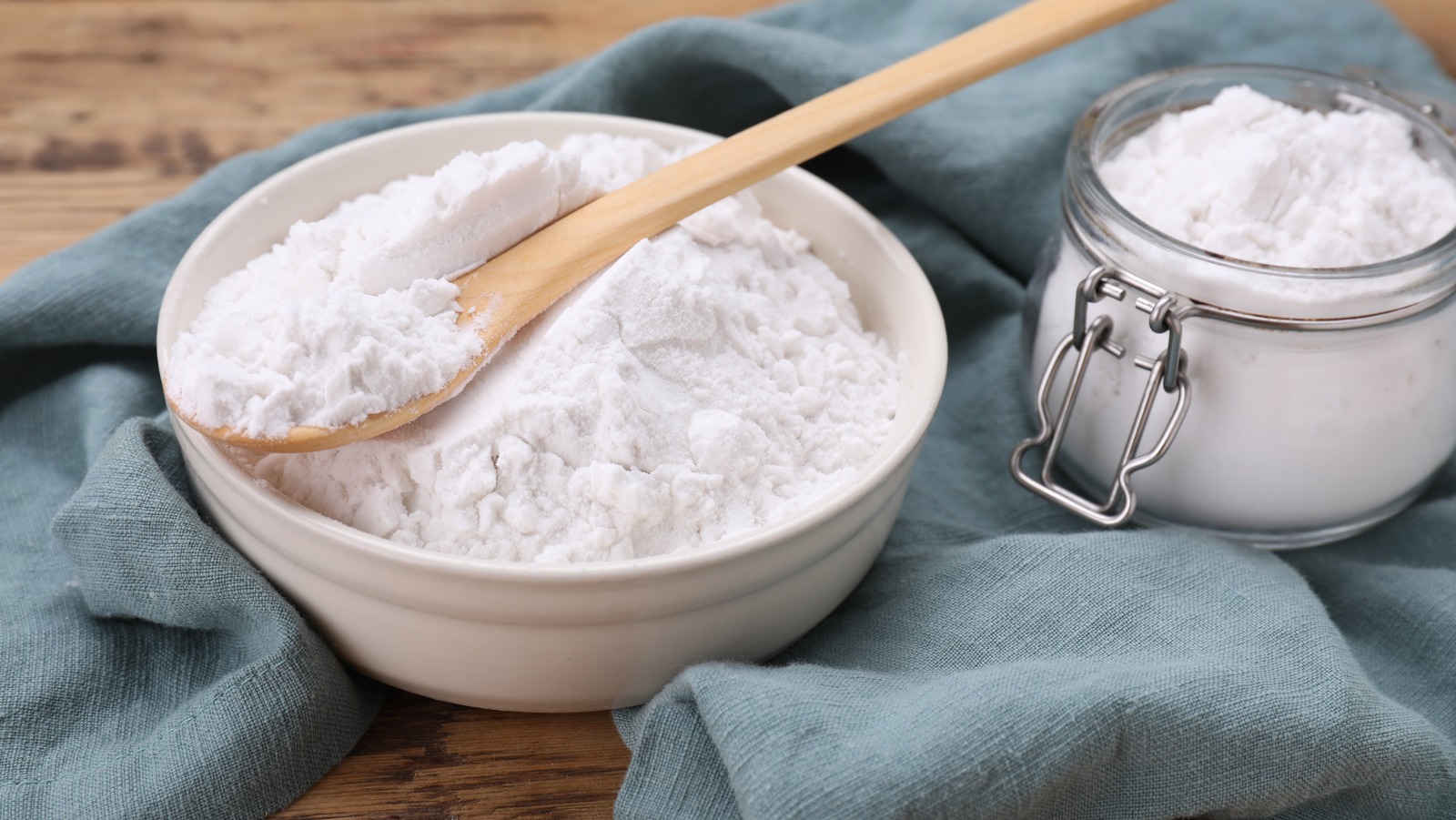
• Cornstarch
• Cool water
• A heat-safe bowl
• A whisk or fork
• A wooden spoon or heat-safe spatula
• A fine-mesh strainer
• Cheesecloth or a clean coffee filter
• A clean, dry glass jar or metal container
A common starting mixture is 1 tablespoon of cornstarch with ¼ cup of water for each quart of oil. You can use less for a small pan. The mixture should be smooth and thin, like milk.
Do not add dry cornstarch directly to hot oil. Dry powder can spread, clump unevenly, and create a mess. Mixing it with water first gives the starch a better chance to gather food particles.
How to clean frying oil with cornstarch step by step
Follow these steps for a safer and cleaner process.
1. Remove large food pieces
Let the oil cool enough to handle safely. Use tongs or a slotted spoon to remove large crumbs, batter pieces, and burnt bits.
Do not pour hot oil into a plastic container. Plastic may soften or melt, and even warm oil can cause serious burns.
2. Mix the cornstarch slurry
In a bowl, whisk together:
• 1 tablespoon of cornstarch
• ¼ cup of cool water
Mix until no dry lumps remain. If you are cleaning a large amount of oil, increase the mixture slowly rather than adding a large amount at once.
3. Warm the oil gently
Place the oil over low heat. It should be warm, but it should not smoke or bubble violently.
A temperature near 250°F to 300°F is a cautious working range. If you do not have a thermometer, use low heat and watch the oil closely. Never pour a water-based mixture into smoking-hot oil.
4. Add the slurry slowly
Stand back slightly and pour the cornstarch mixture into the warm oil in a slow, thin stream. Water can sink below the oil and create steam, so splashing is possible.
Stir slowly with a long wooden spoon or heat-safe spatula. Keep your face and hands away from the pan.
5. Stir and let the mixture gather debris
Continue stirring for about 30 seconds to 1 minute. The cornstarch may form pale clumps or cloudy strands as it grabs small food particles.
Turn off the heat if the oil becomes too active. Let the oil rest until the clumps and debris settle toward the bottom.
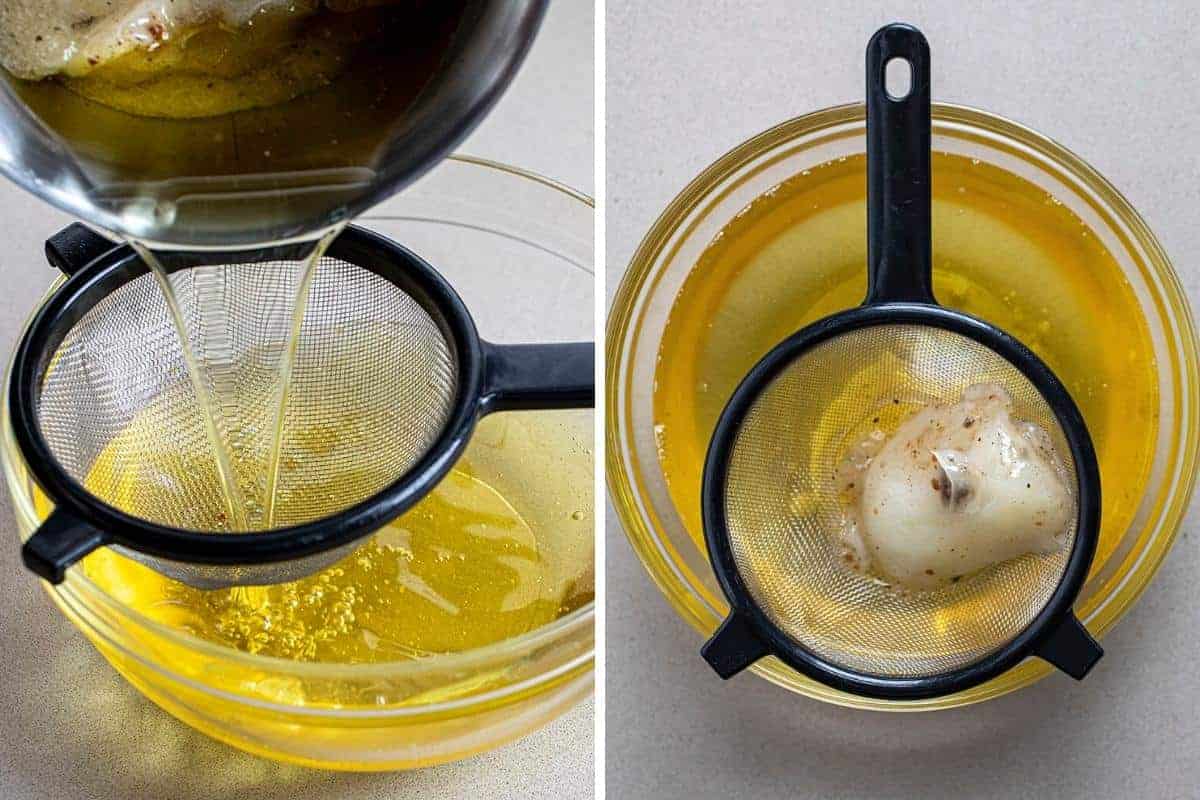
6. Strain the oil
Place a fine-mesh strainer over a clean, dry container. For better filtering, line the strainer with cheesecloth or a coffee filter.
Pour the oil through slowly. Do not press the sludge through the filter. Pressure can force small particles back into the cleaned oil.
7. Store the filtered oil
Let the oil cool fully before sealing the container. Label it with the type of oil and the date.
Store it in a cool, dark place. Refrigeration may extend freshness, but the oil can become cloudy or thick when cold. That change usually disappears as the oil warms.

How the cornstarch method works
Cornstarch contains starch molecules that swell when heated in water. In this method, the water carries the starch through the oil while the starch helps bind some suspended crumbs and batter particles.
The mixture acts a little like a soft net. It catches solid debris, but it cannot remove every chemical change caused by repeated heating.
This is why learning how to clean frying oil with cornstarch is different from refining or restoring oil. The method improves clarity, but it does not remove all odors, free fatty acids, or oxidation products.
Oil quality depends on more than appearance. Research on cooking oils shows that repeated high heat can change flavor, color, smoke behavior, and chemical stability. A clear-looking oil may still be too old for safe or enjoyable cooking.
Safety tips for cleaning used frying oil
Hot oil and water are a dangerous pair. Water turns into steam quickly when it contacts hot oil, and that sudden expansion can send burning oil out of the pan.
Use these precautions:
• Never add the slurry to smoking oil.
• Keep the heat low during the process.
• Add the slurry slowly from the side of the pan.
• Wear long sleeves and heat-safe gloves.
• Keep children and pets away from the stove.
• Never leave the pan unattended.
• Keep a metal lid nearby in case of a grease fire.
• Never use water to put out an oil fire.
If the oil catches fire, turn off the heat if you can do so safely and slide the metal lid over the pan. Do not move the pan. If the fire continues, leave the area and call emergency services.
A practical lesson is that rushing causes most mistakes. The oil does not need to be very hot for this method to work. Gentle heat gives you more control and lowers the chance of splashing.

How to know whether the oil is still usable
Cleaning can remove debris, but it cannot fix every sign of worn-out oil. Check the oil before and after filtering.
Discard the oil if it:
• Smells rancid, sour, or unusually sharp
• Looks very dark or unusually thick
• Foams heavily during normal heating
• Smokes before reaching the usual cooking temperature
• Contains a large amount of burnt residue
• Gives food a bitter or stale taste
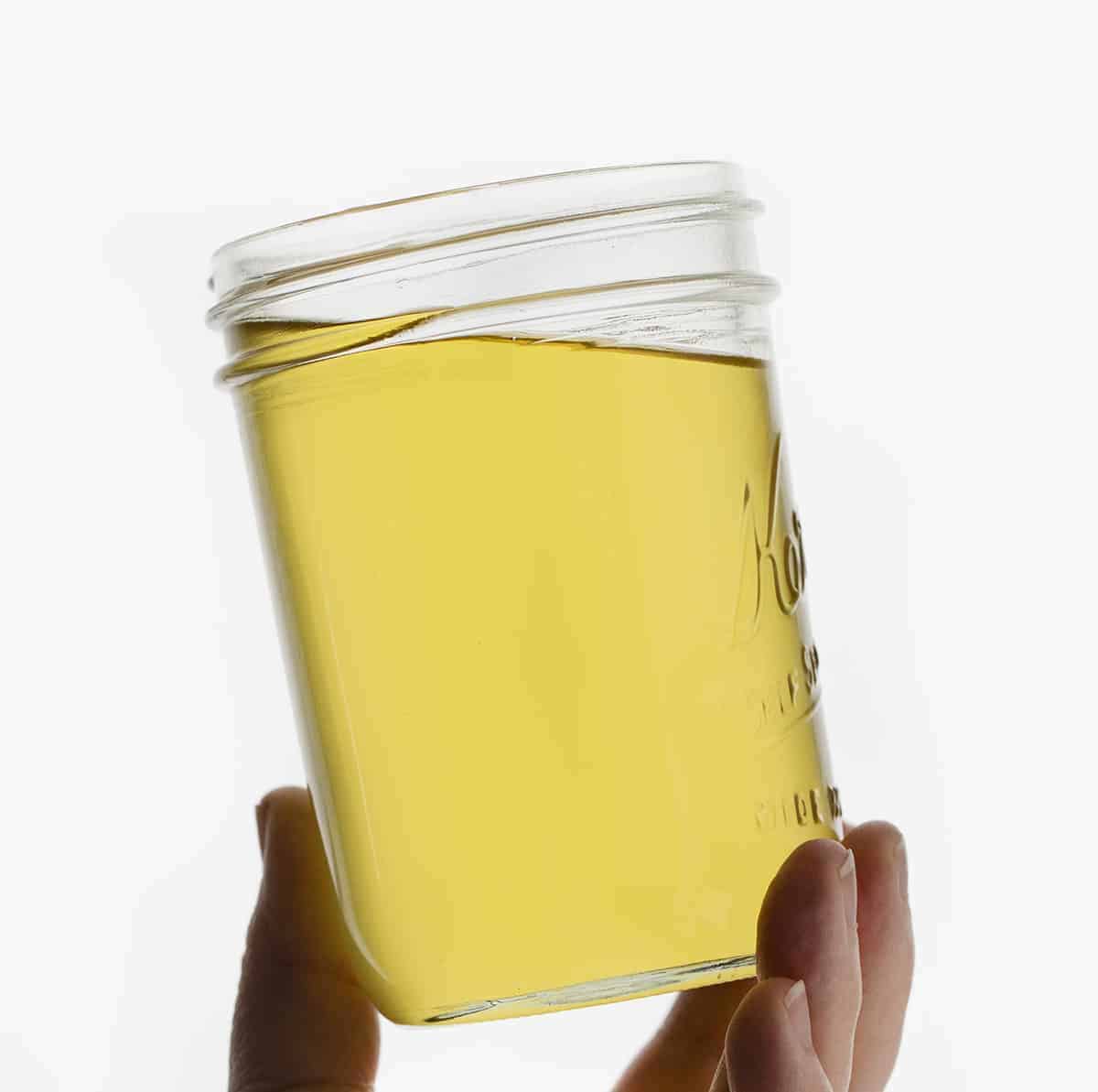
You may reuse oil that still smells neutral, looks reasonably clear, and was not overheated. The number of safe uses varies with the type of oil, cooking temperature, food, and storage method.
Oil used for battered foods often degrades faster than oil used for clean foods such as potatoes. Water-rich foods can also shorten oil life because moisture speeds up splattering and quality loss.
When in doubt, throw it out. The cost of new oil is small compared with ruined food or stomach discomfort.

Common mistakes to avoid
Knowing how to clean frying oil with cornstarch is helpful, but the wrong technique can create more problems.
Adding the mixture to very hot oil
This is the most serious mistake. Very hot oil can react violently with the water in the slurry.
Using too much cornstarch
Extra starch does not always mean cleaner oil. Too much may create a thick paste that is hard to strain and may leave residue behind.
Skipping the final filter
Cornstarch clumps can be small. Use a fine strainer, cheesecloth, or coffee filter to catch leftover particles.
Filtering into a wet container
Even a small amount of water can cause splattering when the oil is reheated. Dry the jar completely before storing the oil.
Keeping oil forever
Cleaning does not reset the oil’s age. Repeated heating still changes the oil, even when it looks clear.
Pouring oil down the drain
Used oil can harden inside pipes and cause blockages. Let it cool, place it in a sealed container, and follow your local disposal or recycling rules.

Other ways to clean frying oil
Cornstarch is one option, but it is not the only way to remove food particles.
Fine-mesh straining
For lightly used oil, a fine-mesh strainer may be enough. This is fast and avoids adding water.
Coffee-filter straining
A coffee filter catches very small particles. It works best when the oil is warm and flows slowly, but it can take time.
Layered filtering
For oil with heavy crumbs, start with a slotted spoon, then use a fine strainer, and finish with a coffee filter. This prevents large pieces from clogging the final filter.
Commercial oil filters
Some deep fryers use paper or metal filtration systems. These can be useful if you fry often, but the filter must be used according to the product instructions.
For most home cooks, the best routine is simple: remove crumbs soon after frying, avoid overheating the oil, filter it when cool enough to handle, and store it away from light and air.
How to store cleaned frying oil
Choose a clean, dry, airtight container. A glass jar with a tight lid works well for most home kitchens.
Keep the container away from:
• Direct sunlight
• The stove or oven
• Heat vents
• Moisture
• Strong-smelling foods
Light, heat, oxygen, and moisture all reduce oil quality over time. A dark pantry is usually better than an open shelf near the cooking area.
Label the container with the oil type and cleaning date. Do not mix oil from different cooking batches if one batch smells or looks questionable.
Before using stored oil, inspect it again. If the smell has changed or the oil has become unusually thick, discard it.
Benefits and limits of the cornstarch method
The main benefit is convenience. Cornstarch is inexpensive, easy to find, and useful for removing some fine food debris from used frying oil.
Other possible benefits include:
• Less visible sediment
• Cleaner flavor in the next batch
• A simple home method without special equipment
• Less clogging in a fine filter
However, the method has clear limits. It does not sterilize the oil, remove allergens, reverse oxidation, or make severely degraded oil safe to reuse.
It may also leave starch residue if you use too much cornstarch or fail to filter the oil well. Always test the cleaned oil with a small amount of food before using it for a large meal.
For people with food allergies, remember that cleaning may not remove allergenic proteins. Do not reuse oil from allergen-containing foods for someone with a serious allergy.
Frequently Asked Questions
Can you clean frying oil with cornstarch?
Yes, cornstarch can help collect small crumbs and suspended food particles when mixed with water and added carefully to warm oil. It cannot restore oil that is rancid, badly burned, or heavily oxidized.
How much cornstarch should you use?
Start with 1 tablespoon of cornstarch mixed with ¼ cup of water per quart of oil. Adjust the amount for smaller batches, and avoid using so much that the mixture becomes thick or difficult to filter.
Should the frying oil be hot before adding cornstarch?
The oil should be warm, not smoking hot. Low heat reduces the risk of splattering, but you should still add the water-based slurry slowly and carefully.
Can cornstarch remove the smell of fried food?
It may reduce some odors by removing trapped food particles. It will not reliably remove rancid, burnt, or strong odors caused by oil that has been overheated or used too many times.
How many times can you reuse cleaned frying oil?
There is no exact number because oil life depends on heat, food type, cooking time, and storage. Reuse it only while it smells neutral, looks acceptable, and does not smoke or foam too early.
Is it safe to pour used frying oil down the sink?
No. Oil can coat pipes and cause serious blockages. Cool the oil, seal it in a container, and use your local waste or cooking-oil recycling program when available.
Can you use cornstarch to clean cold frying oil?
The method works better when the oil is gently warm because the mixture can move through the oil and gather debris. Never heat the oil quickly after adding the slurry, and always avoid smoking temperatures.
Conclusion
Learning how to clean frying oil with cornstarch can help remove small crumbs and batter particles from used oil. Mix a small amount of cornstarch with water, add it slowly to warm oil, let the debris settle, and filter the oil through a fine strainer.
Use this method only for oil that still smells fresh and shows no signs of burning or spoilage. With careful heat control and proper storage, you can make your frying routine cleaner and more efficient. Try the method with a small batch first, and share your results or favorite oil-saving tips in the comments.