
Olive oil supplements may support heart health, reduce oxidative stress, and add helpful healthy fats to your daily routine.
Olive oil supplement benefits come mainly from monounsaturated fat and plant compounds called polyphenols. Yet capsules and liquid extracts are not magic cures, and research on olive oil foods is stronger than research on many supplements. This guide explains what the evidence shows, how to choose a product, and when to speak with a health professional.
What Are Olive Oil Supplements?
Olive oil supplements contain olive oil, olive leaf extract, or concentrated olive compounds. They may come as softgels, liquid drops, powders, or blended formulas.
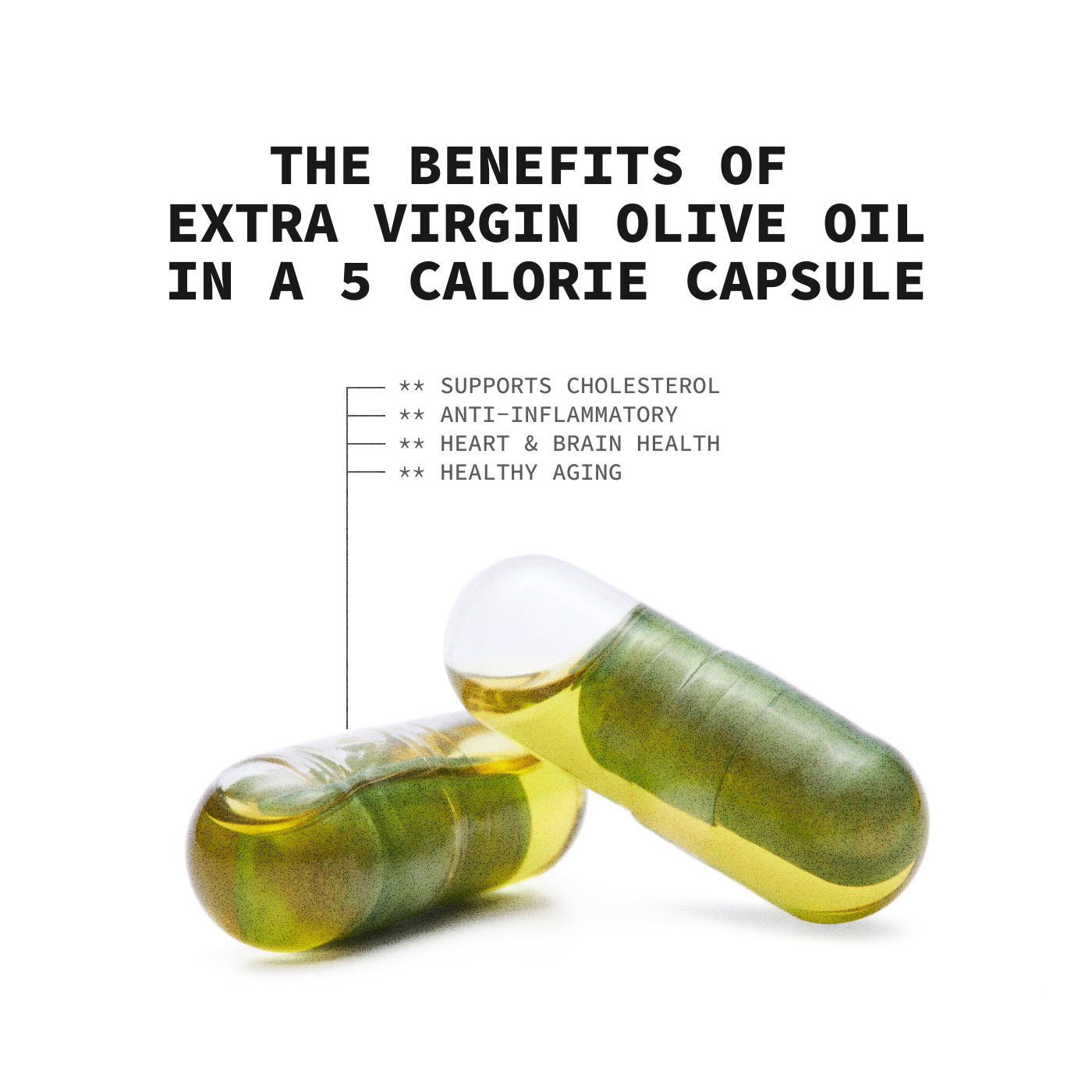
A standard olive oil capsule often provides much less oil than a tablespoon used in cooking. Some products focus on oleuropein, hydroxytyrosol, or other olive polyphenols instead of providing a large amount of fat.
This difference matters. A supplement made from olive leaf is not the same as extra-virgin olive oil. The ingredients, dose, and possible effects can vary widely.
Common types include:
• Olive oil softgels: These usually provide small amounts of olive oil and monounsaturated fat.
• Extra-virgin olive oil capsules: These may contain some natural polyphenols, but the amount can differ by brand.
• Olive leaf extract: This often contains oleuropein, a plant compound found in olive leaves.
• Hydroxytyrosol supplements: These provide a concentrated olive polyphenol.
• Blended formulas: These may combine olive compounds with herbs, vitamins, or other oils.
When reviewing olive oil supplement benefits, always check the Supplement Facts label. Look for the exact ingredient, serving size, amount per serving, and any standardization details.
Olive Oil Supplement Benefits Supported by Research
The possible benefits of olive oil supplements are linked to healthy fats and antioxidant compounds. Still, the strength of evidence depends on the product and the health goal.
1. They may support heart health
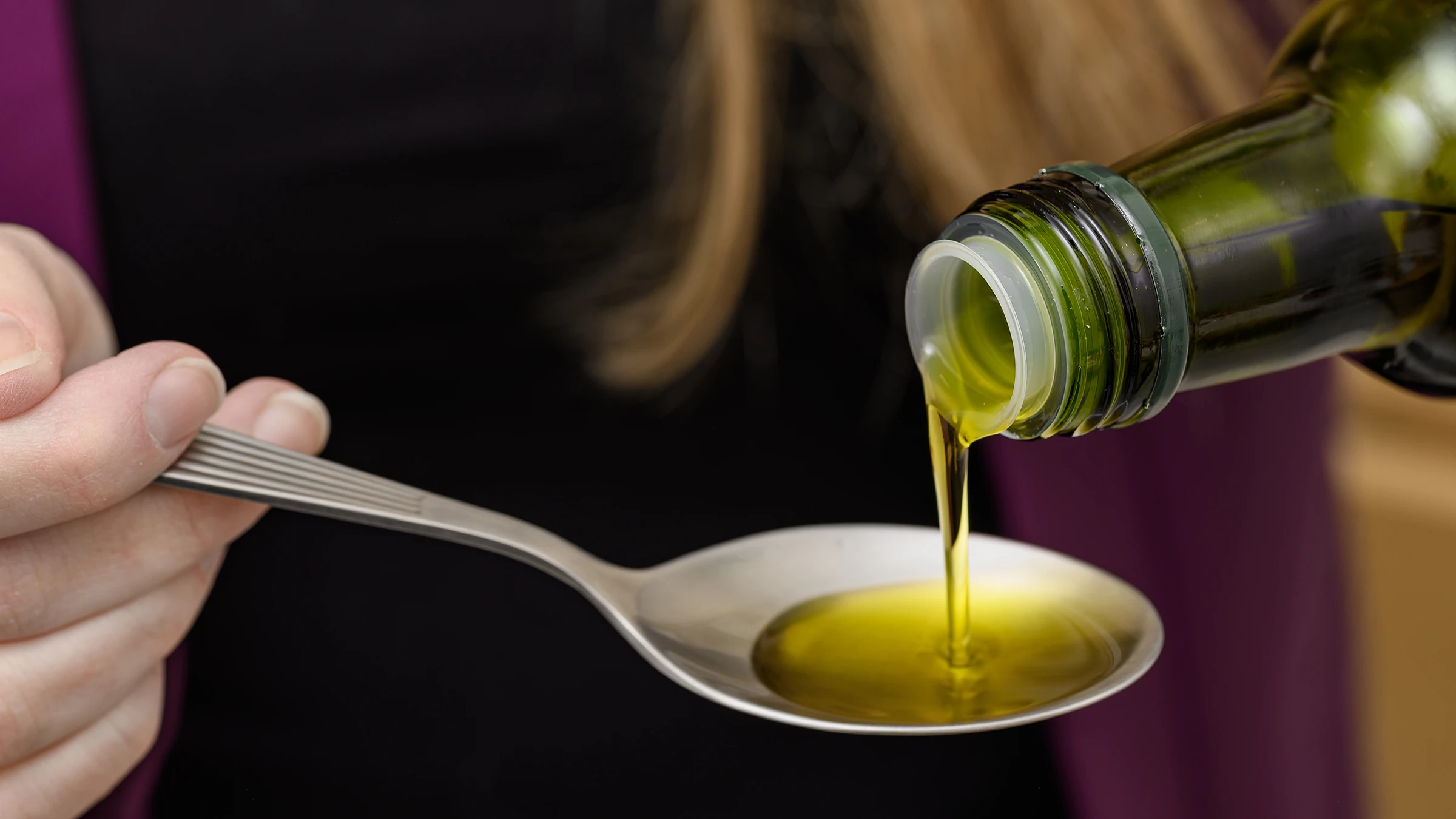
Extra-virgin olive oil is rich in oleic acid, a monounsaturated fat. Replacing butter, shortening, or other sources of saturated fat with unsaturated fat may support a healthier cholesterol pattern.
Large dietary studies link Mediterranean-style eating with better heart outcomes. In these diets, olive oil often replaces less healthy fats. This does not prove that an olive oil capsule will provide the same results.
Some olive oil supplements may also contain polyphenols. These compounds can help protect cells from oxidative stress. However, the dose in a capsule may not match the amount used in clinical research.
The strongest heart-health lesson is simple: use olive oil in place of less healthy fats. Taking a capsule while eating a diet high in fried foods, refined starch, and processed meat is unlikely to create the same benefit.
2. They may help manage inflammation
Inflammation is part of the body’s normal defense system. Problems may arise when low-grade inflammation remains active for a long time.
Olive oil polyphenols have antioxidant and anti-inflammatory activity in laboratory and human research. Some studies suggest that extra-virgin olive oil may affect inflammation markers, but results are not always consistent.
This is one reason olive oil supplement benefits should be viewed as supportive, not curative. A supplement cannot replace sleep, movement, dental care, stress control, or treatment for an inflammatory disease.
3. They may support blood sugar control
Replacing refined carbohydrates or saturated fat with extra-virgin olive oil may help improve the overall quality of a meal. Healthy fats can also slow digestion and make meals more satisfying.
Some research on Mediterranean diets shows better blood sugar control and a lower risk of type 2 diabetes. Yet the evidence is mainly about the whole eating pattern, not olive oil supplements alone.
A practical example is adding a small amount of extra-virgin olive oil to beans, vegetables, or whole grains. This is more useful than taking a capsule and keeping the rest of the meal low in fiber and high in added sugar.
4. They may support brain health
The brain needs fat to work well, and olive oil is a key part of many Mediterranean diets. Antioxidant compounds in extra-virgin olive oil may help protect cells from damage.
Early studies suggest that olive oil intake may be linked with better cognitive health. However, researchers are still studying whether olive oil supplements can prevent memory loss or dementia.
Do not use an olive supplement as a treatment for memory changes. New confusion, repeated forgetfulness, or trouble with daily tasks deserves a medical evaluation.
5. They may support healthy aging
Oxidative stress can damage cells over time. Olive polyphenols may help the body manage some of this stress.
Healthy aging depends on many habits working together. These include regular activity, strong social ties, good sleep, balanced meals, and control of blood pressure and cholesterol.
Olive oil supplement benefits may fit into that plan. They should not be treated as a shortcut or a replacement for proven care.
Olive Oil Supplements Versus Extra-Virgin Olive Oil
Many people assume that a capsule provides all the benefits of olive oil. That is not always true.
Extra-virgin olive oil is a whole food. It contains fat, flavor compounds, and naturally occurring polyphenols. It also helps make vegetables, beans, fish, and whole grains more appealing.
Capsules may be useful for people who dislike the taste of olive oil or cannot use it often. They may also provide a measured amount of a specific olive compound.
Still, liquid olive oil has some clear advantages:
• It is easy to use in meals.
• It can replace butter and other saturated fats.
• It has a long history in Mediterranean-style eating.
• Its taste and aroma can help you judge freshness.
• It may provide more oil per serving than a small capsule.
A capsule may be more convenient, but convenience does not automatically mean greater effectiveness. In many cases, using extra-virgin olive oil with food is the more practical choice.
:max_bytes(150000):strip_icc()/VWH_Illustration_How-to-Use-Olive-Oil-for-Moisturizing_Illustrator_Jessica-Olah_Final-72d4c83116a04197ba8706887ef572d5.jpg)
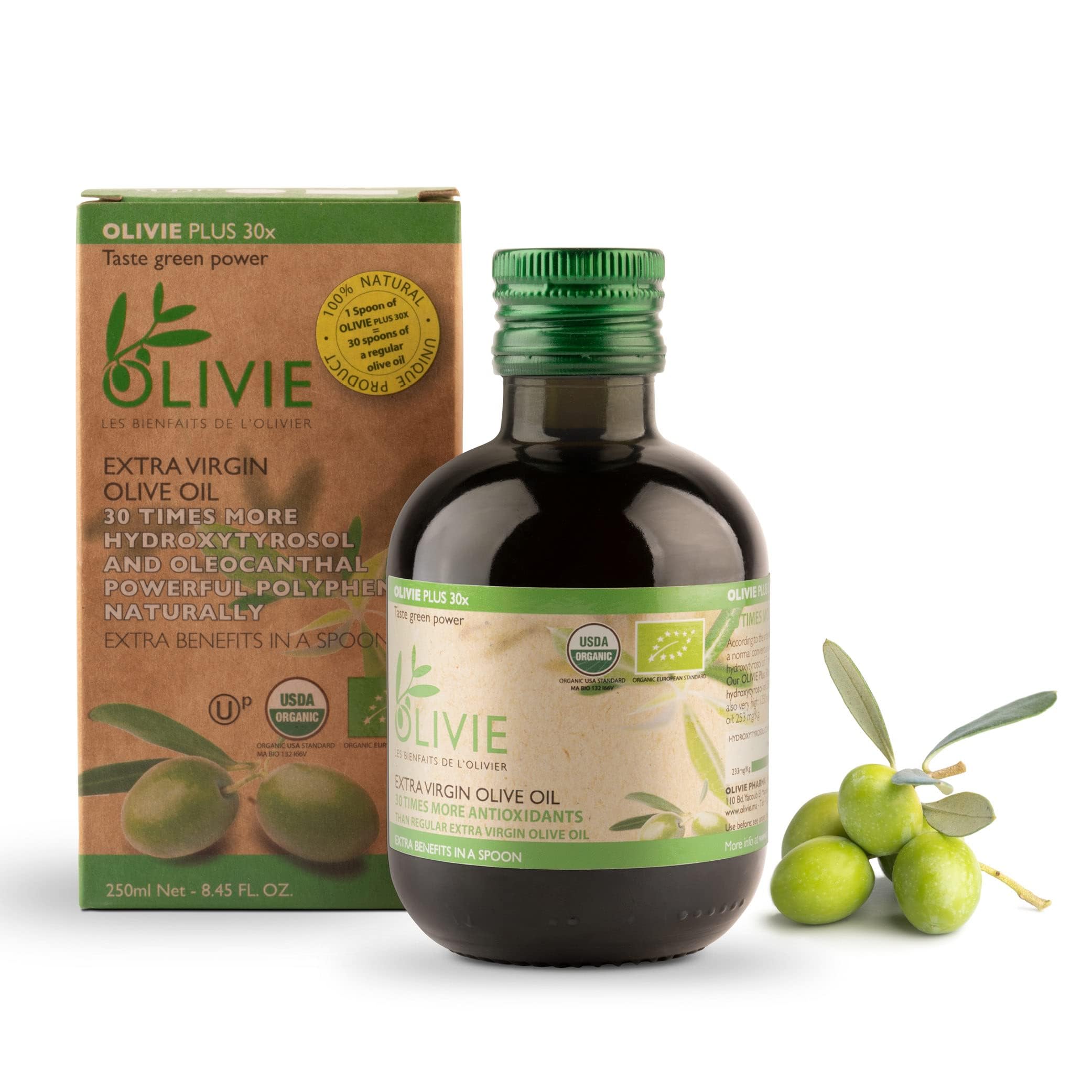
How to Choose a Quality Olive Oil Supplement
Supplements are not reviewed in the same way as prescription medicines. Product quality can vary. A careful label review can lower the chance of buying a weak or unsuitable product.
Look for these features:
• A full ingredient list: Avoid products that hide the amount of olive oil or olive extract in a proprietary blend.
• Clear dosing: The label should state the amount per serving.
• Third-party testing: Independent testing may check identity, purity, and contaminants.
• Batch or lot information: This improves traceability.
• Proper storage guidance: Heat, light, and air can harm oils and reduce freshness.
• A realistic claim: Be cautious when a product promises to cure diabetes, reverse aging, or replace medicine.
If you choose liquid olive oil, select extra-virgin olive oil in a dark bottle. Store it in a cool, dark place and close the cap tightly. A fresh oil should smell pleasant and grassy, not stale or like crayons.
One lesson worth sharing is that more is not always better. People often buy a high-dose product because the label sounds powerful. In practice, a simple product with a clear label is often easier to use and safer to assess.
How to Use Olive Oil Supplements Safely
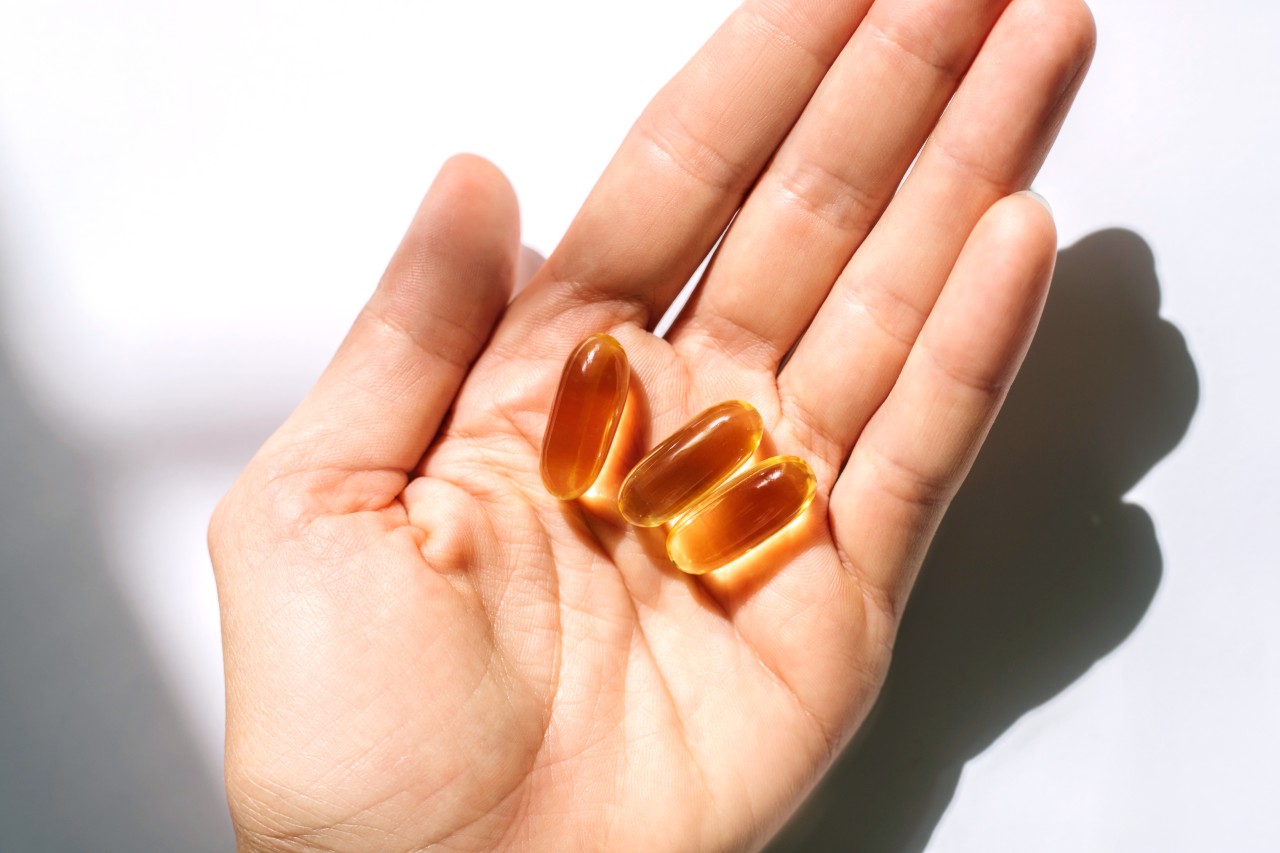
Follow the serving instructions on the label. Do not take extra capsules simply because the product is plant-based.
Olive oil supplements may cause mild digestive symptoms, especially at higher doses. Possible effects include:
• Nausea
• Loose stools
• Stomach discomfort
• Bloating
• Heartburn
Olive oil can also affect calorie intake. A capsule usually contains a small amount, but liquid supplements may add more calories than expected.
Talk with a health professional before using an olive supplement if you:
• Take blood pressure medicine
• Use diabetes medicine
• Take blood thinners or antiplatelet medicine
• Have gallbladder disease
• Have chronic digestive problems
• Are pregnant or breastfeeding
• Have an upcoming surgery
• Have an allergy to olive products
Do not stop a prescribed medicine because you start a supplement. Ask a pharmacist or clinician to review possible interactions.
Possible Side Effects and Limitations
Olive oil supplements are often tolerated well, but “natural” does not mean risk-free. The safety of a product depends on its ingredients, dose, purity, and your health history.
Olive leaf extract may lower blood pressure or blood sugar in some people. This could be a concern if you already use medicine for either condition.
Some supplements may also contain extra herbs. These added ingredients can create more interaction risks than the olive compound itself. Read the whole label, not just the front of the bottle.
Another limitation is weak product research. A study on extra-virgin olive oil cannot automatically prove that every olive leaf capsule works in the same way. The source, extraction method, and polyphenol content may be different.
This is a key point when judging olive oil supplement benefits: evidence for the food is not always evidence for the pill.

How Olive Oil Fits Into a Mediterranean-Style Diet
The Mediterranean diet uses olive oil as one part of a larger pattern. It also includes vegetables, fruit, beans, lentils, whole grains, nuts, seeds, fish, and modest amounts of dairy.
Try these simple meal ideas:
-
Add extra-virgin olive oil to roasted vegetables.
-
Use it in a dressing with lemon juice, garlic, and herbs.
-
Drizzle it over beans, lentil soup, or whole-grain toast.
-
Use it instead of butter for some cooking tasks.
-
Pair it with fish, tomatoes, leafy greens, or chickpeas.
-
Measure portions if you are watching calories.
The goal is not to pour olive oil over every meal. The goal is to use it in place of less helpful fats while building meals around plants and minimally processed foods.
This approach may offer more value than a supplement alone because it improves the whole meal. Think of olive oil as one strong player on a team, not the entire team.

What the Research Really Shows
Research on olive oil is promising, but it has limits. Many studies examine dietary patterns rather than isolated supplements. Some are observational, which means they can show links but cannot prove cause and effect.
Clinical trials have found benefits from Mediterranean-style diets that include extra-virgin olive oil. Studies also suggest that olive polyphenols may support protection from oxidative stress.
However, researchers still need more high-quality trials on olive oil capsules and standardized olive extracts. Questions remain about the best dose, the ideal product, and which people may benefit most.
A trustworthy way to read the evidence is to ask:
• Was the study done in people or only in a laboratory?
• Did it test olive oil, olive leaf, or a purified compound?
• How many people took part?
• How long did the study last?
• Was the product compared with a placebo or another treatment?
• Can the result apply to the exact product on the store shelf?
This careful approach protects you from exaggerated claims and helps separate realistic olive oil supplement benefits from marketing language.
Practical Tips From Real-World Use
People often start supplements with high hopes. Then they forget doses, combine several products, or expect a change within a few days.
A better plan is to choose one product at a time and track how you feel. Note the dose, timing, digestion, blood pressure readings if advised, and any changes in your routine.
Avoid starting an olive oil supplement right before surgery, a medication change, or a major diet change. If something goes wrong, it becomes harder to identify the cause.
It also helps to set a clear goal. “I want better health” is broad. “I want to replace butter with extra-virgin olive oil at dinner five nights a week” is specific and easy to measure.
My practical advice is to improve the food pattern first. If you still want a supplement, choose one with clear labeling and discuss it with a qualified health professional.
Frequently Asked Questions About Olive Oil Supplement Benefits
What are the main olive oil supplement benefits?
The main possible benefits include support for heart health, antioxidant protection, and healthy inflammation balance. Most strong evidence comes from diets that include extra-virgin olive oil, not from every capsule or extract.
Are olive oil supplements better than drinking olive oil?
No. Capsules may be convenient, but they often contain much less oil than a food serving. Using extra-virgin olive oil in place of butter or other less healthy fats may offer broader dietary benefits.
Can olive oil supplements lower cholesterol?
They may help when olive oil replaces saturated fat in the diet. A supplement alone should not be expected to lower cholesterol in a reliable way, and people with high cholesterol should follow a clinician’s treatment plan.
Can olive oil supplements help with weight loss?
Olive oil supplements are not proven weight-loss products. Olive oil contains calories, so large amounts may add energy rather than reduce it; weight management depends on the full diet, activity, sleep, and health pattern.
Are olive oil supplements safe every day?
Many healthy adults tolerate them when used as directed. Ask a health professional first if you take blood pressure, diabetes, or blood-thinning medicine, or if you have surgery planned.
What is the best time to take an olive oil supplement?
There is no proven best time for everyone. Taking it with food may reduce stomach discomfort, but follow the product label and use the same routine each day.
Can olive oil supplements replace prescribed medicine?
No. They should not replace medicine for high blood pressure, diabetes, high cholesterol, or any other medical condition. Discuss all supplements with your doctor or pharmacist.
Conclusion
Olive oil supplement benefits may include support for heart health, antioxidant defenses, and healthy inflammation balance. Yet the best evidence still favors extra-virgin olive oil as part of a balanced Mediterranean-style diet, rather than relying on a capsule alone.
Choose products with clear labels, use sensible doses, and watch for medicine interactions. Start with simple food changes, then ask a health professional whether a supplement fits your needs. Explore more evidence-based nutrition guides, and share your questions or experience in the comments.