
Olive oil provides mostly monounsaturated fat, vitamin E, vitamin K, and antioxidant plant compounds.
Understanding what are the nutrients in olive oil can help you use this popular kitchen oil wisely. Olive oil is not a source of protein, fiber, or many vitamins, but it offers healthy fats and small amounts of natural compounds that may support overall wellness. This guide explains its nutrition, benefits, limits, cooking uses, and storage tips in clear, practical terms.
What Are the Nutrients in Olive Oil?
The main nutrients in olive oil are fats. Most of these fats are monounsaturated fatty acids, especially oleic acid. Olive oil also contains small amounts of vitamin E, vitamin K, and natural plant compounds called polyphenols.
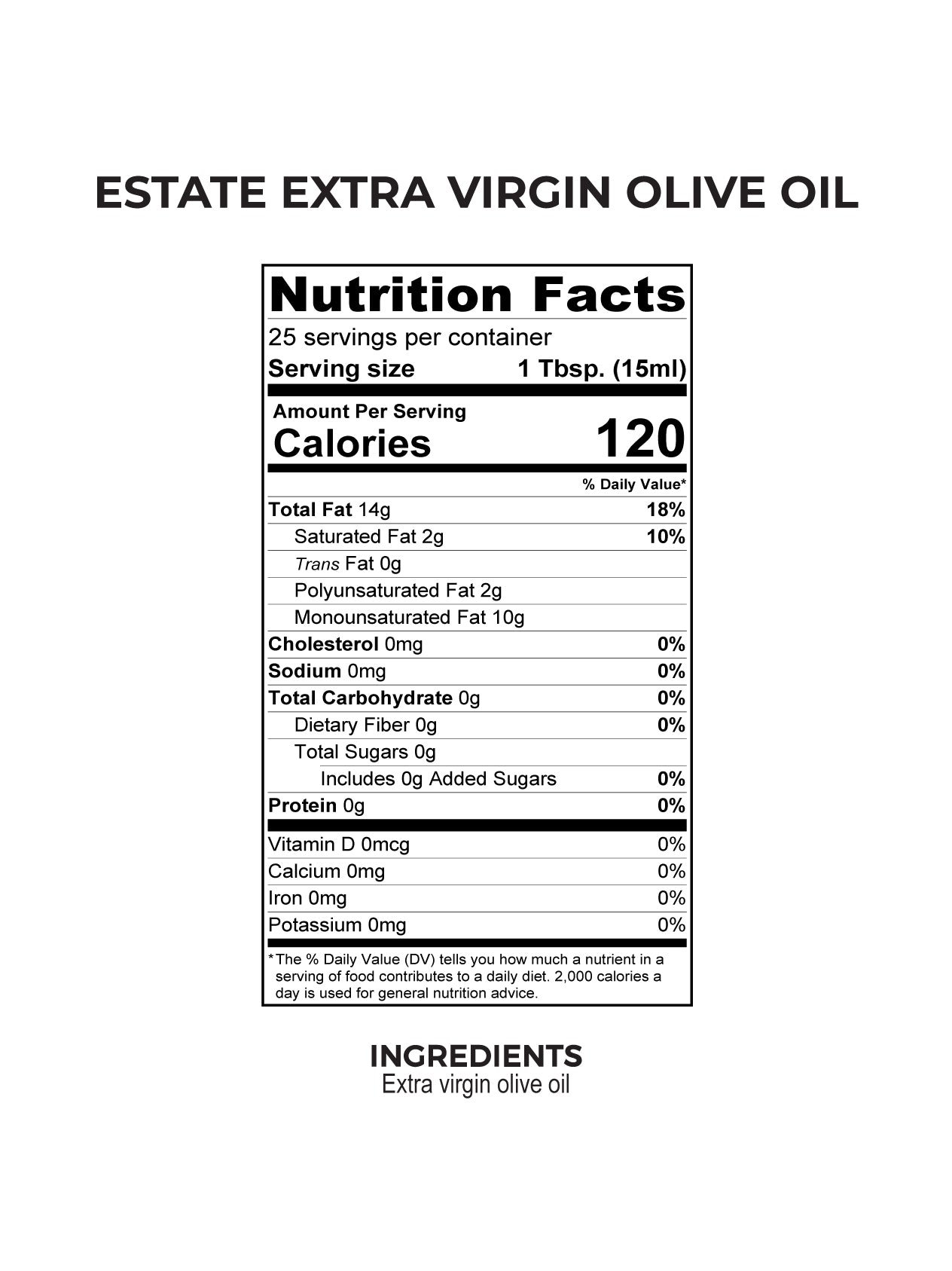
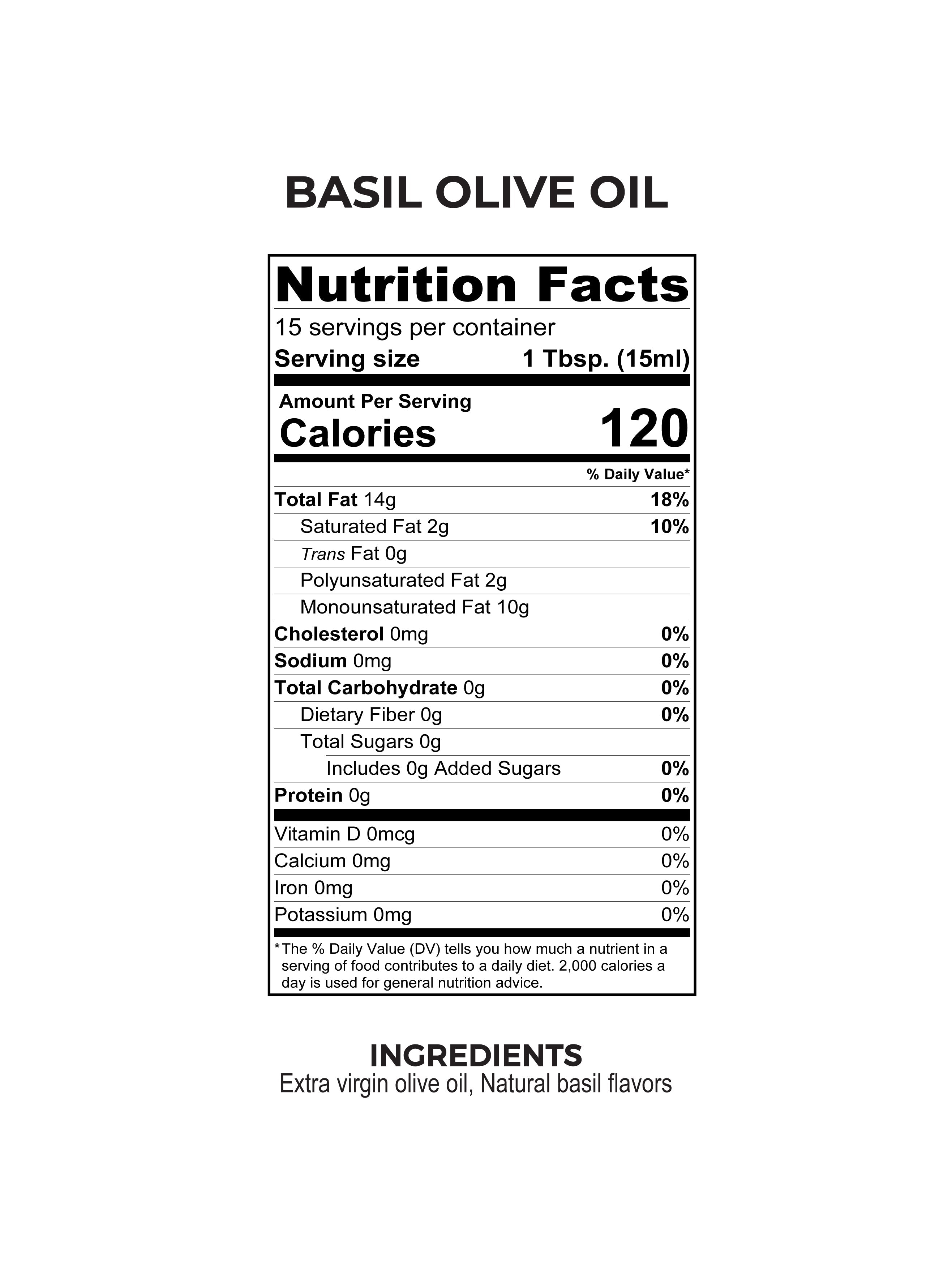
One tablespoon of olive oil contains about:
• 119 calories
• 13.5 grams of total fat
• 9.9 grams of monounsaturated fat
• 1.9 grams of saturated fat
• 1.4 grams of polyunsaturated fat
• About 1.9 milligrams of vitamin E
• About 8 micrograms of vitamin K
• 0 grams of protein
• 0 grams of carbohydrates
• 0 grams of fiber
These values can change slightly by brand, olive variety, and processing method. Extra-virgin olive oil often keeps more natural plant compounds because it is made with less processing.
The nutrients in olive oil are best understood as part of a meal, not as a complete food. Olive oil can add flavor and useful fat, but it does not replace vegetables, fruit, beans, whole grains, fish, nuts, or other nutrient-rich foods.
Monounsaturated Fat: Olive Oil’s Main Nutrient
Monounsaturated fat is the star nutrient in olive oil. It makes up most of the oil’s fat content and is known for its soft texture and mild flavor.
The main monounsaturated fat in olive oil is oleic acid. This fat is also found in avocados, almonds, peanuts, and some other plant foods. It can be part of a heart-friendly eating pattern when it replaces foods high in saturated fat.
For example, using olive oil instead of butter may lower the amount of saturated fat in a meal. You might drizzle olive oil over roasted vegetables rather than adding butter, or use it in a salad dressing instead of a creamy dressing.
Still, olive oil is calorie-dense. One tablespoon has close to 120 calories, so more is not always better. A small amount can add flavor without making a meal overly heavy.
Why monounsaturated fat matters
Replacing saturated fat with unsaturated fat may support healthier blood cholesterol levels. The effect depends on the whole diet, not on one ingredient alone.
A useful approach is to:
• Use olive oil in place of butter or shortening
• Add a measured amount to salads and vegetables
• Choose nuts, seeds, fish, beans, and avocado as other fat sources
• Keep portions suitable for your calorie needs
Vitamins and Antioxidants in Olive Oil
The nutrients in olive oil include vitamin E and vitamin K. These vitamins occur in small amounts, but they still contribute to the oil’s nutritional value.
Vitamin E acts as an antioxidant. Antioxidants help protect cells from damage caused by unstable molecules. Vitamin E also supports immune function and helps protect cell membranes.
Vitamin K helps the body with normal blood clotting and supports bone health. However, the amount in one serving of olive oil is modest. Green leafy vegetables, such as kale, spinach, and collard greens, provide much more vitamin K.
Extra-virgin olive oil also contains phenolic compounds, often called polyphenols. These compounds are not vitamins, but they contribute to the oil’s taste, aroma, and antioxidant activity.
Polyphenol levels can vary widely. Factors include:
• Olive variety
• Growing region
• Harvest time
• Time between harvesting and pressing
• Storage conditions
• Filtering and processing
A peppery or slightly bitter taste may indicate the presence of some phenolic compounds. That taste is not a sign that the oil has gone bad. In many cases, it reflects natural compounds from fresh olives.
What Olive Oil Does Not Contain
Knowing what are the nutrients in olive oil also means knowing what it lacks. Pure olive oil contains no meaningful amount of protein, carbohydrates, or fiber.
It also contains very little of several key nutrients, including:
• Vitamin C
• Calcium
• Iron
• Magnesium
• Potassium
• Zinc
• Folate
This is why olive oil should support a balanced meal rather than serve as the meal itself. A salad with olive oil, beans, vegetables, and whole grains offers a much wider range of nutrients than olive oil alone.
Olive oil also contains no cholesterol because cholesterol is found in animal foods. However, “cholesterol-free” does not mean calorie-free. All edible oils provide a high number of calories in a small serving.
Extra-Virgin Olive Oil vs. Regular Olive Oil
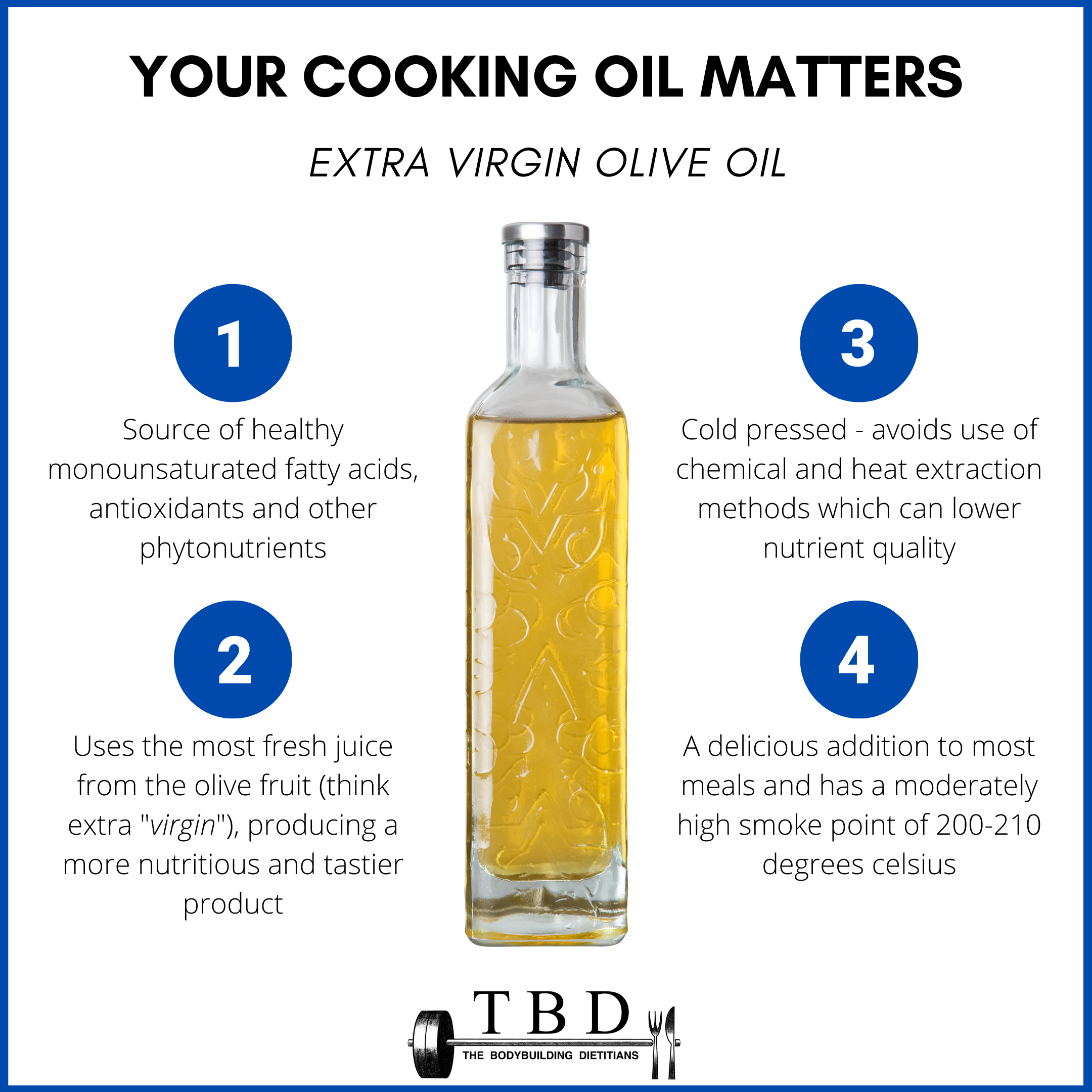
Extra-virgin olive oil is made from olives using mechanical methods and must meet specific quality standards. It has a distinct flavor and usually contains more natural phenolic compounds than refined olive oil.
Regular or refined olive oil goes through more processing. It often has a lighter color and milder taste. Its smoke point and flavor may make it useful for certain cooking tasks, but it may contain fewer natural plant compounds.
Here is a simple comparison:
| Type | Main features |
|---|---|
| Extra-virgin olive oil | Stronger flavor, less processing, often more polyphenols |
| Virgin olive oil | Mechanically produced, but with less strict quality standards |
| Refined olive oil | Milder flavor, more processing, fewer natural compounds |
| Light olive oil | Usually light in flavor, not light in calories |
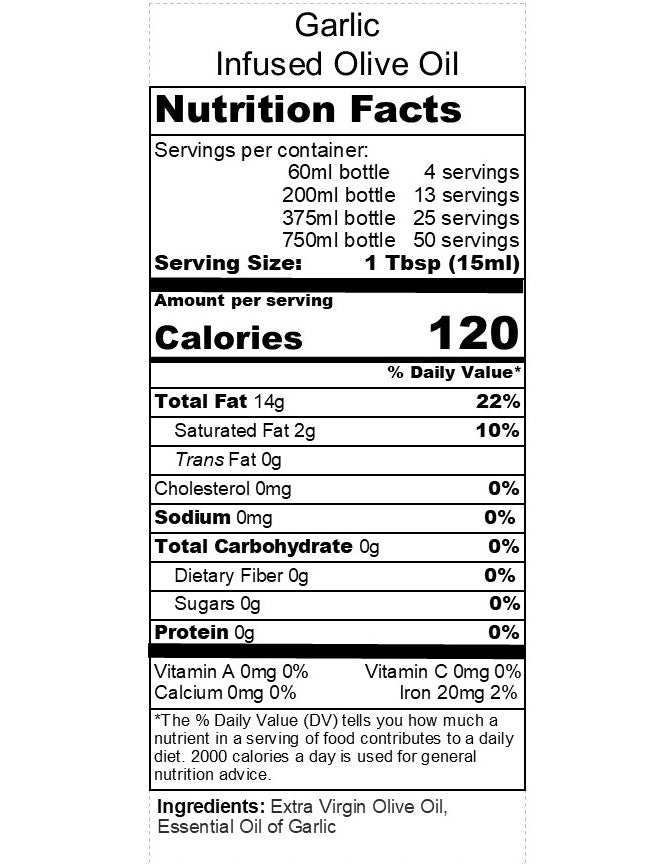
“Light” on an olive oil label usually refers to taste or color. It does not mean the oil has fewer calories.
For dressings, dipping, and finishing, extra-virgin olive oil is often the best choice for flavor. For cooking, both extra-virgin and refined olive oils can work. The best choice depends on taste, heat, budget, and the dish.
Potential Health Benefits of Olive Oil
The nutrients in olive oil may support health when the oil is part of a balanced eating pattern. Research on Mediterranean-style diets has linked this pattern with heart health and a lower risk of several chronic conditions.
The strongest benefit comes from replacing less healthy fats or highly processed foods with unsaturated-fat foods. Adding extra olive oil to an already high-calorie diet may not provide the same benefit.
Heart health
Monounsaturated fat may help improve the balance of blood lipids when it replaces saturated fat. Olive oil also fits well into a diet rich in vegetables, beans, fish, fruit, and whole grains.
The oil itself is not a cure or a guarantee of heart health. Blood pressure, exercise, sleep, smoking, family history, and the rest of the diet all matter.
Antioxidant support
Extra-virgin olive oil contains polyphenols and vitamin E. These compounds have antioxidant activity, but results from laboratory studies do not always translate into direct health effects in people.
It is more accurate to say that olive oil can contribute antioxidant compounds to the diet. It is not accurate to treat it as a medicine.
Better meal quality
Olive oil can make vegetables, beans, and whole grains more appealing. This matters because healthy eating is easier to maintain when food tastes good.
A simple dressing made with olive oil, vinegar, lemon juice, garlic, and herbs can turn plain vegetables into a meal people enjoy. Taste is not a minor detail. It often helps healthy habits last.
How Much Olive Oil Should You Use?
There is no single amount that suits everyone. Many adults use one to two tablespoons per day as part of meals, but personal needs vary.
Your ideal amount may depend on:
• Total calorie needs
• Physical activity
• Weight goals
• Other sources of fat in the diet
• Medical conditions
• Personal food preferences
A practical serving is one tablespoon. Measuring it can be helpful because pouring directly from the bottle often leads to larger portions than expected.
Try these simple habits:
- Measure oil for salad dressing with a spoon.
- Use a spray bottle or brush for roasting.
- Mix olive oil with vinegar or lemon juice to spread the flavor.
- Add beans, vegetables, or whole grains so the oil supports a balanced meal.
- Count olive oil as a fat source when planning your day.
People who need to limit calories should pay special attention to portions. People with specific medical needs should follow advice from a qualified health professional.

Best Ways to Use Olive Oil in Everyday Meals
Olive oil is flexible and works in both simple and advanced cooking. Its flavor can be mild, fruity, grassy, bitter, or peppery.
You can use it to:
• Dress leafy greens
• Roast vegetables
• Sauté onions, garlic, or mushrooms
• Marinate chicken, fish, tofu, or beans
• Finish soup or hummus
• Make pesto
• Dip with whole-grain bread
• Replace butter in some recipes
• Add flavor to cooked grains
One easy meal is a bowl of chickpeas, tomatoes, cucumbers, whole grains, herbs, and olive oil. This combines the oil with fiber, plant protein, vitamins, and minerals.
A common mistake is using too much oil early in the recipe. A measured spoonful added near the end can sometimes give more flavor than several unmeasured pours during cooking.
Can You Cook With Olive Oil?
Yes, olive oil can be used for many cooking methods, including sautéing, roasting, baking, and pan-frying. Its performance depends on the type of oil, the temperature, and how long it is heated.
When oil reaches its smoke point, it begins to smoke and break down. Smoke points vary by oil quality, age, and processing. Extra-virgin olive oil is suitable for many everyday cooking tasks, especially at moderate heat.
To cook safely:
• Avoid letting the oil smoke heavily
• Use medium or medium-high heat for most home cooking
• Keep the pan and oil free from water splashes
• Use fresh oil with a clean smell
• Do not repeatedly reuse oil that has smoked
Cooking can reduce some delicate compounds, including certain polyphenols. However, the oil can still provide monounsaturated fat and calories after heating.
For very high-heat cooking, choose an oil suited to the task and follow the recipe. There is no need to fear olive oil, but there is also no need to overheat it.
How to Choose and Store Olive Oil
Good storage helps protect the flavor and nutrients in olive oil. Light, heat, oxygen, and time can cause the oil to become stale or rancid.
When shopping, look for:
• A dark glass bottle or opaque container
• A harvest date when available
• A clear best-by date
• A trusted producer
• A bottle size you can finish within a reasonable time
• A seal that is intact
Store olive oil in a cool, dark cupboard. Keep it away from the stove, oven, windows, and other warm places.
Fresh olive oil should smell and taste clean. It may smell fruity, grassy, or slightly peppery. Rancid oil may smell like crayons, stale nuts, old paint, or damp cardboard.
A mistake many people make is buying a large bottle because it seems cheaper. If the oil sits open for a year, the savings may not be worth the loss of flavor. Smaller bottles can be a better choice for occasional users.
Olive Oil Safety and Limitations
Olive oil is safe for most people when used as part of a balanced diet. However, it can cause problems in some situations.
People with olive or pollen allergies should speak with a health professional before using olive products. Anyone taking medication that affects blood clotting should also ask a clinician about major dietary changes, especially because olive oil contains vitamin K, even though the amount is not high.
Olive oil is also not a treatment for diabetes, high blood pressure, heart disease, or cancer. Claims that one type of olive oil can prevent or cure disease go beyond what the evidence supports.
The nutrients in olive oil can contribute to a healthy eating pattern, but they work alongside other habits. Diet quality, movement, sleep, stress, and medical care all play important roles.
Frequently Asked Questions About What Are the Nutrients in Olive Oil
What are the main nutrients in olive oil?
The main nutrients in olive oil are monounsaturated fat, smaller amounts of saturated and polyunsaturated fat, vitamin E, and vitamin K. Extra-virgin olive oil may also contain polyphenols and other plant compounds.
Is olive oil a good source of omega-3 fatty acids?
Olive oil contains only a small amount of omega-3 fat. Fatty fish, walnuts, chia seeds, flaxseeds, and some fortified foods provide more omega-3 fatty acids.
Does olive oil contain protein or fiber?
No. Olive oil contains virtually no protein, carbohydrates, or fiber. Pair it with foods such as beans, vegetables, whole grains, nuts, or fish to create a more complete meal.
Is extra-virgin olive oil healthier than regular olive oil?
Extra-virgin olive oil is less processed and often contains more phenolic compounds. Both types provide monounsaturated fat, so the best choice depends on flavor, cooking needs, freshness, and price.
Is olive oil high in calories?
Yes. One tablespoon contains about 119 calories. Measuring portions can help you enjoy the flavor and nutrients in olive oil while keeping your total calorie intake balanced.
Can olive oil help lower cholesterol?
Olive oil may help support healthier cholesterol levels when it replaces foods high in saturated fat. The overall diet matters more than olive oil alone.
Does heating olive oil destroy its nutrients?
Heating may reduce some delicate plant compounds, but olive oil still provides monounsaturated fat after cooking. Avoid overheating it until it smokes, and use fresh oil for the best flavor.
Conclusion
The nutrients in olive oil come mainly from monounsaturated fat, with smaller amounts of vitamins E and K and natural polyphenols. Extra-virgin olive oil usually offers more flavor and plant compounds, while all olive oils remain calorie-dense.
Use olive oil in measured portions, choose fresh bottles, store them away from heat and light, and pair the oil with vegetables, beans, whole grains, fish, or other nutritious foods. Try one simple change this week, such as replacing butter with olive oil in a meal, and explore more evidence-based nutrition guides for practical ideas.