
The healthiest extra virgin olive oil is fresh, certified, low in defects, and rich in protective polyphenols.
Choosing the healthiest extra virgin olive oil is not only about finding a fancy bottle. Freshness, harvest date, storage, testing, and the olive variety all matter. This guide explains how to read the label, spot quality, compare regions, and choose an oil that tastes good and supports a healthy diet.
What Is the Healthiest Extra Virgin Olive Oil?
The healthiest extra virgin olive oil is a high-quality oil that meets strict chemical and sensory standards. It should come from healthy olives, have no taste defects, and contain useful plant compounds called polyphenols.
Extra virgin olive oil is the least processed grade of olive oil. It is made by mechanical methods, not chemical refining. To earn the “extra virgin” label, the oil must meet limits for acidity and oxidation and pass a taste test.
A healthy bottle usually has these traits:
• A recent harvest date
• Dark glass or a metal container
• A clear producer and country of origin
• A harvest date, not only a best-by date
• A peppery or bitter taste
• A trusted certification or laboratory testing
• Proper storage away from heat and light
The healthiest extra virgin olive oil is not always the most expensive one. A smaller, fresh bottle from a trusted producer may be a better choice than an old premium bottle that sat under bright store lights.
Why Extra Virgin Olive Oil Is Considered Healthy
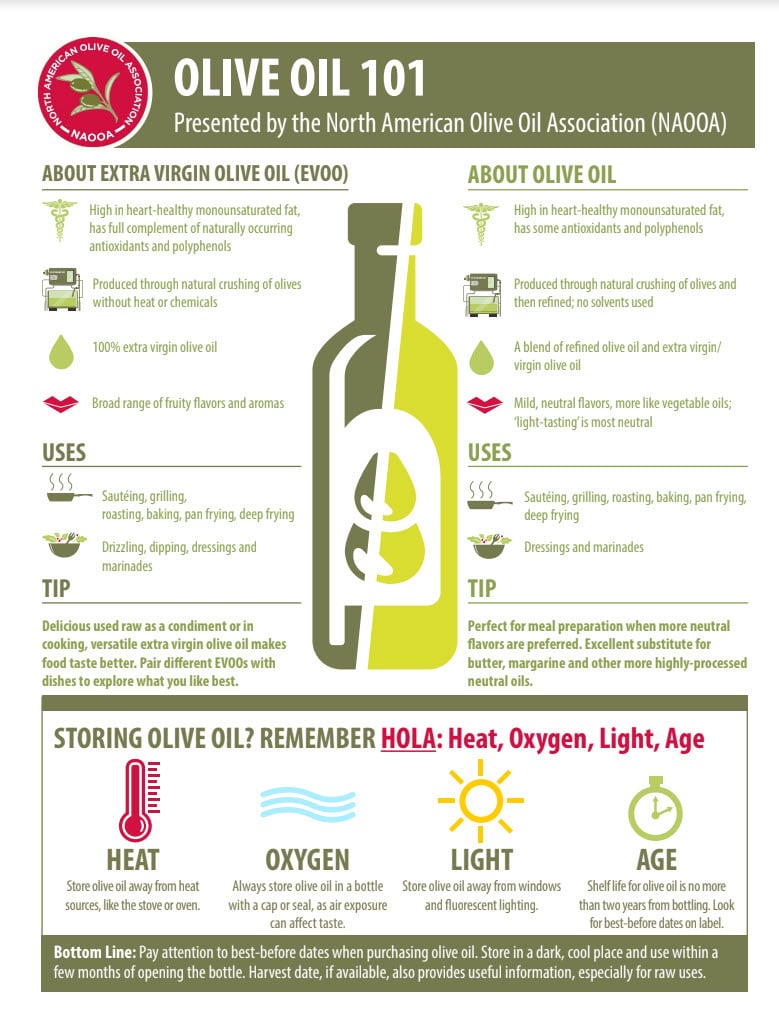
Extra virgin olive oil is rich in monounsaturated fat, especially oleic acid. This type of fat can help improve the overall fat quality of your diet when it replaces butter, shortening, or highly processed fats.
It also contains natural compounds such as polyphenols, vitamin E, and other antioxidants. These compounds help protect the oil from oxidation and may support the body’s response to oxidative stress.
Research on Mediterranean-style diets has linked regular olive oil use with better heart health. One large nutrition study found that people who used more olive oil had a lower risk of heart-related problems. However, olive oil is still calorie-dense, so portion size matters.
A single tablespoon contains about 120 calories. The health benefit comes from using it in place of less healthy fats, not from pouring unlimited amounts over every meal.
The healthiest extra virgin olive oil may offer more polyphenols than refined olive oil. Still, the full diet matters most. Olive oil works best alongside vegetables, beans, whole grains, fish, nuts, and fruit.

The Role of Polyphenols
Polyphenols are natural plant compounds found in olives. They give some oils a bitter flavor and a peppery feeling in the throat. That slight burn is often a sign of freshness and phenolic compounds.
One important compound is oleocanthal. It can create a sharp sensation similar to the feeling caused by certain anti-inflammatory medicines. This does not mean olive oil works like medicine, but it helps explain why some fresh oils taste spicy.
Another group, called oleuropein compounds, may support antioxidant activity. The exact amount varies by olive variety, harvest time, climate, farming method, and processing.
Look for a producer that shares polyphenol test results if you want an oil with especially high levels. A label claim alone is not enough. Independent laboratory testing gives a more reliable picture.
Keep in mind that stronger is not always better for every dish. A bold, high-polyphenol oil may taste excellent on beans or grilled meat but overpower delicate fish or mild vegetables.

How to Choose the Healthiest Extra Virgin Olive Oil
Use the following steps when shopping. They can help you avoid old, weak, or poorly stored oil.
1. Check the harvest date
A harvest date tells you when the olives were picked and pressed. This is more helpful than a best-by date, which may be two years after bottling.
Fresh extra virgin olive oil often tastes best within 12 to 18 months of harvest. Some oils remain good longer when stored well, but flavor and polyphenols slowly decline over time.
Choose the newest bottle you can find. If you shop in the United States, harvests from the Northern Hemisphere often take place from October through January. Southern Hemisphere oils are usually harvested around May through July.
2. Choose dark packaging
Light, heat, and oxygen damage olive oil. Clear bottles allow light to reach the oil and may shorten its useful life.
Choose dark glass, a tin, or another container that blocks light. Avoid bottles placed in a sunny window or under strong store lights.
A well-made oil can still lose quality if the package is poor. Packaging is like sunscreen for olive oil; it helps protect what is inside.
3. Look for a clear origin
A label should tell you where the olives were grown. “Packed in Italy” does not always mean the olives came from Italy. The oil may have been produced elsewhere and bottled there.
A clear origin statement is more useful. Some bottles list one country, while others contain blends from several countries. Both can be good, but transparency matters.
Regional certification can also help. Look for protected designation or quality seals when available. These systems often include production rules and traceability checks.
4. Consider independent certification
Certification does not guarantee that you will love the flavor, but it can add trust. Some programs test whether the oil meets extra virgin standards and matches the label.
Useful signs may include:
• A recognized quality seal
• Lot or batch information
• Traceability details
• Harvest information
• Laboratory data
• A producer with a strong reputation
Be careful with vague words such as “premium,” “pure,” or “light.” These terms may sound healthy but do not always describe better quality.
5. Taste the oil when possible
Fresh extra virgin olive oil should smell and taste like olives, herbs, grass, artichokes, green fruit, or fresh leaves. It may taste bitter and feel peppery.
Common signs of poor quality include:
• A flat or stale flavor
• A waxy taste
• A rancid smell like old nuts or crayons
• A vinegary or fermented note
• A moldy or muddy flavor
Taste is not the only measure of health. Some mild oils are excellent and contain useful nutrients. However, unpleasant stale flavors may suggest age, poor storage, or defects.
Which Olive Oil Regions Are Best?
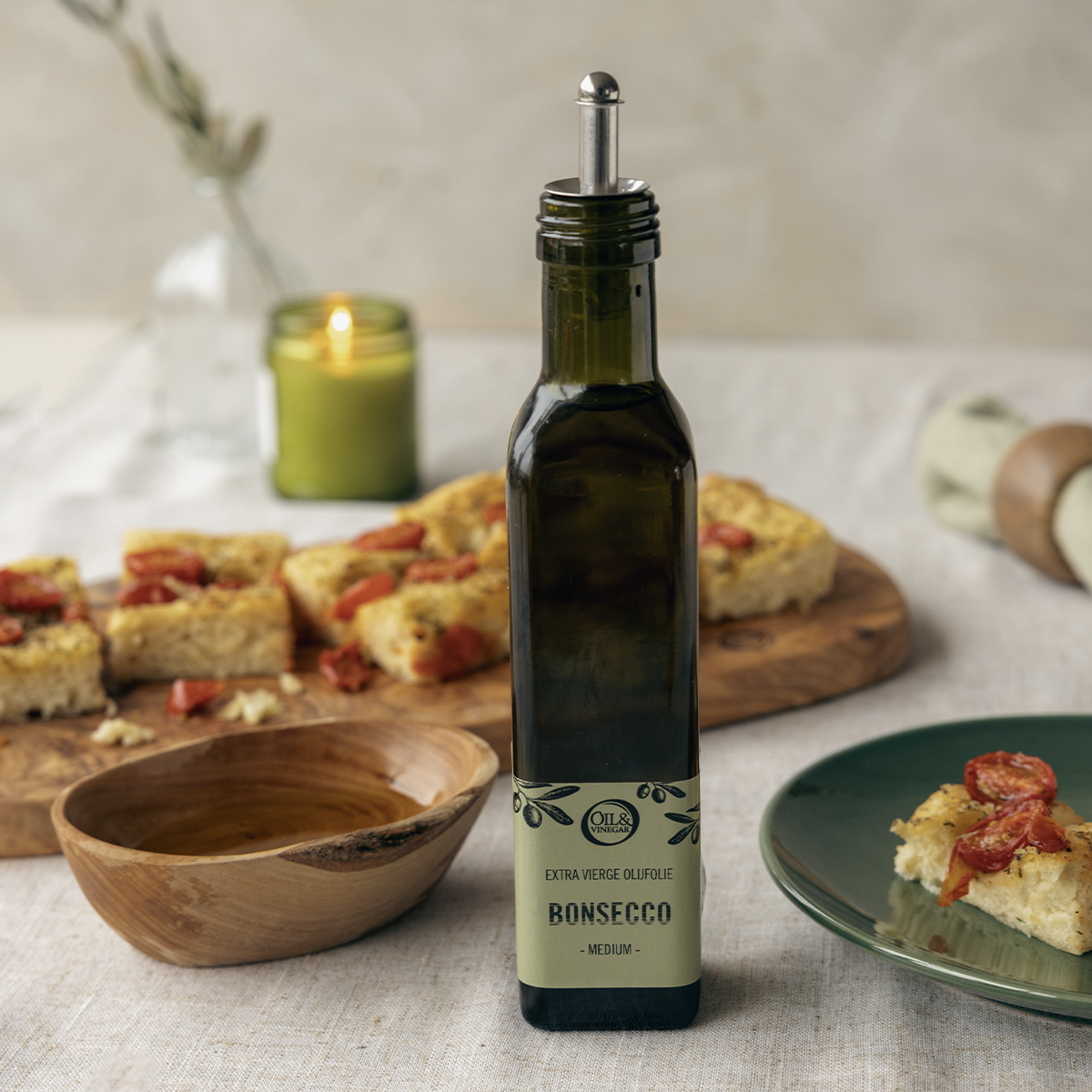
Many regions produce excellent extra virgin olive oil. Quality depends more on the producer, harvest, and storage than on the country name alone.
Strong olive oil regions include parts of:
• Spain
• Italy
• Greece
• Portugal
• Croatia
• Tunisia
• Turkey
• California
• Australia
• Chile
Spain is one of the world’s largest olive oil producers. Italy offers many regional styles, from mild and grassy to bold and bitter. Greek oils are often rich, fruity, and peppery.
California producers often provide clear harvest dates and detailed testing. Australian oils may also offer strong traceability because many producers focus on controlled supply chains.
The healthiest extra virgin olive oil can come from any of these regions. Instead of asking only, “Which country is best?” ask, “When was it harvested, how was it tested, and how was it stored?”
Best Types of Extra Virgin Olive Oil for Different Uses
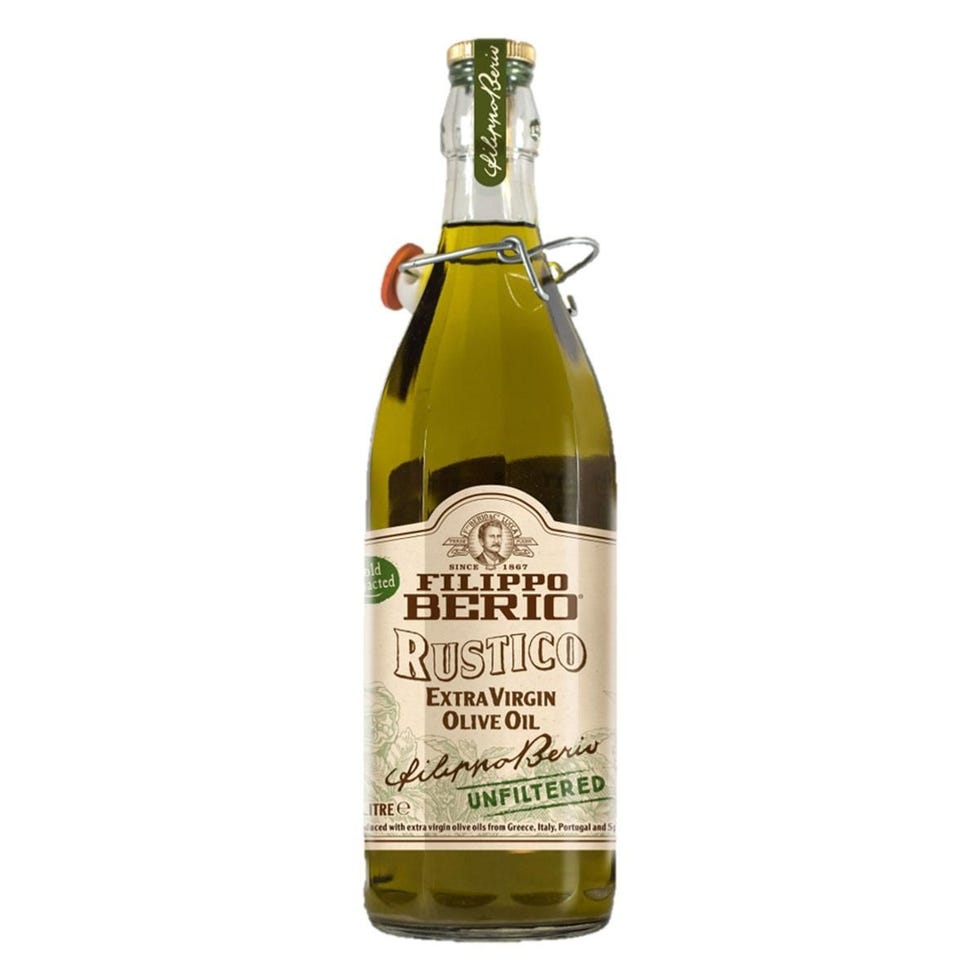
The healthiest extra virgin olive oil should be easy to use. Matching the oil’s flavor to your food makes it more likely that you will enjoy it regularly.
Mild olive oil
Mild oils work well with:
• Baking
• Fish
• Rice
• Light sauces
• Mayonnaise
• Delicate vegetables
They may have soft fruit notes and less bitterness.
Medium olive oil
Medium oils are useful for:
• Salad dressing
• Pasta
• Roasted vegetables
• Chicken
• Soups
• Beans
They offer a balance of fruit, bitterness, and peppery flavor.
Robust olive oil
Bold oils pair well with:
• Grilled steak
• Lentils
• Tomato dishes
• Hearty soups
• Crusty bread
• Roasted root vegetables
A robust oil often has a strong green taste and a noticeable throat tickle. This flavor can signal freshness, but it is not a guarantee of laboratory-tested quality.
For cooking, extra virgin olive oil is suitable for many everyday methods, including sautéing and roasting. Its smoke point varies by quality and freshness, but normal home cooking temperatures are generally within its practical range. Avoid heating any oil until it smokes.
Is High-Polyphenol Olive Oil Always Healthiest?
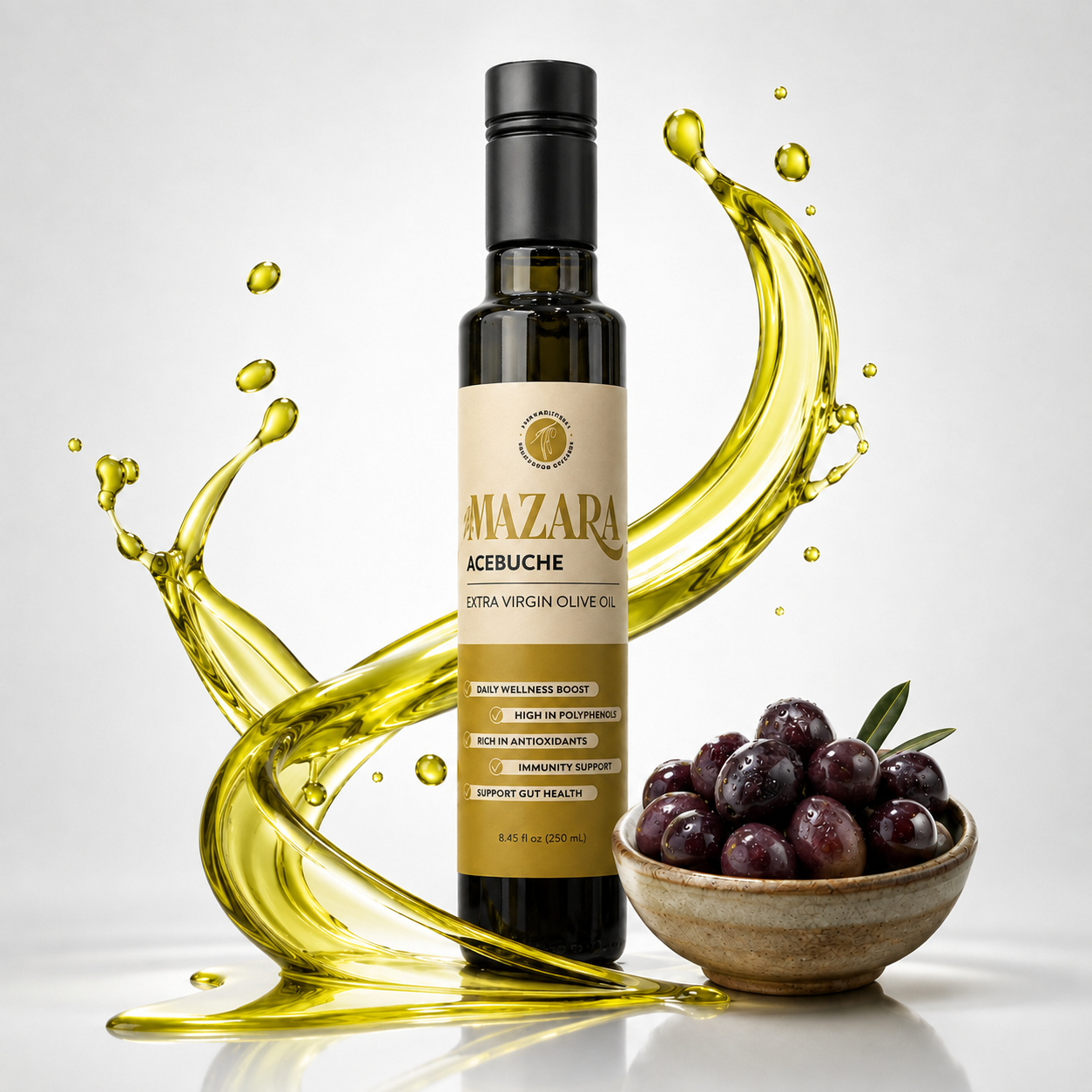
Not always. High-polyphenol olive oil is appealing because these compounds may offer antioxidant and anti-inflammatory effects. Yet the healthiest extra virgin olive oil is one you will use consistently as part of a balanced diet.
High-polyphenol oils can taste very bitter or spicy. Some people enjoy this flavor, while others avoid the oil because it feels too strong. A moderate oil that replaces butter every day may be more useful than a powerful oil that stays unopened.
Polyphenol levels also change with age, light, heat, and oxygen. A test result from bottling day may not represent the same level months later.
Do not treat polyphenol numbers as a medical promise. They can help compare oils, but they do not diagnose disease or replace medical care. Nutrition is broader than one compound or one food.
Common Mistakes to Avoid
Even good oil can lose quality at home. A few simple habits protect flavor and nutrients.
• Do not store olive oil beside the stove. Heat speeds oxidation.
• Do not leave the cap open. Oxygen can damage the oil.
• Do not buy a large bottle if you use oil slowly.
• Do not rely only on a pretty label.
• Do not keep oil in direct sunlight.
• Do not assume a high price proves quality.
• Do not use oil that smells rancid or tastes stale.
Store your bottle in a cool, dark cupboard. A temperature around 57 to 65°F is helpful, but a normal cool pantry works well for most homes.
Use smaller bottles if you cook for one or use olive oil only now and then. Once opened, try to finish the bottle within a few months for the best flavor.
In my own kitchen testing, one mistake stood out: buying a large bottle because it seemed cheaper per ounce. The oil tasted fresh at first, but it became dull before I finished it. Smaller containers cost a little more but reduced waste and improved taste.
How to Store Extra Virgin Olive Oil
Good storage is part of choosing the healthiest extra virgin olive oil. Even a fresh, well-tested oil can degrade when exposed to heat, light, and air.
Follow these simple steps:
- Keep the bottle in a dark cupboard.
- Close the cap tightly after each use.
- Keep it away from the oven, dishwasher, and sunny windows.
- Pour only what you need for the meal.
- Replace the bottle if it develops a stale or crayon-like smell.
Do not worry if your oil becomes cloudy in cold weather. Natural waxes can make olive oil look cloudy or cause small particles to appear. This does not automatically mean the oil has spoiled.
If the oil freezes and later returns to room temperature, its flavor may change. Repeated temperature swings are not ideal, so steady storage is best.

How Much Olive Oil Should You Use?
A practical serving is often one to two tablespoons with a meal. Your needs depend on your total calorie intake, activity level, and dietary goals.
Use olive oil to replace less healthy fats rather than simply adding more calories. For example, drizzle it over vegetables instead of adding butter, or use it in place of a creamy dressing.
A balanced plate might include:
• Half vegetables or fruit
• A quarter whole grains or starchy vegetables
• A quarter protein such as beans, fish, eggs, or poultry
• A small amount of extra virgin olive oil
People with certain health conditions may need specific dietary advice. If you have gallbladder disease, digestive symptoms, or a calorie-restricted diet, ask a qualified health professional how much fat fits your plan.
Frequently Asked Questions About the Healthiest Extra Virgin Olive Oil
What is the healthiest extra virgin olive oil brand?
There is no single healthiest brand for everyone. Choose a brand that lists a recent harvest date, clear origin, protective packaging, and independent quality testing.
Is organic extra virgin olive oil healthier?
Organic olive oil can reduce exposure to certain synthetic pesticides, but organic certification does not automatically prove freshness or higher polyphenol levels. Check the harvest date, storage, and quality testing as well.
Is olive oil from Italy healthier than olive oil from Spain?
Neither country is automatically healthier. Spain, Italy, Greece, and many other regions produce excellent oils, so compare the producer, harvest date, freshness, and certification instead of relying only on the country name.
Can you cook with the healthiest extra virgin olive oil?
Yes. Extra virgin olive oil works well for sautéing, roasting, and many other home cooking methods. Do not heat it until it smokes, and choose a less expensive bottle for high-heat cooking if you prefer to save a premium oil for finishing.
How can you tell if extra virgin olive oil has gone bad?
Bad oil may smell like crayons, old nuts, wax, or stale popcorn. It may also taste flat and unpleasant rather than fruity, bitter, or peppery.
Does bitter olive oil mean it is better?
Bitterness can signal fresh olives and useful polyphenols, but it does not prove that an oil is the healthiest extra virgin olive oil. A complete quality check also includes freshness, chemical testing, proper storage, and the absence of defects.
How long does extra virgin olive oil last after opening?
For the best taste, use an opened bottle within a few months and keep it tightly closed in a cool, dark place. The exact life depends on the oil’s freshness, container, and exposure to heat and air.
Conclusion
The healthiest extra virgin olive oil is fresh, authentic, properly tested, and stored in a dark container. Look for a recent harvest date, clear origin, trusted certification, pleasant fruity flavor, and a mild bitter or peppery finish.
Do not let marketing words or a high price make the decision for you. Buy a size you can finish, store it away from heat and light, and use it to replace less healthy fats in everyday meals.
Start with one fresh bottle from a transparent producer, taste it with bread or vegetables, and notice how it changes your cooking. Share your favorite olive oil or explore more evidence-based nutrition guides to keep making informed food choices.