
Olive oil is a versatile cooking fat that adds flavor, supports heart health, and works well at many kitchen temperatures.
Choosing olive oil for cooking is less about finding one “perfect” bottle and more about matching the oil to the heat, recipe, and flavor you want. From quick sautéing to roasting vegetables, this guide explains the best types, safe cooking temperatures, health benefits, storage tips, common mistakes, and simple ways to use olive oil with confidence.
What Is Olive Oil for Cooking?
Olive oil is made by pressing whole olives and collecting their natural oil. It contains mostly monounsaturated fat, especially oleic acid, along with small amounts of vitamin E and plant compounds called polyphenols.
When people search for olive oil for cooking, they often mean extra virgin olive oil, regular olive oil, or light olive oil. These names describe differences in processing, flavor, color, and price. “Light” olive oil does not mean low-calorie. It usually means the oil has a lighter flavor and color.
Olive oil for cooking can be used in many ways:
• Sautéing vegetables, fish, chicken, and eggs
• Roasting potatoes, vegetables, and beans
• Baking breads, cakes, and muffins
• Making sauces, marinades, and salad dressings
• Finishing soups, pasta, rice, and grilled foods
In my own kitchen, I use a flavorful extra virgin olive oil for low to medium heat and a milder olive oil when I want the food’s main ingredients to stand out. This simple approach prevents the oil from overpowering delicate dishes.
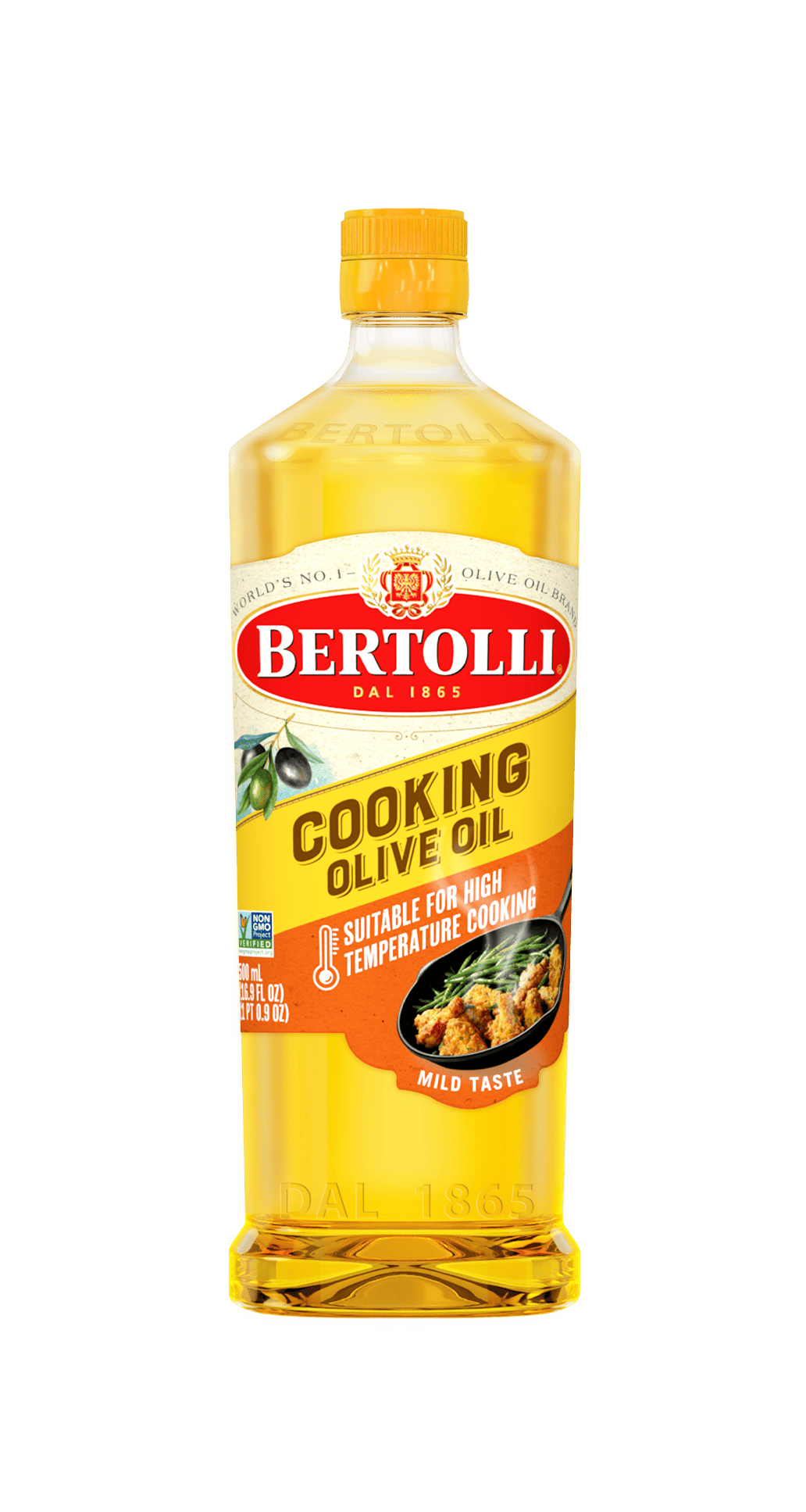
Types of Olive Oil for Cooking
The type of olive oil you choose affects both taste and performance. Understanding the label makes shopping much easier.
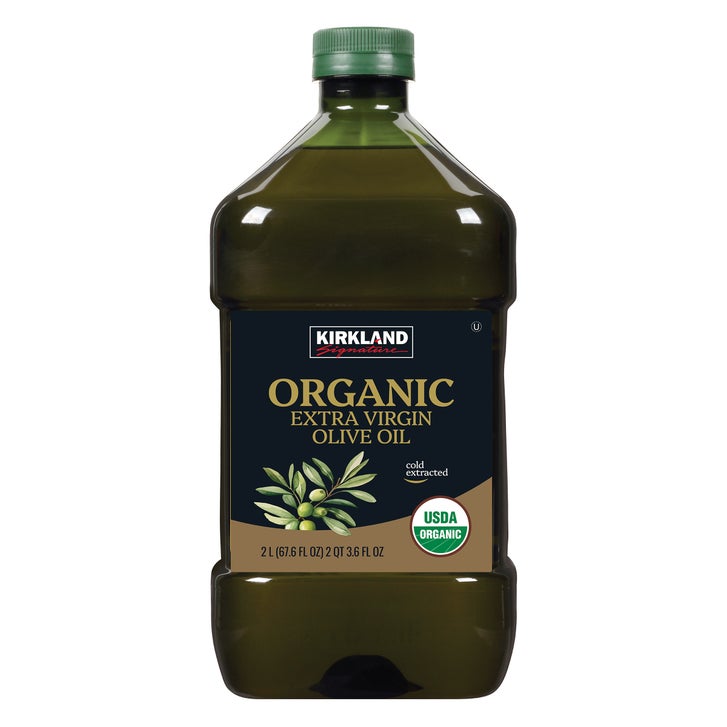
Extra Virgin Olive Oil
Extra virgin olive oil is the least processed common grade. It must meet standards for chemical quality and sensory flavor. It has a stronger taste, which may include grassy, fruity, peppery, or slightly bitter notes.
Extra virgin olive oil is a good choice for:
• Salad dressings
• Finishing soups and pasta
• Sautéing at moderate heat
• Roasting vegetables
• Marinating meat, fish, or tofu
Extra virgin olive oil can also be used for frying and roasting. Its smoke point varies by quality, age, and free fatty acid level, but it generally performs well in normal home cooking.
Virgin Olive Oil
Virgin olive oil is also produced without extensive refining, but it allows more flavor or quality defects than extra virgin olive oil. It is less common in many American grocery stores.
It can work for cooking, especially when a strong premium flavor is not needed. However, always check the bottle for a clear harvest date, freshness, and proper storage.
Regular or Pure Olive Oil
Regular olive oil is often a blend of refined olive oil and virgin olive oil. It has a mild flavor and a lighter color than extra virgin olive oil.
Olive oil for cooking in this style is useful for:
• Pan-frying
• Baking
• Grilling
• Sautéing foods with delicate flavors
• Recipes that need a neutral taste
Refining removes many flavor compounds. It can also reduce some of the natural antioxidants found in extra virgin olive oil.
Light Olive Oil
Light olive oil is refined and has a mild taste. The word “light” refers to flavor and color, not calories or fat content.
All olive oil contains about the same number of calories per tablespoon. Light olive oil may be helpful when you want cooking performance without a noticeable olive flavor, but it is not a lighter food.
Olive Pomace Oil
Olive pomace oil comes from the remaining olive material after the first extraction. It is treated and blended for use in cooking.
It is generally mild and suited to high-heat cooking. Still, many home cooks prefer extra virgin or regular olive oil because they offer a more familiar flavor and clearer product identity.
Is Olive Oil Good for Cooking?
Yes, olive oil is a useful cooking oil for most home recipes. It has a high level of monounsaturated fat, which is more stable than many polyunsaturated fats during moderate heating.
Research on Mediterranean-style eating patterns links regular olive oil use with better heart health outcomes. The benefit is not only from the oil itself. It also comes from the overall eating pattern, which often includes vegetables, beans, whole grains, seafood, nuts, and less processed meat.
Olive oil for cooking may help improve a meal in three ways:
• It adds satisfying flavor, which can make vegetables more enjoyable.
• It helps the body absorb fat-soluble vitamins such as vitamins A, D, E, and K.
• It can replace fats higher in saturated fat, such as butter or some shortening products.
The amount still matters. One tablespoon contains roughly 120 calories, so generous pouring can add up quickly. A measuring spoon, oil mister, or small pour spout can help you control portions without giving up flavor.
Olive oil is not a cure or a magic food. It works best as part of a balanced diet. People with specific health conditions should follow advice from a qualified health professional.
Cooking Temperatures and Smoke Point
The smoke point is the temperature at which an oil begins to produce visible smoke. At that stage, the oil breaks down more quickly and may create an unpleasant taste.
The exact smoke point of olive oil is not one fixed number. It depends on:
• The oil’s grade
• Its age
• How it was stored
• Its free fatty acid level
• The quality of the olives
• Whether the oil contains impurities
Many extra virgin olive oils have smoke points suitable for common home cooking. Sautéing, roasting, and pan-frying usually stay within a practical range when the pan is not overheated.
A simple rule is to avoid letting olive oil for cooking smoke heavily. If the oil starts smoking, remove the pan from the heat, let it cool, and wipe it out if the smell is sharp or burnt.
Choosing Oil by Heat
Use this guide as a practical starting point:
• Low heat: Extra virgin olive oil works well for gentle warming, sauces, and soft vegetables.
• Medium heat: Extra virgin or regular olive oil suits sautéing, eggs, fish, and most vegetables.
• Medium-high heat: Regular, refined, or light olive oil may be better for searing and frying.
• Very high heat: Use a refined oil designed for the job, and never leave hot oil unattended.
Home stoves vary widely. A medium setting on one burner may be much hotter than medium on another. Watch the food and oil rather than relying only on the dial.

Health Benefits of Olive Oil for Cooking
Olive oil for cooking can support a healthy eating pattern when it replaces less desirable fats and fits your calorie needs.
Heart-Friendly Fat
Extra virgin olive oil is rich in monounsaturated fat. Replacing some saturated fat with unsaturated fat may help support healthier blood cholesterol levels.
This does not mean every product containing olive oil is automatically healthy. A fried, heavily salted food can still be high in calories and sodium. The full recipe matters.
Natural Antioxidants
Extra virgin olive oil contains phenolic compounds and vitamin E. These substances help protect the oil from oxidation and may contribute to its health value.
The amount of these compounds varies from bottle to bottle. Fresher oils, proper storage, and high-quality production can help preserve them.
Better Vegetable Absorption
Adding olive oil to vegetables may help the body absorb carotenoids and other fat-soluble compounds. For example, a little olive oil on tomatoes, carrots, spinach, or peppers can make a simple vegetable dish more satisfying.
This is one reason olive oil for cooking fits naturally into meals built around plants. It acts like a bridge between flavor and nutrition.
Possible Anti-Inflammatory Effects
Some compounds in extra virgin olive oil may have anti-inflammatory activity. However, laboratory findings do not always translate into the same effect in every person.
It is more accurate to view olive oil as one helpful part of a long-term eating pattern rather than a stand-alone treatment.
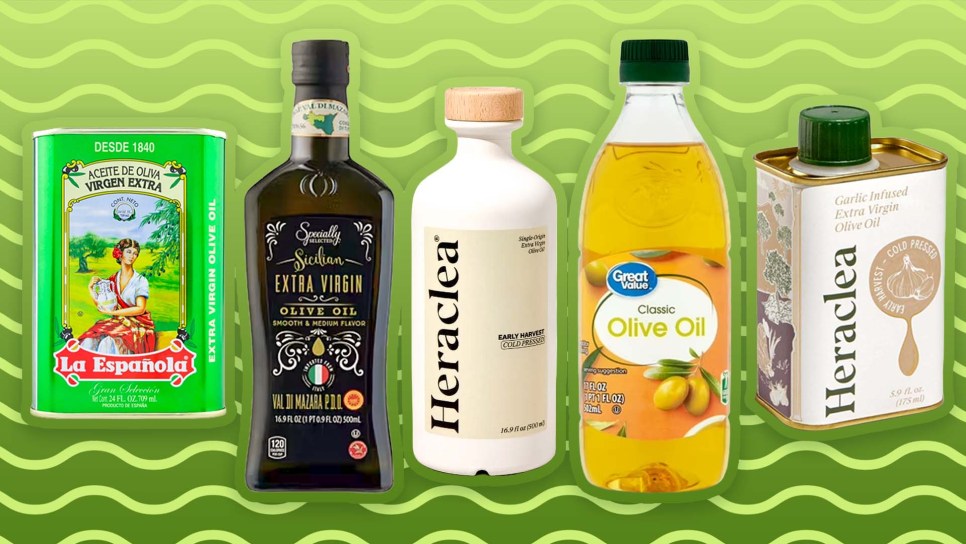
How to Choose the Best Olive Oil
A good bottle does not need to be the most expensive one. Focus on freshness, packaging, and how you plan to use it.
Check the Label
Look for:
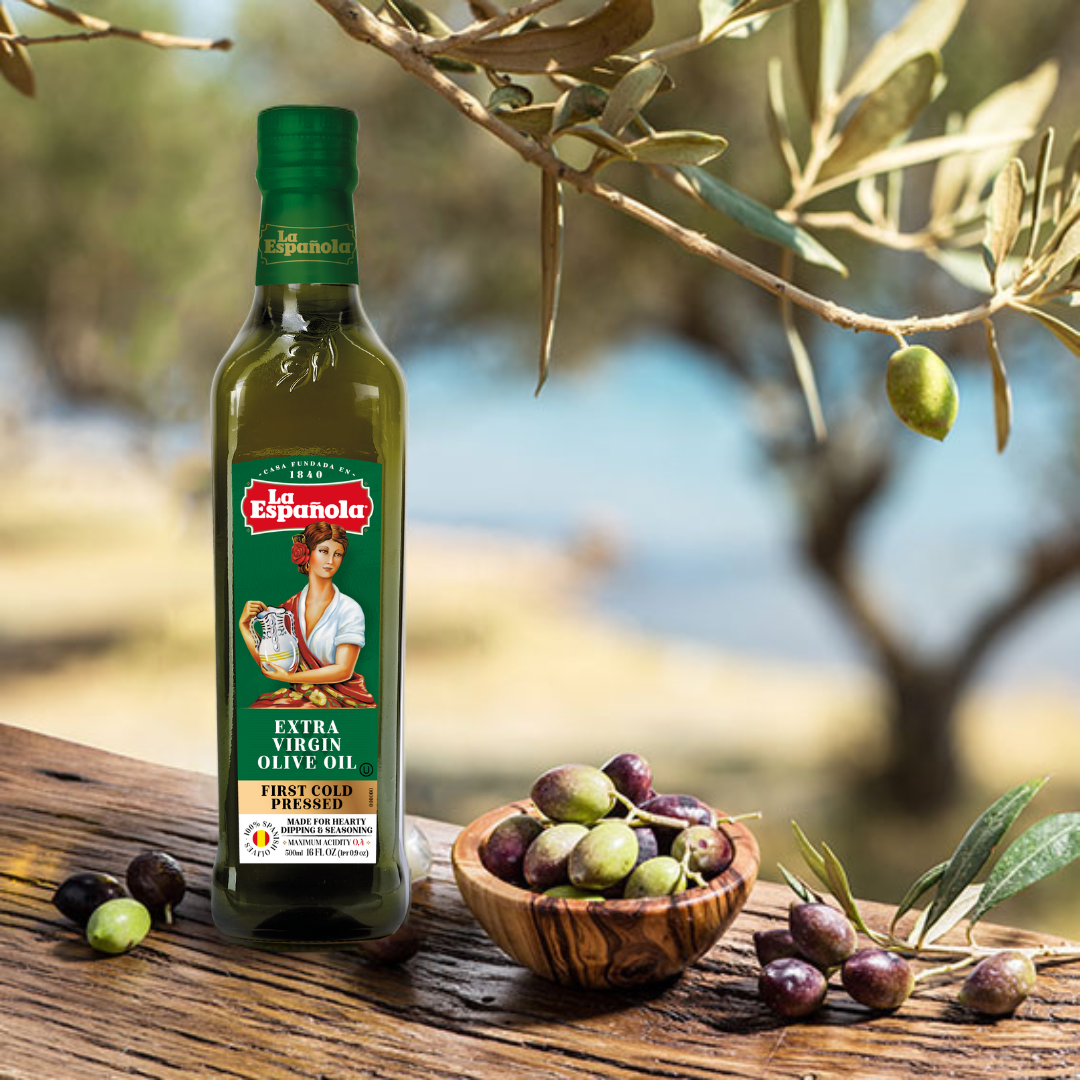
• “Extra virgin olive oil” when you want the best fresh flavor
• A harvest date, when available
• A best-by date that is not close
• A dark glass bottle or metal tin
• A clear country or region of origin
• A bottle size you can use within a few months
A harvest date tells you more about freshness than a best-by date alone. Olive oil is best when it is fresh, and its flavor slowly fades over time.
Match Flavor to Food
Extra virgin olive oil may taste grassy, fruity, peppery, mild, or bitter. These traits are not necessarily defects. A peppery finish can be a pleasant sign of natural phenolic compounds.
Try mild oil with:
• Cakes and muffins
• Delicate fish
• Mild vegetables
• Rice and grains
Try robust oil with:
• Beans
• Tomato sauces
• Grilled meats
• Hearty soups
• Crusty bread
A small tasting can help. Pour a teaspoon into a cup, warm it gently in your hands, and taste it. Fresh oil should smell and taste clean. A smell like crayons, stale nuts, or old paint may signal rancidity.
How to Store Olive Oil
Heat, light, oxygen, and time are the main enemies of olive oil. Good storage can protect both taste and quality.
Follow these simple tips:
• Store olive oil in a cool, dark cabinet.
• Keep it away from the stove, oven, and sunny windows.
• Close the cap tightly after every use.
• Avoid storing it beside a dishwasher or other heat source.
• Buy a smaller bottle if you use oil slowly.
• Keep the oil in its original dark container when possible.
Do not worry if olive oil becomes cloudy or thick in a cold room. This can happen naturally and does not always mean the oil is spoiled. Let it return to room temperature before judging its appearance.
The best test is smell and taste. If it smells stale, waxy, or musty, replace it. Rancid oil is not usually a serious poisoning risk, but it can taste unpleasant and has lost some of its quality.

Best Ways to Use Olive Oil for Cooking
Olive oil is easy to use, but small technique changes can improve your results.
Sautéing
Warm the pan first, then add olive oil for cooking. Add the food when the oil looks fluid and shimmers lightly, but do not wait for smoke.
Avoid overcrowding the pan. Too much food releases water and may cause steaming instead of browning.
Roasting
Toss vegetables with enough oil to coat them lightly. Add salt, pepper, garlic, herbs, or spices before roasting.
For crisp results, spread the food in one layer. If pieces touch too closely, they may soften instead of browning.
Pan-Frying
Use enough oil to coat the pan and support even cooking. Keep the heat steady and turn the food when the underside is golden.
Never pour water into hot oil. If a grease fire starts, turn off the heat if it is safe to do so and cover the pan with a metal lid. Do not use water.
Baking
Olive oil for cooking can replace butter or other fats in many baking recipes. Mild olive oil works best in cakes, quick breads, muffins, and brownies.
The texture may be slightly softer or more moist than a butter-based recipe. Strong extra virgin olive oil can add a peppery note, so choose the flavor with care.
Finishing
A final drizzle of extra virgin olive oil can brighten pasta, soup, roasted vegetables, beans, and grilled fish. Add it after cooking when you want the fresh aroma and flavor to remain clear.

Common Mistakes to Avoid
Using olive oil well is simple once you avoid a few common errors.
• Buying a large bottle and storing it for years: Freshness matters, so buy an amount you can finish in a reasonable time.
• Leaving oil beside the stove: Heat speeds oxidation and weakens flavor.
• Assuming light olive oil has fewer calories: It usually has a lighter taste, not fewer calories.
• Heating oil until it smokes: Smoking means the oil is overheating.
• Using strong oil in every recipe: Robust extra virgin olive oil may overpower mild foods.
• Judging quality by color alone: Color can be changed by olive variety and processing. Smell and taste are more useful.
• Treating smoke point as the only quality measure: Stability, freshness, antioxidants, and flavor also matter.
One mistake I made early on was using a bold, peppery oil for every dish. It was wonderful on beans and bread but too strong for delicate white fish. Now I keep one robust bottle and one mild bottle, which gives me much more control.
:max_bytes(150000):strip_icc()/__opt__aboutcom__coeus__resources__content_migration__serious_eats__seriouseats.com__images__2015__03__20150320-cooking-olive-oil-vicky-wasik-3-3666952dafbb4a7ebacbe27d17f469bc.jpg)
Olive Oil Compared With Other Cooking Oils
No single cooking oil is best for every recipe. The right choice depends on flavor, heat, nutrition, and budget.
Olive Oil vs. Canola Oil
Canola oil has a mild flavor and works well for baking, sautéing, and frying. Olive oil offers more flavor, especially in extra virgin form, and is often preferred in Mediterranean-style recipes.
Olive Oil vs. Avocado Oil
Avocado oil is mild and often used for higher-heat cooking. It can be more expensive, while olive oil is available in a wider range of prices and flavors.
Olive Oil vs. Coconut Oil
Coconut oil has a distinct taste and contains a high amount of saturated fat. Olive oil contains more monounsaturated fat and is often used as an everyday option in heart-conscious eating patterns.
Olive Oil vs. Butter
Butter adds a rich dairy flavor and works well in baking and sauces. Olive oil can provide a plant-based alternative and may help reduce saturated fat when used in place of some butter.
A practical kitchen does not need just one fat. Many cooks keep olive oil for cooking, butter for flavor, and a neutral oil for recipes that need little taste.
Is Olive Oil Safe for Frying?
Olive oil can be used for shallow frying and many forms of pan-frying when the temperature is controlled. Refined olive oil may be a better choice when you need a mild flavor and higher heat.
Deep-frying requires extra care. Use a stable oil, avoid filling the pot too high, keep water away from hot oil, and monitor the temperature with a thermometer.
Repeatedly heating and cooling the same oil can reduce quality. Strain oil only when appropriate, store it safely for a short time, and discard it if it smells burnt, looks very dark, or foams unusually.
For most home cooks, olive oil for cooking is easiest to use in sautéing, roasting, baking, and moderate pan-frying.
Frequently Asked Questions About Olive Oil for Cooking
Is extra virgin olive oil good for cooking?
Yes. Extra virgin olive oil works well for sautéing, roasting, baking, and moderate pan-frying. Use it when you enjoy its flavor and avoid heating it until it smokes.
Can you fry with olive oil?
Yes, olive oil can be used for shallow frying and many pan-frying tasks. Keep the heat controlled, choose a suitable grade, and never leave hot oil unattended.
Is light olive oil healthier than extra virgin olive oil?
No. “Light” usually describes a lighter flavor and color, not fewer calories. Extra virgin olive oil generally contains more natural flavor compounds and antioxidants because it is less processed.
How long does olive oil last after opening?
Olive oil is usually best within several months after opening, although storage conditions make a difference. Keep it tightly sealed in a cool, dark place and replace it when it smells stale or tastes rancid.
Can olive oil replace butter in baking?
Often, yes. Use a mild olive oil in cakes, muffins, quick breads, and some cookies, but remember that butter and oil have different water content and textures, so the recipe may need adjustment.
Should olive oil be refrigerated?
Refrigeration is not necessary for most homes and may make the oil cloudy or thick. A cool, dark cabinet is usually better for daily use.
Does olive oil lose its health benefits when heated?
Heating can reduce some delicate compounds, especially at very high temperatures. However, olive oil remains a useful cooking fat, and normal cooking does not make it worthless.
Conclusion
Olive oil for cooking is a practical, flavorful choice for sautéing, roasting, baking, pan-frying, and finishing meals. Extra virgin olive oil brings the most character, while regular or light olive oil offers a milder taste for higher-heat or delicate recipes.
Choose a fresh bottle, store it away from heat and light, and match the oil’s flavor to the food. Start with one mild bottle and one robust bottle, then experiment with vegetables, fish, grains, beans, and baked goods. Try these tips in your next meal, and share your favorite olive oil recipe or cooking method in the comments.