
Extra virgin olive oil is safe for most cooking and adds rich flavor, healthy fats, and useful antioxidants.
Extra virgin olive oil for cooking is more than a finishing oil. It can sauté vegetables, roast chicken, bake bread, and dress warm grains while adding a smooth, peppery taste. After testing it in everyday meals, I have learned that the best results come from matching the oil’s flavor and heat level to the dish. This guide explains how to cook with it, protect its quality, avoid common mistakes, and choose a good bottle.
What Is Extra Virgin Olive Oil?
Extra virgin olive oil is the least processed grade of olive oil. It comes from fresh olives and is made with mechanical methods, not chemical refining. To earn the “extra virgin” label, the oil must meet strict chemical and sensory standards, including very low free acidity and no major flavor defects.
Good extra virgin olive oil often has fresh notes of grass, herbs, fruit, or green tomato. It may also taste slightly bitter or peppery. These traits are not flaws. They often come from natural plant compounds called polyphenols.
Extra virgin olive oil for cooking keeps much of the olive’s natural character. Refined olive oil has a milder taste because it goes through more processing. Both can work in the kitchen, but they offer different flavors and nutritional profiles.
Look for these details on the bottle:
- “Extra virgin olive oil” as the exact grade
- A harvest date, when available
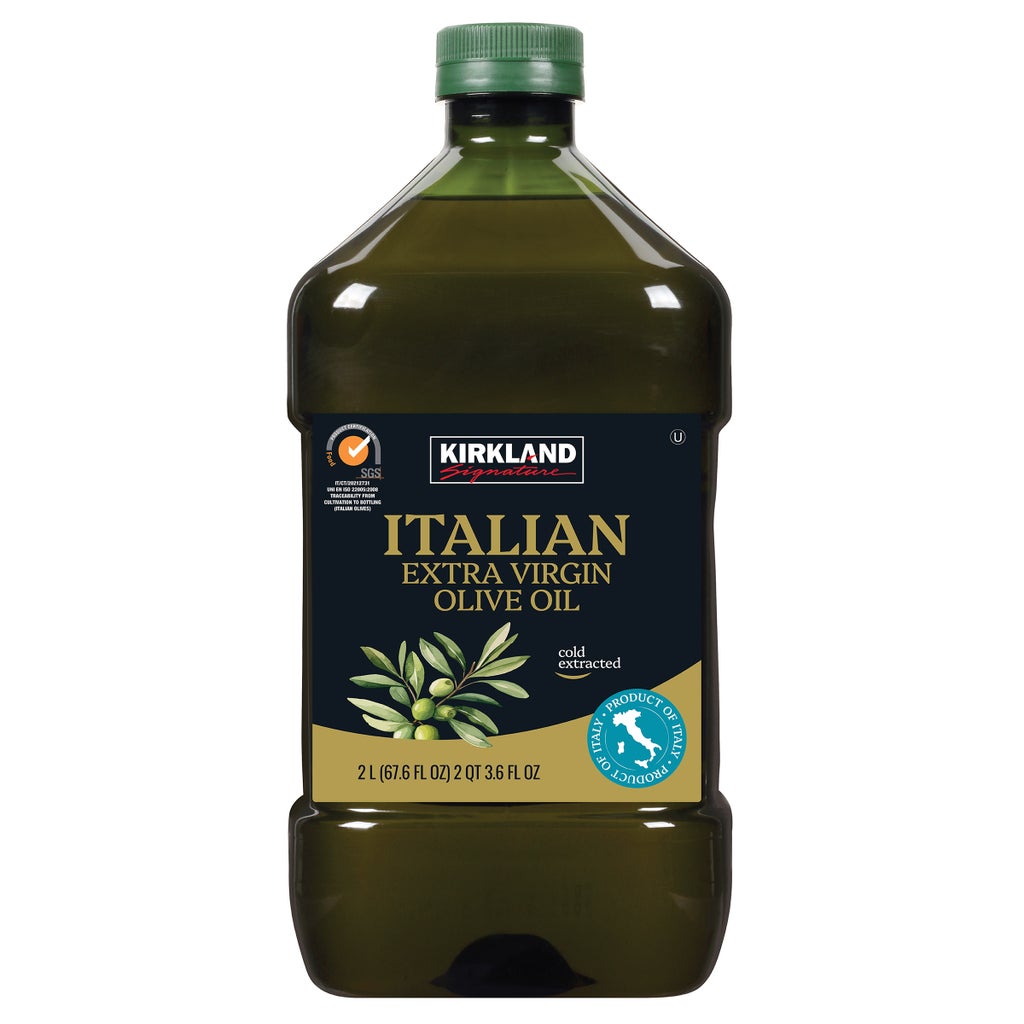
- A dark glass bottle or metal tin
- A country or region of origin
- A small bottle size if you use oil slowly
- A trusted producer with clear labeling
The harvest date matters because olive oil is best when fresh. Unlike wine, it usually does not improve with age. Once opened, it slowly loses aroma and some beneficial compounds.
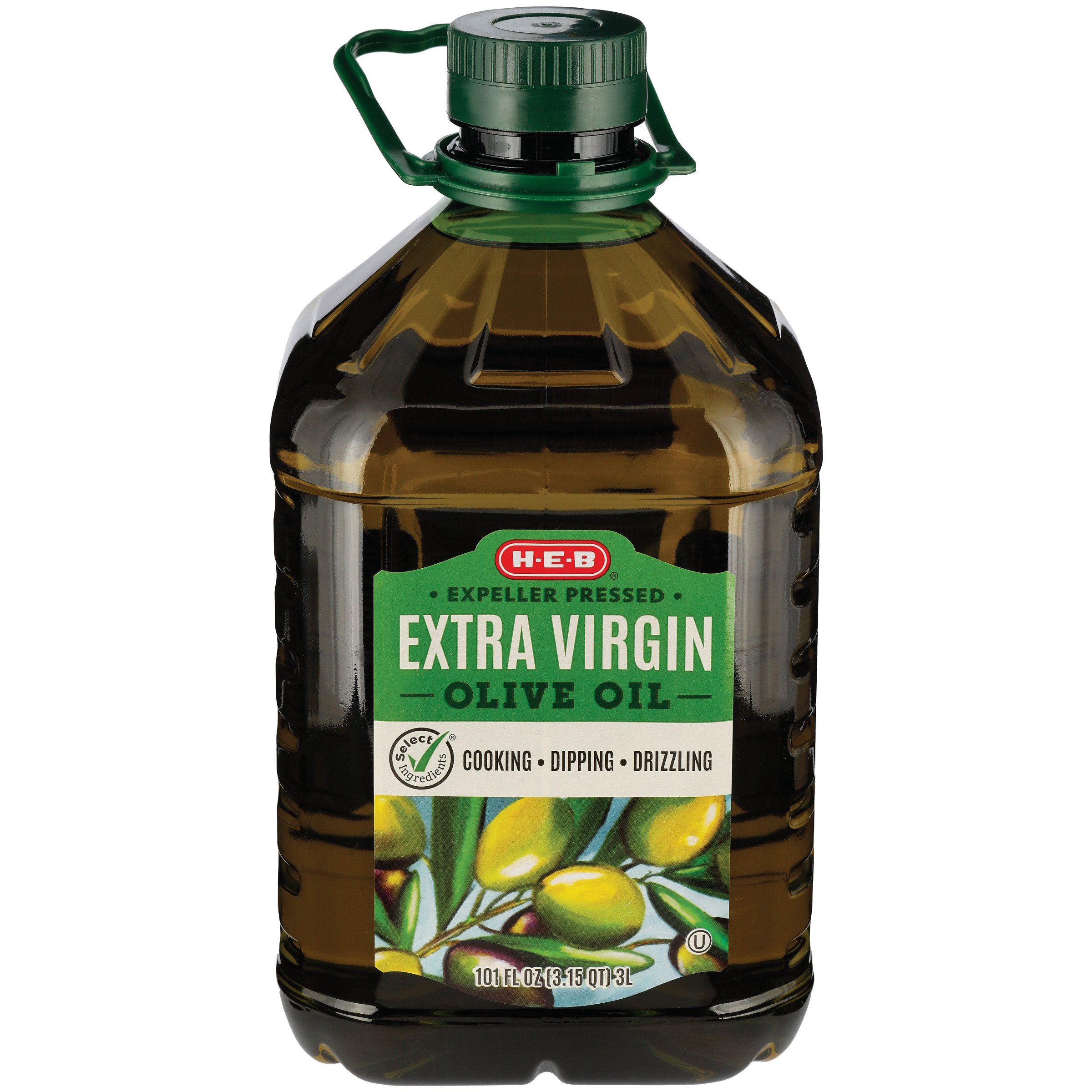
Is Extra Virgin Olive Oil Good for Cooking?
Yes, extra virgin olive oil is suitable for many cooking methods, including sautéing, roasting, baking, grilling, and pan-frying. Its main fat is oleic acid, a monounsaturated fat that is fairly stable during normal cooking.
The oil’s smoke point is often listed between about 350°F and 410°F. The exact number depends on the olive variety, freshness, free fatty acid level, and processing. Smoke point is useful, but it is not the only measure of cooking performance.
A pan that lightly shimmers is usually ready for cooking. If the oil smokes heavily, the heat is too high. Turn down the burner, move the pan away from heat, and let it cool before starting again.
Research on cooking oils shows that extra virgin olive oil can remain stable during common household cooking. Heat may reduce some antioxidants, but it does not suddenly turn the oil into a harmful product. The overall result depends on the temperature, cooking time, and repeated use.
Extra virgin olive oil for cooking is especially useful when you want both flavor and a simple ingredient list. It can replace butter or other oils in many recipes, though its olive taste may change the final dish.
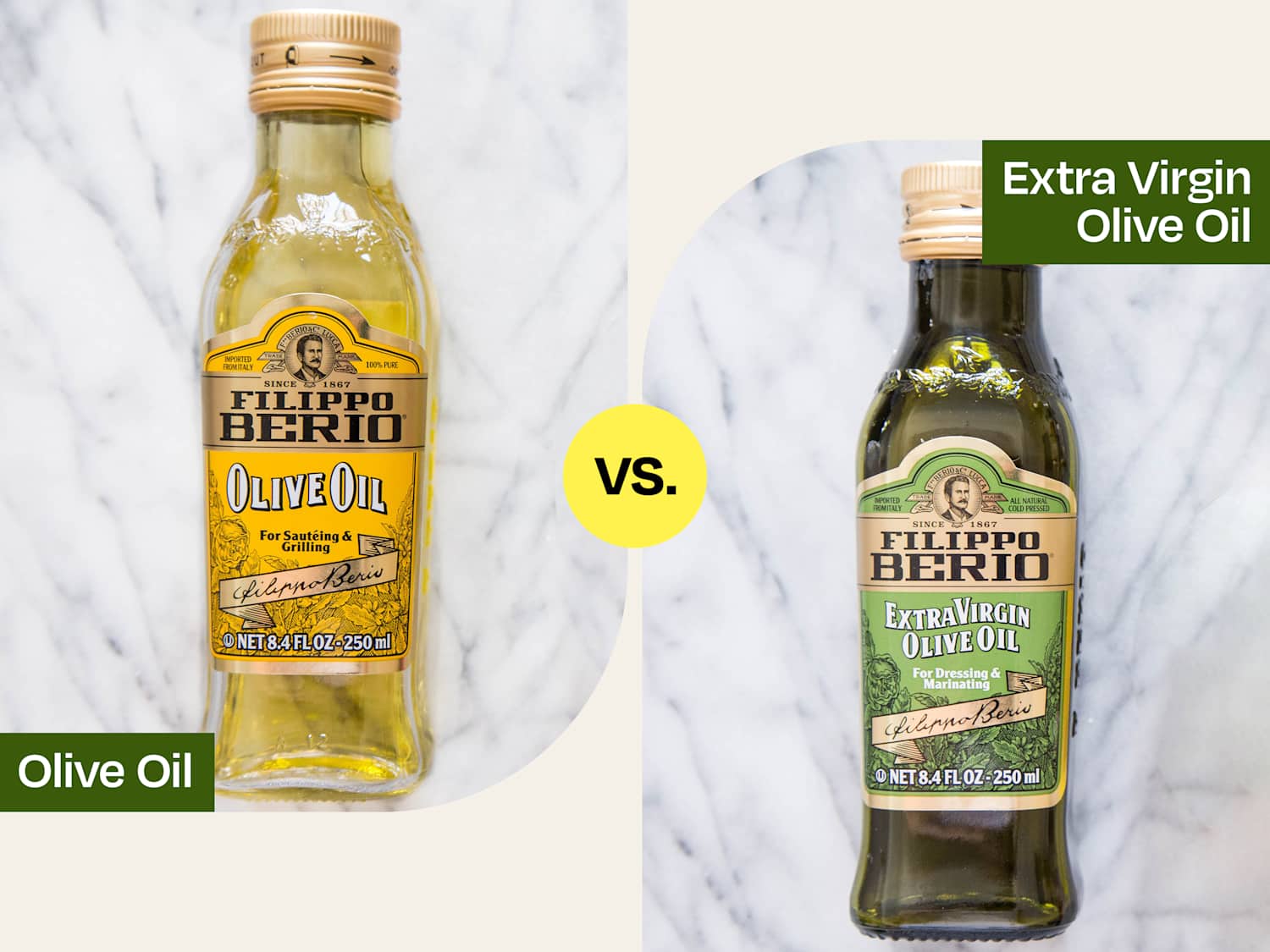
Health Benefits of Cooking With Extra Virgin Olive Oil
Extra virgin olive oil contains mostly monounsaturated fat. Replacing butter, shortening, or some sources of saturated fat with unsaturated oils can support a heart-friendly eating pattern.
It also contains small amounts of vitamin E, vitamin K, and natural polyphenols. These compounds help protect the oil from oxidation and may support the body’s normal defenses against oxidative stress.
The strongest health evidence comes from eating patterns, not from one ingredient alone. Mediterranean-style diets often include extra virgin olive oil, vegetables, beans, whole grains, fish, nuts, and moderate amounts of dairy and meat. Studies of these diets link them with better heart health and a lower risk of several chronic conditions.
Here are practical benefits of using extra virgin olive oil for cooking:
- It helps add unsaturated fat to meals.
- It can make vegetables more enjoyable and satisfying.
- It may help your body absorb fat-soluble vitamins from foods.
- It adds flavor without the need for heavy sauces.
- It works well in meals rich in vegetables, beans, grains, and fish.
It is still calorie-dense. One tablespoon has about 120 calories, so more is not always better. Use enough to cook and flavor food, but measure it when you are watching calorie intake.
No single oil can replace medical care or a balanced diet. People with specific health conditions should follow advice from a qualified health professional.

Best Cooking Methods for Extra Virgin Olive Oil
Sautéing
Sautéing is one of the easiest ways to use extra virgin olive oil for cooking. Warm one to two tablespoons over medium heat, then add vegetables, garlic, tofu, seafood, or meat.
Start with foods that need the most time. For example, add onions first, then carrots, peppers, and softer vegetables. Keep the heat moderate so the oil does not smoke and delicate ingredients do not burn.
Roasting
Extra virgin olive oil works well for roasted vegetables, potatoes, chicken, and fish. Toss the food with a light coating of oil, salt, and herbs before placing it in the oven.
Most roasting temperatures between 375°F and 425°F work well. Spread the food in one layer so it browns instead of steaming. If the oil smokes in your oven, lower the temperature or use less oil.
Baking
You can use extra virgin olive oil in cakes, muffins, quick breads, and savory loaves. Mild olive oil gives the most neutral result, while a bold oil can add a fruity or peppery note.
When replacing melted butter, the texture may change slightly. Olive oil can make baked goods moist, but it does not provide the same buttery taste. Start with recipes designed for olive oil or use a tested conversion.
Grilling
Brush vegetables, bread, fish, or lean meat with a thin layer of extra virgin olive oil before grilling. This can improve browning and help prevent sticking.
Do not soak food in oil. Excess oil can drip onto the flame and create flare-ups. A small brush or spray gives you better control.
Pan-frying
Extra virgin olive oil can work for shallow pan-frying at moderate heat. Use a stable pan, avoid crowding, and watch for smoke.
For very high-heat frying or repeated commercial use, a refined oil may be more practical. Refined oils have a milder taste and often tolerate stronger heat. The best choice depends on the recipe and your cooking habits.
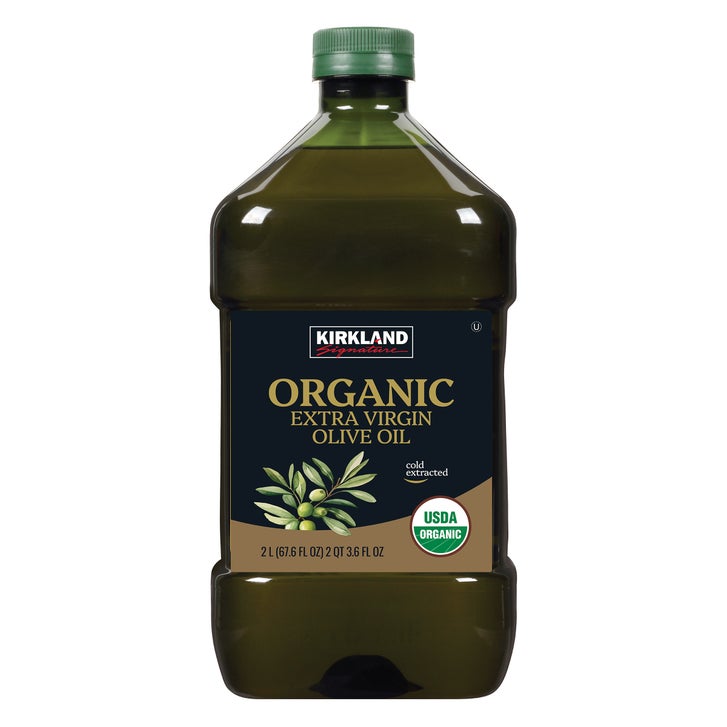
How to Choose the Best Extra Virgin Olive Oil for Cooking
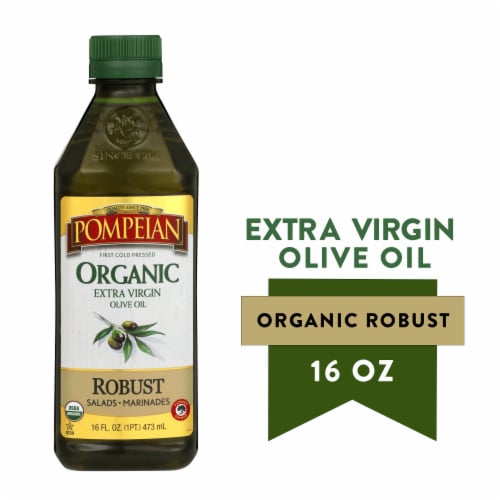
The best bottle depends on the food you prepare. A mild oil suits baking, eggs, fish, and delicate vegetables. A robust oil is better for steak, beans, tomato sauce, rustic bread, and hearty soups.
Try to buy oil in a dark container. Light speeds up oxidation and can damage flavor. Store it in a cool cupboard away from the stove, dishwasher, and sunny window.
A useful buying checklist includes:
- Choose a harvest date when possible.
- Buy a size you can finish within a few months after opening.
- Check that the cap seals tightly.
- Avoid bottles sitting under bright store lights.
- Be cautious of extremely low prices.
- Taste the oil if a shop offers samples.
Fresh extra virgin olive oil should smell pleasant. It may remind you of cut grass, green fruit, herbs, or almonds. A harsh crayon smell, stale nut aroma, or greasy odor can signal age or poor storage.
Color is not a reliable quality test. Green oil is not always better than golden oil. Professional tasters often use blue glasses so color does not influence judgment.
Certification seals can add confidence, but they do not replace proper storage and a fresh harvest date. A reputable producer should provide clear information about the oil’s origin and production.
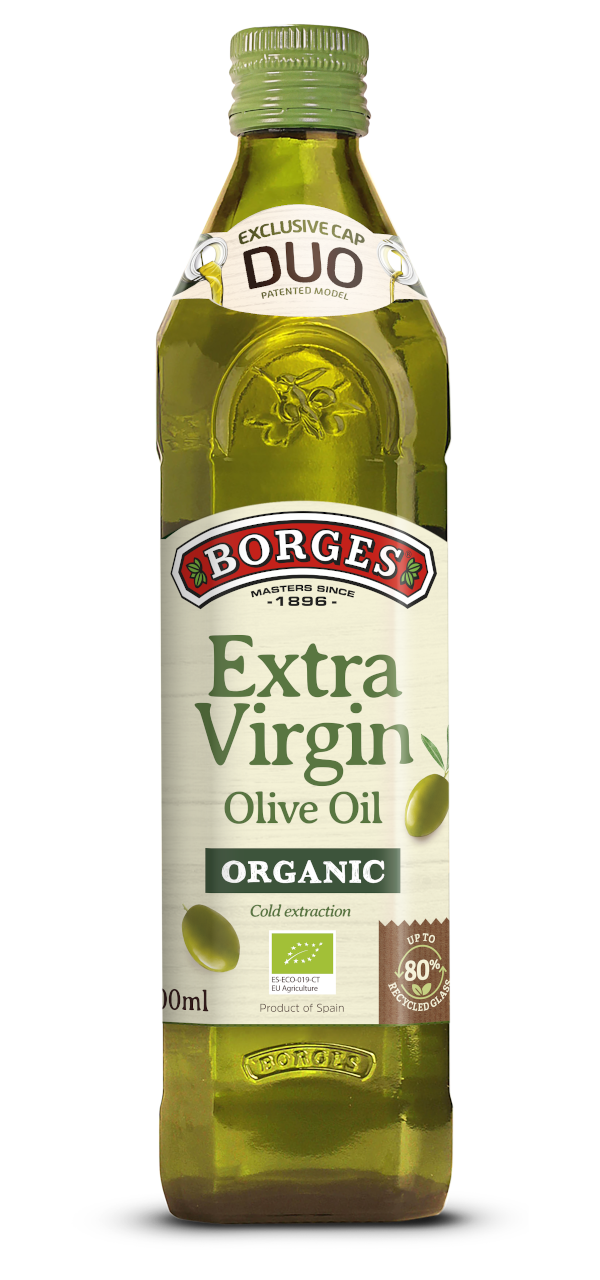
How to Store Extra Virgin Olive Oil
Heat, light, air, and time are the main enemies of olive oil. Think of the bottle as fresh produce in liquid form. It needs protection, even though it is more stable than many other plant oils.
Follow these storage habits:
- Keep the bottle in a cool, dark cabinet.
- Close the cap after every use.
- Do not store it beside the stove.
- Avoid leaving the bottle open during meal preparation.
- Use smaller bottles if you cook with oil only once in a while.
- Never pour fresh oil into a dirty container.
A cool pantry is usually better than the refrigerator. Refrigeration can make the oil cloudy or thick, although this does not mean it has spoiled. Let it return to room temperature before judging its aroma.
Most opened bottles taste best when used within a few months. The exact shelf life depends on freshness, packaging, and storage. If the oil smells flat, waxy, or stale, it is time to replace it.
One mistake I often see in home kitchens is keeping a large bottle beside the cooktop for convenience. I made the same mistake years ago. The oil was easy to reach, but the repeated heat slowly weakened its flavor. A small pour bottle in the cabinet worked much better.
Common Mistakes When Cooking With Extra Virgin Olive Oil
Using heat that is too high
A hot pan can burn the oil and the food. Medium heat is enough for most sautéing tasks. Add the ingredients soon after the oil warms.
Judging quality by color
Color does not tell you whether oil is fresh or authentic. Taste and smell offer better clues.
Buying more than you can use
A large bottle may seem economical, but old oil loses its best qualities. Buy a quantity that fits your cooking routine.
Using a bold oil for every dish
Strong extra virgin olive oil can overpower mild foods. Use a delicate oil for white fish, light sauces, and simple baked goods.
Assuming smoke point tells the whole story
Smoke point does not measure flavor, freshness, nutrition, or oxidation stability by itself. Cooking temperature and time both matter.
Reusing oil too many times
Repeated heating can break down any cooking oil. If oil becomes dark, thick, foamy, or strongly scented, discard it. Do not pour used oil down the sink. Let it cool, place it in a sealed container, and follow local disposal rules.
Treating “extra virgin” as a guarantee of freshness
The label describes the grade at certification. It does not stop the oil from aging after bottling. Harvest information and proper storage still matter.
Extra Virgin Olive Oil for Different Foods
Extra virgin olive oil for cooking can fit almost any meal, but the flavor should match the ingredients.
For vegetables, use a medium or bold oil with garlic, lemon, basil, rosemary, or smoked paprika. For eggs, choose a mild or medium oil so the olive flavor supports rather than dominates the dish.
For meat and poultry, a robust oil works well with black pepper, cumin, oregano, and chili. For fish, a mild oil with lemon and parsley often gives a cleaner taste.
For beans and grains, a peppery oil can make a simple bowl taste special. Try drizzling it over lentil soup, chickpeas, brown rice, or warm farro just before serving.
Here are easy meal ideas:
- Roast broccoli with extra virgin olive oil, garlic, and lemon zest.
- Sauté spinach with olive oil, beans, and a pinch of red pepper.
- Brush whole-grain bread with oil before toasting.
- Bake salmon with olive oil, herbs, and sliced tomatoes.
- Toss warm potatoes with olive oil, mustard, and fresh parsley.
- Use olive oil in a simple vinaigrette for cooked vegetables.
A useful kitchen lesson is to taste as you cook. Add a little oil first, then adjust after the food is done. This prevents a heavy dish and lets you notice the oil’s flavor.
Can You Cook Extra Virgin Olive Oil at High Heat?
You can use extra virgin olive oil for many high-temperature methods, but avoid letting it smoke. Roasting, grilling, and pan-frying can be suitable when the oil stays below its smoke point.
The smoke point varies between oils. Fresh, well-made extra virgin olive oil may perform differently from old or poorly stored oil. Do not treat one exact temperature as a universal safety line.
For very high heat, choose a method that gives you control. Warm the pan gradually, use enough food to lower the surface temperature, and remove the pan if smoking begins.
Extra virgin olive oil for cooking is not the best choice for every task. Deep frying large amounts of food may require a refined oil with a neutral taste and a higher practical smoke tolerance. Even then, temperature control remains important.
Frequently Asked Questions About Extra Virgin Olive Oil for Cooking
Can you fry with extra virgin olive oil?
Yes, you can pan-fry and shallow-fry with extra virgin olive oil when the temperature is controlled. Avoid heavy smoking, and replace the oil if it becomes dark, thick, or unpleasantly scented.
Is extra virgin olive oil healthier than regular olive oil?
Extra virgin olive oil usually contains more natural antioxidants and flavor compounds because it receives less processing. Regular olive oil is often refined and has a milder taste, but both can provide mostly unsaturated fat.
Can you use extra virgin olive oil for baking?
Yes, extra virgin olive oil works well in many cakes, muffins, breads, and savory baked dishes. Choose a mild oil if you do not want a clear olive flavor.
Does cooking destroy the benefits of extra virgin olive oil?
Heat can reduce some delicate antioxidants, especially during long or very hot cooking. However, the oil still provides monounsaturated fat and remains a useful cooking choice.
How long does extra virgin olive oil last after opening?
It often tastes best within a few months after opening, depending on freshness and storage. Keep it tightly closed in a cool, dark place and replace it when it smells stale or waxy.
Should extra virgin olive oil be refrigerated?
Refrigeration is not usually needed. It may make the oil cloudy or thick, so a cool, dark cabinet is more practical for daily use.
What is the best temperature for cooking with extra virgin olive oil?
Use medium heat for most stovetop cooking and avoid visible smoke. The ideal temperature depends on the food, cooking method, and oil, so steady heat control matters more than one fixed number.
Conclusion
Extra virgin olive oil for cooking is a practical choice for sautéing, roasting, baking, grilling, and moderate frying. It brings healthy unsaturated fat, natural flavor, and useful plant compounds to everyday meals.
Choose a fresh bottle, protect it from light and heat, and match its flavor to the food. Use moderate heat, avoid smoke, and buy only what you can finish while the oil is fresh.
Try one simple change this week: roast vegetables with a fresh extra virgin olive oil, then taste the difference. Explore more cooking guides, share your favorite olive oil recipe, and leave a comment with the method you use most.