
Extra virgin olive oil is the highest-grade olive oil, made mechanically from fresh olives without chemical refining.
Many shoppers see “extra virgin” on a bottle but are unsure what the term really promises. Understanding what does extra virgin olive oil mean can help you choose a fresher oil, avoid misleading labels, and use it with confidence. This guide explains the official meaning, taste, health value, cooking uses, storage tips, and common buying mistakes.
What does extra virgin olive oil mean?
What does extra virgin olive oil mean in simple terms? It means the oil comes from olives and is produced by physical methods rather than chemical solvents. The oil must also meet strict chemical and sensory standards.
Extra virgin olive oil is made by crushing or milling olives, then separating the oil from the fruit paste. No refining, bleaching, or deodorizing is allowed. The oil should have a clean smell and taste, with no serious defects.
The word “virgin” refers to oil made without chemical treatment. The word “extra” identifies the highest quality grade within the virgin olive oil category. It does not simply mean the oil is stronger, thicker, or more expensive.
A bottle labeled extra virgin olive oil should generally meet these key requirements:
• It is obtained only through mechanical or other physical methods.
• It has a free acidity of no more than 0.8 percent under international standards.
• It has no significant sensory defects when tested by trained evaluators.
• It has some positive qualities, such as fruity aroma and flavor.
• It has not been mixed with refined olive oil or other vegetable oils.
The acidity number matters, but it does not tell the whole story. A low-acidity oil can still taste flat if it is old, poorly stored, or made from low-quality olives. Freshness, harvest quality, processing, and storage all shape the final oil.
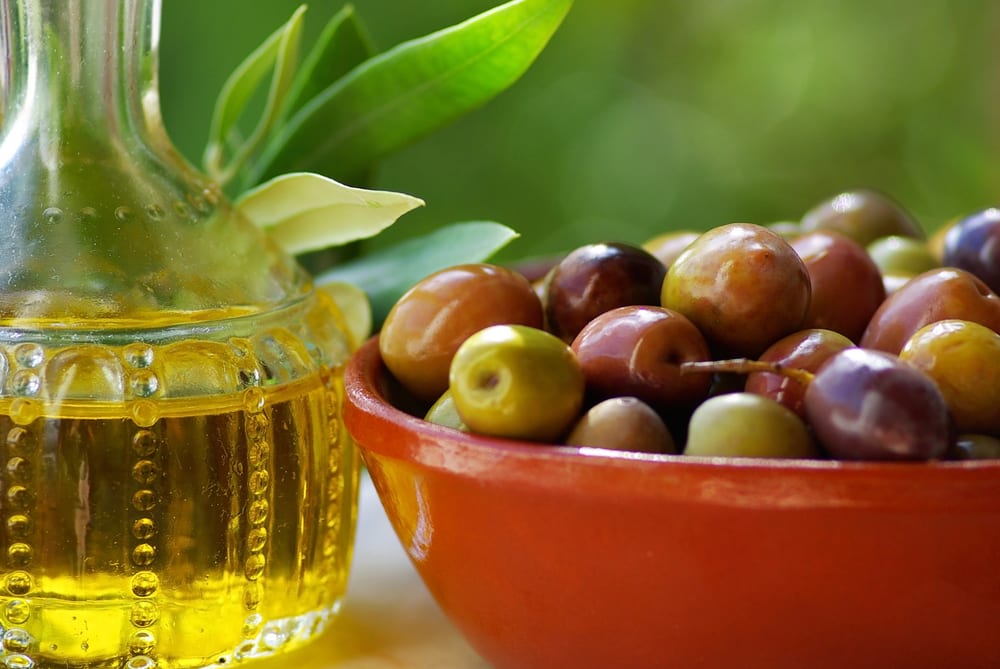
How extra virgin olive oil is made
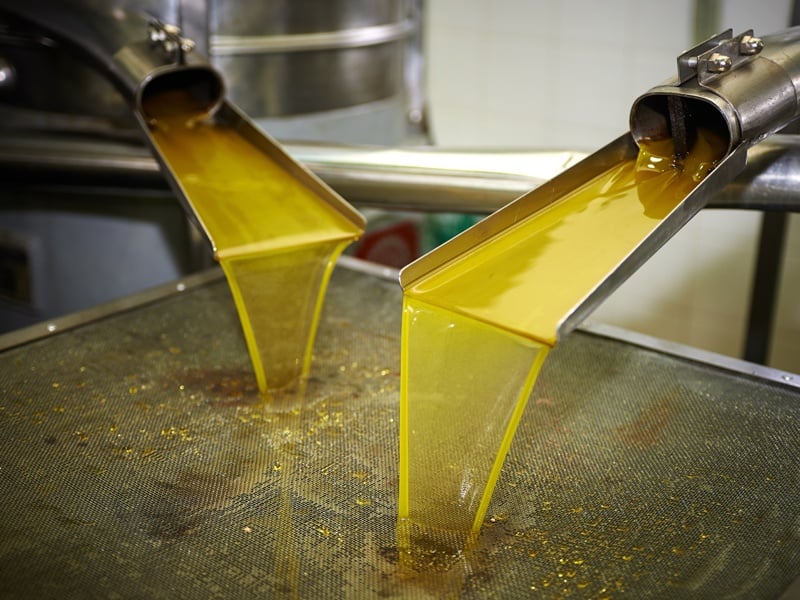
To understand what does extra virgin olive oil mean, it helps to follow the oil from the tree to the bottle. The process begins with healthy olives, often picked while they are green, purple, or fully dark.
Olives are cleaned to remove leaves and dirt. They are then crushed into a paste. A slow mixing step, called malaxation, allows small oil droplets to join together.
The oil is separated from water and olive solids by a centrifuge or a similar physical method. Some producers filter the oil to remove tiny particles and water. Others leave it unfiltered, which may create a cloudy appearance but does not automatically mean better quality.
A careful producer controls several factors:
• Time between harvest and milling
• Olive ripeness
• Cleanliness of the mill
• Temperature during processing
• Exposure to air and light
• Storage before bottling
“Cold extracted” is a useful phrase, but it should not be treated as a magic guarantee. It means the oil was produced without excessive heat under applicable labeling rules. A cold-extracted oil can still be old or poorly stored.
The best oils are often milled soon after harvest. Delays can allow fermentation and spoilage to begin. This is one reason fresh olive oil may smell grassy, herbal, fruity, or peppery, while damaged oil may smell like crayons, stale nuts, or old cooking fat.

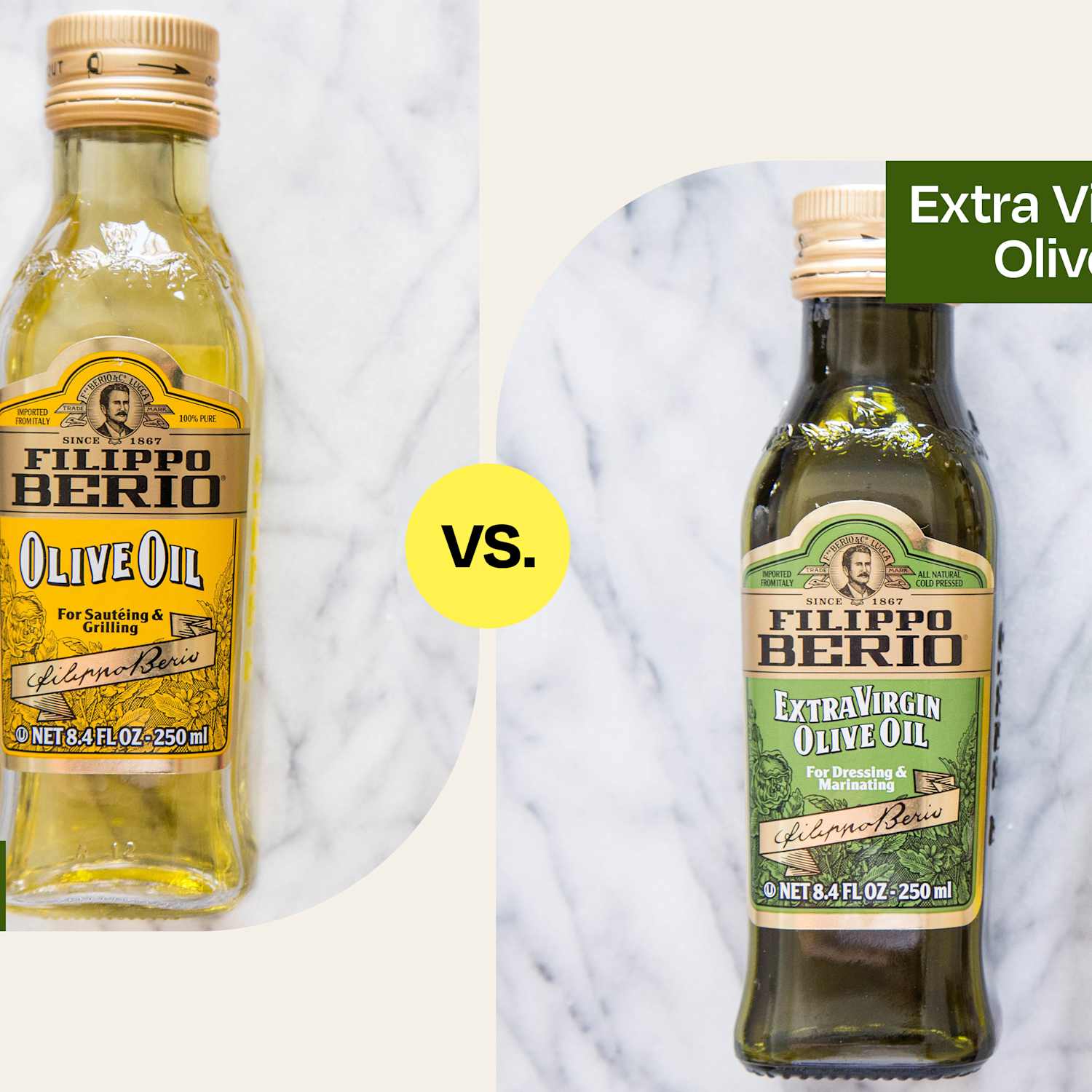
Extra virgin olive oil compared with other olive oils
The answer to what does extra virgin olive oil mean becomes clearer when you compare it with other grades. Olive oil labels can look similar, but the products may differ greatly in production and flavor.
Extra virgin olive oil
This is the highest grade. It comes from mechanical extraction and has no major sensory defects. It usually has the most fresh flavor and the widest range of aromas.
Virgin olive oil
Virgin olive oil is also made by mechanical methods. However, it may have slightly higher acidity or mild sensory flaws. It is still a natural olive oil, but it does not meet the stricter extra virgin standard.
Refined olive oil
Refined olive oil has been treated to remove unwanted flavors, colors, or odors. Heat and chemical processes may be used. Refining creates a more neutral oil, but it removes many natural flavor compounds.
Olive oil or “pure” olive oil
In the United States, a product labeled simply “olive oil” often contains refined olive oil blended with some virgin olive oil. It is usually mild and neutral in taste.
Olive pomace oil
Olive pomace oil is made from the remaining olive material after the first extraction. It undergoes additional processing and is not the same as extra virgin olive oil.
Here is a simple comparison:
| Type | Main production method | Flavor | Typical use |
|---|---|---|---|
| Extra virgin olive oil | Mechanical extraction | Fruity, bitter, peppery, or herbal | Dressings, dipping, finishing, cooking |
| Virgin olive oil | Mechanical extraction | Mild defects may occur | General cooking |
| Olive oil | Refined and blended | Neutral | Frying and everyday cooking |
| Olive pomace oil | Further processing of olive solids | Mild or neutral | Commercial cooking |
The phrase extra virgin does not describe a blend of refined and natural oil. If a bottle contains refined olive oil, it should not be labeled as extra virgin olive oil.
 compared with other olive oils”
style=”max-width: 100%; height: auto; border: 2px solid black; border-radius: 10px; display: block; margin: 0 auto;”
loading=”lazy”
/>
How extra virgin olive oil tastes
Taste is one of the most useful ways to understand what does extra virgin olive oil mean. Good extra virgin olive oil does not have one fixed flavor. Its taste depends on the olive variety, growing region, harvest time, weather, and processing method.
Common positive notes include:
• Fresh grass
• Green apple
• Tomato leaf
• Artichoke
• Almond
• Herbs
• Citrus
• Ripe fruit
A pleasant bitterness is often a good sign. It comes from natural compounds found in olives, especially when the fruit is harvested early. A peppery feeling in the throat can also be normal. It may signal the presence of phenolic compounds.
However, “strong” does not always mean “better.” One person may enjoy a bold, peppery oil, while another may prefer a soft and buttery style. Taste is personal, but the oil should still be fresh and free from defects.
Common warning flavors include:
• Rancid: Like crayons, stale nuts, or old grease
• Musty: Like damp cloth or a moldy basement
• Fusty: Caused by olives that began fermenting before milling
• Winey or vinegary: Linked to unwanted fermentation
• Muddy: Often related to contact with dirty water or sediment
A simple tasting method can help. Pour a small amount into a cup, warm it in your hand, smell it, and then taste it slowly. Notice whether it smells fresh and fruity. A cough or peppery tickle may be normal, but a sour or stale taste is not.

Potential health benefits and limitations
Many people ask what does extra virgin olive oil mean from a health point of view. It is a source of mostly monounsaturated fat, especially oleic acid. It also contains smaller amounts of vitamin E and plant compounds called polyphenols.
Research on Mediterranean-style eating patterns links regular olive oil use with heart-health benefits. These benefits usually appear as part of an overall diet rich in vegetables, beans, whole grains, fish, nuts, and fruit. Olive oil is helpful, but it is not a cure or a replacement for medical treatment.
Extra virgin olive oil may offer:
• A healthier alternative to some solid fats high in saturated fat
• Natural antioxidant compounds
• A useful source of unsaturated fat
• Flavor that can make vegetables and other nutritious foods more enjoyable
Some extra virgin olive oils contain more polyphenols than others. Early harvest oils often taste more bitter and peppery, which may suggest a higher level of certain phenolic compounds. Still, flavor alone cannot provide an exact health measurement.
There are limits to keep in mind:
• Olive oil is calorie-dense, with about 120 calories per tablespoon.
• Health effects depend on the whole diet, not one ingredient.
• More expensive oil is not automatically more nutritious.
• Heating can reduce some delicate compounds, especially with prolonged or very high heat.
• People with specific medical needs should follow advice from a qualified health professional.
The most practical approach is simple: use extra virgin olive oil in place of less healthy fats when it fits your diet, and pay attention to portion size.
Can you cook with extra virgin olive oil?
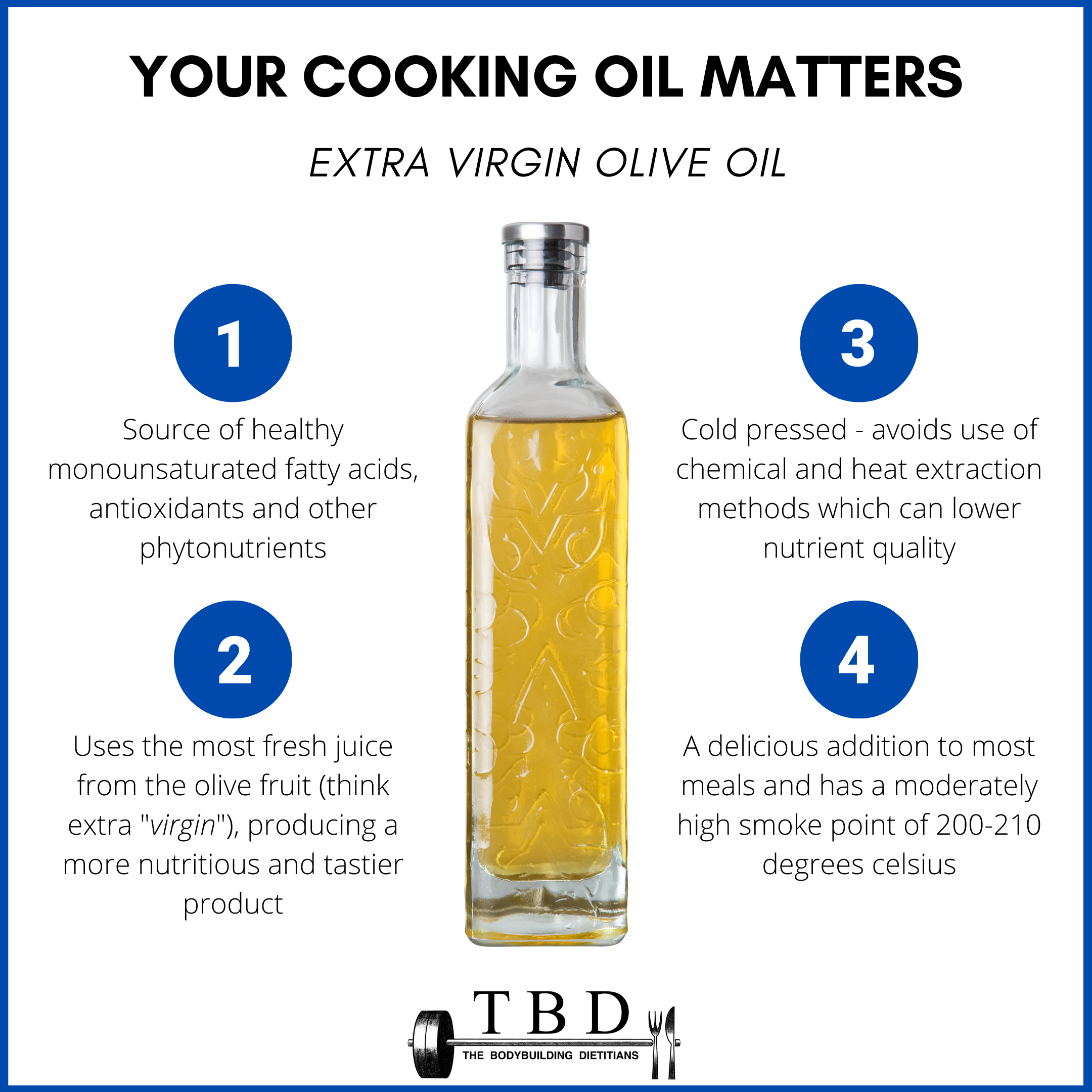
Yes, you can cook with extra virgin olive oil. The idea that it should only be used cold is outdated. What does extra virgin olive oil mean for cooking? It means you have a flavorful oil that can work well for sautéing, roasting, baking, and many other methods.
Its smoke point varies based on freshness, free fatty acid levels, and other factors. Many extra virgin olive oils perform well at normal home cooking temperatures. If the oil begins smoking, the pan is too hot for the oil and the food.
Extra virgin olive oil works well for:
• Sautéing vegetables
• Roasting potatoes or chicken
• Baking savory dishes
• Making soups and stews
• Grilling fish or vegetables
• Dressing salads
• Dipping with bread
• Finishing pasta, beans, and cooked greens
Use a mild oil when you want other ingredients to stand out. Choose a bold, peppery oil for hearty foods such as lentils, grilled meat, tomato soup, or rustic bread.
A practical kitchen lesson is to avoid wasting your best oil on long, high-heat cooking. A fresh, complex oil shines most when its aroma can be noticed. For routine cooking, a good everyday extra virgin olive oil may be enough. Save a special bottle for drizzling at the table.
How to choose a good bottle
Once you know what does extra virgin olive oil mean, shopping becomes easier. Start with the label, then consider the package, date, and seller.
Look for these details:
• The words “extra virgin olive oil”
• A harvest date, when available
• A best-by date that is still well ahead
• A named country or region of origin
• A dark glass bottle, tin, or other light-protective container
• A producer that provides clear contact and product information
A harvest date is more useful than a best-by date because it tells you when the olives were picked. Olive oil is not like wine. It generally does not improve with age.
Be cautious with labels that use vague phrases such as “premium,” “natural,” or “pure” without clear production details. These words may sound attractive, but they do not prove that the oil is extra virgin.
Price can offer a clue, but it is not proof. Extremely cheap oil may raise questions about sourcing, freshness, or authenticity. Yet a high price can also reflect branding, packaging, or shipping rather than better flavor.
For the best value, buy a size you can use within a few months after opening. A small fresh bottle is often better than a large bottle that sits beside the stove for a year.
How to store extra virgin olive oil
Proper storage protects the flavor and quality of extra virgin olive oil. Heat, light, oxygen, and time are its main enemies.
Store the bottle in a cool, dark cupboard. Keep it away from the stove, oven, sunny windows, and appliances that produce heat. Close the cap firmly after each use.
Good storage habits include:
• Use a dark bottle or metal tin.
• Keep the oil at a stable room temperature.
• Avoid leaving the cap open.
• Do not transfer oil into a clear decorative bottle unless you use it quickly.
• Buy smaller bottles if you use oil slowly.
• Check the smell and taste before using an old bottle.
Cloudiness does not always mean the oil is bad. It may happen when the oil is cold or unfiltered. Sediment can also appear in unfiltered oil. These signs are different from rancid odors.
A bottle may still be safe after its best-by date, but its quality can decline. If it smells stale, waxy, or like old nuts, it is better to replace it. Freshness matters most for flavor.
Common myths about extra virgin olive oil
Confusion around olive oil is common. Some claims are based on outdated advice, while others oversimplify a complex product.
Myth: Extra virgin olive oil cannot be heated
It can be used for many normal cooking tasks. Avoid overheating any oil until it smokes, and choose a less expensive bottle for long or high-temperature cooking.
Myth: Peppery oil is spoiled
A peppery throat sensation can be a normal feature of fresh oil. It is often linked to natural phenolic compounds, not spoilage.
Myth: A darker green color proves better quality
Color is not a reliable quality test. Professional tasters often use colored glasses so they do not judge oil by appearance alone.
Myth: Extra virgin olive oil always tastes bitter
Some oils are bitter and bold, while others are mild and buttery. Olive variety, ripeness, and harvest timing all affect taste.
Myth: “Cold pressed” always means the oil is superior
Cold pressing describes a production condition. It does not guarantee freshness, good storage, or excellent flavor.
Myth: Olive oil should never be used for frying
Extra virgin olive oil can be used for many frying and sautéing tasks when the temperature is controlled. For deep frying, use enough oil, avoid overheating, and replace oil that has degraded.
Myth: The most expensive bottle is the healthiest
Cost does not provide a perfect measure of nutrition or freshness. A reasonably priced oil with a recent harvest date may be a better choice.

A simple way to use extra virgin olive oil every day
Learning what does extra virgin olive oil mean is useful, but using it regularly is even more practical. You do not need complex recipes or a large collection of bottles.
Try this simple routine:
-
Use it as a salad dressing with lemon juice or vinegar.
-
Drizzle it over beans, soup, roasted vegetables, or whole grains.
-
Use it to sauté onions, garlic, mushrooms, or greens.
-
Keep a mild bottle for cooking and a flavorful bottle for finishing.
-
Taste the oil before serving so you know how it will affect the dish.
One easy dressing uses three parts extra virgin olive oil, one part vinegar or lemon juice, a pinch of salt, and a little mustard. Shake it in a jar and adjust it to your taste.
The best oil is the one you enjoy and use before it loses freshness. Food quality should support daily life, not make cooking feel complicated.
Frequently Asked Questions About What Does Extra Virgin Olive Oil Mean
Is extra virgin olive oil better than regular olive oil?
Extra virgin olive oil is less processed and usually has more flavor and natural plant compounds than regular olive oil. Regular olive oil is often refined and blended with virgin oil, so it has a milder taste.
Does extra virgin olive oil mean cold pressed?
Not exactly. Extra virgin describes the oil’s production method, chemical quality, and sensory quality, while cold pressed or cold extracted describes how temperature was controlled during production.
Can I use extra virgin olive oil for frying?
Yes, you can use it for sautéing and many frying tasks when you keep the temperature below the smoking point. Do not allow the oil to smoke, and discard oil that smells burnt or shows clear signs of breakdown.
How long does extra virgin olive oil last?
Unopened oil can often retain good quality for around 18 to 24 months from bottling when stored properly. After opening, it is best to use it within a few months to a year, depending on storage and freshness at purchase.
How can I tell if extra virgin olive oil is rancid?
Rancid oil may smell like crayons, wax, stale nuts, or old cooking fat. It may taste flat and unpleasant rather than fresh, fruity, or peppery.
Is cloudy extra virgin olive oil better?
Cloudiness does not prove better quality. It may result from low temperature or filtration choices, while quality depends more on freshness, production, sensory condition, and storage.
Does green extra virgin olive oil have higher quality?
Color is not a dependable quality measure. Green color may come from chlorophyll, olive variety, or harvest timing, but professional quality testing focuses on chemical and sensory traits.
What does extra virgin olive oil mean on a U.S. label?
In the United States, the label is intended to identify oil that meets the extra virgin grade requirements. Because labeling and enforcement can vary by market, a harvest date, trusted producer, and proper storage also matter.
Conclusion
What does extra virgin olive oil mean? It means a natural olive oil made by mechanical methods, without chemical refining, and held to strict chemical and taste standards. Freshness, clean flavor, good storage, and honest labeling matter just as much as the words on the front of the bottle.
Choose a dark container, check for a harvest date, store the oil away from heat and light, and use it in ways that let its flavor shine. Try a fresh bottle with your next salad, soup, or roasted vegetable dish, then share your favorite olive oil tips or recipes in the comments.