
To twist in a blender, add soft ingredients first, pulse briefly, and use low speed for smooth control.
Have you ever watched a recipe video and wondered how to twist in blender without splashing food everywhere? The trick is simple: use the right blade, add enough liquid, and guide the blend with short pulses. This method helps make smoothies, sauces, dips, and frozen drinks with less strain on the motor. I also look at the blender cup, power, cleaning needs, and travel use, since those small details can make daily blending feel easy instead of messy.
How to Twist in Blender Without Making a Mess
The phrase “how to twist in blender” can mean two things. Some people mean twisting the blender cup onto the base. Others mean turning, pulsing, or rotating ingredients while blending. Both actions matter.
If you twist the cup onto the base, keep the blender unplugged. Place the blade lid on the cup and turn it until it feels secure. Do not force it. The cup should sit level on the motor base. If it feels loose, remove it and check the threads.
If you mean how to twist in blender while making food, use a pulse motion. Press the pulse button for one or two seconds. Stop and let the ingredients fall. Then pulse again. This action moves food through the blade area without overworking the motor.
I use this method for thick smoothies, hummus, salsa, and nut butter. A long blend can heat food and leave large pieces stuck above the blades. Short pulses work like a gentle hand stir. They give you more control and often create a better texture.
Start With the Right Ingredient Order
Ingredient order has a major effect on results. Add liquid first. Then add soft fruit, leafy greens, yogurt, oats, and ice. This order helps the blades pull the food down.
A good smoothie order looks like this:
- Milk, water, juice, or another liquid.
- Yogurt, nut butter, or soft fruit.
- Fresh greens and small food pieces.
- Frozen fruit.
- Ice, if needed.
Do not pack the cup tightly. Ingredients need room to move. A full cup may look efficient, but it can stop the blade from creating a useful vortex.
Use a Twist and Pulse Motion
When learning how to twist in blender, think of the cup as part of the mixing process. Keep the blender off, then gently twist or rock the cup only if the manufacturer allows it. Never touch or move a cup while the blades are turning.
For a personal blender, stop the motor first. Remove the cup only after the blade has stopped. You can then shake the sealed cup gently and place it back on the base. This works well for thick mixtures.
For a full-size blender, use the tamper made for that model. Never insert a spoon, spatula, or hand into the jar while the blade moves. That shortcut can damage the blender or cause an injury.
Choose the Right Speed
Low speed helps start a thick mixture. Medium speed helps combine soft food. High speed works best for smooth drinks, but it can create heat and foam if you run it too long.
I usually begin with two or three pulses. Then I blend at a low or medium speed. If the food does not move, I stop the blender and add one tablespoon of liquid at a time.
Adding too much liquid can make a smoothie thin. Adding too little can make the motor struggle. A slow approach gives you a better chance of getting the texture you want.
What I Look For in a Blender for Twisting and Blending
A blender does not need the highest wattage to make a good smoothie. It needs a useful blade shape, a stable base, a good cup seal, and controls that respond quickly.
Motor Power
Power matters when you blend frozen food, ice, or dense greens. A small personal blender can handle soft fruit and light smoothies well. It may struggle with large ice cubes or thick nut mixtures.
I look for steady power rather than a big number alone. A motor that slows down often can create uneven food and extra wear. For daily smoothies, a simple motor may be enough. For frozen drinks, a stronger model makes more sense.
Cup Design
A narrow cup can help push food toward the blade. A wide cup may be easier to clean and fill. Travel cups add value when you want to blend and go.
Check the cup markings. They help prevent overfilling. Also check whether the cup is made from a material that feels strong enough for daily use.
Blade and Lid Fit
A good blade lid should twist on smoothly. The seal should feel firm but not impossible to remove. A poor fit can cause leaks and make the entire blending task frustrating.
Always inspect the gasket. Food can collect under it. Remove the seal when the design allows, wash it, and let it dry fully before the next use.
Blender for Smoothie With Two To-Go Cups
Personal Smoothie Blender With Two Cups

This personal smoothie blender looks suited to quick drinks and small kitchen tasks. The two 20-ounce cups give you a practical way to make one drink now and keep another cup ready. I like this layout for busy mornings because it reduces the need to wash a large jar after every use. The compact design should also fit well in a small kitchen or apartment.
For anyone learning how to twist in blender, the cup format feels simple to understand. Add liquid and soft food, attach the blade lid, and twist the cup onto the base until it locks. The best results will come from small fruit pieces and short pulse cycles. I would not treat this personal blender as a heavy-duty ice crusher, but it can be a handy daily smoothie tool.
Pros:
- Includes two 20-ounce to-go cups
- Useful for single-serving smoothies
- Compact design saves counter space
- Simple cup-and-blade setup
- Good fit for busy morning routines
- Reduces the need for a large blending jar
Cons:
- Personal size may not suit family portions
- Thick mixtures may need extra liquid
- Small motors can struggle with hard ice
Ask Polly’s Guide Through Modern Life
Ask Polly’s Guide to Everyday Life

This title is a book, not a blender. Its inclusion makes sense for readers who want help with daily problems, kitchen habits, and the small questions that can feel bigger than they should. It uses a conversational style and may appeal to readers who enjoy personal advice. It is not a replacement for a blender guide or a product manual.
I would pair this book with a clear kitchen routine. For example, you can read a few pages while planning easy smoothies for the week. It does not explain how to twist in blender, so follow your appliance manual for cup placement and blade safety. Still, it can add a bit of humor and perspective to a busy routine.
Pros:
- Offers a friendly and personal reading style
- May help readers think through daily problems
- Works well as a casual bedside or coffee table book
- Good gift option for fans of advice writing
- Easy to combine with a relaxed kitchen routine
Cons:
- It is not a blender or kitchen tool
- Does not teach blending techniques
- May not suit readers seeking a technical manual
La Reveuse Personal Smoothie Blender
La Reveuse 250W Personal Blender

The La Reveuse personal smoothie blender uses a 250-watt motor and comes as a seven-piece set. That format can be useful for people who want a basic drink maker without a bulky countertop machine. The black finish looks easy to match with most kitchen tools. A personal cup also makes portion control simple.
This model may suit soft fruit, yogurt, protein powder, and light greens. When learning how to twist in blender, I recommend filling the cup below its maximum mark and adding liquid first. The motor should not run dry or work against a packed cup. The seven-piece design may also give you more useful parts than a bare single-cup model.
Pros:
- 250-watt motor suits light personal blending
- Seven-piece set offers useful daily accessories
- Compact shape fits small counters
- Good option for smoothies and protein drinks
- Black finish has a simple look
- Personal serving size helps limit waste
Cons:
- Not intended for large family batches
- May need extra liquid for thick blends
- Hard frozen foods may require care and small portions
How to Defeat a Demon King in Ten Easy Steps
How to Defeat a Demon King in Ten Steps

This fantasy title belongs in the entertainment category rather than the appliance category. It presents a playful adventure built around a hero, a goal, and a set of easy-to-follow steps. Readers who enjoy light fantasy may find the concept fun and approachable. It can make a nice break from practical kitchen reading.
There is no blender motor, cup, or blade to review here. If you searched for how to twist in blender, this book will not answer that question. I would view it as a separate reading pick for downtime, while using the blender maker’s manual for safety advice. Its value comes from entertainment, not kitchen performance.
Pros:
- Playful concept for fantasy readers
- Step-based title may feel easy to approach
- Good option for short leisure reading
- Can make a fun gift for fantasy fans
- Offers a break from practical tasks
Cons:
- Not related to blender use
- Does not include recipes or kitchen tips
- May not appeal to readers who prefer nonfiction
Protein and T-Shirt Design
Protein-Themed T-Shirt

This product is apparel rather than a kitchen appliance. Its protein theme may appeal to gym users, smoothie fans, or people who enjoy playful fitness clothing. A shirt like this can fit into a casual workout wardrobe. It does not affect blending speed, texture, or cup safety.
I would consider it a fun extra for someone who makes protein shakes often. It cannot teach you how to twist in blender, but it can match the lifestyle that leads many people to buy a personal blender. Check the size chart and fabric details before ordering. Shirt fit can vary, so those details matter more than the graphic alone.
Pros:
- Fun choice for protein shake fans
- Works as casual gym or weekend clothing
- Can make a simple gift for fitness users
- Lighthearted design may start conversations
- Easy to pair with activewear
Cons:
- Not a kitchen product
- Does not explain blending methods
- Fit and fabric feel may vary by size
How to Be a DJ in 10 Easy Lessons
How to Be a DJ in 10 Easy Lessons

This beginner book focuses on DJ skills, such as spinning, scratching, and making mixes. It may suit young learners or new hobbyists who want a structured introduction. The lesson format can make a creative skill feel less intimidating. It is separate from food preparation and has no blender parts.
The word “spin” may explain why this item appears beside a blender search, but the skills are not the same. It will not show you how to twist in blender or how to fix a loose blade cup. I would recommend it only for music fans who want a beginner guide. For kitchen help, stay with the appliance instructions and safe pulse methods.
Pros:
- Beginner-friendly lesson format
- Introduces basic DJ and mixing ideas
- Useful for readers who enjoy music hobbies
- May help children explore creative skills
- Structured content can support practice
Cons:
- Not connected to smoothie making
- Does not cover blender controls or safety
- May be too basic for advanced DJs
How to Write a Historical Fiction Novel
Guide to Writing Historical Fiction

This writing guide focuses on building a historical fiction novel from an idea to an outline. It may help new writers organize characters, events, and plot points. The step-by-step approach can make a large project feel less overwhelming. It belongs on a bookshelf, not beside a blender base.
I would choose this title for a creative reader who enjoys planning stories. It has no advice on how to twist in blender, and it should not be used as an appliance guide. Still, cooking and writing share one useful habit: begin with a clear plan. In the kitchen, that means preparing ingredients before turning on the motor.
Pros:
- Useful for new fiction writers
- Focuses on outlines and planning
- May make a large writing project easier
- Supports creative thinking and organization
- Works as a reference during early drafting
Cons:
- Not a blender or recipe book
- Does not cover kitchen techniques
- May not suit experienced novelists
How to Be Interesting in Ten Steps
How to Be Interesting in Ten Steps
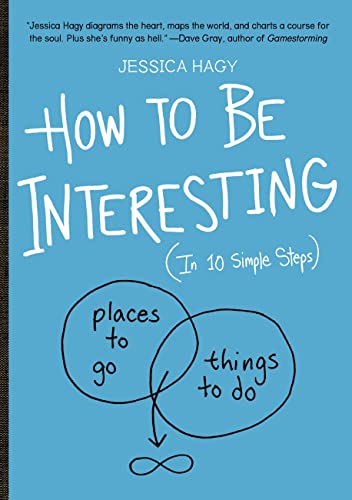
This title offers a short, personal approach to becoming more engaging in conversation and daily life. It may appeal to readers who want simple ideas rather than a long academic text. The ten-step structure looks easy to scan. It can work as a casual self-help read or a small gift.
It does not explain how to twist in blender, but it can make kitchen time more social. You might read a few pages while preparing breakfast or waiting for a smoothie to finish. I would buy it for personal growth, not for appliance advice. For safe blending, keep your attention on the motor, lid, and blade cup.
Pros:
- Simple step-based format
- Easy to read in short sessions
- May help improve social confidence
- Suitable for casual self-help readers
- Can serve as a small gift book
Cons:
- Not related to blender operation
- Does not include cooking or smoothie ideas
- Advice may feel too brief for some readers
My Recommendation
For actual blending, I would choose the personal smoothie blender with two 20-ounce cups for most users. It offers a useful balance of serving size, convenience, and simple operation. The La Reveuse 250W model is another sensible pick for soft fruit, protein drinks, and light daily use. The books and shirt are lifestyle extras, not answers to how to twist in blender.
If you want to learn how to twist in blender, focus on safe cup placement, liquid-first filling, and short pulse cycles. I recommend stopping the motor before moving or shaking any cup. That habit protects the blade, reduces spills, and gives you better control over thick food. Product availability, prices, and included parts can change, so check the current Amazon listing before buying.
| Best for | Why |
|---|---|
| Daily single smoothies | The two-cup personal blender makes quick drinks and supports easy take-to-work use. |
| Small kitchens and light blending | The La Reveuse model has a compact personal design and a 250W motor. |
| Gifts and lifestyle reading | The listed books and protein shirt suit hobbies, humor, fitness, or personal growth. |
How to Make Better Smoothies in a Personal Blender
A personal blender works best when you respect its size. Do not treat a small cup like a large commercial jar. Use smaller pieces and leave room for movement.
Cut apples, carrots, frozen bananas, and other firm foods into small chunks. Remove hard pits and thick stems. Frozen fruit can go in the cup, but large frozen blocks may stop the blade.
Liquid helps the blade pull ingredients down. Water works well for a light smoothie. Milk adds body. Yogurt adds thickness. Coconut water gives a mild taste and a thinner texture.
I often add a tablespoon of liquid first, then more only if needed. This approach is better than flooding the cup at the start. You can thin a smoothie later, but you cannot easily make an over-thin drink thick again.
How to Twist in Blender for Thick Mixtures
Thick foods need patience. Hummus, nut butter, frozen bowls, and dense dips may sit above the blades. Stop the blender before adjusting the mixture.
Scrape the sides with a silicone spatula only when the motor is off and the blade has stopped. Add a small amount of oil, water, or another suitable liquid. Then replace the lid and pulse again.
Do not use a sealed travel cup for hot food. Steam can build pressure inside the container. Let hot ingredients cool, use a vented container made for hot blending, and follow the product manual.
How to Twist in Blender for Salsa
Salsa needs short pulses. Long blending turns fresh vegetables into thin sauce. Add tomato, onion, pepper, herbs, and lime juice in small pieces.
Pulse two or three times, then check the texture. Stir with a clean spoon while the blender is unplugged if needed. Salt at the end so you can taste the finished mix.
How to Twist in Blender for Ice
Ice is harder on small personal blenders than soft fruit. Check the product instructions before adding it. Some models allow small ice pieces, while others work better with crushed ice.
Use a few cubes at a time. Add enough liquid to help the pieces move. If the motor sounds strained, stop right away. A loud change in sound often means the blades cannot move freely.
Cleaning and Care Tips
Cleaning takes less time when you do it right away. Rinse the cup and blade lid before food dries. Add warm water and a small drop of dish soap, then run a short cycle only if the manufacturer allows it.
Never place your hand near the blade, even when the blade looks still. Use a brush for the underside of the blade assembly. Small food bits can collect around the gasket.
Dry every part before storage. Moisture under a seal can create an odor. Store the blade lid loose or separated when the manual allows it.
Do not immerse the motor base in water. Wipe it with a damp cloth. Keep the power cord and control area dry.
Inspect the blade regularly. If it feels loose, bent, or unusually noisy, stop using the blender. A small crack in a cup can also become a leak under motor pressure.
Common Mistakes to Avoid
One common mistake involves overfilling. A cup may close even when it holds too much food, but the blade still needs room to work. Stay below the marked fill line.
Another mistake involves twisting the cup too hard. If the threads do not meet, remove the cup and start again. Cross-threading can damage the lid or base.
Some users also run a blender for too long. Short sessions protect the motor and help control texture. When learning how to twist in blender, pause often and check the food.
Do not blend food with bones, hard pits, metal pieces, or non-food packaging. These items can damage the blade and create a safety risk.
Finally, never leave a running blender unattended. Even a small personal model can move on a wet counter. Keep the base on a flat, dry surface.
FAQs Of how to twist in blender
What does “how to twist in blender” mean?
It usually means learning how to twist the cup onto the motor base or how to use a twisting pulse motion for ingredients. Always turn the motor off before moving or shaking the cup.
Should I twist the blender cup while it runs?
No. Do not twist, remove, or shake the cup while the blade moves. Stop the blender first, wait for the blade to stop, and then adjust the cup or ingredients.
Why does my blender spin but not mix?
The cup may be too full, or the mixture may be too thick. Stop the blender, add a small amount of liquid, and break large pieces into smaller chunks.
Should liquid go into the blender first?
Yes, liquid-first filling often helps ingredients move toward the blade. It can reduce dry pockets and lower strain on a personal blender.
Can I blend hot food in a personal blender?
Only if the manufacturer says it is safe. Hot food can create steam pressure in a sealed cup. Cool food first or use a container designed for hot blending.
Final Verdict: Which Should You Buy?
The personal smoothie blender with two cups is the best practical pick for most users. It supports quick drinks, simple cleanup, and easy travel use. The La Reveuse is a good compact choice for light blends.
To learn how to twist in blender, use safe cup placement, enough liquid, and short pulses. Choose the blender that matches your portion size, recipes, and daily routine.