
One tablespoon of olive oil has about 120 calories, so portion size matters more than the type you choose.
Olive oil is a flavorful source of fat, but its calories can add up quickly in dressings, sauces, and cooking pans. This guide explains olive oil and calories in clear terms, including serving sizes, nutrition facts, cooking tips, health benefits, common mistakes, and simple ways to enjoy it without losing control of your daily intake.
How Many Calories Are in Olive Oil?
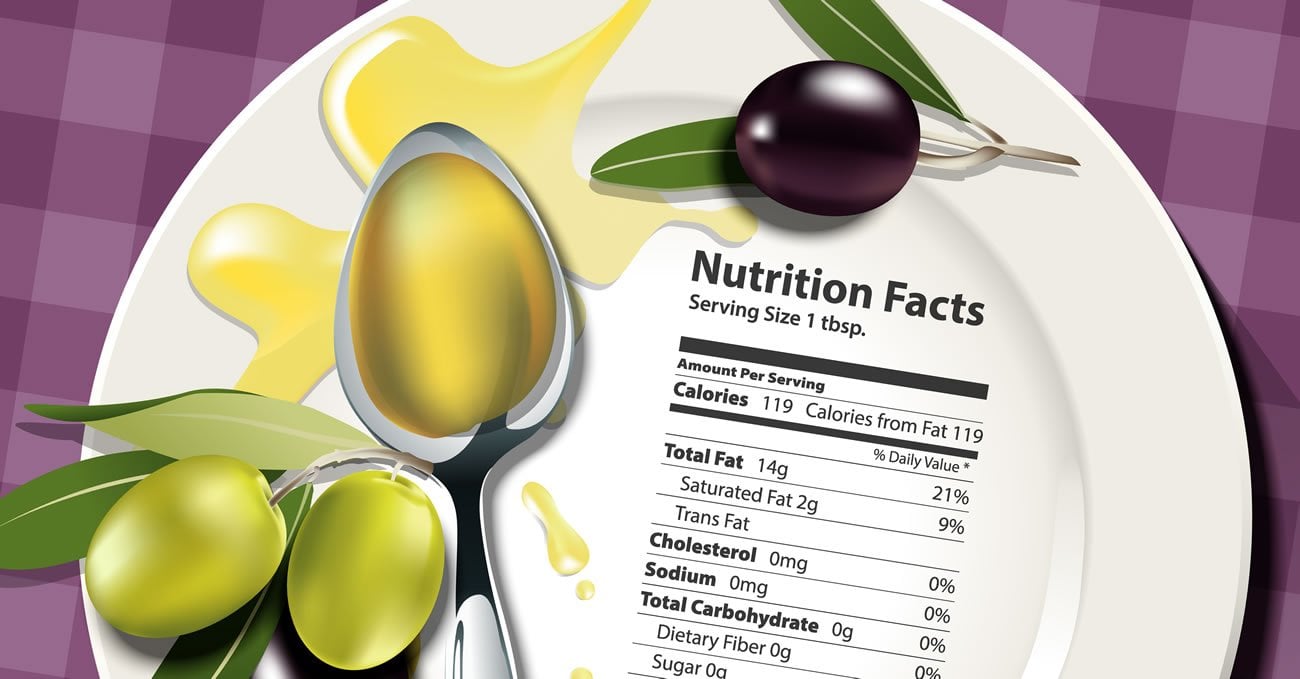
Olive oil contains about 119 calories in one tablespoon, or 15 milliliters. A teaspoon contains about 40 calories, while 100 grams provide roughly 884 calories.
These calories come almost entirely from fat. Like other dietary fats, olive oil provides about 9 calories per gram. That makes it energy-dense, meaning a small amount can provide a lot of energy.
Here is a simple serving guide:
| Serving size | Approximate calories |
|---|---|
| 1 teaspoon | 40 calories |
| 1 tablespoon | 119 calories |
| 2 tablespoons | 238 calories |
| ¼ cup | 476 calories |
| 100 grams | 884 calories |
The exact number may vary slightly by brand and serving size. Still, these figures are useful for meal planning and calorie tracking.
Olive oil and calories are easy to overlook because the oil feels light. A salad may look low in calories, but a generous pour of oil can add more calories than the vegetables themselves.

Olive Oil Nutrition Facts
One tablespoon of olive oil contains about:
• 119 calories
• 14 grams of total fat
• About 2 grams of saturated fat
• About 10 grams of monounsaturated fat
• Small amounts of polyunsaturated fat
• No protein
• No fiber
• No carbohydrates
• No sugar
Olive oil also contains natural plant compounds. Extra virgin olive oil may provide polyphenols and vitamin E. The amount can vary based on the olive variety, harvest time, storage, and processing method.
Extra virgin olive oil is made without chemical refining and usually has a stronger taste. Virgin and refined olive oils may have a milder flavor. However, olive oil and calories are nearly the same across these types.
The main difference is not usually the calorie count. It is the flavor, processing, freshness, and level of natural plant compounds.
Does Extra Virgin Olive Oil Have Fewer Calories?
No. Extra virgin olive oil does not have meaningfully fewer calories than regular olive oil.
Both types contain mostly fat, so a tablespoon of each has close to 120 calories. Extra virgin olive oil may offer more flavor and more natural plant compounds, but it is not a low-calorie oil.
This distinction matters when choosing olive oil for weight loss. Extra virgin olive oil can fit well in a balanced diet, but the calories still count.
A common mistake is to treat “extra virgin” as if it means “light.” In food labeling, extra virgin describes quality and processing. It does not mean low in calories or fat.
When comparing olive oil and calories, use the same serving size. A teaspoon of extra virgin olive oil has fewer calories than a tablespoon simply because the portion is smaller.
Olive Oil Calories Compared With Other Fats
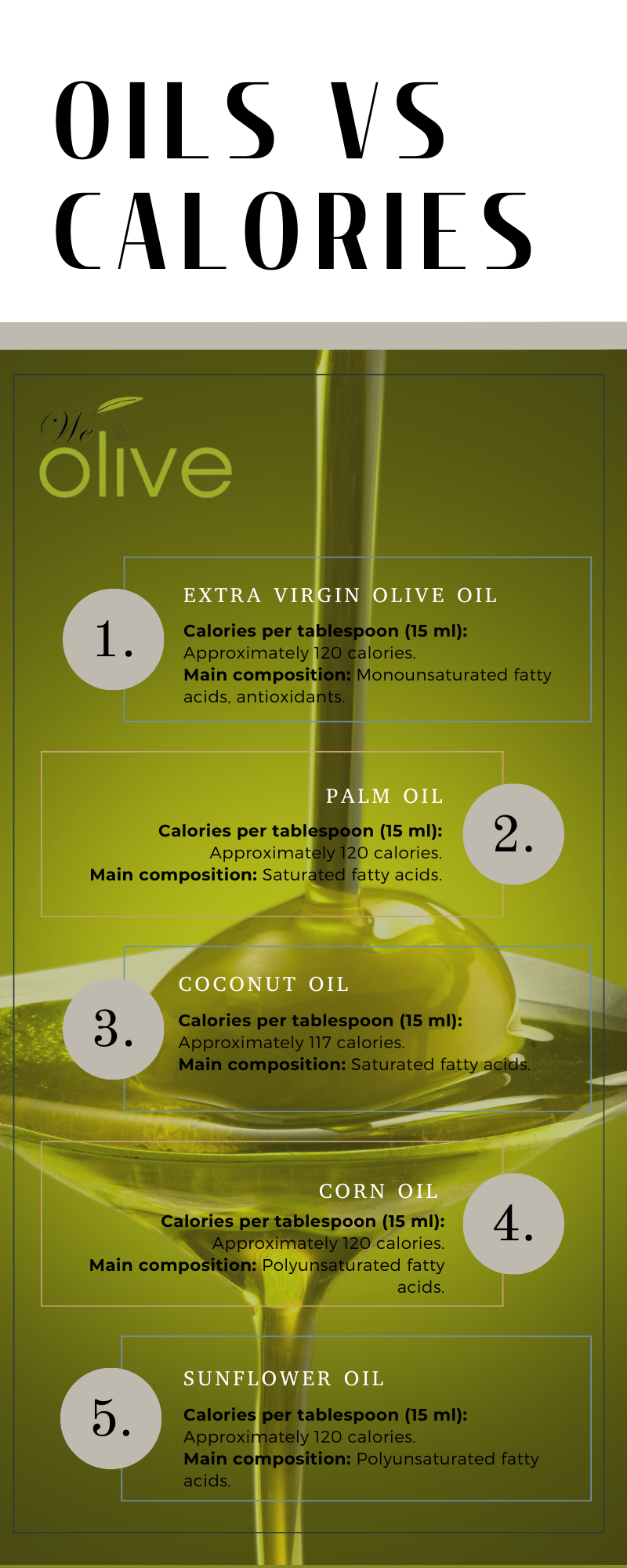
Most cooking oils have a similar calorie count because they are nearly pure fat. One tablespoon of canola, avocado, coconut, or vegetable oil usually has about 120 calories.
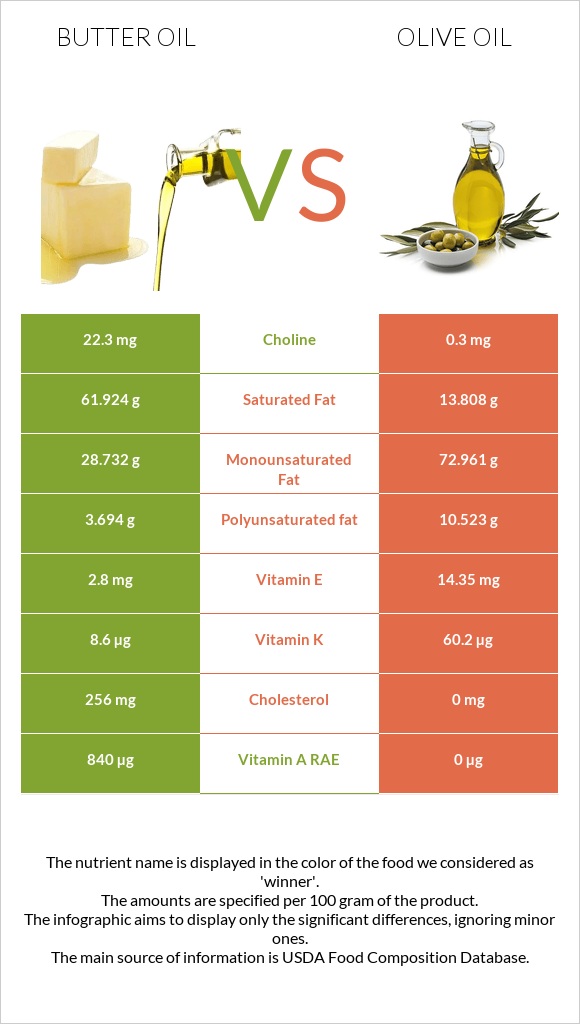
Butter has slightly fewer calories per tablespoon in some nutrition databases, but it also contains water and milk solids. Margarine can vary based on its formula.
Here is a general comparison:
• Olive oil: about 119 calories per tablespoon
• Canola oil: about 124 calories per tablespoon
• Avocado oil: about 124 calories per tablespoon
• Coconut oil: about 120 calories per tablespoon
• Butter: about 100 calories per tablespoon
The health value differs even when the calories are similar. Olive oil is rich in monounsaturated fat, while butter and coconut oil contain more saturated fat.
Calories still matter, but they are not the only factor. Food quality, fat type, portion size, and the overall eating pattern all shape health.
Why Olive Oil Calories Add Up Fast
Oil is easy to overpour. A tablespoon can look small in a large bowl or pan, especially when you pour straight from the bottle.
For example, imagine making a salad:
• Vegetables: 80 calories
• Chickpeas: 130 calories
• Feta cheese: 75 calories
• Two tablespoons of olive oil: 238 calories
The oil may provide more calories than the vegetables and cheese combined. That does not make the salad unhealthy, but it shows why olive oil and calories deserve attention.
Restaurant meals can contain even more oil. A grilled vegetable dish may be coated with several tablespoons before it reaches your table. Bread dipped into oil can also turn a small starter into a high-calorie part of the meal.
A useful lesson is simple: healthy does not mean calorie-free. Olive oil can be a smart choice, but the amount still matters.
Is Olive Oil Good for Weight Loss?
Olive oil can fit into a weight-loss plan, but it does not cause weight loss by itself.
Weight loss usually requires a consistent calorie deficit. This means your body uses more energy than you eat over time. Olive oil and calories must fit within your personal energy needs.
Olive oil may help some people enjoy meals more. Its flavor can make vegetables, beans, fish, and whole grains more appealing. A satisfying meal may also make it easier to follow a healthy eating pattern.
Still, adding oil on top of your usual diet can increase calorie intake. Replacing butter or highly processed fats with a measured amount of olive oil is different from adding extra oil to every meal.
Try these practical steps:
- Measure one teaspoon or tablespoon before adding oil.
- Use a spray bottle carefully, since sprays can still provide calories.
- Mix olive oil with vinegar, lemon juice, or herbs for a lighter dressing.
- Use a nonstick pan or a small amount of broth when suitable.
- Track oil for a week if your weight has stopped changing.

Olive Oil and Calories for Different Goals
Your ideal amount of olive oil depends on your goals, body size, activity, and total diet. There is no single correct amount for everyone.
For weight maintenance
A measured tablespoon may work well in a meal that also includes vegetables, protein, and whole grains. Watch for extra calories from cheese, nuts, creamy sauces, and large portions.
For weight loss
A teaspoon may be enough to coat a pan or flavor a serving of vegetables. You can also use half oil and half lemon juice or vinegar in a dressing.
For athletes
People with high energy needs may use more olive oil to add calories without creating a very large meal. This can be useful during heavy training or recovery.
For older adults or people with low appetite
Olive oil can add energy and flavor to soups, beans, potatoes, and cooked vegetables. A dietitian can help match the amount to medical needs.
The key idea is not to fear olive oil. Instead, use it with purpose. Think of it as a flavor tool and energy source, not as a free ingredient.
Best Ways to Measure Olive Oil
Measuring olive oil is one of the easiest ways to manage olive oil and calories.
A measuring spoon gives a more accurate portion than a quick pour. You can also pour oil into a small bowl before using it. This helps you see how much you are adding.
Helpful methods include:
• Use a teaspoon for small portions.
• Use a tablespoon for recipes that need a set amount.
• Buy a bottle with a narrow pour spout.
• Keep a measuring spoon near the stove.
• Read the serving size on the nutrition label.
• Count refills when making salad dressing.
A practical lesson many home cooks learn is that the “glug” method is not reliable. One glug may be one teaspoon, while another may be two or three tablespoons.
You do not need to measure every drop forever. Measuring for several days can teach you what common portions look like. After that, you may estimate more accurately.

Cooking With Olive Oil and Calories
Cooking with olive oil adds calories, but the food does not absorb all the oil in the same way. The amount depends on the cooking method, food surface, temperature, and cooking time.
Roasting vegetables with one tablespoon of oil may spread that oil across several servings. Frying foods can use much more oil, especially when the food has a coating or porous texture.
Here are lower-calorie cooking ideas:
• Brush vegetables with a measured amount of oil.
• Toss food in a bowl instead of pouring oil into the pan.
• Roast several servings with one or two teaspoons.
• Use a nonstick pan for eggs and delicate foods.
• Add a small drizzle after cooking for stronger flavor.
• Combine oil with citrus, garlic, or herbs.
Adding oil after cooking can sometimes give more flavor from a smaller amount. A teaspoon of fresh extra virgin olive oil on warm beans may taste more noticeable than a tablespoon used during cooking.
Olive oil has a smoke point that varies by type, age, and quality. For most home cooking, use a suitable heat level and avoid letting the oil smoke. Smoking does not erase the calories, and it can reduce flavor quality.
Health Benefits of Olive Oil
Olive oil is a major part of Mediterranean-style eating patterns. These patterns often include vegetables, fruit, beans, whole grains, fish, nuts, and limited highly processed foods.
Research links diets rich in unsaturated fats with better heart health when these fats replace some saturated fats. Olive oil may also support a healthy cholesterol profile when used instead of butter or other sources of saturated fat.
Extra virgin olive oil contains plant compounds that have antioxidant and anti-inflammatory activity in laboratory and human research. However, it is important to avoid exaggerated claims. Olive oil is not a cure for heart disease, diabetes, or inflammation.
The strongest benefit often comes from the overall food pattern. Replacing butter on white toast with olive oil while eating mostly refined foods is not the same as enjoying olive oil with vegetables, lentils, fish, and whole grains.
Olive oil and calories can coexist with good health. The best approach is to choose quality fats, measure portions, and build meals around nutrient-rich foods.
Common Mistakes to Avoid
Small habits can make olive oil and calories harder to manage. Most mistakes are easy to fix once you notice them.
Pouring directly from the bottle
A free pour often provides more than one tablespoon. Measure the oil first or use a controlled dispenser.
Assuming healthy foods have no calorie limit
Olive oil is nutritious, but it remains calorie-dense. The same is true for nuts, seeds, avocado, and nut butter.
Forgetting oil in food tracking
People often record chicken, rice, and vegetables but forget the cooking oil. Include every tablespoon in your estimate.
Using too much dressing
A healthy salad can become very high in calories when covered with oil-based dressing. Start with a small amount and add more only if needed.
Choosing “light” olive oil for fewer calories
Light olive oil usually refers to lighter flavor or color. It does not mean fewer calories.
Storing oil near heat
Heat, light, and air can damage oil quality over time. Store olive oil in a cool, dark place and close the cap after use.
How to Use Olive Oil Without Overdoing Calories
You can enjoy olive oil while keeping portions reasonable. The goal is balance, not strict avoidance.
Try these simple ideas:
• Drizzle one teaspoon over soup or beans.
• Use a measured tablespoon for a family-size salad.
• Mix olive oil with vinegar to make a bright dressing.
• Add herbs, pepper, garlic, or lemon for more flavor.
• Roast vegetables with a light coating instead of a deep pour.
• Use olive oil to replace butter rather than adding both.
• Serve oil in a small dipping dish instead of a large bowl.
A simple dressing can include one tablespoon of olive oil, two tablespoons of vinegar, lemon juice, mustard, and herbs. This creates several servings, depending on how much dressing each person uses.
For people who struggle with hunger, replacing a high-calorie snack with a balanced meal may work better than cutting all fats. For people trying to reduce calories, using less oil may create an easy reduction without changing the entire menu.
How to Read an Olive Oil Nutrition Label
Nutrition labels make olive oil and calories easier to understand. Start with the serving size, which is often one tablespoon or 15 milliliters.
Then check:
• Calories per serving
• Total fat
• Saturated fat
• Bottle size
• Ingredient list
• Storage guidance
• Best-by date
If the label lists 120 calories per tablespoon and you use two tablespoons, the meal receives about 240 calories from the oil.
Some labels use a serving size of one teaspoon. That can make the calorie number look smaller, so always compare the serving size before comparing brands.
Labels cannot tell you everything about freshness or flavor. Taste, smell, packaging, and storage also matter. Fresh olive oil should smell pleasant and taste clean, fruity, grassy, or gently peppery, depending on the oil.
Frequently Asked Questions About Olive Oil and Calories
How many calories are in one tablespoon of olive oil?
One tablespoon of olive oil contains about 119 calories. It also provides roughly 14 grams of fat.
Is olive oil more fattening than butter?
Both olive oil and butter are calorie-dense, but their fat profiles differ. Olive oil contains more monounsaturated fat, while butter generally contains more saturated fat.
Does cooking olive oil reduce its calories?
Cooking may change the oil’s flavor and some compounds, but it does not remove most of its calories. The calories still count unless oil remains in the pan and is not eaten.
Can I use olive oil during weight loss?
Yes. Olive oil can fit into a weight-loss diet when portions match your calorie needs. Measuring one teaspoon or tablespoon can help prevent accidental overeating.
Is extra virgin olive oil lower in calories?
No. Extra virgin olive oil has about the same calories as other olive oils when measured in equal portions. Its main differences are processing, flavor, and natural plant compounds.
How many calories are in one teaspoon of olive oil?
One teaspoon contains about 40 calories. This can be a useful portion for lightly coating vegetables or adding flavor to a meal.
Does olive oil increase belly fat?
Olive oil does not specifically cause belly fat. Eating more total calories than your body needs over time can contribute to fat gain, regardless of whether those calories come from oil or another food.
Conclusion
Olive oil contains about 120 calories per tablespoon, so portion size is the most important part of using it wisely. Extra virgin olive oil is not lower in calories, but it can add rich flavor and beneficial unsaturated fat to a balanced diet.
Measure your portions, include cooking oil in your food tracking, and use olive oil to replace less desirable fats rather than simply adding more calories. Start with one small change today, such as measuring the oil for your salad dressing, and explore more practical nutrition guides to build meals you enjoy.