
Olive oil can taste fruity, grassy, peppery, bitter, buttery, or mild, depending on its variety, freshness, and quality.
If you have ever wondered what does olive oil taste like, the honest answer is that it can taste very different from one bottle to the next. Fresh extra virgin olive oil may remind you of green grass, ripe fruit, herbs, or fresh-cut artichoke. It may also leave a warm, peppery feeling in your throat. This guide explains the flavor in simple terms, shows how to taste olive oil, and helps you choose the right type for cooking and dipping.
What Does Olive Oil Taste Like?
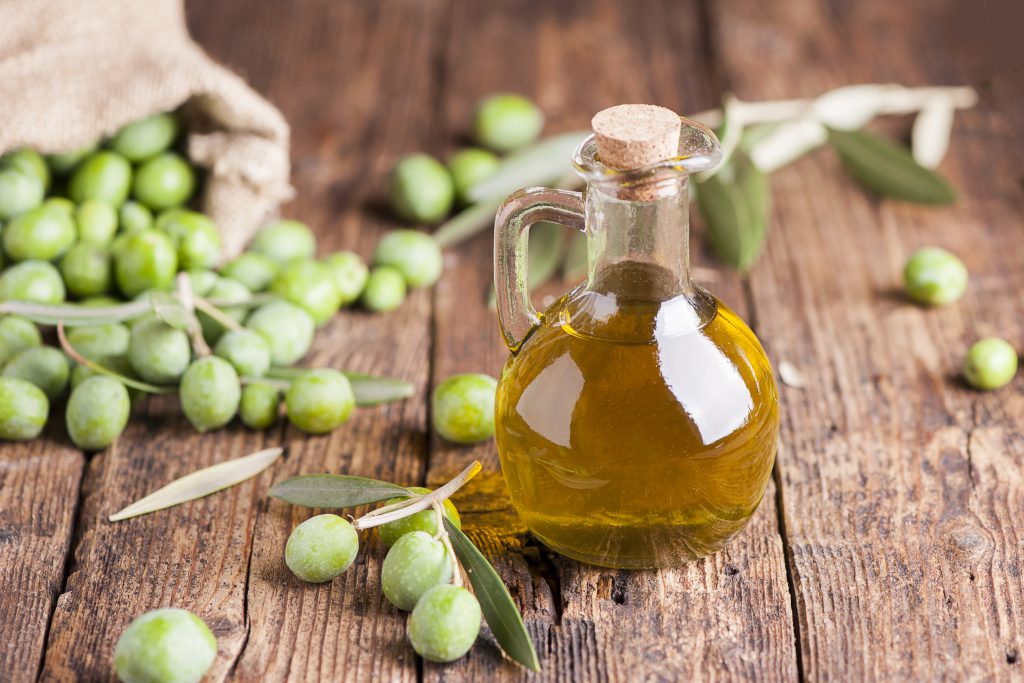
So, what does olive oil taste like in everyday terms? Good olive oil usually has a fresh, clean flavor. It may taste fruity, grassy, herbal, nutty, bitter, or peppery.
The exact taste depends on several factors:
• Olive variety
• Ripeness when the olives were picked
• Growing region and climate
• Harvest date
• Processing method
• Storage conditions
• Oil grade and freshness
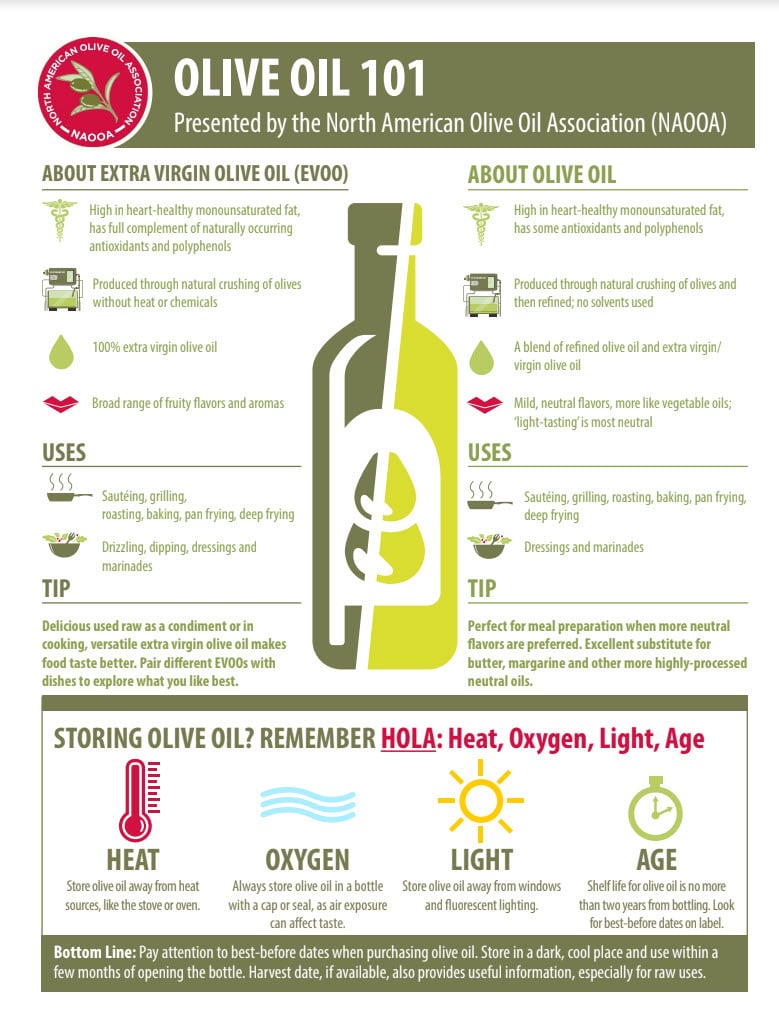
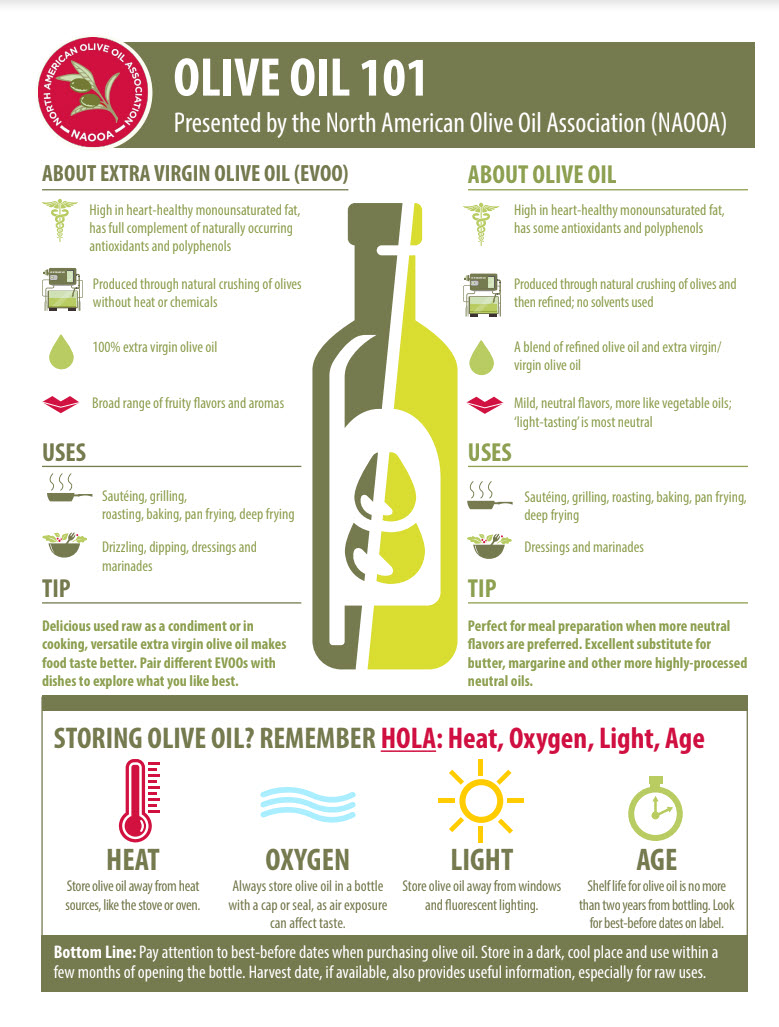
Extra virgin olive oil often has the most noticeable taste. It may taste bold and lively, while refined olive oil usually tastes mild and neutral.
A simple way to describe olive oil is to compare it with fresh produce. Some oils taste like green apples. Others bring notes of leaves, herbs, almonds, tomatoes, or artichokes. The flavor can be soft and buttery or sharp and peppery.
When people ask what does olive oil taste like, they often expect one fixed answer. Olive oil is more like wine or coffee in this way. Its taste changes with the source, process, and age.
The Main Flavors in Olive Oil
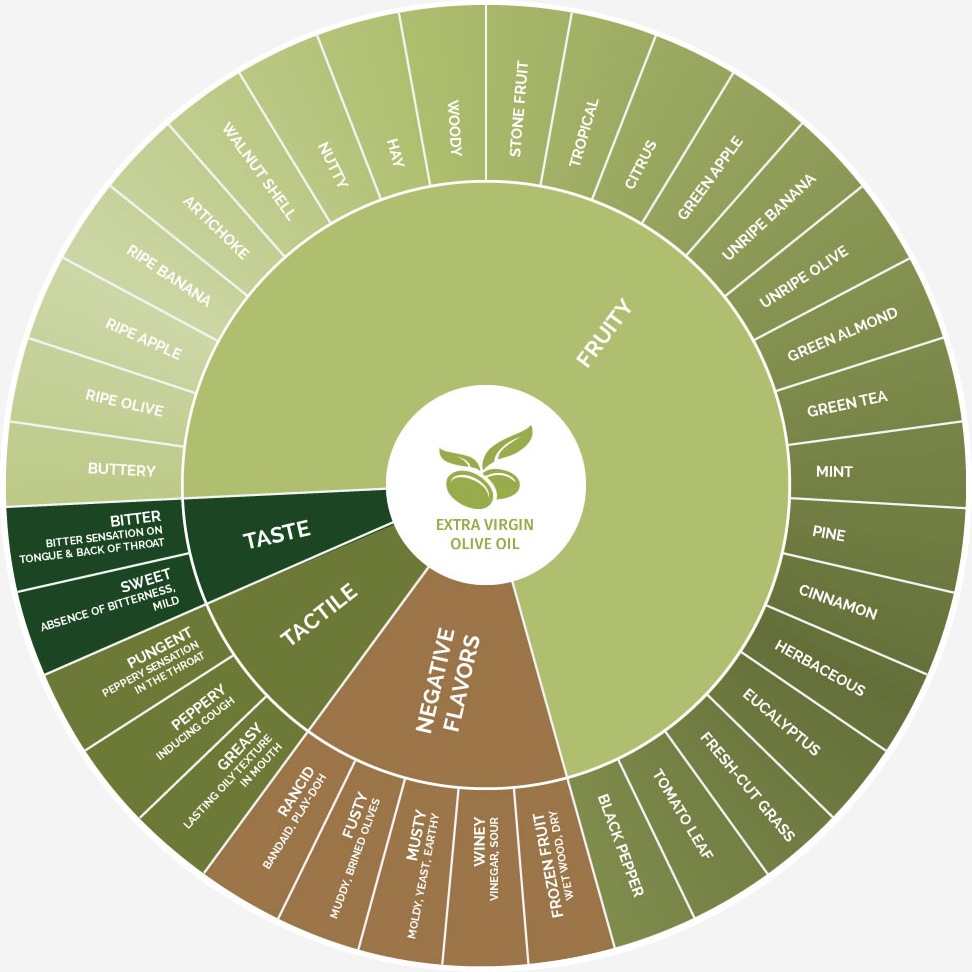
Olive oil has a broad flavor range, but most tasting notes fit into a few main groups.
Fruity flavors
Fruity does not always mean sweet. In olive oil, fruity describes the natural aroma and flavor of fresh olives.
You may notice flavors such as:
• Green apple
• Fresh almond
• Tomato leaf
• Unripe banana
• Green grass
• Citrus peel
• Ripe berries
Green olives often create a fresh, leafy taste. Riper olives may create a softer flavor with notes of ripe fruit and flowers.
Green and herbal flavors
Many fresh olive oils taste green and lively. They may remind you of:
• Cut grass
• Basil
• Mint
• Rosemary
• Green tea
• Artichoke
• Fresh peas
These flavors are common in oils made from early-harvest olives. Early harvesting can create a stronger taste and more complex aroma.
Bitter flavors
A little bitterness is often a good sign. It can show that the oil contains natural plant compounds called polyphenols.
Bitter olive oil may taste like dark leafy greens, grapefruit peel, or strong herbs. The bitterness should not feel rotten or unpleasant. It should feel clean and balanced.
Peppery flavors
Pepperiness is one of the most recognizable traits of fresh extra virgin olive oil. It may create a warm tickle in the throat after you swallow.
This peppery feeling comes partly from a natural compound called oleocanthal. The strength can range from gentle to intense. A strong peppery finish does not automatically mean the oil is too harsh or spoiled.
Buttery and nutty flavors
Some olive oils taste smooth, round, and soft. They may have notes of:
• Almonds
• Cashews
• Walnuts
• Butter
• Mild herbs
• Cream
These oils are often pleasant for people who are new to extra virgin olive oil. They can work well on bread, fish, vegetables, and light pasta dishes.
Why Does Olive Oil Taste Different?
The answer to what does olive oil taste like changes because olives are living fruit. Their flavor shifts with the tree, weather, harvest time, and handling.
Olive variety
Different olive varieties produce different flavors. Arbequina oils are often soft, fruity, and slightly sweet. Picual oils are commonly more robust, green, bitter, and peppery. Koroneiki oils may have strong herbal and grassy notes.
These are general patterns, not strict rules. The same variety can taste different when grown in another region or harvested at another stage.
Ripeness at harvest
Olives picked early tend to produce greener, more bitter oils. They may taste like grass, herbs, leaves, or artichokes.
Olives picked later often create a softer and rounder oil. The flavor may include ripe fruit, mild spice, or a buttery feel. Early harvest does not always mean better, but it often means a bolder taste.
Climate and soil
Sunlight, rainfall, temperature, and soil all influence olive flavor. A dry growing season may produce a more concentrated taste. Cooler conditions can help preserve fresh aromas.
This is why oils from Spain, Italy, Greece, California, Tunisia, and other regions can taste quite different. Regional style matters, but quality and freshness matter just as much.
Processing and storage
Fresh olives should be pressed soon after harvest. Delays can lead to fermentation and unpleasant flavors.
Light, heat, oxygen, and time can also damage olive oil. Store it in a cool, dark place with the cap tightly closed. A beautiful bottle on a sunny kitchen counter may look attractive, but sunlight can weaken the oil.
Extra Virgin Olive Oil Versus Regular Olive Oil
Understanding olive oil grades makes it easier to answer what does olive oil taste like.
Extra virgin olive oil
Extra virgin olive oil is the highest common grade. It must meet chemical and sensory standards, and it cannot have certain flavor defects.
It usually has the strongest natural olive flavor. Depending on the oil, it may taste:
• Fruity
• Grassy
• Herbal
• Bitter
• Peppery
• Nutty
Extra virgin olive oil is a good choice when you want the oil’s flavor to stand out.
Virgin olive oil
Virgin olive oil is also made without chemical refining, but it may have more noticeable sensory flaws than extra virgin oil. Its taste can be less balanced or less fresh.
It is less common in many American grocery stores. Always check the label and storage date when possible.
Refined olive oil
Refined olive oil has been processed to remove strong flavors and certain defects. It is usually pale, mild, and less aromatic.
This oil can be useful for cooking when you do not want a strong olive flavor. However, it will not provide the same fresh taste as a high-quality extra virgin oil.
“Light” olive oil
Light olive oil does not mean low in calories. It usually means light in flavor and color because it has been refined.
All olive oils contain about the same number of calories per tablespoon. The difference is mainly in taste and processing.
How to Taste Olive Oil at Home
You do not need special training to learn what does olive oil taste like. A small glass, spoon, and quiet moment are enough.
Follow these steps:
- Pour a small amount into a clean glass.
- Warm the glass in your hand for a minute.
- Swirl the oil gently.
- Smell it before tasting.
- Take a small sip.
- Move the oil around your mouth.
- Draw in a little air to release more aroma.
- Swallow and notice the finish.
Look for three basic traits:
• Fruitiness at the front
• Bitterness along the middle
• Pepperiness in the throat
A good oil may have all three in balance. Some oils are mild, while others are bold. Neither style is automatically better.
When I compare oils at home, I taste them with plain bread first. Bread can soften the experience, but a small spoon gives a clearer picture. I also taste the oil before adding salt, lemon, or herbs, since strong ingredients can hide its natural character.

What Does Fresh Olive Oil Taste Like?
Fresh olive oil often tastes bright and energetic. It may have a clean aroma and a lively finish.
Fresh oil can taste like:
• Green grass
• Fresh herbs
• Green apple
• Tomato leaf
• Artichoke
• Almond
• Pepper
Some fresh oils feel almost “juicy” despite being an oil. They coat the mouth but still leave a crisp, clean impression.
A fresh bottle may also have a stronger aroma than an older one. This does not mean every strong oil is fresh, but a flat smell can suggest that the oil has lost some of its character.
Check the harvest date if the producer provides one. A best-by date is useful, but a harvest date often gives more information about freshness.

What Does Bad or Rancid Olive Oil Taste Like?
Knowing what does olive oil taste like also means learning to spot defects. Rancid oil often tastes stale, waxy, greasy, or like old nuts.
Other warning signs include:
• Crayon-like smell
• Wet cardboard flavor
• Stale peanuts
• Old cooking oil
• Flat or lifeless aroma
• Strong chemical or musty notes
Rancid oil is not usually dangerous after one taste, but it is no longer at its best. It may also have lost some of its natural aroma and quality.
Do not confuse bitterness with rancidity. Bitterness can be a positive trait in extra virgin olive oil. Rancidity feels stale and unpleasant rather than fresh and sharp.
Store olive oil away from the stove, oven, dishwasher, and windows. A dark glass bottle or metal tin can offer better protection from light than clear glass.
How to Choose Olive Oil Based on Taste
The best olive oil depends on how you plan to use it and which flavors you enjoy.
Choose mild olive oil for delicate foods
Mild oil works well with:
• White fish
• Mild vegetables
• Cakes and baked goods
• Mayonnaise
• Light sauces
• Simple sautéing
It will add moisture without covering the main flavor.
Choose medium olive oil for daily cooking
Medium oils are useful for:
• Roasted vegetables
• Chicken
• Pasta
• Beans
• Soups
• Grain bowls
They offer flavor without dominating the dish.
Choose robust olive oil for bold foods
Bold oils pair well with:
• Tomato salad
• Grilled meat
• Lentil soup
• Rustic bread
• Strong greens
• Hearty pasta
• Roasted potatoes
A peppery oil can add depth to simple food, much like black pepper or fresh herbs.
A practical lesson I have learned is not to use the most expensive oil for every task. Keep one mild or medium oil for general cooking and one flavorful extra virgin olive oil for finishing. This saves money and gives you more control over taste.

Is Peppery Olive Oil Better?
A peppery finish is not proof that an olive oil is the best. It is one part of the flavor profile.
Some people love a strong throat tickle. Others prefer a smooth, mild oil. A high-quality oil should taste fresh, balanced, and free from major defects, whether it is gentle or bold.
For a balanced choice, look for an oil with clear fruitiness, moderate bitterness, and a pleasant peppery finish. If the oil tastes harsh, sour, fermented, or stale, the problem may be poor quality rather than strength.
Taste preference matters. The best olive oil is one that you enjoy using and that suits the food on your plate.
Common Mistakes When Tasting Olive Oil
A few simple mistakes can make olive oil seem strange or disappointing.
• Tasting it straight from the refrigerator can hide its aroma. Let it warm slightly first.
• Smelling it in a large open bowl can make the aroma hard to notice. Use a small glass.
• Tasting after strong coffee, toothpaste, or spicy food can affect your senses.
• Judging quality only by color can be misleading. Color does not reliably prove freshness or flavor.
• Leaving the bottle open lets oxygen enter and slowly damage the oil.
• Assuming the most expensive bottle tastes best can lead to disappointment. Price does not always match personal preference.
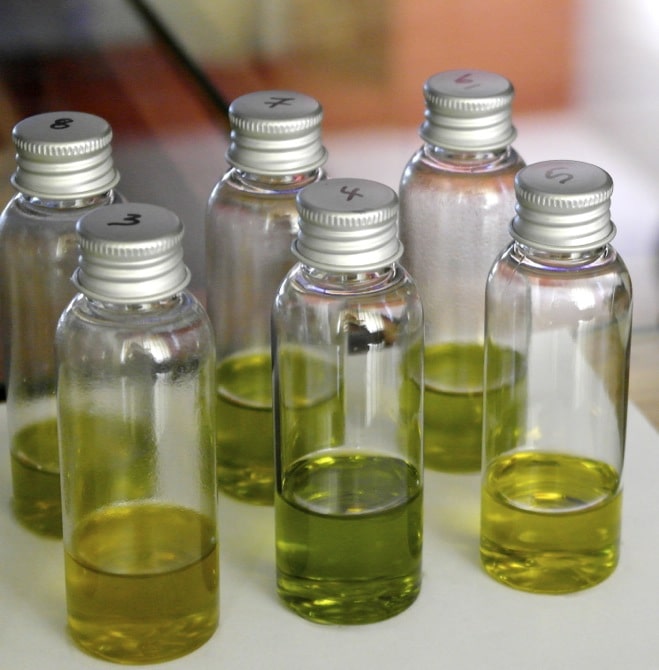
Professional tasting often uses blue glasses so color does not influence judgment. At home, focus on aroma, flavor, bitterness, and finish instead of appearance.
Health and Flavor Benefits of Extra Virgin Olive Oil
Extra virgin olive oil offers more than flavor. It is rich in monounsaturated fat and contains natural plant compounds.
Research on Mediterranean-style eating patterns links regular olive oil use with heart-healthy dietary habits. However, olive oil is still calorie-dense, so portion size matters.
Extra virgin olive oil also contains polyphenols. These compounds vary by olive variety, harvest time, and processing. A bitter or peppery taste may suggest the presence of some of these natural compounds, but taste alone cannot measure health value.
Olive oil should support a balanced diet that includes vegetables, fruit, beans, whole grains, nuts, and other healthy foods. It is not a cure or a substitute for medical care.
Frequently Asked Questions About What Does Olive Oil Taste Like
What does olive oil taste like for the first time?
First-time tasters may notice a fruity, grassy, or slightly bitter flavor. Extra virgin olive oil can also create a peppery feeling in the throat, while refined olive oil is usually much milder.
Is olive oil supposed to taste bitter?
A mild or moderate bitterness can be normal and desirable in extra virgin olive oil. A sour, fermented, stale, or chemical taste may point to a flavor defect or poor storage.
Why does olive oil taste peppery?
Pepperiness comes from natural compounds in the oil and is common in fresh extra virgin olive oil. The sensation may be soft or strong, depending on the olive variety, harvest time, and oil style.
Does olive oil taste like olives?
It can, but the flavor is often more complex than the taste of a table olive. Olive oil may have notes of grass, herbs, green apple, almond, tomato leaf, or artichoke.
What does rancid olive oil taste like?
Rancid olive oil may taste stale, waxy, greasy, or like old nuts and crayons. It often lacks the fresh aroma and clean finish found in good olive oil.
Which olive oil tastes the mildest?
Refined olive oil and some mild extra virgin oils usually have the softest taste. Arbequina-style oils are also often gentle and fruity, though flavor can vary by producer and region.
Can you taste olive oil before cooking with it?
Yes. Tasting a small amount before cooking helps you choose the best oil for the dish. Mild oils suit delicate foods, while grassy or peppery oils work well as finishing oils.
Conclusion
What does olive oil taste like? It can be fruity, grassy, herbal, bitter, peppery, nutty, buttery, or mild. Extra virgin olive oil usually offers the most flavor, while refined olive oil has a softer and more neutral profile.
Freshness, olive variety, harvest time, processing, and storage all shape the final taste. Start with a small tasting, notice the aroma and finish, and try different styles with bread, vegetables, pasta, or soup.
Choose the flavor you enjoy, store the bottle away from heat and light, and use bold oils where their character can shine. Try two or three varieties side by side, then share your favorite tasting notes in the comments.