
Yes, light olive oil can be good for you when used in place of less healthy fats.
Many people wonder, “Is light olive oil good for you?” The answer depends on what “light” means. It usually describes the oil’s mild flavor and pale color, not fewer calories. This guide explains its nutrition, health benefits, cooking uses, limits, and how it compares with extra-virgin olive oil.

What Is Light Olive Oil?
Light olive oil is usually a refined olive oil. It may also be labeled “pure olive oil” or simply “olive oil.” The word “light” does not mean low-fat, low-calorie, or diet-friendly.
Instead, “light” often refers to:
• A mild taste
• A pale color
• Less natural olive aroma
• A higher level of processing
Refining removes many flavor compounds and some natural plant compounds. It can make the oil more neutral and useful for baking, frying, and recipes where you do not want a strong olive taste.
So, is light olive oil good for you? It can be. Like other olive oils, it is rich in unsaturated fat. However, it usually contains fewer antioxidants and polyphenols than extra-virgin olive oil.
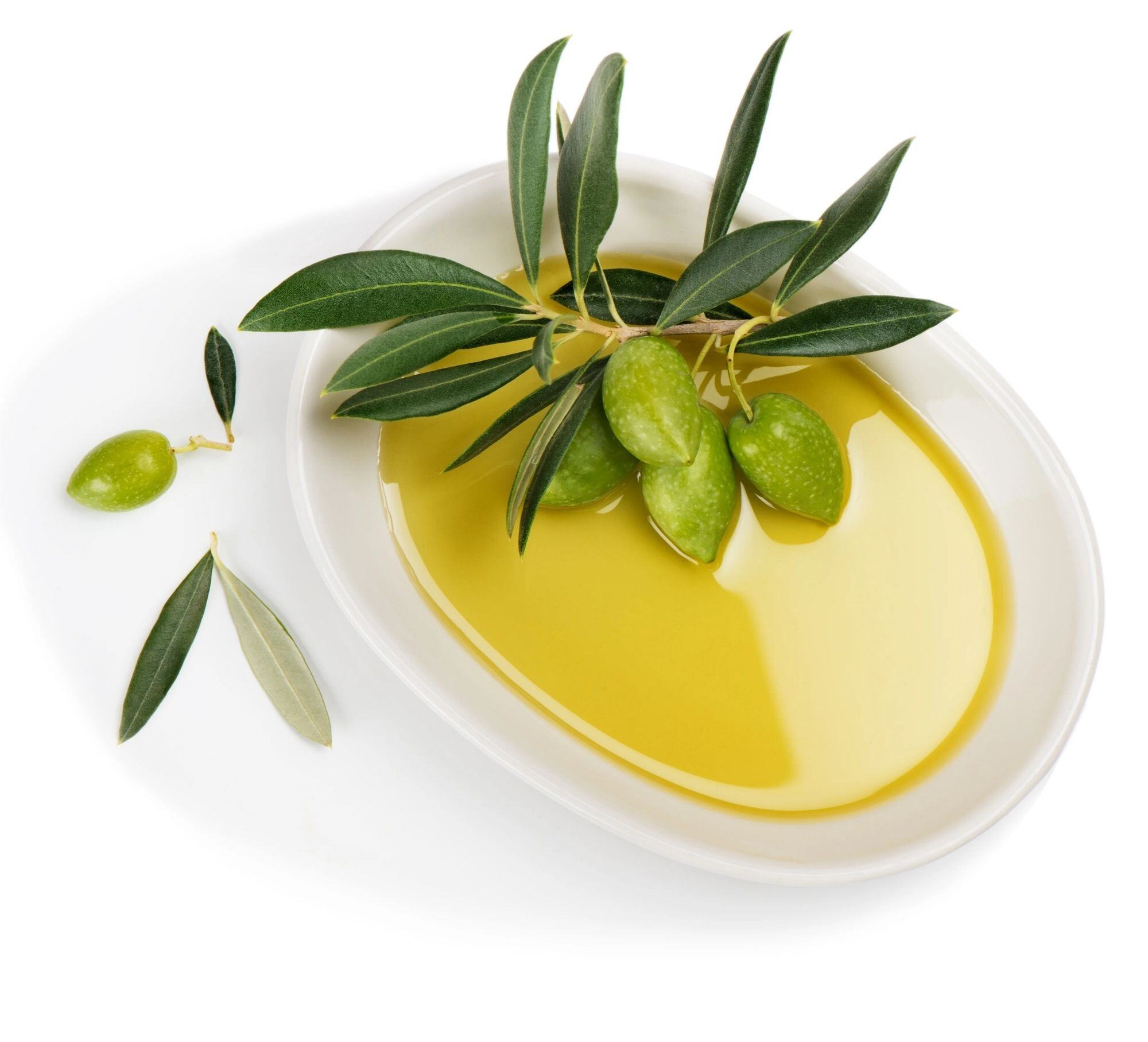
Light Olive Oil Nutrition Facts
One tablespoon of light olive oil contains about:
• 119 calories
• 14 grams of total fat
• About 2 grams of saturated fat
• About 10 grams of monounsaturated fat
• Small amounts of polyunsaturated fat
• No protein, fiber, sugar, or carbohydrates
The exact amounts can vary by brand. Still, the main point is clear: light olive oil is calorie-dense. A tablespoon may look small, but it can add about 120 calories to a meal.
Most of its fat is monounsaturated fat. This type of fat is often viewed as a heart-friendly choice when it replaces butter, shortening, coconut oil, or fatty processed meats.
Is light olive oil good for you if you are trying to lose weight? It can fit into a weight-loss plan, but portion size matters. A healthy oil can still lead to extra calories when poured freely.
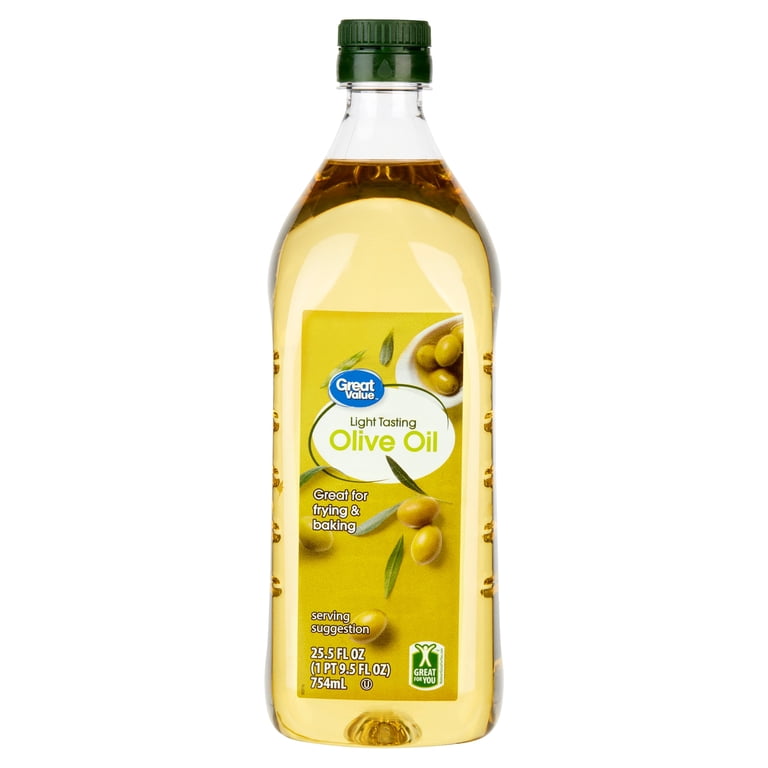
Health Benefits of Light Olive Oil
It contains mostly unsaturated fat
Light olive oil contains a high amount of oleic acid. Oleic acid is a monounsaturated fat found in many plant oils. Replacing some saturated fat with monounsaturated fat may support healthier blood cholesterol levels.
For example, you could use light olive oil instead of:
• Butter on vegetables
• Shortening in baked foods
• Bacon fat for sautéing
• Creamy sauces made with heavy fat
This swap may be more useful than simply adding olive oil to an already high-calorie diet.
It may support heart health
Research on Mediterranean-style eating patterns links olive oil use with better heart health. Much of this evidence focuses on extra-virgin olive oil, which contains more natural plant compounds. Still, the healthy fat in regular or light olive oil can also help when it replaces saturated fat.
The American Heart Association recommends choosing unsaturated fats over saturated and trans fats. This does not make light olive oil a medicine, but it can be a smart part of an overall eating pattern.
It may help meals taste better
Healthy eating is easier when food tastes good. Light olive oil has a gentle flavor, so it works well for people who dislike the strong taste of extra-virgin olive oil.
You can use it in:
• Roasted vegetables
• Homemade salad dressings
• Baked chicken
• Pasta dishes
• Marinades
• Homemade mayonnaise
A mild oil may help you cook more meals at home. That practical benefit matters because home cooking often makes it easier to control salt, sugar, and highly processed ingredients.
It can provide vitamin E
Olive oil contains vitamin E, an antioxidant that helps protect cells from oxidative damage. The amount varies by product and serving size. Light olive oil may contain some vitamin E, although its antioxidant profile can differ from extra-virgin olive oil.
Is light olive oil good for you because of vitamin E alone? No. Its value comes from the full pattern of nutrients, cooking habits, and food choices around it.

Light Olive Oil Versus Extra-Virgin Olive Oil
The main difference is processing.
Extra-virgin olive oil is made through mechanical methods without chemical refining. It must meet strict standards for taste, acidity, and other quality measures. It usually has more polyphenols and other natural compounds.
Light olive oil is generally refined. Refining creates a mild, stable oil, but it removes some of the compounds that give olive oil its color, aroma, peppery taste, and antioxidant activity.
Here is a simple comparison:
| Feature | Light olive oil | Extra-virgin olive oil |
|---|---|---|
| Taste | Mild and neutral | Fruity, peppery, or grassy |
| Color | Often pale | Often green to golden |
| Processing | Usually refined | Mechanically extracted |
| Polyphenols | Usually lower | Usually higher |
| Best uses | Baking and higher-heat cooking | Dressings, dips, and finishing |
| Calories | About the same | About the same |
Is light olive oil good for you compared with extra-virgin olive oil? Both can fit a healthy diet. Extra-virgin olive oil offers more protective plant compounds, while light olive oil offers a neutral taste and reliable cooking performance.

Is Light Olive Oil Good for Cooking?
Light olive oil is often a practical cooking choice. Its mild flavor works in foods where you do not want a strong olive taste. Its refined nature also gives it good heat stability.
You can use it for:
• Sautéing vegetables
• Pan-searing fish
• Roasting potatoes
• Stir-frying at moderate heat
• Baking muffins and quick breads
• Greasing pans
The smoke point of olive oil can vary by quality, age, and processing. Refined olive oil often has a smoke point around 450°F, but the smoke point is not the only measure of cooking safety. Avoid heating any oil until it smokes heavily.
A useful kitchen rule is simple: warm the oil, but do not burn it. If the oil smells sharp, looks smoky, or leaves a bitter taste, lower the heat and replace old oil.

Does Light Olive Oil Have Fewer Calories?
No. “Light” olive oil does not usually have fewer calories than extra-virgin olive oil. Both contain about 120 calories per tablespoon.
This is one of the most common mistakes shoppers make. Food labels use “light” in different ways, but on olive oil bottles it usually means light in flavor or color.
Try these portion tips:
-
Measure oil with a teaspoon or tablespoon.
-
Use a spray bottle when suitable.
-
Pour oil into a small bowl before dipping bread.
-
Use broth, water, or lemon juice for part of the cooking liquid.
-
Add oil after cooking when you want more flavor from a smaller amount.
Is light olive oil good for you when used in large amounts? Too much can raise your calorie intake. The healthiest oil still needs sensible portions.
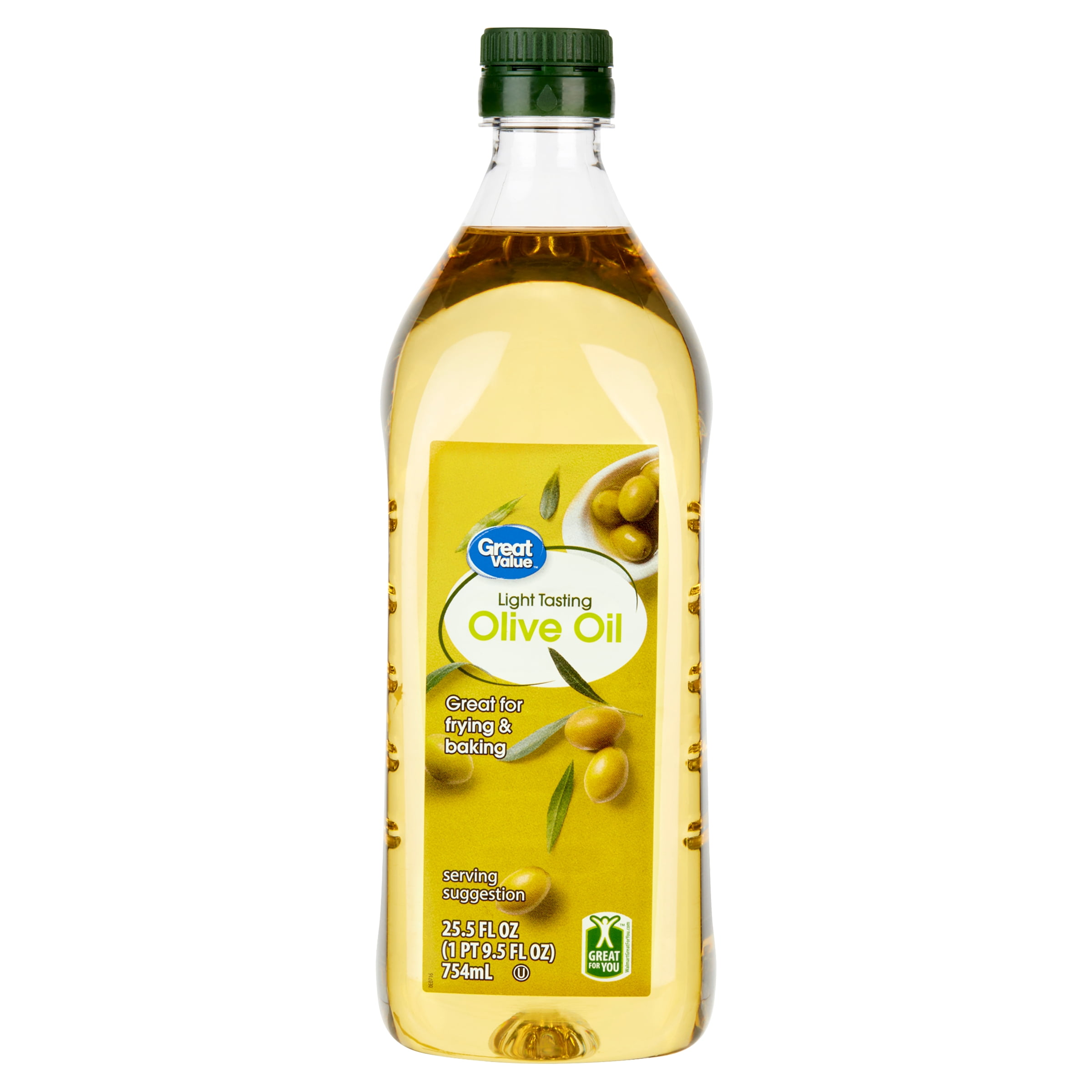
Possible Downsides and Limitations
Light olive oil is not perfect for every person or every recipe.
It may contain fewer protective compounds
Refining reduces some polyphenols and natural antioxidants. If you want the highest level of these compounds, extra-virgin olive oil is usually the better pick.
It is still high in calories
Oil is pure fat. It contains no fiber and very little protein. It can support a healthy diet, but it should not replace vegetables, beans, fruit, whole grains, nuts, or fish.
Quality can vary
Some olive oils may be old, poorly stored, or blended with other oils. Choose a sealed bottle from a trusted producer. Dark glass or a metal container can help protect the oil from light.
It may not suit every flavor
Light olive oil can taste flat in a salad or dip. Extra-virgin olive oil often adds a rich flavor that makes simple foods more satisfying.
People with certain health needs may need guidance
If you have gallbladder disease, digestive problems, or a medical condition that requires a low-fat diet, ask a health professional how much oil fits your plan.
How to Choose a Good Light Olive Oil
Use these simple shopping tips:
• Look for a clear product name, such as “refined olive oil” or “pure olive oil.”
• Check the best-by date.
• Choose a bottle with a secure seal.
• Pick dark glass, a tin, or another container that blocks light.
• Avoid bottles stored in strong heat or direct sunlight.
• Buy a size you can use within a reasonable time.
• Store it in a cool, dark cabinet.
Do not keep olive oil beside the stove if the area becomes hot. Heat, light, air, and time can reduce quality. A fresh oil should smell clean and mild, not stale, waxy, or like crayons.
An important lesson from everyday cooking is that storage matters as much as the label. Even a good oil can lose quality when left open beside a warm burner for months.
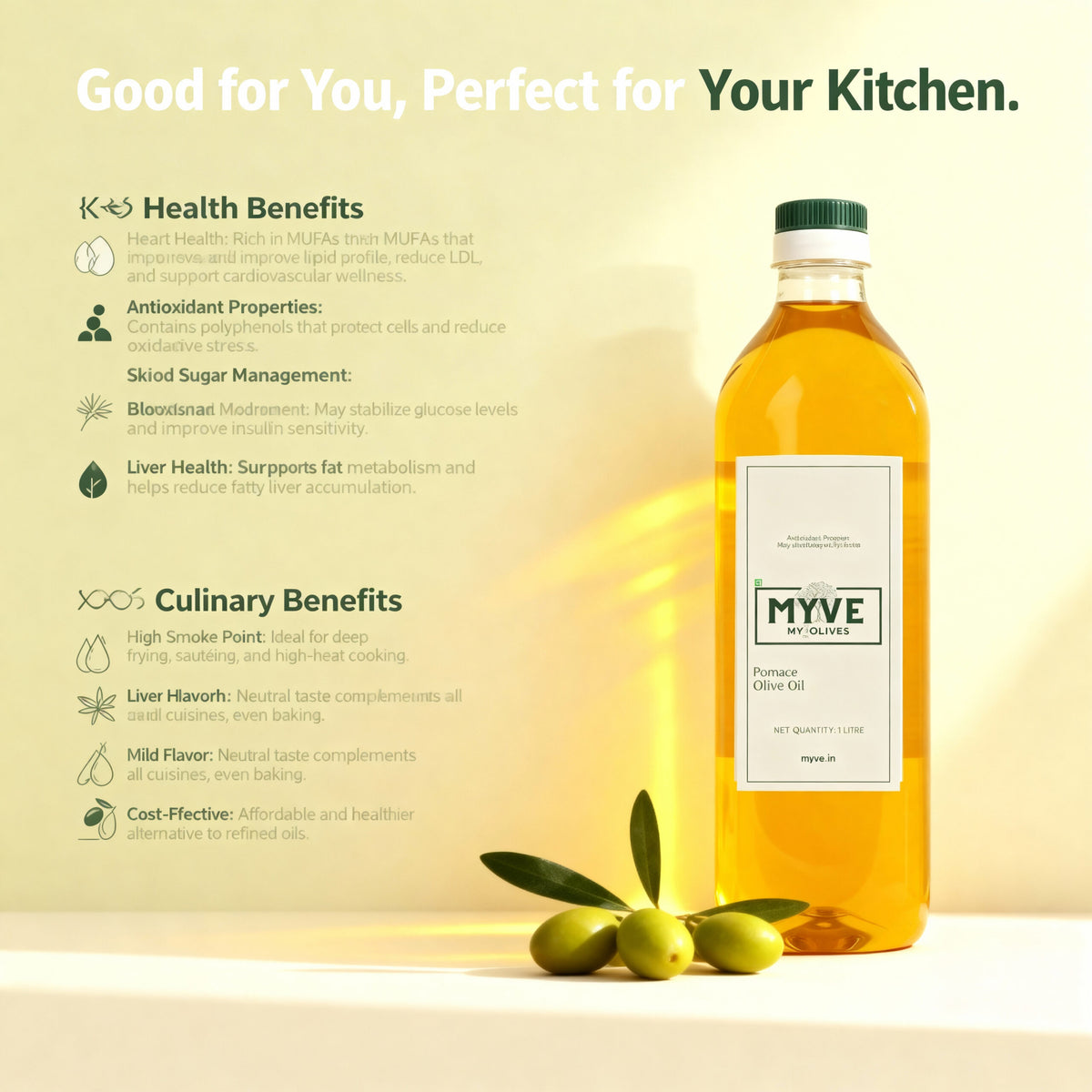
Best Ways to Use Light Olive Oil
Light olive oil works best when you want healthy unsaturated fat without a strong olive flavor.
Try it in these meals:
• Roast carrots, cauliflower, or sweet potatoes.
• Make a simple dressing with lemon juice and herbs.
• Brush it on chicken or fish before baking.
• Use it in homemade granola.
• Add it to a bean or lentil salad.
• Grease a baking pan.
• Sauté onions before making soup.
• Mix it with garlic, parsley, and whole-grain pasta.
For a balanced meal, pair the oil with foods that provide fiber and protein. For example, drizzle a small amount over roasted vegetables and chickpeas. This creates a more filling dish than using oil alone.
A common mistake is using too much oil because it spreads quickly across a hot pan. Add a measured amount, then use a brush or spatula to spread it evenly.
What the Research Suggests
Studies on olive oil and heart health often show the strongest benefits when olive oil replaces saturated fats. This point is important. The benefit comes from the food swap, not from drinking extra oil or adding it to every meal.
Extra-virgin olive oil has received more research attention because it contains polyphenols and other natural compounds. Some studies connect these compounds with lower inflammation and improved blood vessel function. However, research results can vary, and olive oil should not replace medical treatment.
Major health organizations generally support replacing saturated fat with unsaturated fat. They also emphasize the full eating pattern. A diet rich in vegetables, fruit, beans, whole grains, fish, and nuts matters more than one ingredient.
So, is light olive oil good for you according to current nutrition guidance? Yes, it can be a healthy choice, especially when it replaces butter or other fats high in saturated fat. It is not automatically better than every other plant oil, and it is not a cure for disease.
Frequently Asked Questions About Is Light Olive Oil Good for You
Is light olive oil healthier than vegetable oil?
Both oils can fit into a healthy diet, but their fat profiles differ by product. Light olive oil is mainly monounsaturated fat, while some vegetable oils contain more polyunsaturated fat. The best choice depends on the specific oil, how you use it, and what it replaces.
Is light olive oil good for weight loss?
It can fit into a weight-loss plan, but it is not a weight-loss food. Light olive oil has about 120 calories per tablespoon, so measure portions and use it instead of, not in addition to, other fats.
Can you fry with light olive oil?
Yes, light olive oil can work for pan-frying and other moderate to higher-heat cooking. Keep the heat controlled, avoid heavy smoking, and do not reuse oil many times.
Does light olive oil have the same benefits as extra-virgin olive oil?
Both provide mostly unsaturated fat. Extra-virgin olive oil usually contains more polyphenols and has a stronger flavor, while light olive oil is more refined and neutral.
Is light olive oil safe to eat every day?
For most people, it can be part of a balanced daily diet. Use modest portions and include other healthy fat sources, such as nuts, seeds, avocado, and fatty fish.
Does light olive oil expire?
Yes. Olive oil can become stale over time, especially when exposed to heat, air, and light. Store it in a cool, dark place and discard it if it smells rancid or tastes unpleasant.
Conclusion
So, is light olive oil good for you? Yes, it can be a healthy and useful cooking oil. It provides mostly monounsaturated fat and may support heart-friendly eating when it replaces butter, shortening, or other fats high in saturated fat.
Its main limits are clear: it has about the same calories as extra-virgin olive oil and usually contains fewer natural antioxidants. Choose light olive oil for a neutral cooking oil, and choose extra-virgin olive oil when you want more flavor and plant compounds.
Measure your portions, store the bottle well, and use the oil as part of a varied diet. Explore more evidence-based nutrition guides, and share your favorite olive oil cooking tip in the comments.