
Extra virgin olive oil has more flavor and antioxidants, while light olive oil tastes mild and handles heat well.
Choosing between extra virgin olive oil vs light olive oil is not as confusing as it first seems. The key difference is processing: extra virgin olive oil is less processed and richer in flavor, while light olive oil is refined, mild, and often better when you want a neutral taste. This guide explains their nutrition, cooking uses, health benefits, limits, storage needs, and real-world value so you can choose with confidence.
What Is Extra Virgin Olive Oil?
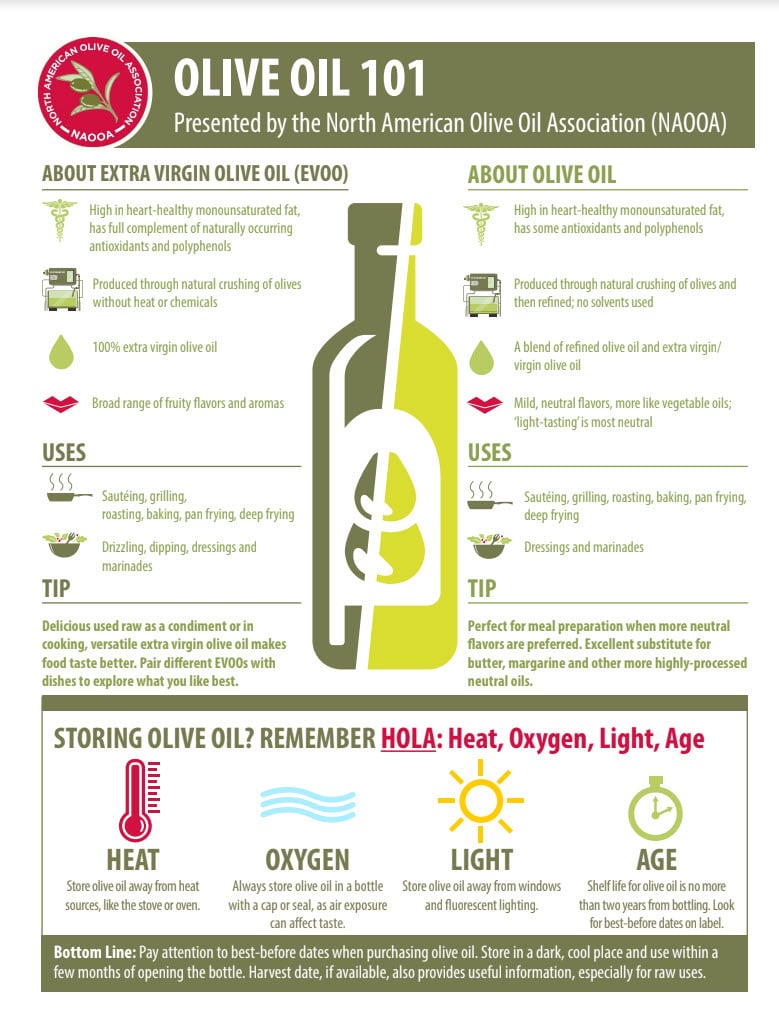
Extra virgin olive oil, often called EVOO, is the highest grade of olive oil. It comes from olives that are pressed or otherwise extracted without chemical refining. To earn the “extra virgin” label, the oil must meet strict chemical and sensory standards.
EVOO has a fresh taste that may be grassy, fruity, peppery, or slightly bitter. These flavors come from the olive variety, harvest time, growing region, and production method. A peppery finish is often linked to natural plant compounds called phenolics.
The term “extra virgin” does not mean that the oil is always organic, local, or cold pressed. Those are separate claims. A high-quality EVOO should also have clear labeling, a fresh harvest date when available, and a dark bottle or tin that helps protect it from light.

<figcaption style=”font-size: 14px; color: #555; margin-top: 8px;”>
Source: com.sg
Extra virgin olive oil nutrition
One tablespoon of extra virgin olive oil contains about 120 calories and 14 grams of fat. Most of that fat is monounsaturated fat, especially oleic acid.
EVOO also contains small amounts of vitamin E, vitamin K, and other plant compounds. Its phenolic compounds have antioxidant activity, though the amount can vary widely among oils.
The main benefits of extra virgin olive oil include:
• Rich flavor that can improve simple foods
• Mostly monounsaturated fat
• Naturally occurring phenolic compounds
• No need for chemical refining
• Strong fit with Mediterranean-style eating patterns
Still, EVOO is calorie-dense. More is not always better. A drizzle can be useful, but pouring freely over every meal can add calories quickly.
What Is Light Olive Oil?
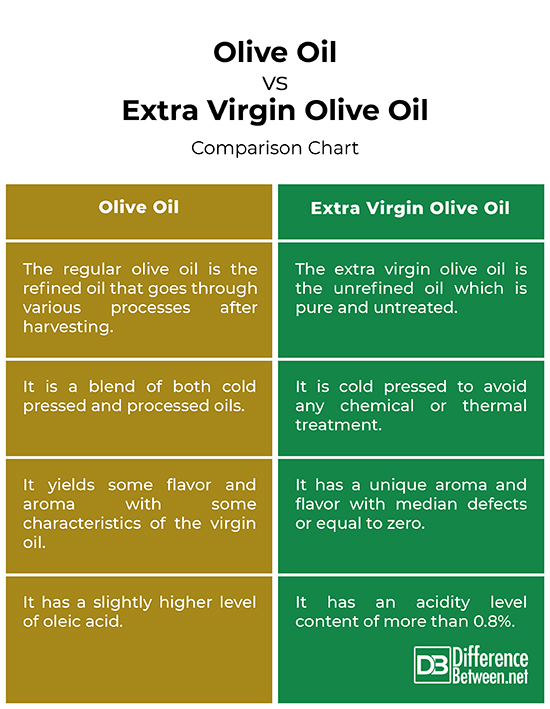
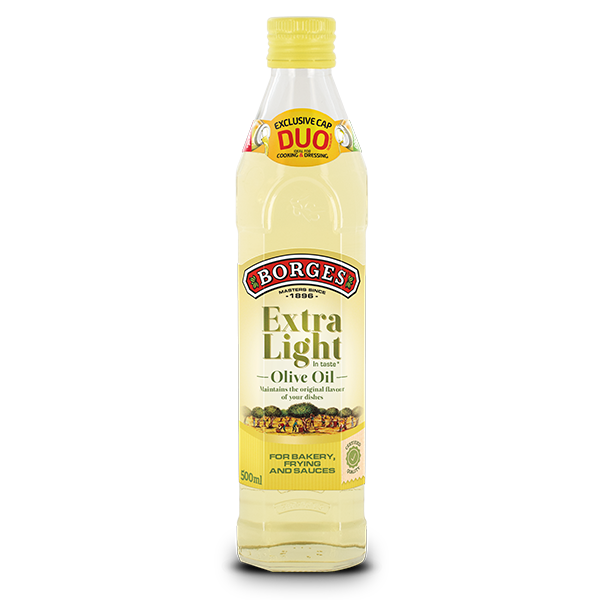
Light olive oil is a refined olive oil, or a blend that contains refined olive oil and a smaller amount of virgin olive oil. The word “light” refers to its lighter color and milder flavor. It does not mean that the oil has fewer calories or less fat.
During refining, heat and other methods remove strong flavors, colors, and some natural compounds. The result is a pale oil with a neutral taste. This makes light olive oil useful in recipes where you do not want an olive flavor.
Light olive oil may also be labeled “pure olive oil” or simply “olive oil,” depending on the product and local labeling rules. Always check the ingredient panel because labels can vary.
Light olive oil nutrition
Light olive oil has roughly the same calories and total fat as extra virgin olive oil. A tablespoon usually provides about 120 calories and 14 grams of fat.
Its fatty acid profile can still include a large amount of monounsaturated fat. However, refining removes many of the minor compounds found in fresh, unrefined EVOO. This means light olive oil and extra virgin olive oil are similar in basic calories but different in flavor, processing, and naturally occurring plant compounds.
Extra Virgin Olive Oil vs Light Olive Oil: Key Differences
The clearest way to compare extra virgin olive oil vs light olive oil is to look at how each oil is made and how it performs in daily cooking.
| Feature | Extra virgin olive oil | Light olive oil |
|---|---|---|
| Processing | Unrefined or minimally processed | Refined, often blended |
| Flavor | Fruity, grassy, bitter, or peppery | Very mild and neutral |
| Color | Green to golden | Pale yellow to gold |
| Calories | About 120 per tablespoon | About 120 per tablespoon |
| Fat | Mostly monounsaturated | Mostly monounsaturated |
| Plant compounds | Generally more phenolics | Generally fewer phenolics |
| Best uses | Dressings, dips, finishing, roasting | Baking, sautéing, frying, neutral recipes |
| Price | Often higher | Often lower |
| Taste impact | Noticeable | Minimal |
This comparison shows why there is no single winner. Extra virgin olive oil is usually the better choice for flavor and less processed nutrition. Light olive oil can be more practical when a recipe needs a neutral taste or a higher-heat cooking method.

Is light olive oil healthier than extra virgin olive oil?
Light olive oil is not automatically healthier. It can still be part of a balanced diet, but extra virgin olive oil generally provides more naturally occurring phenolic compounds because it is less refined.
The overall quality of your diet matters more than choosing one oil for every use. Replacing butter, shortening, or highly saturated fats with an unsaturated oil can be a helpful step. Portion size still matters because all cooking oils are energy-dense.
Which Olive Oil Is Better for Cooking?
Both oils can work in the kitchen. The best choice depends on temperature, flavor, and the food you are making.
Extra virgin olive oil for cooking
Many people think EVOO should only be used cold. That is too restrictive. Good extra virgin olive oil can be used for sautéing, roasting, grilling, and many everyday cooking tasks.
Use EVOO when:
• You want the oil’s flavor in the finished dish
• You are making salad dressing or vinaigrette
• You are roasting vegetables
• You are sautéing onions, garlic, fish, or chicken
• You are finishing soup, beans, pasta, or bread
• You are cooking over moderate heat
A flavorful EVOO can make plain beans taste rich and can give roasted vegetables a crisp, savory edge. For delicate foods, choose a mild EVOO. For grilled meat or hearty greens, a peppery oil may work better.
Light olive oil for cooking
Light olive oil works well when you want the food, herbs, or spices to lead. Its mild taste is useful in cakes, muffins, mayonnaise, pan-fried foods, and dishes with a delicate flavor.
Use light olive oil when:
• You want a neutral taste
• You are baking
• You are pan-frying
• You are cooking at a higher temperature
• You are preparing homemade mayonnaise
• You are feeding people who dislike strong olive flavors
Refined oils often have higher smoke points than unrefined oils, but smoke point values vary by product and storage. A smoking oil is a sign that the pan is too hot. Lower the heat and avoid reusing oil that has darkened, smells sharp, or smokes easily.
Smoke Point and Heat: What Really Matters?
Smoke point is the temperature at which an oil begins to produce visible smoke. It is useful, but it should not be the only way to judge a cooking oil.
Extra virgin olive oil may have a smoke point suitable for many common cooking methods. Its free fatty acid level, freshness, and quality all affect heat performance. Light olive oil is more refined and often performs well at higher temperatures.
In real cooking, most home recipes do not need extreme heat. Sautéing, roasting, and baking can usually be done without pushing either oil to its limit.
Follow these simple heat tips:
-
Warm the pan gradually instead of heating it empty for a long time.
-
Add the oil before the pan becomes extremely hot.
-
Reduce the heat if the oil starts to smoke.
-
Do not leave heating oil unattended.
-
Replace oil that smells stale or rancid.
Studies on cooking oils show that heat can reduce some beneficial compounds and create breakdown products. However, normal cooking with fresh olive oil is different from repeatedly overheating the same oil in a commercial fryer.
Health Benefits and Limitations
The health value of extra virgin olive oil vs light olive oil depends on what each replaces in your diet. Both oils contain unsaturated fats, which are generally preferred over solid fats high in saturated fat.
Extra virgin olive oil has an advantage because it keeps more natural olive compounds. Research on Mediterranean-style diets has linked olive oil use with favorable heart health outcomes, especially when it replaces butter and other saturated fats.
Possible advantages of EVOO include:
• Supporting a heart-friendly eating pattern
• Providing monounsaturated fat
• Adding antioxidants and phenolic compounds
• Helping make vegetables and legumes more enjoyable
• Supporting a diet rich in whole foods
Light olive oil can also be a practical unsaturated-fat choice. Its main limitation is that refining removes much of the flavor and many minor compounds found in EVOO.
Neither oil is a cure or a magic health food. People with gallbladder disease, digestive conditions, or specific medical needs should follow advice from a qualified health professional. If you take medication or have a diagnosed condition, do not make major dietary changes based only on an online article.
How Flavor Changes Your Meal
Flavor is one of the most important differences in extra virgin olive oil vs light olive oil. EVOO can be part of the dish, while light olive oil usually stays in the background.
For example, drizzle EVOO over:
• Tomato and cucumber salad
• Hummus
• Lentil soup
• Grilled fish
• Fresh bread
• Roasted vegetables
Use light olive oil for foods such as:
• Vanilla cake
• Pancakes
• Homemade granola
• Stir-fried vegetables
• Mild fish
• Recipes with butter, herbs, or spices already in focus
I have found that people who dislike “strong” olive oil often prefer a mild EVOO rather than a refined light oil. Taste a small amount before using it. Fresh oil should not taste like crayons, wet cardboard, or old nuts. Those flavors may signal oxidation.
Price, Freshness, and Storage
Extra virgin olive oil often costs more because it requires careful harvesting, extraction, testing, and protection from quality loss. Higher price does not guarantee better oil, though. A smaller bottle with a recent harvest date may be a smarter buy than a large bottle that sits open for a year.
Light olive oil is often cheaper and may be a good value for high-volume cooking. It is especially useful if you need a neutral oil for baking or frying.
Store either oil in a cool, dark place away from the stove. Heat, light, air, and time all speed up oxidation.
For better storage:
• Choose a dark glass bottle, metal tin, or opaque container
• Keep the cap tightly closed
• Avoid storing oil beside the oven
• Buy a size you can use within a reasonable time
• Do not rely only on the expiration date
After opening, many oils taste best when used within several months. The exact shelf life depends on freshness at purchase and storage conditions.

Common Mistakes to Avoid
The extra virgin olive oil vs light olive oil debate often creates simple mistakes. These are easy to prevent.
• Mistaking “light” for low calorie: Light olive oil has about the same calories as EVOO.
• Using expensive EVOO for every task: A neutral refined oil may be better for baking or large-batch cooking.
• Saving EVOO only for salads: Fresh EVOO can work well for moderate-heat cooking.
• Buying a huge bottle: Oil can lose freshness before you finish it.
• Trusting color alone: Green oil is not always better than golden oil.
• Ignoring taste: Rancid oil can ruin an otherwise good meal.
• Overheating any oil: Smoke means the temperature is too high.
One mistake I often see in home kitchens is keeping an open bottle beside the stove for months. It is convenient, but repeated heat exposure can dull the flavor. Keeping a smaller bottle in a cupboard made a noticeable difference in freshness and reduced waste.
How to Choose the Right Olive Oil
Use this simple decision guide when comparing extra virgin olive oil vs light olive oil.
Choose extra virgin olive oil if:
• You want bold or fresh olive flavor
• You are making salad dressing
• You are finishing a dish
• You value minimally processed oil
• You enjoy Mediterranean-style meals
Choose light olive oil if:
• You want a neutral taste
• You are baking
• You are cooking delicate foods
• You need an affordable everyday oil
• You prefer a pale oil with little flavor
You can also keep both bottles. Use EVOO as your flavor oil and light olive oil as your neutral cooking oil. This approach is practical, flexible, and often more satisfying than forcing one oil to do every job.

Frequently Asked Questions About Extra Virgin Olive Oil vs Light Olive Oil
Is extra virgin olive oil better than light olive oil?
Extra virgin olive oil is usually better for flavor and naturally occurring phenolic compounds. Light olive oil can still be a useful unsaturated-fat choice, especially when you want a neutral taste or refined oil for cooking.
Can you fry with extra virgin olive oil?
Yes, you can fry with extra virgin olive oil when the temperature is controlled and the oil does not smoke. For very high-heat or repeated frying, a refined oil may be more practical.
Does light olive oil have fewer calories?
No. Light olive oil generally has about the same calories and fat as extra virgin olive oil. “Light” refers to color and flavor, not calorie content.
Which olive oil is best for salad dressing?
Extra virgin olive oil is usually the best choice for salad dressing because its fruity, peppery flavor adds depth. Pair it with vinegar or lemon juice, herbs, garlic, and a little salt.
Can light olive oil replace extra virgin olive oil?
Light olive oil can replace EVOO in many cooking and baking recipes. The main difference will be flavor, since light olive oil will not provide the same fresh olive taste.
How can you tell if olive oil has gone bad?
Rancid olive oil may smell or taste like crayons, stale nuts, wax, or cardboard. If it tastes unpleasant, discard it rather than trying to hide the flavor with other ingredients.
Conclusion
The best choice in the extra virgin olive oil vs light olive oil comparison depends on your recipe and your taste. Extra virgin olive oil offers more flavor and usually more natural plant compounds, while light olive oil offers a mild taste and flexible performance in baking, sautéing, and frying.
Keep both if your budget allows. Use EVOO when you want the oil to shine, and choose light olive oil when you want a quiet background player. Check the label, store the bottle well, and use each oil with purpose. Try both in your next meal, then share your favorite uses or cooking tips in the comments.