
Olive oil can support a heart-friendly diet when used in place of less healthy fats.
Olive oil and diet work well together because extra virgin olive oil adds rich flavor, healthy fats, and plant compounds to everyday meals. Research on Mediterranean-style eating shows that the overall food pattern matters most, not one ingredient alone. This guide explains the benefits, limits, best uses, serving ideas, and simple mistakes to avoid.
What Is the Role of Olive Oil in a Healthy Diet?
Olive oil is a liquid fat made from pressed olives. It contains mostly monounsaturated fat, especially oleic acid. Extra virgin olive oil also contains natural plant compounds called polyphenols.
These features make olive oil different from highly refined fats. Still, olive oil is calorie-dense. One tablespoon has about 120 calories, so portion size matters even when the oil is nutritious.
The best approach to olive oil and diet is replacement, not addition. Use olive oil instead of butter, shortening, or some highly processed sauces. Adding it on top of an already high-calorie diet may lead to weight gain.
A balanced eating pattern should still include:
• Vegetables and fruit
• Beans, lentils, and whole grains
• Fish, eggs, poultry, or other protein foods
• Nuts and seeds
• Plain yogurt or other nutritious dairy foods
• Small amounts of sweets and highly processed foods
Think of olive oil as one helpful tool in the kitchen. It can improve a meal, but it cannot make an unbalanced diet healthy by itself.
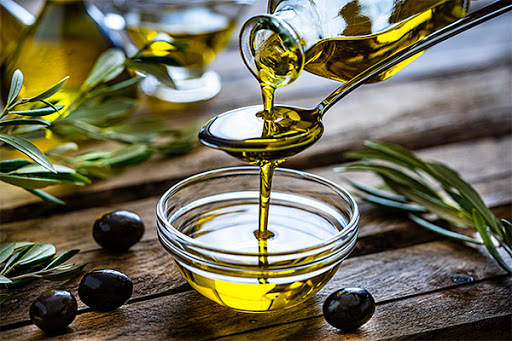
Olive Oil and Diet: Potential Health Benefits
Heart health
The strongest evidence for olive oil and diet relates to heart health. Replacing saturated fats with monounsaturated fats may help improve blood cholesterol levels.
Extra virgin olive oil may also support blood vessel function because it contains polyphenols. Some studies link higher olive oil intake with a lower risk of cardiovascular disease, especially when it is part of a Mediterranean-style diet.
The key word is “replace.” Eating olive oil with vegetables and beans may be helpful. Eating it in addition to butter, fatty meats, and refined snacks provides fewer benefits.
Blood sugar control
Olive oil contains very little carbohydrate, so it does not directly raise blood glucose. When used with a meal that includes vegetables, beans, or whole grains, it may help create a more balanced plate.
Fat can slow digestion. This may reduce the speed at which a meal affects blood sugar. However, people with diabetes should still consider total calories and the amount of carbohydrate in the full meal.
Olive oil is not a diabetes treatment. Medication, activity, sleep, and overall food choices remain important.
Antioxidant support
Extra virgin olive oil contains polyphenols and vitamin E. These compounds help protect the oil from oxidation and may help the body manage oxidative stress.
The amount of polyphenols varies by olive type, harvest time, processing, and storage. A bitter or peppery taste often suggests a higher level of certain natural compounds, although taste alone cannot measure health value.
Brain and healthy aging
Research on Mediterranean-style eating suggests possible benefits for brain health and healthy aging. Olive oil may contribute because it replaces less healthy fats and fits well with vegetables, fish, legumes, and whole grains.
However, no food has been proven to prevent dementia on its own. Brain health depends on many factors, including blood pressure, movement, sleep, social connection, and medical care.
Digestive comfort
Olive oil may make high-fiber foods easier and more enjoyable to eat. A drizzle over beans, cooked vegetables, or whole grains can improve taste and help people eat more plants.
Some people find that a moderate amount of olive oil supports regular bowel movements. Others may develop loose stools or stomach discomfort after eating too much. Your response matters.
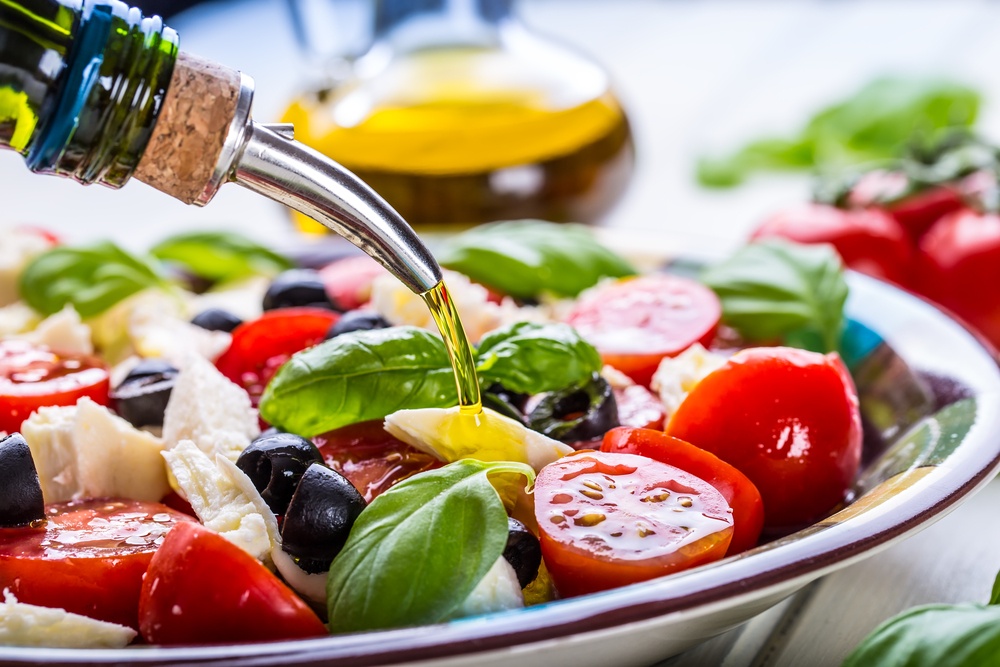
Extra Virgin Olive Oil vs. Regular Olive Oil
Extra virgin olive oil is produced without chemical refining and must meet standards for flavor and quality. It usually has more natural plant compounds than refined olive oil.
Regular olive oil is often a blend that includes refined olive oil and some virgin olive oil. It has a milder flavor and a higher smoke point than many extra virgin varieties.
Here is a simple comparison:
• Extra virgin olive oil: Best for dressings, dips, finishing, and gentle to medium cooking
• Virgin olive oil: Less common, with a stronger flavor than regular olive oil
• Regular olive oil: Mild taste and useful for everyday cooking
• Light olive oil: “Light” usually means lighter flavor, not fewer calories
All olive oils contain about the same number of calories per tablespoon. The word “light” does not mean it is a low-calorie food.
For flavor and potential polyphenol content, extra virgin olive oil is often the best choice. For cooking, regular olive oil can also be practical and nutritious.
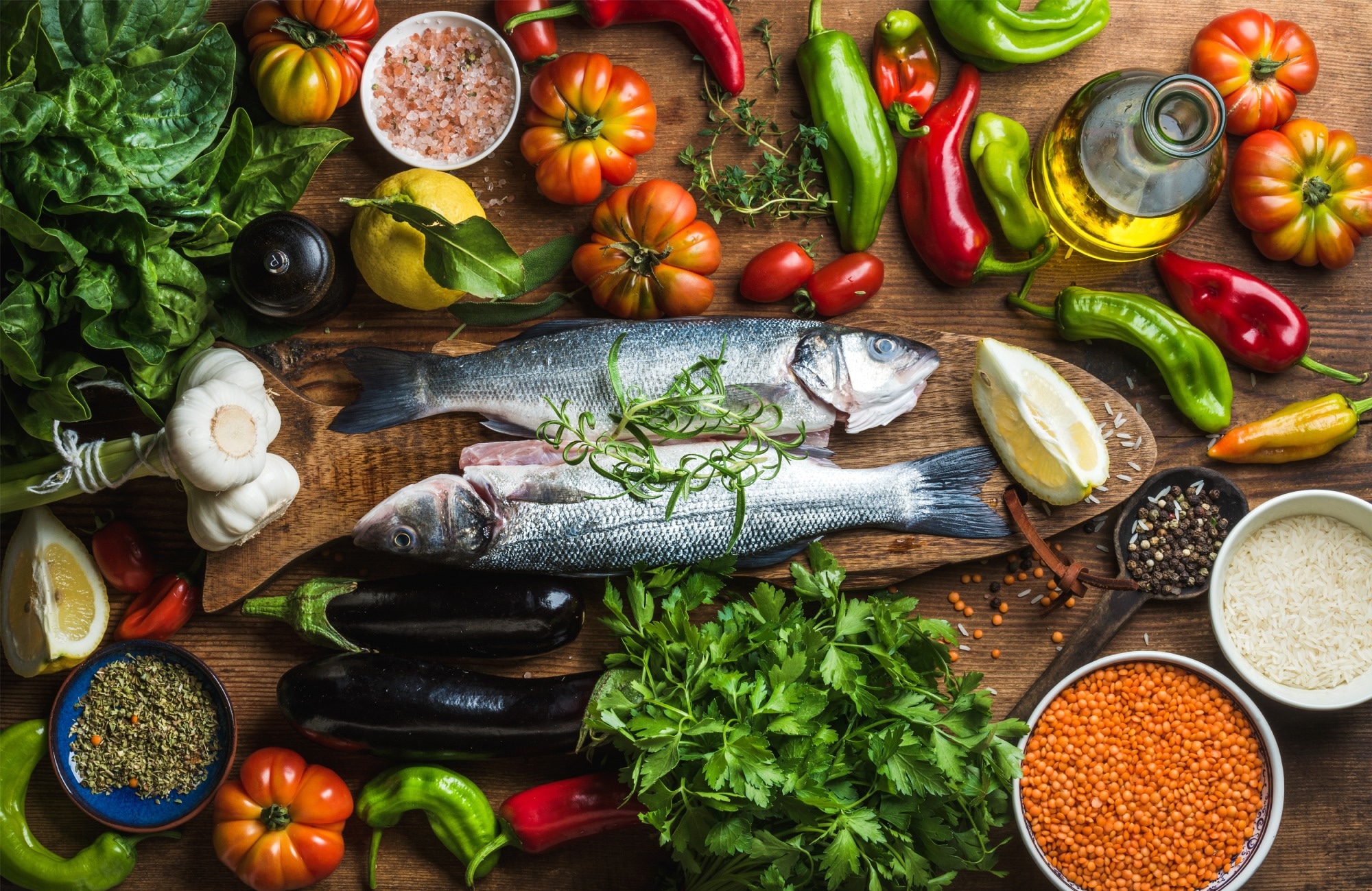
How Olive Oil Fits Into the Mediterranean Diet
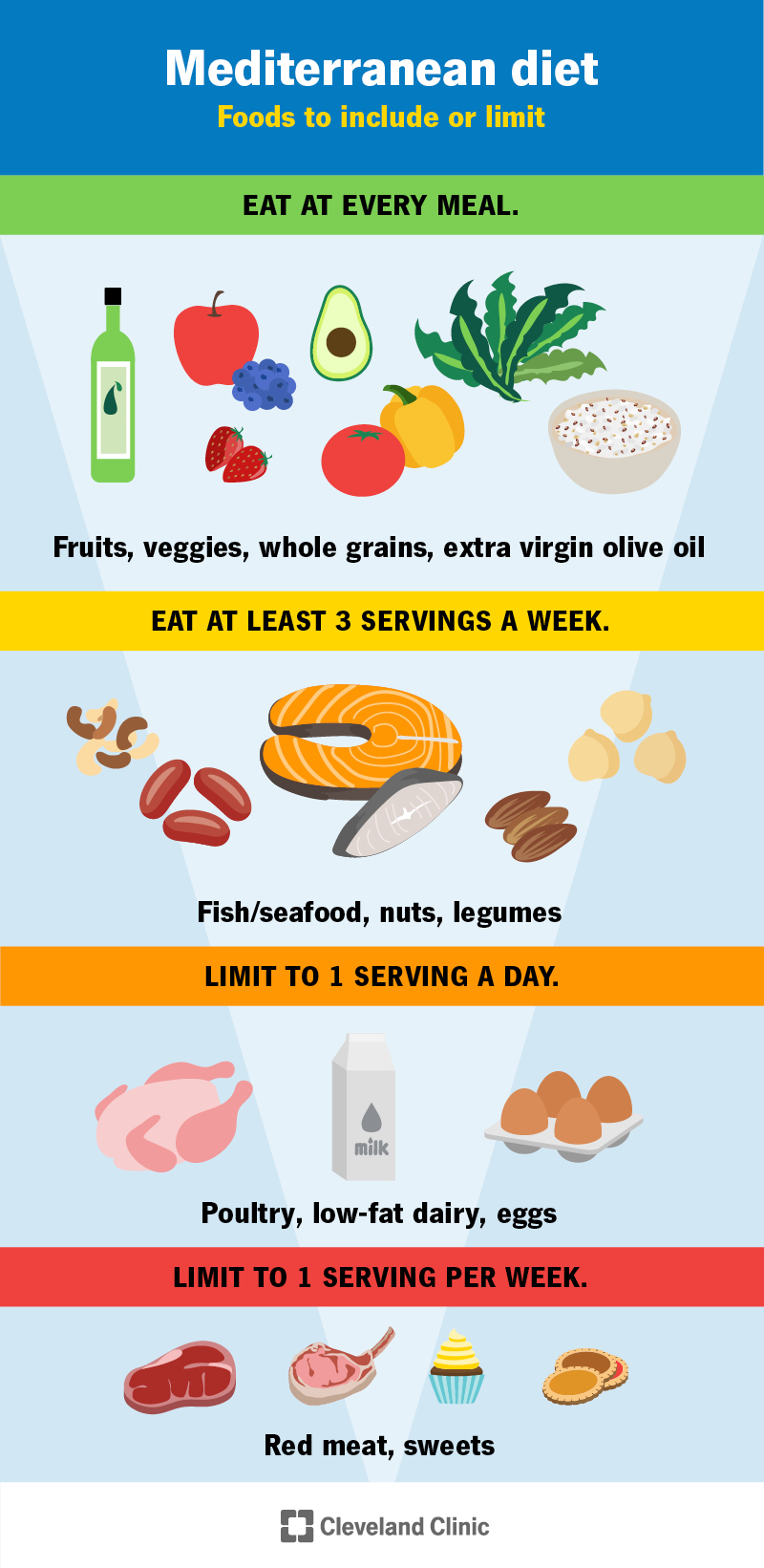
The Mediterranean diet is not simply an olive oil diet. It is a broad eating pattern based on foods common in countries near the Mediterranean Sea.
Its main features include:
• Olive oil as the main added fat
• Plenty of vegetables and fruit
• Beans, lentils, and peas
• Whole grains
• Nuts and seeds
• Fish and seafood
• Moderate poultry, eggs, and dairy
• Less red meat and processed meat
• Few highly processed foods and sugary drinks
In this pattern, olive oil often replaces butter or other solid fats. It also adds flavor to simple foods such as tomatoes, greens, chickpeas, potatoes, and grilled fish.
A typical meal might include lentil soup, a tomato and cucumber salad, whole grain bread, and a small amount of extra virgin olive oil. This combination offers fiber, protein, vitamins, minerals, and satisfying fat.
The lesson is useful even if you do not eat Mediterranean food. You can borrow the pattern by adding more plants, choosing healthy proteins, and using olive oil in place of less helpful fats.

Can Olive Oil Help With Weight Loss?
Olive oil may fit into a weight-loss diet, but it does not directly burn fat. Weight loss usually requires a consistent calorie deficit, which means using slightly fewer calories than the body needs over time.
Olive oil may help with fullness because fat can make meals more satisfying. It may also help you enjoy vegetables and other high-fiber foods, which can make a healthy diet easier to follow.
The challenge is portion control. A large pour can add hundreds of calories without making the meal look much bigger.
Try these practical methods:
• Measure one tablespoon when you are tracking calories
• Use a small spoon instead of pouring from the bottle
• Mix olive oil with vinegar, lemon juice, or herbs for a lighter dressing
• Roast vegetables with a thin coating rather than a deep pool of oil
• Use a spray bottle carefully, since sprays can still add calories
• Keep nuts, cheese, avocado, and olive oil in balance rather than eating large amounts of all four
A common kitchen mistake is treating olive oil as “free food.” It is nutritious, but calories still count.
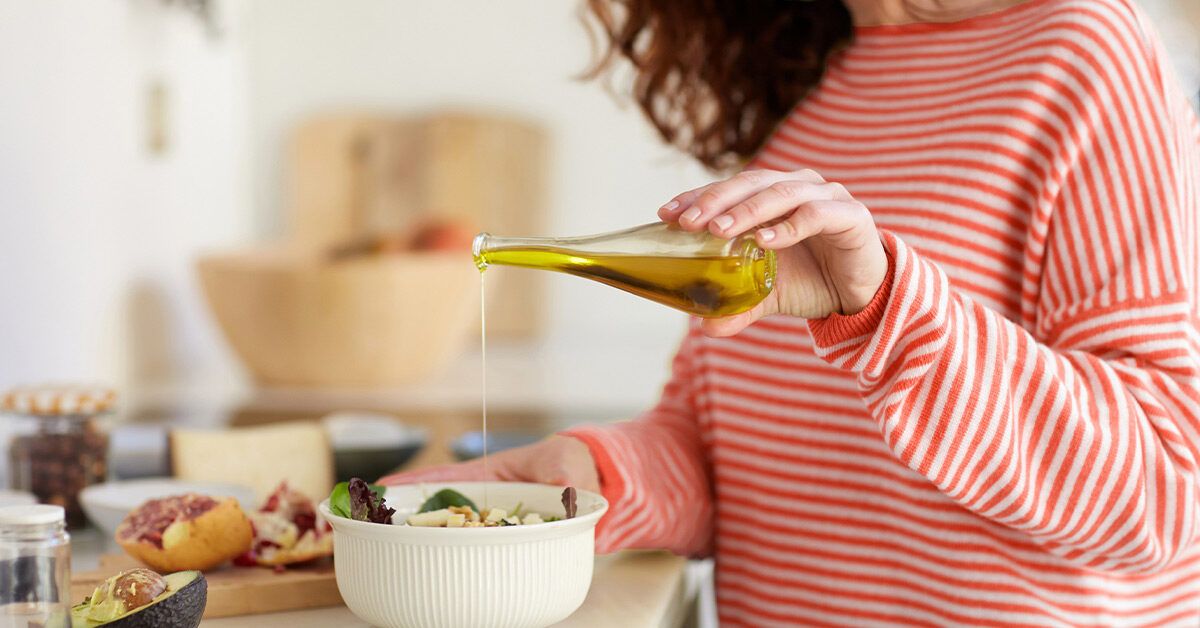
The Best Ways to Use Olive Oil Every Day
You do not need complicated recipes to include olive oil and diet in a healthy way. Small changes can make meals more enjoyable.
For breakfast
Drizzle a teaspoon over avocado toast, scrambled eggs, or cooked greens. You can also use olive oil in a tomato and bean breakfast bowl.
For lunch
Make a simple dressing with:
- One tablespoon of extra virgin olive oil
- One tablespoon of lemon juice or vinegar
- A pinch of salt
- Black pepper, garlic, or dried herbs
Toss it with greens, beans, cucumbers, tomatoes, or whole grains.
For dinner
Use olive oil to sauté onions, garlic, mushrooms, or vegetables. Add beans, fish, chicken, or tofu for protein. Finish the dish with lemon juice and a small drizzle of extra virgin olive oil.
For snacks
Dip whole grain bread into a small dish of olive oil and herbs. Pair it with vegetables, hummus, or a piece of fruit to create a more filling snack.
For baking
Olive oil can replace butter in some cakes, muffins, and quick breads. Choose a mild oil if you do not want a strong olive flavor. The texture may be softer and more moist.
In practical meal planning, I have found that measuring oil for a week can be eye-opening. Many people use a healthy oil but pour two or three times more than they intended. A measuring spoon helps keep the benefits without losing control of portions.

Is Olive Oil Safe for Cooking?
Olive oil is suitable for many cooking methods, including sautéing, roasting, baking, and pan-frying. The best temperature depends on the oil’s quality, freshness, and cooking method.
Avoid heating any oil until it smokes heavily. Smoke signals that the oil is breaking down and may create unpleasant flavors.
For gentle cooking, extra virgin olive oil works well. For higher-heat cooking, regular olive oil may be a useful choice because of its milder flavor and refined components.
Use these safety tips:
• Keep the heat moderate when possible
• Do not reuse oil many times
• Discard oil that smells rancid or burnt
• Avoid leaving a pan unattended
• Store oil away from heat and direct sunlight
• Never pour water into a pan of hot oil
Cooking may reduce some delicate polyphenols, but olive oil remains a useful fat after heating. The nutritional effect also depends on the full meal.
How to Choose and Store Olive Oil
Quality and freshness affect taste. Look for extra virgin olive oil in a dark glass bottle or a sealed metal container. A harvest date is helpful because it tells you more than a distant expiration date.
Choose a bottle size that you can use within a reasonable time. A very large bottle may seem cheaper, but the oil can lose freshness after opening.
Store olive oil in a cool, dark cabinet. Keep it away from the stove, oven, dishwasher, and sunny windows. Heat and light speed up oxidation.
Signs of stale oil may include:
• A waxy smell
• A crayon-like flavor
• A flat or dusty taste
• A strong rancid smell
Fresh extra virgin olive oil may taste fruity, grassy, bitter, or peppery. These flavors are not signs that the oil is bad. They are often normal characteristics of the olives and harvest.
Possible Downsides and Limitations
Olive oil is healthy for many people, but it is not ideal for every situation in unlimited amounts.
First, it is calorie-dense. Large amounts can make weight control harder. Second, some people experience reflux, diarrhea, or stomach discomfort after eating a lot of fat.
People with gallbladder or digestive problems may need personal advice from a doctor or registered dietitian. Anyone with an olive allergy should avoid olive products and check food labels.
Olive oil also should not replace every source of fat. Nuts, seeds, avocado, and fatty fish provide different nutrients. A varied diet is usually more useful than relying on one “superfood.”
Finally, research on olive oil often studies a whole dietary pattern. It can be difficult to separate the effect of olive oil from exercise, income, genetics, sleep, and other foods. This is why health claims should remain realistic.
A Simple One-Day Olive Oil Meal Plan
This sample plan shows how olive oil and diet can work together without using large amounts.
Breakfast
• Oatmeal with berries and walnuts
• Plain yogurt or a boiled egg
• Water, coffee, or unsweetened tea
Lunch
• Chickpea and vegetable salad
• One tablespoon of olive oil and lemon dressing
• Whole grain pita
Snack
• Apple with a small portion of peanut butter
Dinner
• Baked salmon or tofu
• Roasted broccoli and carrots
• Lentils or a small serving of brown rice
• One teaspoon of olive oil for finishing
This plan is only an example. Calorie and protein needs vary with age, body size, activity, health goals, and medical conditions.
Frequently Asked Questions About Olive Oil and Diet
Is olive oil good for a healthy diet?
Yes, olive oil can be part of a healthy diet, especially when it replaces butter or other fats high in saturated fat. It works best with vegetables, legumes, whole grains, fish, and other minimally processed foods.
How much olive oil should you eat per day?
There is no single amount for everyone. One to two tablespoons may fit many adults, but the right amount depends on total calorie needs and the other fats in the diet.
Can olive oil help you lose belly fat?
Olive oil does not specifically target belly fat. It may support a weight-management diet when used in moderate portions and when it replaces higher-calorie or less nutritious fats.
Is extra virgin olive oil healthier than regular olive oil?
Extra virgin olive oil generally contains more natural polyphenols and has a stronger flavor. Regular olive oil is still a useful cooking fat, and both types contain similar calories.
Can you cook with extra virgin olive oil?
Yes, extra virgin olive oil can be used for sautéing, roasting, baking, and many other cooking methods. Use moderate heat and avoid heating the oil until it smokes.
Does olive oil raise cholesterol?
Olive oil is not usually linked with increased LDL cholesterol when it replaces saturated fats. Its effect depends on the entire diet, and people with high cholesterol should follow personalized medical advice.
Is olive oil safe for people with diabetes?
Olive oil contains little carbohydrate and can fit into a diabetes-friendly meal plan. Portion size still matters, and people with diabetes should consider their complete meal, medication, and blood glucose goals.
Conclusion
Olive oil and diet can form a strong partnership when olive oil replaces less healthy fats and supports a balanced eating pattern. Extra virgin olive oil adds flavor and beneficial plant compounds, while vegetables, beans, whole grains, fish, and nuts provide the wider health foundation.
Use a modest amount, measure portions when needed, and store the oil properly. Start by replacing butter in one meal, adding a simple olive oil dressing to vegetables, or finishing a bean and whole grain dish with a small drizzle. Explore more healthy cooking guides, share your favorite olive oil recipe, or leave a comment with the change you plan to try.