
Real olive oils are authentic oils made from olives, with extra virgin olive oil offering the highest quality and least processing.
When people ask what are the real olive oils, they often want to avoid fake blends, stale oil, and confusing labels. The good news is that you can learn to spot authentic olive oil by understanding grades, tasting clues, labels, storage, and reliable certifications. This guide explains the differences in simple terms so you can buy with confidence.
What Are the Real Olive Oils?
“Real olive oil” is not one official grade. It is a simple phrase people use for olive oil that comes from olives, meets legal quality standards, and has not been diluted with cheaper oils.
The purest common form is extra virgin olive oil. It comes from fresh olives and is made by mechanical means, without chemical refining. It must also pass chemical tests and sensory checks.
The main real olive oil categories are:
• Extra virgin olive oil: The highest standard. It has no sensory defects and contains no more than 0.8% free acidity under international standards.
• Virgin olive oil: Made by mechanical methods but may have mild taste defects or higher acidity than extra virgin oil.
• Refined olive oil: Olive oil that has been treated to remove flaws, color, or strong flavors. It is usually blended with some virgin olive oil.
• Olive oil: Often a blend of refined olive oil and virgin olive oil. It is milder and less flavorful than extra virgin oil.
• Olive pomace oil: Made from the olive pulp left after the first extraction. It requires solvents and refining, so it is not the same as extra virgin olive oil.
Real olive oils can come from many countries, including Spain, Italy, Greece, Tunisia, Turkey, Portugal, and the United States. Country of origin does not automatically prove quality. Freshness, handling, testing, and honest labeling matter more.
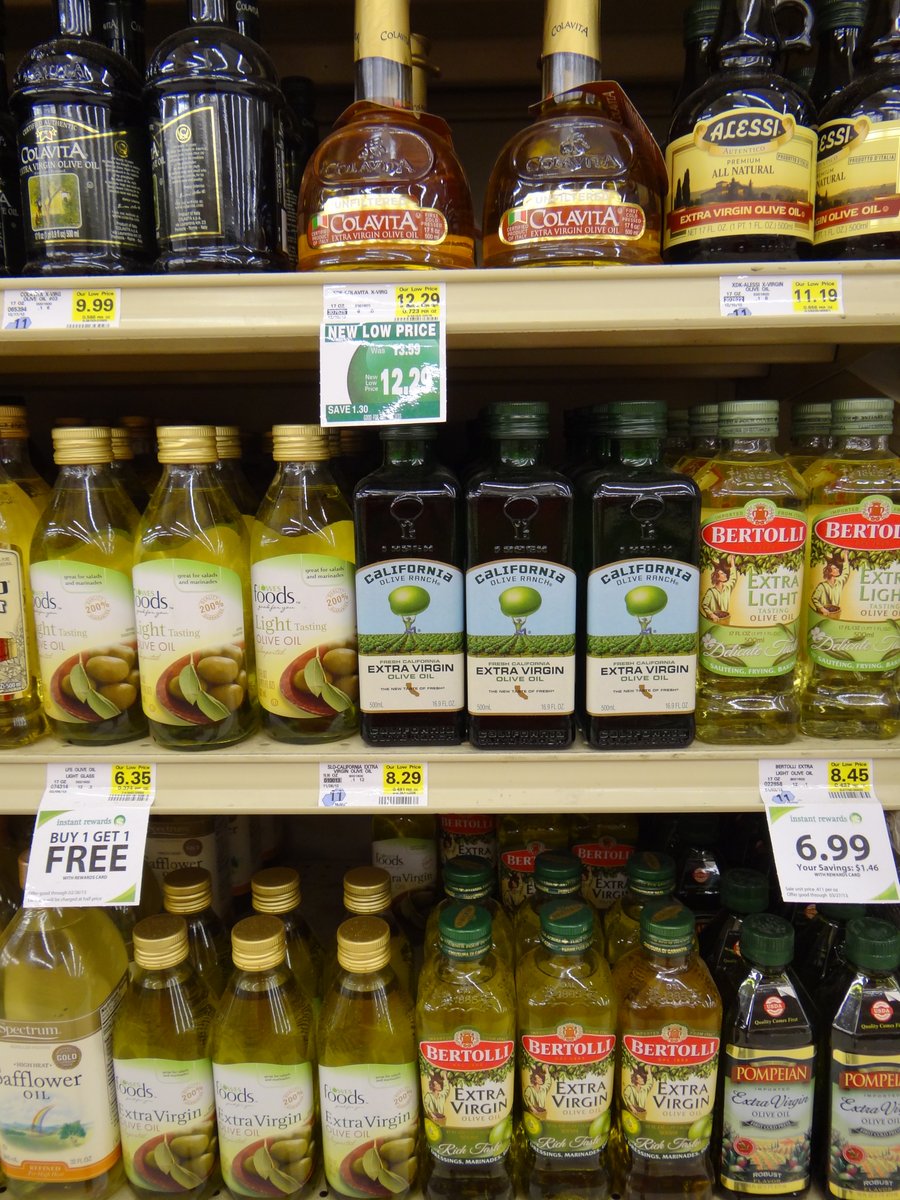
Extra Virgin Olive Oil: The Best Choice for Most People
Extra virgin olive oil is usually the best choice for flavor, freshness, and natural compounds. It is made without refining, so it keeps more of the olive’s aroma, color, and phenolic compounds.
A good extra virgin olive oil may smell fruity, grassy, herbal, or slightly peppery. It can taste bitter or produce a mild burn in the throat. These traits are often signs of fresh olives and natural phenols, not signs that the oil is bad.
The International Olive Council uses sensory and chemical standards to classify olive oil. In the United States, olive oil standards and labeling rules also help define grades, although enforcement and voluntary certification can vary.
Extra virgin olive oil works well for:
• Salad dressings
• Dipping with bread
• Roasted vegetables
• Fish and chicken
• Beans, grains, and soups
• Finishing pasta or pizza
It is also suitable for many cooking methods. Its smoke point varies by quality and freshness, but normal sautéing and roasting temperatures are generally acceptable. Avoid heating any oil until it smokes, because smoke signals breakdown and creates unpleasant flavors.

How Real Olive Oil Is Made
Understanding production helps explain what are the real olive oils. The process begins when olives are picked, cleaned, and crushed into a paste.
The paste is mixed slowly in a step called malaxation. The oil is then separated from water and olive solids by a centrifuge or press. Modern producers often use controlled temperatures and clean equipment to protect flavor.
Quality can be lost at several points:
• Olives may be picked too late.
• Fruit may sit for days before crushing.
• Dirty equipment may add unwanted flavors.
• Heat may damage aroma and freshness.
• Light and oxygen may spoil the bottled oil.
Fresh, healthy olives usually create better oil than damaged or overripe fruit. A useful comparison is fresh orange juice: the longer it sits and the more heat it faces, the less lively it tastes.
Some oils are labeled “cold extracted” or “first cold pressed.” These terms can offer useful information, but they do not automatically guarantee superior quality. A trusted producer, recent harvest date, good storage, and verified testing are stronger clues.
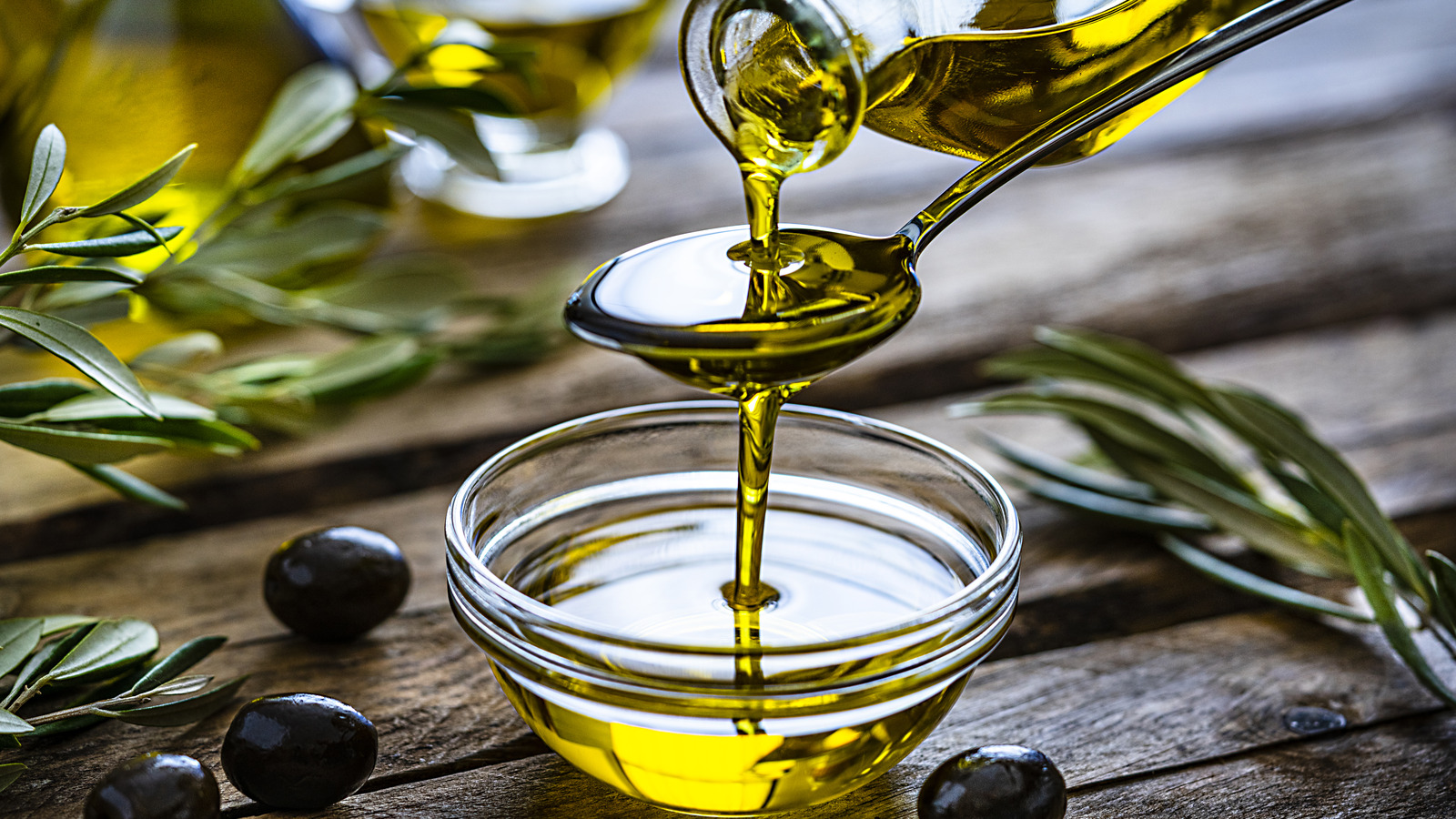
Real Olive Oil vs. Fake or Adulterated Oil
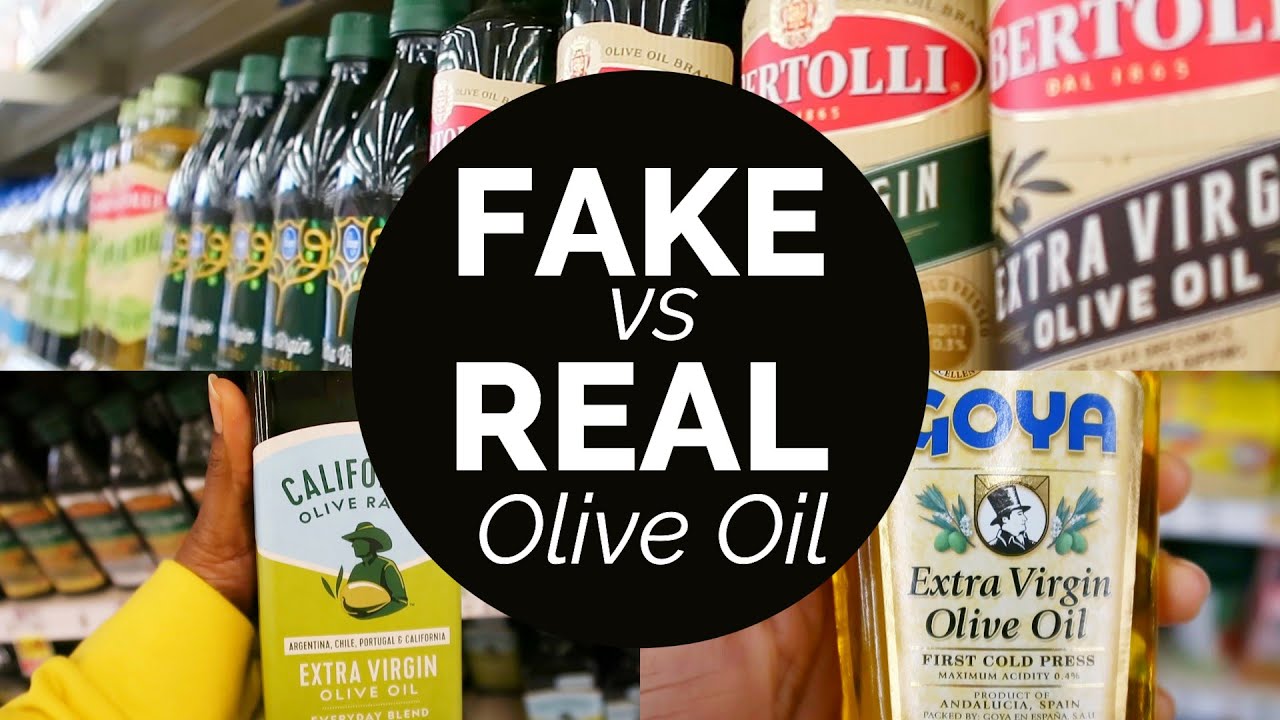
Most olive oil sold in reputable stores is not fake. Still, olive oil is a high-value product, so fraud can happen. Adulteration may involve mixing olive oil with lower-cost vegetable oils, using old oil, misrepresenting the country of origin, or selling a lower grade as extra virgin.
Adulterated oil may look normal. Color and thickness are not reliable proof of authenticity. A green color does not guarantee quality, and a pale oil is not automatically fake.
Common warning signs include:
• A very low price with no clear reason
• No harvest date or lot information
• A damaged, dusty, or leaking bottle
• A vague origin such as “packed in” without clear sourcing
• A plastic bottle stored under bright store lights
• A label that uses fancy language but gives no producer details
Home tests are often misleading. Putting olive oil in the refrigerator does not reliably prove that it is pure. Authenticity requires laboratory tests, such as fatty acid analysis, sterol testing, and checks for oxidation or added oils.
The best protection is to buy from producers and retailers who share clear information. Look for traceable origin, batch details, quality seals, and a willingness to explain how the oil was made.

How to Read an Olive Oil Label
Labels can feel like a puzzle, but a few details make shopping much easier. Start with the grade, then check the dates and origin.
Look for these details:
• Grade: “Extra virgin” is more specific than “pure” or “light.”
• Harvest date: This tells you when the olives were picked. It is more useful than a vague best-by date.
• Best-by date: Choose a bottle with plenty of time left, but remember that freshness depends on storage.
• Country or region of origin: Clear origin details are a positive sign.
• Producer or mill: A named producer is usually more transparent than a generic label.
• Lot number: This helps trace the product if there is a quality problem.
• Certification: Seals from recognized regional, organic, or quality programs can add confidence.
“Light olive oil” does not mean low-calorie oil. It usually means a lighter taste and color, often because the oil is refined. All olive oils contain about the same number of calories per tablespoon.
“Pure olive oil” also does not mean the purest product. In many cases, it is a blend of refined olive oil and virgin olive oil. If you want the strongest natural flavor and the least processing, choose extra virgin olive oil.
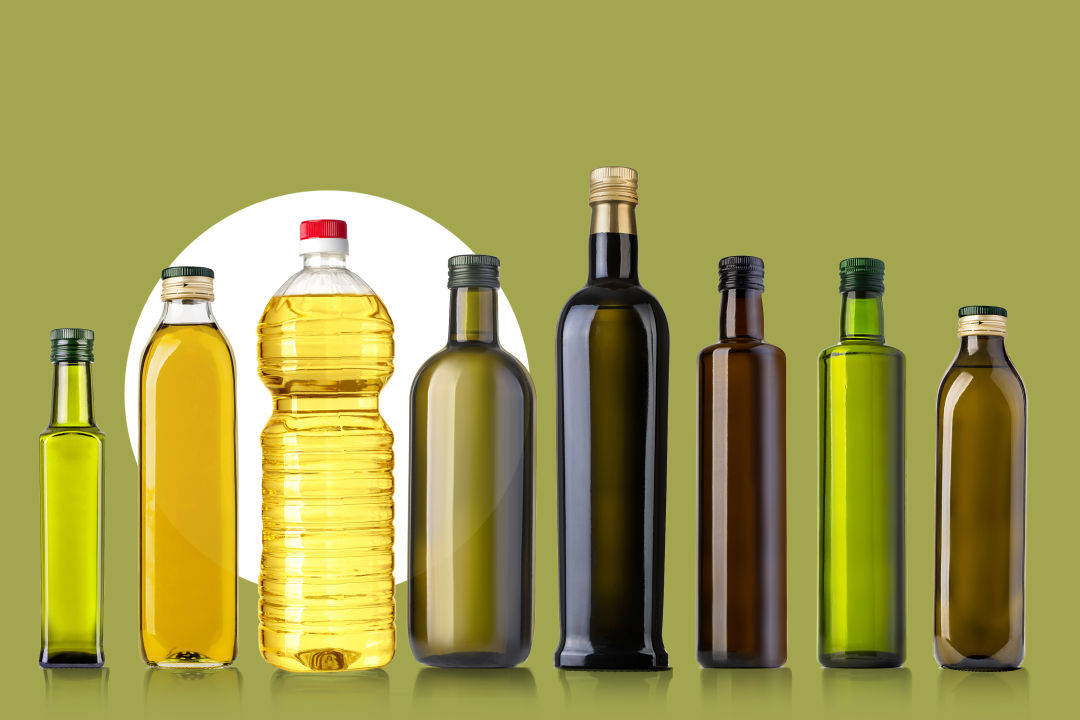
How to Taste Real Olive Oil
You do not need to be a professional taster to notice the difference between fresh and tired oil. Use a small glass or cup, and taste a teaspoon of oil at room temperature.
Follow these steps:
-
Pour a small amount into a cup.
-
Warm the cup gently with your hand.
-
Swirl it and smell for fruit, grass, herbs, tomato leaf, or apple.
-
Sip a little and spread it across your mouth.
-
Breathe in gently to release the aroma.
-
Notice bitterness and peppery heat in the throat.
Fresh extra virgin olive oil often has a balance of fruitiness, bitterness, and pungency. The flavor may be mild, medium, or bold. A bold oil is not necessarily better than a mild one; it depends on your taste and the food.
Defects can include a musty smell, a rancid taste, a waxy texture, or a smell like vinegar or wet cardboard. These signs may result from poor fruit, dirty processing, age, heat, or air exposure.
One practical lesson from repeated kitchen tasting is that people often judge oil by color first. That can lead them astray. Professional tastings use dark glasses because color can create bias. Aroma and flavor tell you much more than appearance.

Health Benefits and Limits of Real Olive Oil
Extra virgin olive oil is rich in monounsaturated fat, especially oleic acid. It also contains smaller amounts of vitamin E and natural phenolic compounds.
Research on Mediterranean-style eating patterns links regular olive oil use with heart-friendly dietary habits. The strongest evidence usually concerns replacing butter, shortening, and other sources of saturated fat with unsaturated fats. Olive oil is helpful as part of a balanced diet, not as a magic cure.
• Supporting a heart-healthy eating pattern
• Adding unsaturated fat to meals
• Providing antioxidant compounds
• Helping vegetables and legumes taste more appealing
• Supporting a traditional Mediterranean diet
Still, olive oil is calorie-dense. One tablespoon has about 120 calories, so generous pouring can add up. A healthy choice can still become excessive when used without awareness.
It is also important to avoid exaggerated claims. Extra virgin olive oil does not prevent every illness, replace medicine, or guarantee long life. Its value comes from the full eating pattern around it, including vegetables, fruit, beans, whole grains, fish, nuts, and moderate portions.
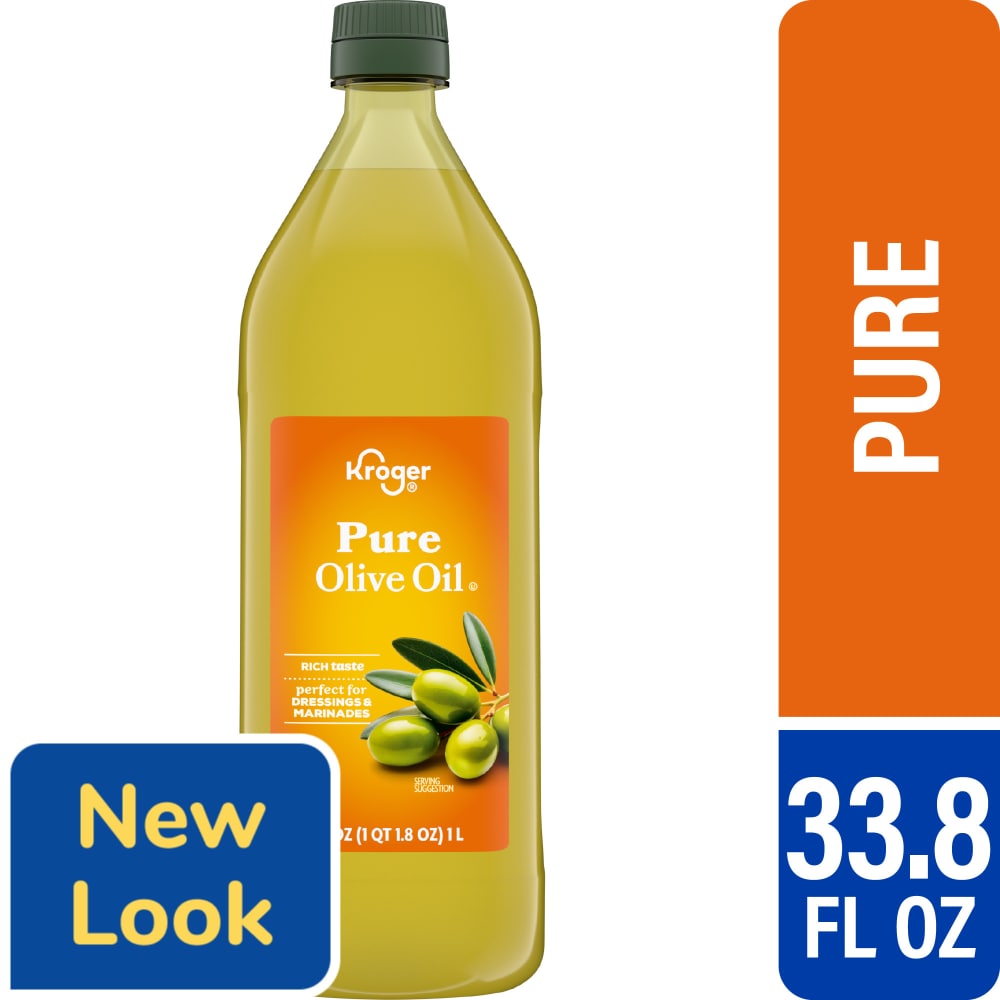
How to Store Real Olive Oil
Even the best olive oil can become stale if you store it poorly. Light, heat, and oxygen are its main enemies.
Keep olive oil:
• In a cool, dark cupboard
• Away from the stove and oven
• In a tightly closed container
• In a dark glass bottle, tin, or other protective package
• In a smaller bottle if you use oil slowly
Do not leave the cap open while cooking. Air enters the bottle and speeds oxidation. Avoid clear bottles placed in direct sunlight, even if the oil looks attractive.
Once opened, try to use extra virgin olive oil within a few months for the best flavor. It may remain safe longer, but its aroma and freshness can fade. If the oil smells stale or tastes like crayons, old nuts, or wet cardboard, it is time to replace it.
Buying a huge bottle may seem economical, but a smaller fresh bottle is often the better value for a small household. Real olive oils are living foods in a sense: they change over time, even when stored correctly.
The Best Olive Oil for Cooking
Extra virgin olive oil is a strong all-purpose option for most home kitchens. Its flavor can improve simple foods, and it performs well in low, medium, and many medium-high heat applications.
Choose the oil based on the dish:
• Mild extra virgin olive oil: Good for baking, fish, delicate vegetables, and sauces.
• Medium oil: Works well for chicken, grains, beans, and everyday sautéing.
• Robust oil: Best for bread, tomatoes, grilled vegetables, steak, and hearty soups.
Refined olive oil may suit recipes where you want little flavor. It can also be useful for higher-heat cooking, though temperature control still matters. Olive pomace oil is another cooking option, but it is more processed and does not offer the same flavor profile as extra virgin olive oil.
There is no need to waste a premium oil on deep frying if its delicate aroma will disappear. On the other hand, a bold extra virgin oil can transform a plain bowl of lentils or roasted potatoes. Use the oil’s personality as you would use a spice.
Common Mistakes When Buying Olive Oil
Many shoppers make the same mistakes because olive oil labels use familiar words in confusing ways.
Avoid these errors:
• Choosing by color alone: Color does not prove purity or freshness.
• Treating “light” as low calorie: Light usually describes flavor or processing.
• Buying only by country: A famous origin does not guarantee a fresh bottle.
• Ignoring the harvest date: A recent harvest date can provide a better freshness clue.
• Buying the biggest container: Oil may age before you finish it.
• Trusting a refrigerator test: Chilling is not a dependable authenticity test.
• Assuming bitterness means spoilage: Fresh extra virgin oil can taste bitter and peppery.
• Keeping oil beside the stove: Heat quickly damages flavor.
A fair price matters too. Producing good olive oil requires healthy fruit, careful harvesting, milling, testing, packaging, and transport. An unusually cheap bottle may be a bargain, but it may also reflect old stock, lower quality, or a different grade.
How to Choose Real Olive Oils at the Store
Use this simple shopping process:
-
Choose extra virgin olive oil if you want the least processed and most flavorful option.
-
Check for a harvest date or a clear best-by date.
-
Select a dark bottle or tin.
-
Look for a named producer and clear origin.
-
Check for recognized certification when available.
-
Buy a size you can finish while the oil is still fresh.
-
Store it properly as soon as you get home.
If you are unsure, buy a small bottle first. Taste it with bread, tomatoes, or plain beans. If you enjoy the aroma and the bottle provides clear information, you can purchase it again.
Farmers’ markets, specialty food stores, and direct-from-producer shops may offer useful details. However, a local seller is not automatically better. Ask when the olives were harvested, where they were milled, and how the oil was tested.
Frequently Asked Questions About What Are the Real Olive Oils
Is extra virgin olive oil a real olive oil?
Yes. Extra virgin olive oil is made from olives through mechanical methods and must meet chemical and sensory standards. It is generally the least processed common olive oil grade.
How can you tell if olive oil is real?
Check the grade, harvest date, origin, producer details, packaging, and certification. Smell and taste can reveal freshness, but only laboratory testing can reliably detect many forms of adulteration.
Is Italian olive oil always better?
No. Italy produces excellent olive oil, but quality varies by producer, harvest, storage, and age. Great olive oils also come from Spain, Greece, Portugal, Tunisia, Turkey, California, and other regions.
Does real olive oil have to taste bitter?
No, but mild bitterness is common in fresh extra virgin olive oil. The oil may be mild or bold, and bitterness can reflect natural phenolic compounds rather than a defect.
Is olive oil in a clear plastic bottle real?
It may be real, but clear packaging gives the oil less protection from light. A dark glass bottle, tin, or other protective container is usually a better choice.
Does olive oil expire?
Olive oil does not suddenly become unsafe on one specific date, but it loses quality over time. Heat, light, and oxygen speed oxidation, so use opened oil within a reasonable period and replace it when it smells or tastes rancid.
Is refined olive oil fake?
No. Refined olive oil is a legitimate product, but it has been processed to remove flaws and usually has less aroma and fewer natural compounds than extra virgin olive oil. It should not be confused with an adulterated oil.
Conclusion
Real olive oils come from olives, but quality depends on the grade, production method, freshness, testing, and storage. Extra virgin olive oil is usually the best choice when you want natural flavor and minimal processing, while refined olive oil and olive pomace oil serve different cooking needs.
Learn to read the label, look for a harvest date, choose protective packaging, and trust your senses without relying on unreliable home tests. Try a few oils from different regions, compare their aromas, and find the one that fits your meals and budget. Share your favorite olive oil or explore more food guides to keep making informed choices in the kitchen.