
EVOO olive oil means extra virgin olive oil, the highest standard of quality for pure, mechanically extracted olive oil.
If you have ever stood in a grocery aisle wondering which olive oil is worth buying, you are not alone. Understanding what is EVOO olive oil can help you choose a fresher bottle, use it with confidence, and avoid confusing labels. This guide explains its meaning, benefits, taste, cooking uses, storage, and buying tips in simple terms.
What Is EVOO Olive Oil?
EVOO stands for extra virgin olive oil. It is made by pressing whole olives with mechanical methods, such as crushing and spinning, without using chemical solvents. The oil must meet strict chemical and sensory standards before it can receive the “extra virgin” label.
In simple terms, EVOO olive oil is the least processed form of olive oil. It keeps more of the olive’s natural flavor, aroma, color, and plant compounds than refined olive oil.
For an oil to qualify as extra virgin under widely used international standards, it generally must have:
• Free acidity of no more than 0.8 grams per 100 grams of oil
• No noticeable sensory defects
• A clear fruity quality from fresh olives
• Extraction through physical or mechanical methods
• No chemical refining or added flavoring
The acidity number does not tell you whether an oil tastes good by itself. It is a laboratory measure of free fatty acids. Taste panels also assess aroma and flavor, which is why extra virgin olive oil must pass both chemical and sensory checks.

How Is EVOO Olive Oil Made?
Making EVOO olive oil begins with harvesting olives from the olive tree. Producers then clean the fruit and crush it into a thick paste. Modern mills often use stainless steel equipment that separates the oil from water and olive solids through controlled spinning.
The main steps include:
- Olives are picked by hand or machine.
- Leaves and dirt are removed.
- The olives are washed.
- The fruit is crushed into a paste.
- The paste is gently mixed, a step called malaxation.
- A centrifuge separates oil from water and solids.
- The oil is filtered or allowed to settle.
- The finished oil is stored in tanks before bottling.
Speed matters. Fresh olives can begin to ferment or break down after harvest, especially when they sit in warm piles. A good producer moves fruit from the tree to the mill quickly.
Temperature also matters. You may see the phrase “cold extracted” on a bottle. This usually points to extraction at a controlled temperature, often below 27°C, or about 80.6°F, under international trade standards. Cooler processing can help protect delicate aromas, although farming, fruit quality, milling skill, and storage also affect the final product.
What Does EVOO Olive Oil Taste Like?
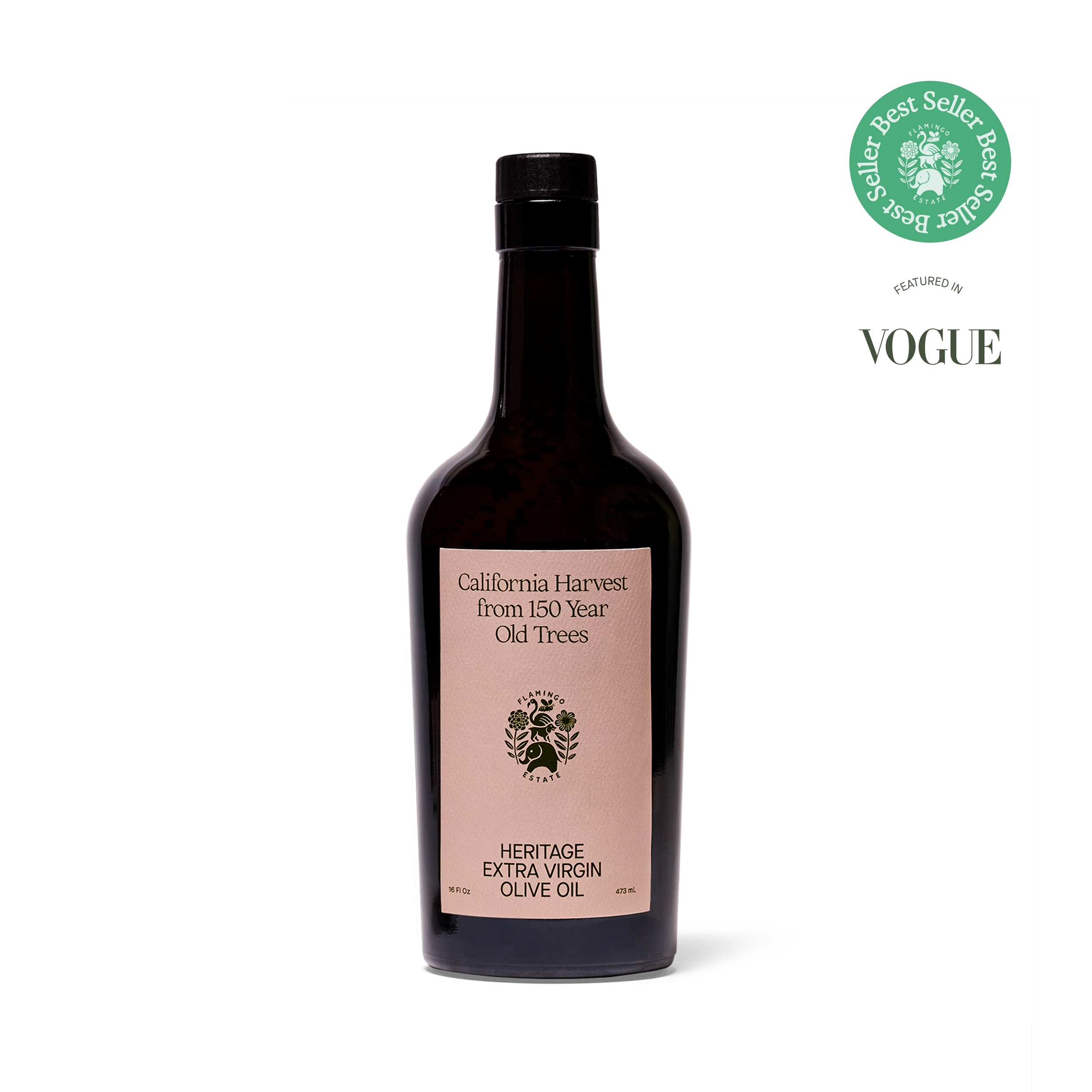
EVOO olive oil can taste mild, grassy, fruity, peppery, or bitter. Its flavor depends on the olive variety, growing region, harvest date, ripeness, and production method.
Fresh EVOO may remind you of:
• Green grass
• Fresh herbs
• Tomato leaves
• Green apples
• Almonds
• Artichokes
• Citrus peel
• Ripe fruit
A peppery feeling in the throat is often a positive sign. This sensation comes partly from natural phenolic compounds, including oleocanthal. Bitterness can also be a healthy and normal trait, especially in oil made from early-harvest green olives.
Still, strong flavor does not always mean better oil. Some dishes need a bold, peppery EVOO, while others work better with a soft and mild style. Think of it like choosing coffee: a dark roast is not automatically better than a light roast. They simply offer different experiences.
When I taste EVOO at home, I use a small glass or cup and warm it gently in my hand. I smell it first, then taste a little plain. Fresh oil should smell alive and clean, not like crayons, wet cardboard, vinegar, or old nuts.

EVOO Olive Oil Nutrition and Potential Benefits
EVOO olive oil is rich in monounsaturated fat, especially oleic acid. One tablespoon contains about 119 calories and roughly 14 grams of fat, according to standard nutrition data. It has little protein or carbohydrate, so it is best viewed as a flavorful source of dietary fat.
Replacing butter, shortening, or some foods high in saturated fat with olive oil may support a heart-friendly eating pattern. The overall diet matters most. Adding EVOO to a diet filled with highly processed foods will not cancel out those foods.
EVOO also contains smaller amounts of natural compounds such as:
• Polyphenols
• Vitamin E
• Plant pigments
• Other antioxidant compounds
Research on Mediterranean-style eating patterns has linked regular use of extra virgin olive oil with heart and metabolic health. However, EVOO is not a medicine. It should support a balanced diet that includes vegetables, fruits, beans, whole grains, fish, nuts, and other nutritious foods.
Keep portion size in mind. EVOO is nutritious, but it is still calorie-dense. A tablespoon drizzled over vegetables can add flavor and help make a healthy meal more satisfying. Pouring freely from a large bottle can add more calories than you expect.

Is EVOO Olive Oil Good for Cooking?
Yes, EVOO olive oil is suitable for many cooking methods. You can use it for sautéing, roasting, baking, grilling, pan-frying, and finishing. Its smoke point varies based on freshness, refinement, and other factors, but it generally works well for normal home cooking.
Use EVOO for:
• Roasting vegetables
• Cooking eggs
• Sautéing onions and garlic
• Baking bread and cakes
• Making sauces
• Grilling fish or chicken
• Dressing salads
• Finishing soup, pasta, or beans
The smoke point is the temperature at which oil begins to produce visible smoke. If oil smokes, lower the heat and replace it if it has a burnt smell. Repeated overheating can damage flavor and create unwanted compounds.
A common mistake is saving your best EVOO only for special occasions. I learned that a small drizzle over beans, toast, or roasted vegetables often gives more pleasure than using it in a complex recipe. You can keep one bold bottle for finishing and one more affordable bottle for everyday cooking.
EVOO Olive Oil Compared With Other Olive Oils
Not every bottle labeled olive oil has the same level of quality. The terms on the label describe how the oil was produced and processed.
Extra virgin olive oil
Extra virgin olive oil is the highest recognized grade. It has no chemical refining and must meet strict chemical and sensory requirements.
Virgin olive oil
Virgin olive oil is also produced without chemical refining, but it may have a higher acidity level or minor sensory defects. It is less common in many American grocery stores.
Regular or refined olive oil
Regular olive oil often contains refined olive oil mixed with a smaller amount of virgin or extra virgin oil. It usually has a lighter taste and fewer natural compounds than EVOO.
Light olive oil
“Light” usually refers to mild flavor and pale color, not lower calories. Light olive oil is commonly refined and has nearly the same calorie content as other olive oils.
Olive pomace oil
Olive pomace oil is made from the remaining olive material after the first extraction. It undergoes additional processing and is not the same as EVOO olive oil.
A dark color does not prove quality. Some premium oils are green, while others are golden. Color can come from olive variety and harvest timing, and professional tasters often use colored glasses so appearance does not influence judgment.
How to Choose Good EVOO Olive Oil
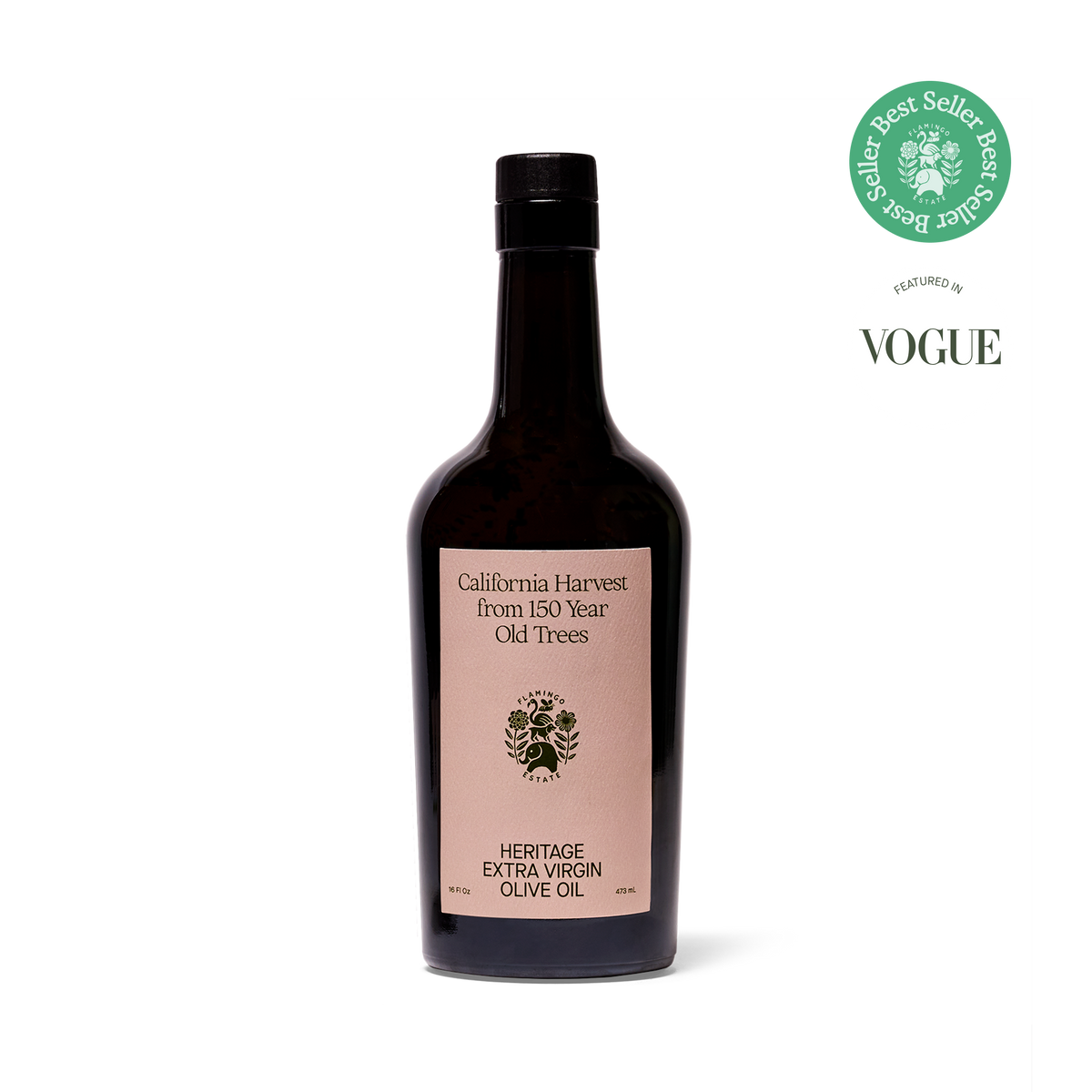
Shopping for EVOO olive oil does not need to feel complicated. Start with the harvest date if one is listed. A harvest date tells you when the olives were picked, while a best-before date only tells you the producer’s quality window.
Use these practical tips:
• Choose a bottle with a recent harvest date when possible.
• Buy oil in a dark glass bottle, metal tin, or another light-protective container.
• Look for a producer, estate, or region with clear labeling.
• Select a size you can use within a few months after opening.
• Check for seals or quality certifications when available.
• Avoid bottles that have been sitting under bright store lights.
• Treat unusually cheap “premium” oil with caution.
A certification can provide useful checks, but no label guarantees that every person will enjoy the taste. Flavor remains personal. If you like mild oil, choose a ripe-olive style. If you like a bold finish, look for early-harvest oil with grassy and peppery notes.
Be careful with vague phrases such as “pure,” “natural,” or “premium.” These words may sound appealing but do not replace the grade, harvest information, producer details, or proper storage.

How to Store EVOO Olive Oil
Light, heat, air, and time are the main enemies of EVOO olive oil. They slowly damage flavor and reduce freshness. Store your bottle in a cool, dark cupboard away from the stove, oven, dishwasher, and sunny windows.
Good storage habits include:
• Close the cap tightly after every use.
• Keep the oil away from direct sunlight.
• Avoid storing it beside a hot cooktop.
• Use smaller bottles if you use oil slowly.
• Do not transfer it to a clear decorative container.
• Wash and dry refillable containers before adding fresh oil.
EVOO does not improve with age. Unlike wine, it is best enjoyed while fresh. Once opened, try to use it within a few months for the best flavor, although the exact time depends on storage and the oil’s condition.
Never rely only on smell to judge safety. Old olive oil is usually not dangerous in the way spoiled meat can be, but it may taste flat, greasy, waxy, or stale. If it smells like crayons, putty, old nuts, or cardboard, it is past its best.
Common Mistakes When Buying or Using EVOO
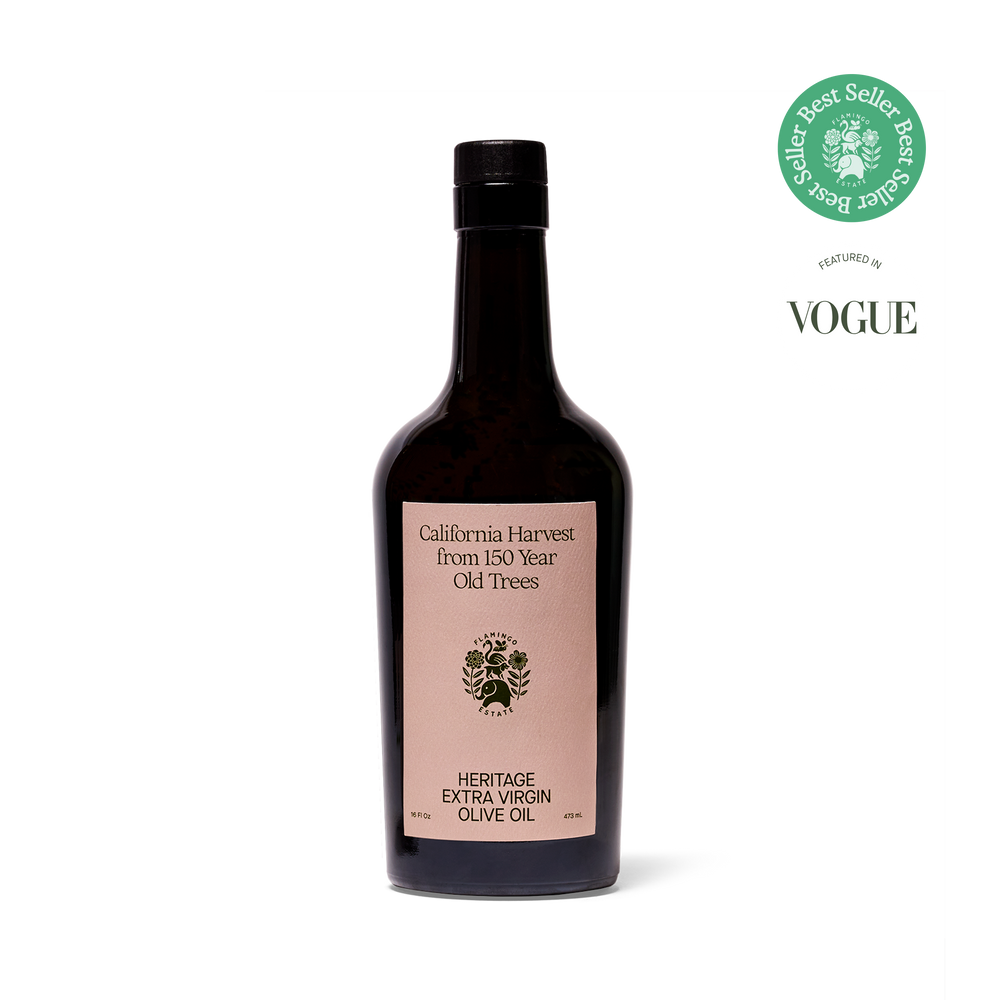
Many people spend more money on EVOO olive oil but store it poorly. A beautiful bottle left beside a hot stove can lose quality faster than a less expensive bottle kept in a cool cabinet.
Other common mistakes include:
• Choosing by color alone
• Believing “light” means low calorie
• Keeping the bottle for years
• Buying more oil than you can use
• Using a large open pour spout
• Assuming bitterness means spoilage
• Heating oil until it smokes
• Treating a best-before date as a harvest date
One useful habit is to write the opening date on the bottle. This simple step helps you notice how long the oil has been exposed to air. It also makes it easier to compare bottles and find the amount your household can use while the oil is fresh.
Another mistake is using one oil for every purpose. A mild EVOO may be perfect for baking, while a robust oil may transform a bowl of lentil soup. Taste a few styles and keep notes. Your own palate is a better guide than a fancy package.
How to Use EVOO Olive Oil Every Day
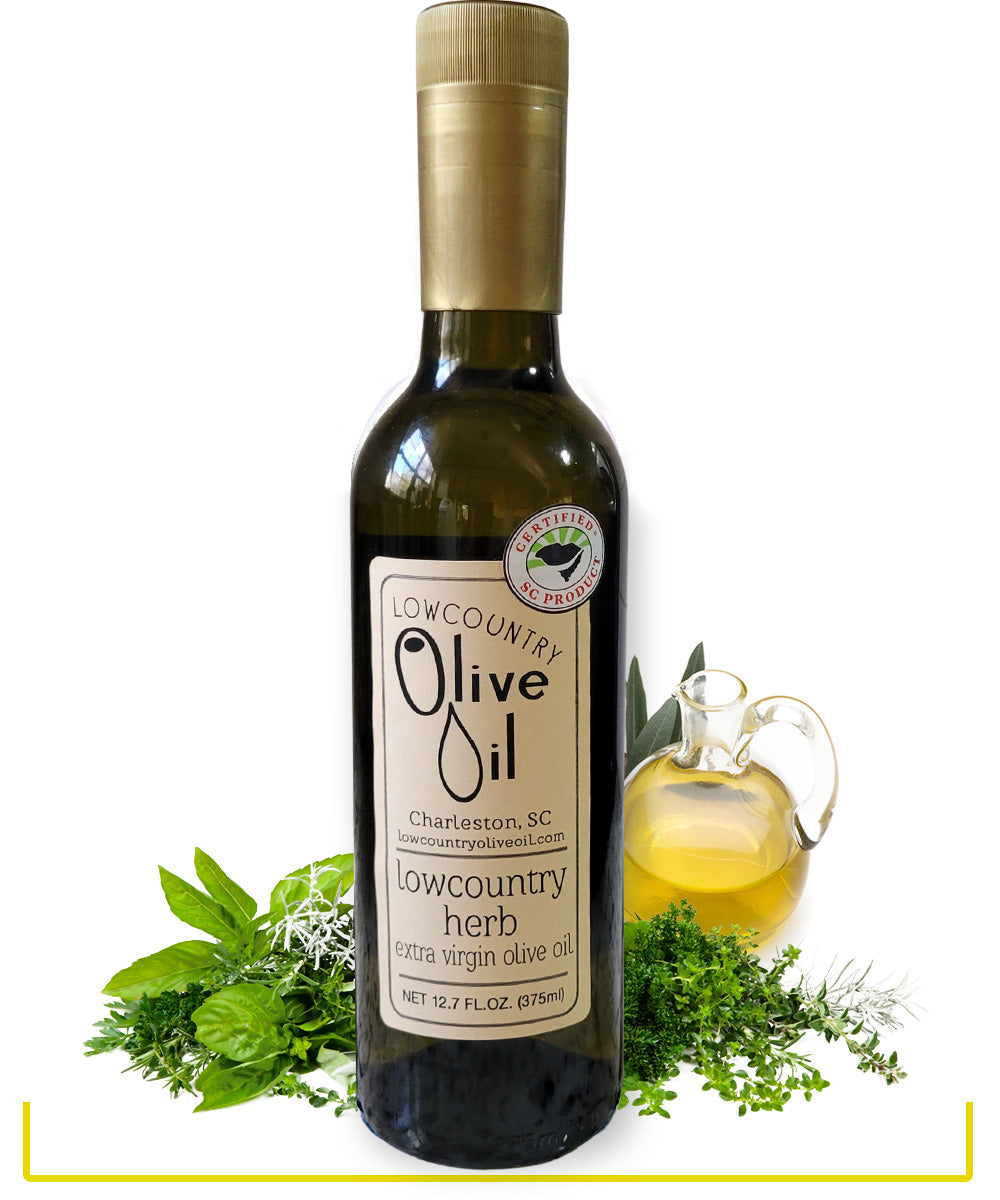
EVOO olive oil can make simple foods taste special without much effort. You do not need an expensive recipe or complicated kitchen tools.
Try these easy ideas:
- Drizzle EVOO over warm beans with lemon and black pepper.
- Toss roasted carrots or potatoes with EVOO and herbs.
- Add it to a tomato, cucumber, and feta salad.
- Brush it over bread before toasting.
- Finish pasta with EVOO, garlic, parsley, and a little cheese.
- Stir it into hummus or bean dip.
- Add a spoonful to vegetable soup just before serving.
- Use it in homemade vinaigrette.
For a simple dressing, mix three tablespoons of EVOO with one tablespoon of vinegar or lemon juice. Add a pinch of salt, pepper, and a little mustard. Shake it in a jar, taste it, and adjust the balance.
EVOO olive oil is also useful beyond salad dressing. It can help carry the flavor of herbs and spices through a meal. A small finishing drizzle works like a final brushstroke on a painting: it may not change the whole dish, but it can bring the parts together.
Frequently Asked Questions About What Is EVOO Olive Oil
Is EVOO olive oil the same as extra virgin olive oil?
Yes. EVOO is simply the abbreviation for extra virgin olive oil. It is the highest standard of olive oil and must meet rules for production, acidity, and sensory quality.
Is EVOO olive oil healthy?
EVOO olive oil can be part of a healthy eating pattern because it is rich in monounsaturated fat and contains natural plant compounds. It is still high in calories, so portion size and the rest of your diet matter.
Can you cook with EVOO olive oil?
Yes. EVOO works well for sautéing, roasting, baking, grilling, and many other home cooking methods. Avoid heating it until it smokes, because excessive heat can harm flavor and quality.
How can you tell if EVOO olive oil is fresh?
Look for a recent harvest date, protective packaging, and a producer that provides clear information. Fresh EVOO should smell and taste clean, fruity, grassy, or pleasantly peppery rather than waxy, stale, or like cardboard.
Does darker green EVOO mean better quality?
No. Color can vary because of olive variety, harvest time, and processing. A professional tasting uses colored glasses because color alone cannot prove freshness or quality.
How long does EVOO olive oil last after opening?
For the best flavor, try to use an opened bottle within a few months. Keep it tightly closed in a cool, dark place, and replace it if it develops a stale or waxy smell.
Is “light olive oil” lower in calories than EVOO?
Usually, no. “Light” generally describes a lighter taste or color, not fewer calories. Refined light olive oil typically has a similar calorie content to EVOO.
Conclusion
EVOO olive oil means extra virgin olive oil, a minimally processed oil made from olives through mechanical extraction. It offers fresh flavor, monounsaturated fat, and natural plant compounds, but quality depends on harvest, production, packaging, and storage.
Choose a recent harvest when possible, protect the bottle from heat and light, and use it while it is fresh. Try a mild oil for cooking and a bold oil for finishing, then explore the flavors you enjoy most. Share your favorite EVOO olive oil uses or explore more guides to make every bottle count.