
The qualities of olive oil include fresh flavor, healthy fats, antioxidants, low acidity, and careful production.
The qualities of olive oil can vary by olive type, harvest time, region, processing method, and storage. As a food writer and careful home cook, I find that the best way to understand olive oil is to combine label knowledge with taste, smell, and smart kitchen habits.
This guide explains what makes olive oil good, how extra virgin olive oil differs from other types, and how to choose, store, taste, and cook with it. You will also learn where olive oil has limits, so you can enjoy its benefits without falling for exaggerated claims.
What Are the Main Qualities of Olive Oil?
The qualities of olive oil begin with its source: the fruit of the olive tree. Unlike many seed oils, olive oil comes from a whole fruit and can keep much of the fruit’s natural flavor and plant compounds.
Good olive oil should smell fresh and taste clean. It may have notes of grass, herbs, green fruit, ripe fruit, almond, or tomato leaf.
The most valued qualities of olive oil include:
• Fresh, fruity aroma
• Balanced flavor
• Pleasant bitterness
• A mild peppery finish
• Low free acidity
• Natural antioxidants
• A clean production process
• Proper storage and packaging
Extra virgin olive oil has the strictest quality standard. It must be produced by mechanical or physical methods and pass both chemical testing and sensory evaluation. It should not have serious flavor defects.
A bitter or peppery taste is not always a problem. These flavors often come from polyphenols, which are natural plant compounds. In many cases, a little bitterness shows that the oil has character and freshness.
Extra Virgin Olive Oil Versus Other Types
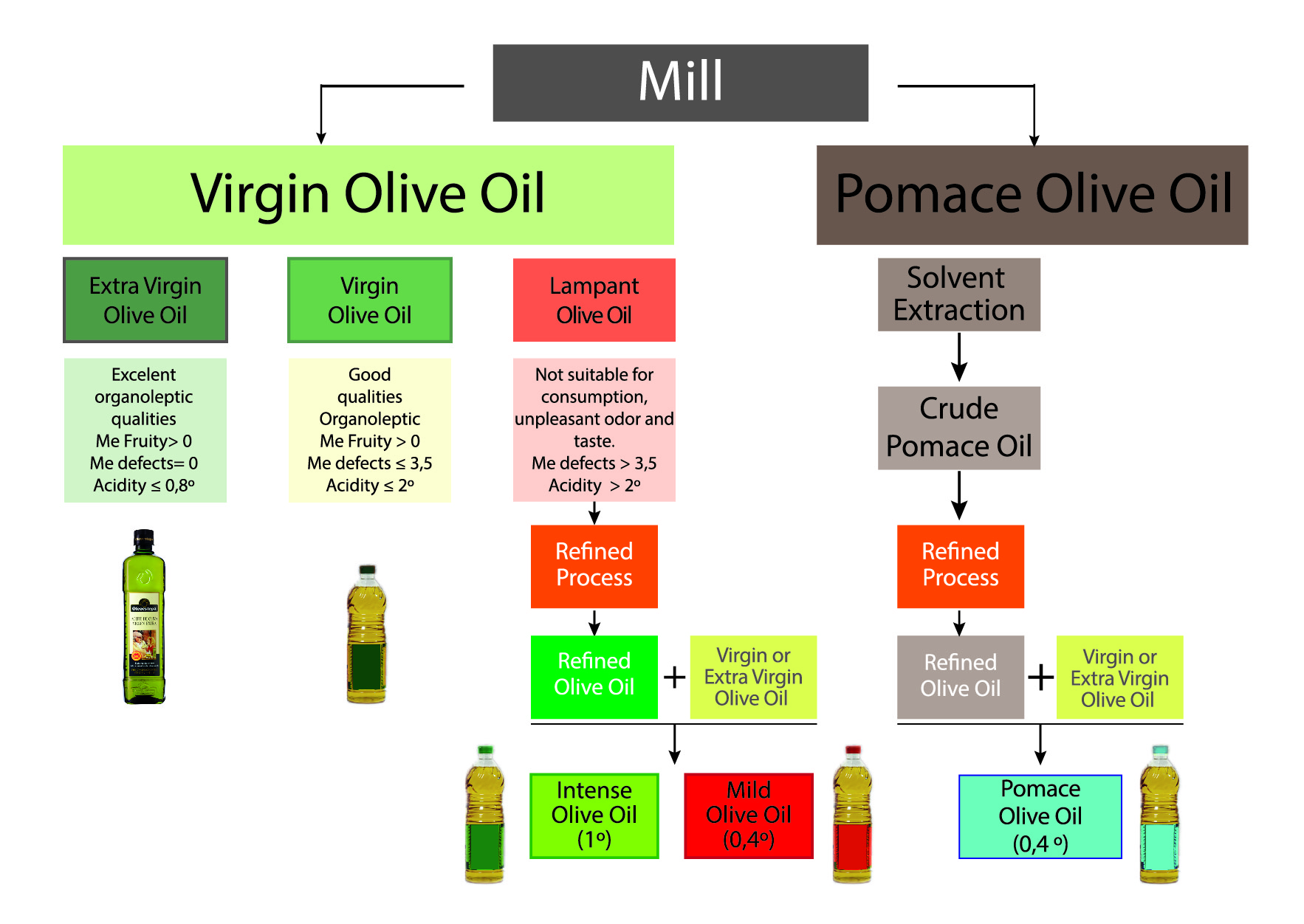
Understanding olive oil grades helps you make a better choice. Labels can look similar, but the oils may differ in taste, processing, and quality.
Extra virgin olive oil
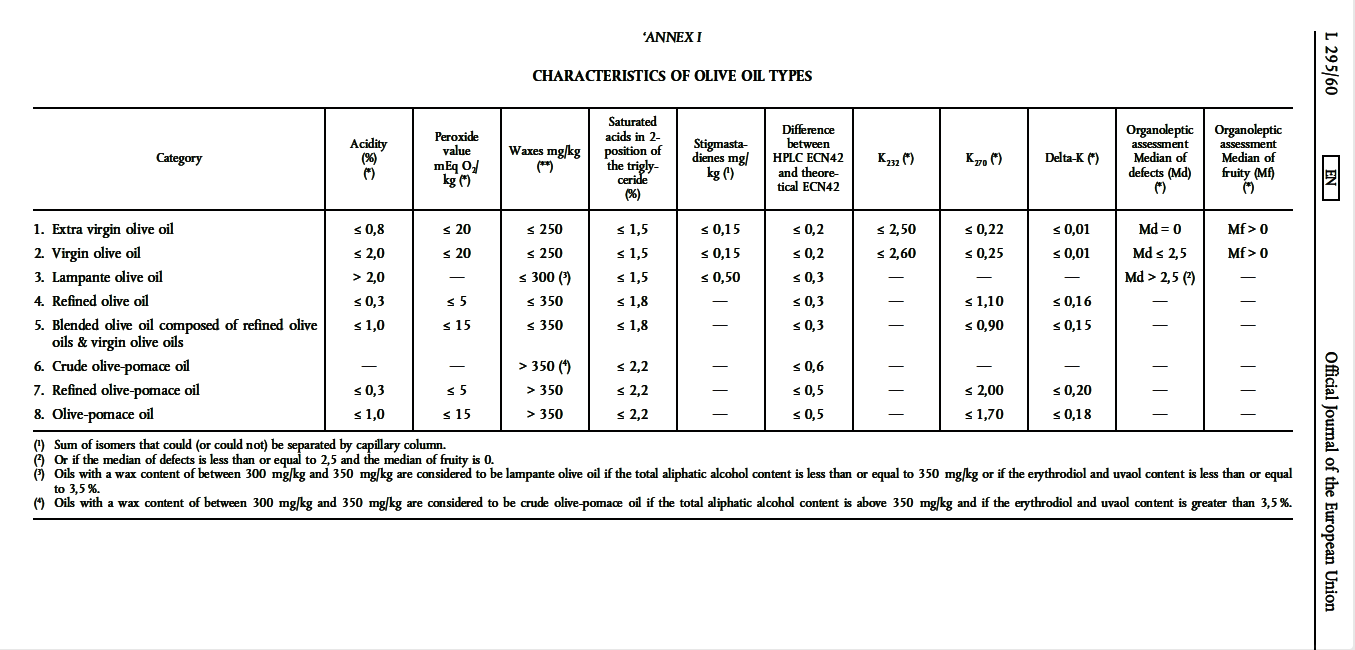
Extra virgin olive oil is the highest recognized grade of olive oil. It has no sensory defects and meets strict chemical standards, including a free acidity level of no more than 0.8 percent under international standards.
It is usually the best option for:
• Salad dressings
• Dipping
• Finishing soups and vegetables
• Drizzling over beans or pasta
• Low to medium heat cooking
A fresh extra virgin oil may taste bold and grassy. Another may taste soft and buttery. Both can be high quality if they are fresh, balanced, and free from defects.
Virgin olive oil
Virgin olive oil is also made through physical methods, but it may have mild sensory defects or higher acidity than extra virgin olive oil. It is less common in many American grocery stores.
It can still be useful for cooking, but its flavor may be less fresh or complex.
Refined olive oil
Refined olive oil is treated with processes that remove unwanted flavors, colors, and some natural compounds. The result is a milder oil with less olive flavor.
Because refining removes some beneficial plant compounds, refined olive oil does not offer the same sensory qualities of olive oil as a fresh extra virgin product.
Pure or regular olive oil
“Pure olive oil” and “olive oil” often refer to a blend of refined olive oil and virgin olive oil. These oils are usually mild and work well when you do not want a strong olive taste.
They may be suitable for baking, sautéing, and everyday cooking. Still, the label does not mean the oil is purer than extra virgin olive oil.
Light olive oil
Light olive oil usually means light in flavor, not light in calories. It still contains about the same calories as other olive oils.
This is an important label lesson. The word “light” describes taste and color, not a lower fat content.
Sensory Qualities of Olive Oil
Taste and smell offer useful clues about the qualities of olive oil. You do not need to be a professional taster. A simple tasting can reveal whether an oil feels fresh or tired.
Aroma
Fresh olive oil may smell like:
• Cut grass
• Green apple
• Fresh herbs
• Artichoke
• Tomato leaf
• Almond
• Ripe fruit
A flat, waxy, crayon-like, or stale smell may signal oxidation. A musty smell can point to poor storage or damaged olives.
Flavor
High-quality olive oil often has a fruity taste. It may be mild, medium, or robust.
Bitterness can appear on the tongue. Pepperiness may rise in the throat. These traits are common in oils with natural phenolic compounds.
A good oil should still feel balanced. If the bitterness or heat overwhelms the fruit, the oil may not suit your personal taste, even if it is technically sound.
Defects
Common olive oil defects include:
• Rancid: smells like old nuts, crayons, or stale oil
• Fusty: has a fermented or dirty odor
• Musty: tastes damp or moldy
• Winey: has a sour, vinegar-like note
• Metallic: has a sharp metal taste
I often suggest tasting olive oil in a small cup rather than judging it only from the bottle. Warm the cup gently in your hand, smell it, sip a little, and notice how the flavor changes. This simple method makes the qualities of olive oil much easier to understand.
Chemical Qualities of Olive Oil
Chemical testing helps confirm details that taste alone cannot show. It is especially important for olive oil producers, laboratories, and certification programs.
Free acidity
Free acidity measures the amount of free fatty acids in the oil. It does not directly tell you how acidic the oil tastes.
Extra virgin olive oil must meet a low free acidity limit. However, low acidity alone does not guarantee excellent flavor. An oil can meet a chemical standard and still taste dull if it is old or poorly stored.
Peroxide value
Peroxide value gives information about early oxidation. A higher value may suggest that the oil has started to deteriorate.
This number is useful, but it is not a complete freshness test. Olive oil changes over time, so harvest date, storage, and opening date also matter.
Polyphenols
Polyphenols are natural plant compounds found in many olive oils. They contribute to bitterness and throat pungency.
Research has linked phenolic compounds in extra virgin olive oil with antioxidant activity. Still, the exact amount varies by olive variety, climate, harvest time, and processing method.
Fatty acid profile
Olive oil is rich in monounsaturated fat, especially oleic acid. This fat is more stable than many polyunsaturated fats during storage and cooking.
The Food and Drug Administration and other health authorities recognize that replacing saturated fat with unsaturated fat may support heart health. The benefit depends on the overall eating pattern, not on adding extra oil to an already high-calorie diet.
Nutritional Benefits and Limits
The nutritional qualities of olive oil make it a popular part of Mediterranean-style eating. One tablespoon contains about 120 calories and roughly 14 grams of fat, so portion size still matters.
Olive oil provides mostly monounsaturated fat. Extra virgin olive oil also contains small amounts of vitamin E, vitamin K, and plant compounds.
Potential benefits may include:
• Supporting a heart-friendly eating pattern
• Helping replace butter and other sources of saturated fat
• Adding flavor to vegetables, beans, fish, and whole grains
• Supplying antioxidant compounds
• Making healthy foods more enjoyable
Large studies of Mediterranean-style diets have found links with better heart health when olive oil replaces less healthy fats. These studies often examine a whole diet, not olive oil alone.
Olive oil is not a cure, medicine, or magic food. It does not cancel out a diet high in sugar, refined foods, or excess calories. People with gallbladder or digestive concerns should also follow advice from a qualified health professional.
One practical lesson is simple: use olive oil to improve the quality of your meals. Do not treat it as a free-pour health supplement.

Cooking Qualities of Olive Oil
The cooking qualities of olive oil depend on its grade, freshness, heat level, and cooking method. Many people avoid olive oil because they believe it cannot handle heat. That belief is too simple.
Extra virgin olive oil has a smoke point that can vary based on its quality and chemical makeup. Its smoke point is often suitable for common home cooking, such as sautéing, roasting, and baking.
Use olive oil for:
• Sautéing vegetables
• Roasting potatoes
• Baking bread and muffins
• Cooking fish
• Making sauces
• Preparing marinades
• Finishing cooked dishes
Avoid heating any oil until it smokes heavily. Smoke signals overheating and can damage flavor. If the pan smokes, lower the heat and start again if needed.
A personal kitchen mistake taught me this well: I once used a bold, peppery oil for a delicate cake. The cake was safe to eat, but the flavor was too strong. Mild olive oil works better for gentle baking, while robust extra virgin oil shines on beans, greens, grilled bread, and tomato dishes.
How Harvest Date Affects Quality
Harvest timing has a major effect on the qualities of olive oil. Early-harvest olives often produce oil with stronger bitterness, greener aromas, and more peppery flavor.
Later-harvest olives often produce a softer, rounder, and more buttery oil. They may have lower levels of some phenolic compounds, but that does not automatically make them poor quality.
A harvest date is more useful than a vague “best by” date because it tells you when the olives were picked. In the United States, harvest often occurs in the fall and winter, depending on the region.
Look for:
• A clear harvest date
• A recent production date
• A trustworthy producer
• A dark bottle or tin
• A seal that is intact
• A country or region of origin
Olive oil is best treated as a fresh agricultural product, not as an item that improves with age. Buy an amount you can use within a reasonable period, and avoid keeping a large bottle open for years.

How to Choose High-Quality Olive Oil
Choosing olive oil becomes easier when you focus on several signs instead of one claim. A high price does not always guarantee the best bottle, and a low price does not always mean poor quality.
Use this simple checklist:
-
Choose extra virgin olive oil when you want the most flavor and the least processing.
-
Check for a harvest date when one is available.
-
Select a dark glass bottle, metal tin, or other package that blocks light.
-
Look for a producer, region, or estate that provides clear information.
-
Buy a size you can finish while the oil is still fresh.
-
Consider a quality seal or certification, while remembering that seals do not replace proper storage.
-
Choose a flavor style that matches your food.
Mild oils work well with fish, cakes, and light vegetables. Medium oils suit pasta, chicken, and warm grains. Robust oils pair well with beans, steak, bitter greens, and tomato soup.
Be careful with labels that use impressive words without useful details. “Premium,” “natural,” and “pure” may sound appealing, but they do not always explain freshness or sensory quality.
How to Store Olive Oil
Light, heat, oxygen, and time are the main enemies of olive oil. Think of the bottle as a small pantry guest that prefers a cool, dark, quiet place.
For better storage:
• Keep the bottle away from the stove.
• Close the cap tightly after every use.
• Store it in a cupboard, not on a sunny counter.
• Avoid clear containers when possible.
• Do not pour new oil into an unwashed bottle of old oil.
• Use smaller bottles if you cook with olive oil slowly.
A cool pantry is usually ideal. Refrigeration can make olive oil cloudy or solid, but this does not necessarily mean the oil is spoiled. It will normally return to liquid at room temperature.
The best storage method cannot rescue an oil that was already old when you bought it. That is why freshness at the store matters so much.
Olive Oil Quality Problems and Common Mistakes
Some olive oil problems come from the product. Others come from buying or using it incorrectly.
Common mistakes include:
• Choosing “light” olive oil to reduce calories
• Keeping olive oil beside a hot stove
• Assuming bitterness means the oil is bad
• Buying a large bottle for occasional use
• Trusting color as the main quality test
• Using a strong oil in every recipe
• Ignoring stale or rancid smells
Color can be misleading. A bright green oil is not always better than a golden oil. Professional tasting is often done in colored glasses so tasters do not judge quality by color alone.
Another mistake is assuming all imported oil is superior. Excellent olive oil comes from many places, including Spain, Italy, Greece, Tunisia, California, Australia, and other regions. Origin matters, but freshness and careful production matter more than a famous country name.
A Simple Olive Oil Tasting Method
You can taste olive oil at home with a small glass, spoon, or cup. This method helps you notice the qualities of olive oil before mixing it with food.
-
Pour a small amount into a cup.
-
Warm the cup in your hand for a short time.
-
Smell the oil and look for fresh, fruity notes.
-
Sip a little and spread it across your mouth.
-
Notice fruitiness, bitterness, and pepperiness.
-
Look for stale, moldy, sour, or waxy flavors.
-
Taste it with bread, tomato, beans, or a plain vegetable.
Do not expect every good oil to taste the same. Olive oil is like coffee or wine in that variety is part of the experience. The most important question is whether the oil tastes fresh, balanced, and pleasant to you.
For everyday use, keep two bottles if your budget allows. Use a mild oil for cooking and a more flavorful oil for finishing. This small change can make simple meals taste much more special.
Frequently Asked Questions About the Qualities of Olive Oil
What are the best qualities of olive oil?
The best qualities of olive oil include fresh aroma, fruity flavor, balanced bitterness, mild pepperiness, low oxidation, and careful processing. Extra virgin olive oil must also pass chemical and sensory standards.
Is extra virgin olive oil healthier than regular olive oil?
Extra virgin olive oil usually contains more natural plant compounds because it is less processed. Both types provide mostly monounsaturated fat, but extra virgin oil generally offers stronger flavor and more of the olive’s natural compounds.
How can you tell if olive oil is fresh?
Check for a recent harvest date, then smell and taste the oil. Fresh olive oil often smells fruity or grassy, while old oil may smell waxy, stale, or like crayons.
Does bitter olive oil mean it is bad?
No. Bitterness can be a normal quality of fresh extra virgin olive oil, especially when it comes from early-harvest olives. It becomes a concern when the flavor is harsh, stale, moldy, or otherwise unpleasant.
Is olive oil good for cooking at high heat?
Olive oil works well for many home cooking methods, including sautéing, roasting, and baking. Avoid heating it until it smokes heavily, and choose a mild oil when you want a more neutral flavor.
Should olive oil be stored in the refrigerator?
Refrigeration is not required for most olive oil. A tightly closed bottle in a cool, dark cupboard is usually better for daily use, although refrigeration can help extend storage for oil used very slowly.
Does expensive olive oil always have better quality?
No. Price can reflect packaging, location, marketing, and production costs. A recent, well-stored oil from a reliable producer may offer better quality and value than a costly bottle that has been sitting on a bright shelf.
Conclusion
The qualities of olive oil come from many factors, including olive variety, harvest time, processing, freshness, storage, and taste. Extra virgin olive oil offers the strongest combination of natural flavor and minimal processing, while regular olive oil can be useful when you want a milder taste.
Start by buying a small, fresh bottle in dark packaging. Store it away from heat and light, taste it before use, and match its flavor to your food. Try a few varieties from different regions, and share your favorite olive oil pairing or tasting tip in the comments.