
For most kitchens in the United States, a rice cooker is not the same as a slow cooker. A standard rice cooker is built to boil water, cook rice, and switch to a warm setting. A slow cooker is built to cook food slowly at a low, steady heat for several hours.
Some modern rice cookers and multicookers include a slow-cook function. Those models may handle recipes made for a slow cooker, but a basic rice cooker usually cannot replace one. The control system, heat pattern, cooking time, and food capacity all differ.

How a Rice Cooker Works
A rice cooker uses heat and moisture to cook rice until the water is absorbed or boiled away. Most basic models have two main settings:
- Cook: The heating plate raises the temperature.
- Warm: The cooker reduces heat after cooking and holds the rice at a serving temperature.
A small thermostat or sensor often detects a change in the inner pot’s temperature. Once most of the water is gone, the temperature rises above the boiling point of water. The cooker then switches from cooking to warming.
This design works well for rice because rice needs a measured amount of water and a fairly predictable cooking cycle. It does not give the same kind of low, controlled heat used by a slow cooker.
What a basic rice cooker is designed to do
A standard rice cooker may be useful for:
- White rice
- Brown rice, if the model supports it
- Jasmine or basmati rice
- Oatmeal
- Quinoa and other grains
- Steamed vegetables, when used with a compatible basket
- Simple one-pot rice meals
Some models include extra programs for porridge, soup, cake, steaming, or reheat functions. These programs do not automatically mean the appliance is a slow cooker. Check the manual for the exact functions and cooking limits.
How a Slow Cooker Works
A slow cooker uses a ceramic or metal cooking vessel inside an electric heating base. The base warms the vessel from the sides and bottom. Food then cooks over a long period at a low, steady heat.
Common slow-cooker settings include:
- Low
- High
- Keep warm
The low and high settings are not precise temperatures in every appliance. They are cooking modes that control how quickly the food heats. The cooking time also depends on the recipe, food volume, ingredients, and appliance design.
Slow cookers are made for foods such as:
- Stews
- Chili
- Pot roast
- Pulled pork
- Beans
- Braised chicken
- Soups
- Tough cuts of meat
The main difference is simple: a slow cooker holds food at a controlled cooking heat for a long time, while a basic rice cooker usually cooks until moisture is gone and then stops active cooking.

Rice Cooker vs. Slow Cooker: Main Differences
The table below shows why the two appliances are not direct substitutes.
| Feature | Rice cooker | Slow cooker |
|---|---|---|
| Main purpose | Cooking rice and grains | Long, gentle cooking of mixed foods |
| Heat control | Often automatic and moisture-based | Usually low, high, and warm settings |
| Cooking cycle | Often ends when water is absorbed | Runs for a set time or until turned off |
| Typical food | Rice, grains, porridge | Meat, beans, stews, soups |
| Vessel shape | Often narrow or compact | Often deep and wide |
| Liquid use | Measured liquid is absorbed | Liquid remains in the dish |
| Best cooking method | Simmering and steaming | Slow braising and simmering |
| Automatic warm mode | Common | Common |
| Slow-cook program | Uncommon on basic models | Standard function |
A rice cooker can make a rice-based meal, but that does not make it a slow cooker. For example, a rice cooker may cook rice with chicken and vegetables during one cycle. It may not safely or evenly cook a large pot roast over eight hours.
The role of the warm setting
The warm setting is one of the most common sources of confusion. Warm is not the same as slow cooking.
Warm mode is meant to hold already-cooked food. It is not designed to bring raw meat, dry beans, or a chilled stew up to a safe cooking temperature. The food may remain warm, but the heating pattern may not match the needs of the recipe.
The U.S. Department of Agriculture advises keeping hot food at 140°F or above and refrigerating perishable food within the recommended time limits. A warm setting should not be treated as a substitute for a tested cooking mode.

Can You Use a Rice Cooker as a Slow Cooker?
You can use a rice cooker for some slow-style dishes, but only when the recipe and appliance support that method. A basic rice cooker is usually suitable for foods that cook during one normal cycle, such as rice porridge, lentils, or a simple grain bowl.
It is not a reliable replacement for a slow cooker when the recipe requires:
- Six to eight hours of cooking
- A steady low heat
- Large cuts of meat
- Dry beans that need thorough cooking
- Food to remain at a controlled simmer
- A long unattended cooking period
When a rice cooker may work
A rice cooker may work for a short, moist dish when:
- The recipe fits within the cooker’s capacity.
- The manual permits the ingredients and cooking method.
- The food reaches a safe internal temperature.
- You monitor the cooking cycle.
- You do not rely on the warm setting to finish raw food.
Examples may include rice porridge, lentil rice, vegetable rice, or a small soup. These foods usually have enough liquid and do not depend on a long, low braise.
When it should not replace a slow cooker
Do not assume a rice cooker can safely replace a slow cooker for raw meat or large batches. The rice cooker may switch to warm before the food is fully cooked. It may also have a small vessel, limited temperature control, or a lid that does not suit long cooking.
A recipe written for a slow cooker also assumes a particular heating pattern. Changing the appliance can change cooking time and food safety. If the recipe depends on a slow-cook function, use a slow cooker or a multicooker with a documented slow-cook setting.

How to Tell Whether Your Rice Cooker Has a Slow-Cook Function
The control panel and manual provide the best answer. Look for one of these labels:
- Slow Cook
- Simmer
- Stew
- Soup
- Braise
- Multicook
- Manual temperature control
A “cook” button by itself does not prove that the appliance can slow-cook. On many basic models, that button starts a rice program. The cooker may switch to warm when it senses that the water has been absorbed.
Check these parts of the manual
Read the sections that explain:
- Supported cooking programs
- Maximum food and liquid levels
- Meat and poultry instructions
- Time and temperature settings
- Delayed-start limits
- Keep-warm limits
- Cleaning and food-contact parts
If the manual lists a slow-cook program, follow its specific directions. A model with a slow-cook setting may be closer to a multicooker than to a basic rice cooker, even if the product name includes “rice cooker.”
A useful control-panel test
You can identify the function without testing raw food:
- Turn the appliance off and let it cool.
- Review each labeled program.
- Check whether the manual explains a cooking time or temperature for that program.
- Confirm whether the program keeps cooking after rice-style moisture is absorbed.
- Check the maximum fill line.
Do not test an uncertain setting with raw chicken, meat, seafood, or dry beans. Use the manufacturer’s instructions first.

Can You Cook Meat in a Rice Cooker?
A rice cooker can cook meat in some rice-based recipes, but the result depends on the model, recipe, portion size, and heat cycle. Meat should not be added casually to a rice cooker and left on warm.
For a rice cooker meal:
- Use small, even pieces.
- Follow a recipe made for the appliance.
- Keep the lid closed during cooking.
- Avoid filling beyond the marked limit.
- Check the thickest piece with a food thermometer.
- Serve or refrigerate the food soon after cooking.
The USDA recommends cooking poultry to 165°F. Whole cuts of beef, pork, veal, and lamb have different minimum internal temperatures, often followed by a rest period. Use the current USDA safe minimum internal temperature chart for the food you are making.
A rice cooker may cook meat at the same time as rice, but it may not brown the meat or cook a thick piece evenly. Browning meat in a separate skillet can improve flavor, but it does not replace the need to cook the meat fully in the rice cooker or another appliance.
Why raw meat needs extra care
Raw meat can spend too long in the temperature range where bacteria grow quickly. The risk increases when:
- The cooker is overloaded.
- Pieces are large or frozen.
- The lid is opened often.
- The appliance switches to warm early.
- The recipe contains too little liquid.
- The meal is left at room temperature after cooking.
Never use a rice cooker to thaw meat. Thaw meat safely in the refrigerator, in cold water with regular water changes, or in a microwave when you will cook it right away.

Can You Make Slow-Cooker Recipes in a Rice Cooker?
Most slow-cooker recipes should not be transferred directly to a basic rice cooker. The recipe may need a different amount of liquid, a different cooking time, and a different heat setting.
A slow-cooker recipe that works well in a rice cooker usually has these traits:
- It uses small pieces of food.
- It has enough liquid for the rice cooker cycle.
- It finishes in one active cooking program.
- It does not require hours of unattended cooking.
- It does not depend on a thick roast becoming tender over time.
Better ways to adapt a recipe
If you want a rice-based version of a slow-cooker meal, use this method:
- Choose a recipe designed for rice cookers or multicookers.
- Cut meat and vegetables into small, similar pieces.
- Use the liquid amount listed for the rice cooker recipe.
- Keep ingredients below the maximum fill line.
- Start with thawed ingredients.
- Check doneness with a food thermometer.
- Move leftovers to shallow containers and refrigerate promptly.
Do not simply press “cook” and leave the appliance running for an entire day unless the manual specifically supports that use. Many rice cookers are not designed for continuous cooking after their normal cycle ends.

Rice Cooker, Slow Cooker, or Multicooker?
The best choice depends on what you cook most often.
| Your main need | Best fit |
|---|---|
| Rice several times a week | Rice cooker |
| Stews and braised meat | Slow cooker |
| Rice plus a few one-pot meals | Rice cooker with extra programs |
| Pressure cooking, steaming, sautéing, and slow cooking | Multicooker |
| Large family-size batches of stew | Slow cooker |
| Small counter space and simple rice meals | Compact rice cooker |
A multicooker may combine rice cooking, slow cooking, pressure cooking, sautéing, and steaming. However, not every program performs equally well. Read the manual for the exact model before using a slow-cook recipe.
If you already own a slow cooker, it is usually the better tool for a large roast, chili, beans, or an all-day stew. If you mainly need rice and occasional porridge, a rice cooker is more suitable.

Common Mistakes to Avoid
Treating “warm” as “cook”
Warm mode is for holding cooked food. It should not be used to cook raw meat or finish a dish that did not reach a safe temperature.
Filling the pot too high
Overfilling can cause uneven cooking, spills, and poor heat circulation. Follow the appliance’s maximum fill line, especially for foods that foam, such as beans or porridge.
Using frozen meat
Frozen meat can heat too slowly in some appliances. Thaw it safely before cooking unless the manufacturer and recipe specifically allow frozen ingredients.
Opening the lid again and again
Each lid opening releases heat and steam. It can lengthen the cooking time and affect the final texture.
Leaving food out after cooking
Perishable food should not sit at room temperature for long periods. Refrigerate leftovers in shallow containers so they cool more quickly.
Assuming every rice cooker is alike
A basic one-button cooker, fuzzy-logic rice cooker, induction rice cooker, and multicooker may use very different controls. The model manual matters more than the product category alone.

Frequently Asked Questions
Is a rice cooker better than a slow cooker?
Neither appliance is better for every task. A rice cooker is better for rice, grains, and short one-pot meals. A slow cooker is better for long cooking times, stews, beans, and tenderizing tough cuts of meat.
Can I leave a rice cooker on all day?
Only if the manufacturer clearly allows that use and the selected program is designed for it. A standard rice cooker may switch to warm after its normal cycle. Do not leave raw or partly cooked food on warm for extended periods.
Can I cook beans in a rice cooker?
Some rice cookers can cook beans, but this depends on the model and recipe. Dry beans can foam and may require a long, steady cook. Use a recipe approved for your appliance, and do not exceed the fill line. A slow cooker or pressure cooker may be more suitable.
Can I make soup in a rice cooker?
Some rice cookers have a soup or porridge program. A basic rice cooker may also handle a small soup during its cook cycle, but it may switch to warm before the soup is fully done. Follow the manual and verify that meat and other perishable ingredients are fully cooked.
Does a rice cooker use less electricity than a slow cooker?
Energy use varies by model, cooking time, heat output, and program. A rice cooker may use less energy for a short rice cycle, while a slow cooker runs for several hours at lower power. Compare the wattage and actual run time rather than relying on the appliance name.
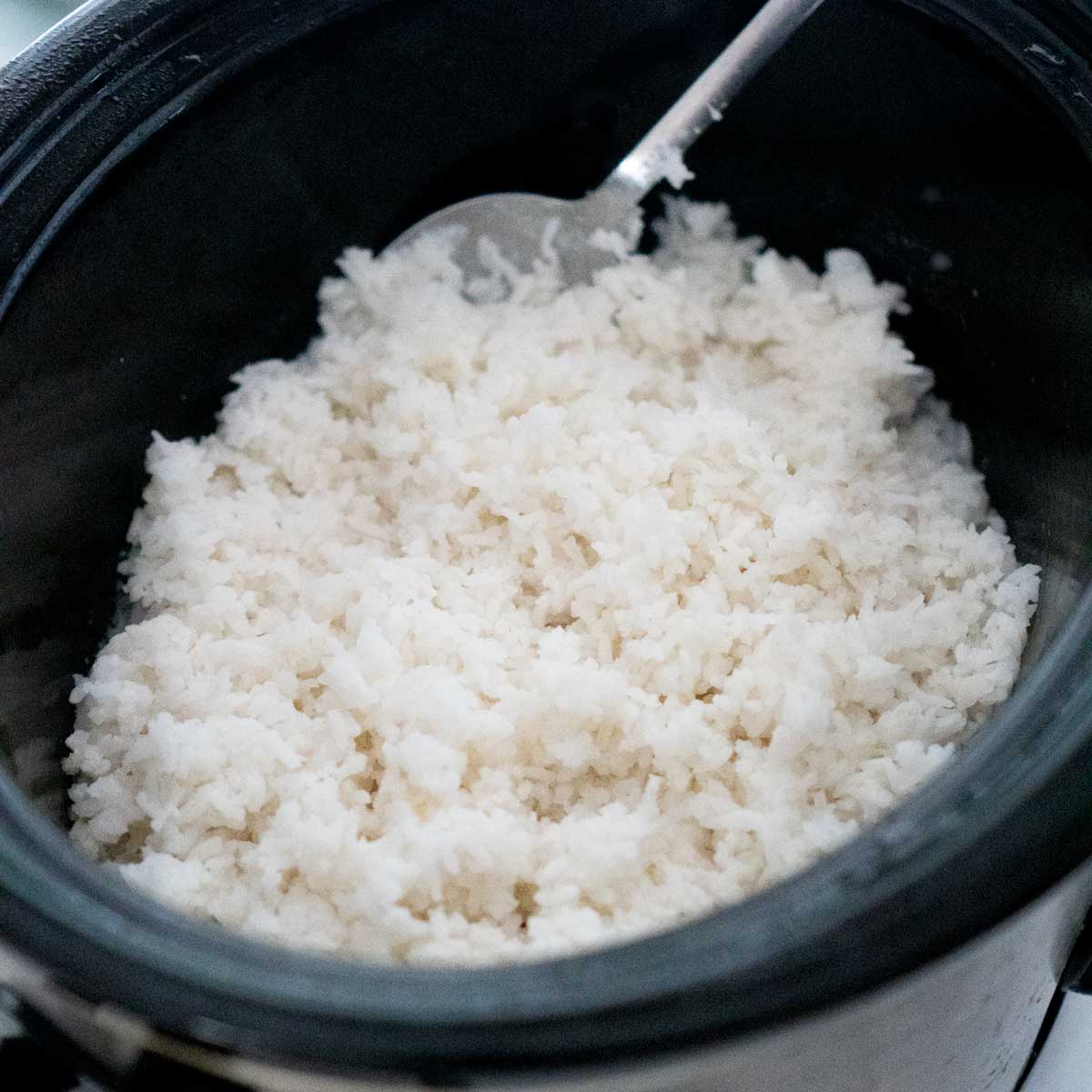
Final Answer: Is a Rice Cooker a Slow Cooker?
No, not usually. A basic rice cooker cooks rice by heating liquid until it is absorbed, then moves to a warm setting. A slow cooker maintains a low cooking heat for long periods and is designed for stews, meat, beans, and similar dishes.
A rice cooker can handle some moist, short-cycle meals. A rice cooker or multicooker with a clearly labeled slow-cook function may also prepare slow-cooker recipes. Before adapting any recipe, check the manual, stay within the fill limit, and verify that meat reaches a safe internal temperature.
For your next step, identify the exact model and look for its documented cooking programs. If it has no slow-cook setting, use it for rice and short, moisture-based meals rather than treating it as an all-day slow cooker.