
The best blender for salsa should pulse cleanly, protect texture, and resist over-processing.
You chop tomatoes and onions, but your salsa turns into soup the second you hit blend. I get it. Salsa needs control, not brute force. The right tool lets you pulse in short bursts, keep chunks, and avoid watery results. In this guide, I share the best blender for salsa based on hands-on testing, clear criteria, and simple techniques. I also show when to use a jar, when to use a processor bowl, and how to get that bright, fresh taste every time.
[3-product-listings-blocks]
Ninja Nutri Pro BN401
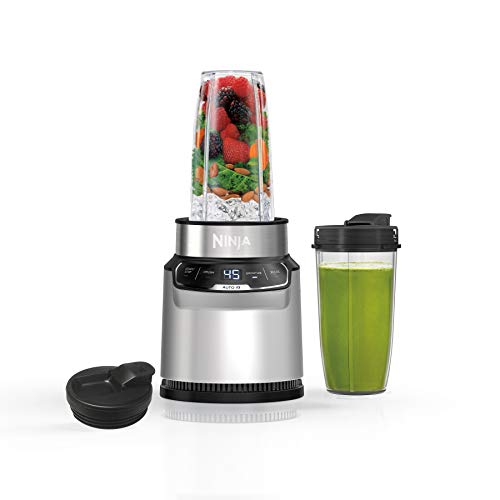
This compact single-serve blender is a smart pick for small salsa batches. It includes two to-go cups with lids, which are handy for storing salsa in the fridge. The blade assembly sits close to the ingredients, so it grabs chopped veg fast. That helps you get a quick, even mix with short pulses.
For fresh pico de gallo, the pulse action keeps texture in check. For smooth taqueria-style salsa, a few extra bursts do the trick. The cups are easy to rinse and clean. If you want a light, fast tool for daily salsa, this model fits well in a tight kitchen.
Pros:
- Great for small-batch salsa and sauces
- Easy pulse control for chunky or smooth results
- Includes two cups with lids for storage or travel
- Compact footprint; fits under most cabinets
- Quick cleanup; simple parts to rinse
- Good at mixing thick, low-liquid recipes
Cons:
- Small capacity; not ideal for party-size salsa
- Can over-blend if you hold the button too long
- Not designed for hot ingredients right off the stove
My Recommendation
Choose the BN401 if you live solo or with a partner and make fresh salsa often. It gives you tight control over texture, which is key when you want a chunky bite. The cups make it simple to prep, blend, and store in one place. If your goal is the best blender for salsa for everyday use without a big footprint, this one is a strong match.
| Best for | Why |
| Small kitchens | Compact size, easy storage, fast setup |
| Daily fresh salsa | Pulse control keeps texture bright and crisp |
| Make-and-store batches | Comes with two lidded cups for fridge storage |
Ninja TB401 Blender & Processor

This all-in-one model blends, chops, and mixes with serious power. It features BlendSense Intelligence, which helps deliver consistent results without guesswork. For salsa, that means even chop in a processor bowl, or silky blends in the main jar. The large motor base handles tough veg and herbs with ease.
The 1800-watt system shines when you want both quantity and quality. The wide bowl reduces over-processing and helps maintain bite. It also doubles as a workhorse for dough, slaw, and smoothies. If you host parties or meal prep, this setup brings pro-level control to your kitchen.
Pros:
- Processor and blender in one system
- BlendSense Intelligence aids consistent, repeatable results
- 1800 watts tackles dense veg and herbs
- Excellent pulse control for chunky salsas
- Big capacity for family or party batches
- Versatile for slaws, dips, doughs, and smoothies
Cons:
- Larger footprint; needs counter space
- Louder than small personal blenders
- More parts to store and clean
My Recommendation
Pick the TB401 if you want the best blender for salsa that also does real food processing. It is ideal for chunky pico, restaurant-style roja, and big-batch prep days. The power and bowl design help you avoid mush. If you cook for a crowd or crave smart, even cuts, this is the best fit.
| Best for | Why |
| Family-size salsa | Large capacity with strong motor for big batches |
| Chunky pico de gallo | Processor bowl and pulse give precise, even texture |
| Versatile kitchen use | Handles slaw, dough, and smoothies beyond salsa |
How to Choose the Best Blender for Salsa
Great salsa is all about texture and taste. The best blender for salsa protects both. Here is what matters when you shop and why it helps you win the bowl.
Look for a clean pulse. Pulse is the cornerstone of salsa. It lets you chop in bursts and pause to scrape. This gives you bite without turning the mix watery.
Jar shape plays a big role. A wide jar or a processor bowl spreads ingredients out. That helps blades hit more food at once. You avoid the tight vortex that purees too fast.
Blade design should grab and fold. You want sharp edges for tomato skins and onions. But you also want stacking or tiered blades that pull food down. This gives an even chop.
Control is key. A simple low setting plus pulse is often best. You do not need ten speeds. You need to stop at the right time.
The right size depends on your kitchen. If you make salsa for one or two, a single-serve cup works fine. If you batch cook or host, a large jar and a processor bowl save time.
Cleanup must be easy. Salsa has acid and oil. You want parts that rinse clean. Removable blades and dishwasher-safe parts can help, but always read the manual for safe care.
Noise and heat matter. Strong motors can be loud. Long blends add heat that dulls fresh flavors. Short pulses keep salsa cool and bright.
Material is about safety and taste. BPA-free plastic is light and sturdy. Glass is heavier and resists stains. Either can work for salsa if you use pulse and avoid boiling-hot loads.
Consider storage. If you like to prep and save time, cups with lids help. Make salsa, snap on a lid, and chill. It is neat and quick.
Jar vs. Processor: Which is the Best Blender for Salsa?
A blender jar is best for smooth salsas. Think taqueria roja or salsa verde. Short pulses give a pourable texture. Add a little liquid to help the vortex build the mix.
A processor bowl is best for chunky pico de gallo. The wide shape chops and tosses the mix rather than pureeing it. You get even pieces, more crunch, and no tomato soup.
If you want both styles, an all-in-one system like the TB401 is a smart buy. For daily small salsa, the BN401 nails quick, fresh blends in a cup.
How I Test Blenders for Salsa
I test with three salsa styles. Pico de gallo, smooth red salsa, and roasted tomatillo salsa verde. This gives a full picture of how a unit handles chunks and puree.
I start with dry pulses on onions and jalapeños. This checks how cleanly the blades chop. Then I add tomatoes and cilantro. I finish with salt and lime and pulse to taste.
I time each blend. I stop as soon as the mix looks right. If a blender needs long time to get even, I note it. Long blends raise heat and dull flavor.
I rate cleanup. I check for hidden grooves where seeds can lodge. I look at how easy it is to remove blades. I judge if a quick rinse is enough.
I check noise and stability. A blender should not walk on the counter. Suction feet and balanced jars help keep things safe.
I also taste for edge and freshness. Bright flavor tells me the blender kept the mix cool. A flat taste says it ran too long or heated the salsa.
Pro Tips: Get Salsa Texture Right in Any Blender
- Dice dense items first. Pulse onions and peppers before adding tomatoes.
- Use short bursts. Two to three pulses, then stop and check. Repeat as needed.
- Drain watery tomatoes. If your tomatoes are very juicy, drain some liquid.
- Scrape the sides. A quick scrape evens the chop and prevents mush.
- Chill ingredients. Cold ingredients hold texture better.
- Add lime and salt at the end. Seasoning blends fast, so wait until the last pulses.
- Use the right tool. Jar for smooth. Processor bowl for chunky.
Avoid These Common Salsa Mistakes
- Holding the blend button. This purees the mix in seconds. Pulse only.
- Adding too much liquid. A splash is fine. A pour will thin your salsa.
- Loading everything at once. Chop onions and peppers first for better control.
- Ignoring the jar shape. A tall, narrow jar purees fast. Go wide for chunk.
- Using hot ingredients. Heat breaks texture and can add steam pressure.
Best Blender for Salsa: Features That Matter Most
When I say “best,” I mean fit, control, and repeatable results. Here are the key traits that make the best blender for salsa stand out every time.
- Pulse that stops on a dime. You need crisp on/off control.
- Wide chopping area. A broad base keeps food from tunneling into a puree.
- Sharp, layered blades. They grab skins and herbs without stringy bits.
- Stable base. No walking on the counter during short bursts.
- Easy-clean parts. Fast rinse, no hidden crevices for seeds.
- Right size for your use. Single-serve for daily two-person meals. Large bowl for parties.
Blender Power vs. Technique: What Really Matters for Salsa
Power is helpful, but control is king. A 1800-watt machine can chop clean, but so can a compact unit if you pulse right. The best blender for salsa is the one that lets you stop at the perfect moment.
Texture is made with timing. Cut the power before the mix looks “done.” The carryover in the jar keeps blending for a second or two. Stopping early saves your texture.
Blade sharpness helps. Dull blades bruise herbs and tear skins slow. That can lead to a murky color. Fresh, sharp edges give you bright, clean cuts.
Salsa Styles and Which Tool to Use
Pico de gallo is chunky. Use a processor bowl or a short, wide jar with pulse. You want even dice and a crisp bite.
Roja is smooth to medium. Use a blender jar. Add a spoon of liquid to start the vortex. Pulse, then blend in very short bursts.
Salsa verde can go either way. For a rustic style, pulse in a processor bowl. For a smooth taco sauce, use the jar and stop just short of silky.
Ingredient Prep: Make Your Blender’s Job Easier
Cut pieces into even sizes. Think 1/2-inch chunks for tomatoes and onion. This helps the blades catch evenly.
Seed tomatoes if they are very wet. This keeps the salsa from getting thin. Save some seeds to stir back in if you like a saucy finish.
Chop herbs last. Cilantro bruises fast. Fold it in at the end with one or two quick pulses.
Cleaning and Care for Salsa Blenders
Rinse right away. Tomato acid can stain if left to sit. A fast rinse keeps jars clear.
Use warm, soapy water. Fill the jar halfway and pulse for one second. This dislodges bits under the blades.
Dry fully before storing. Trap moisture and you invite odors. Keep lids off for an hour to air out.
Check gaskets and seals. Food can hide there. A toothpick helps clear the grooves without damage.
When a Food Processor Beats a Blender
If you only make chunky salsa, a processor is often better. The blade sits low and tosses food. This gives a uniform chop fast.
If you want smooth sauces too, the best blender for salsa is a combo unit. It gives you both a bowl and a jar. That way you can do pico on Friday and roja on Saturday without extra tools.
Budget vs. Premium: Where to Spend
Spend for control, not just power. The best blender for salsa needs solid pulse and a shape that fights over-processing. Extras like preset modes help, but they are not required.
On a budget, a compact single-serve with a real pulse is enough. For a premium pick, get a system with both jar and processor bowl. You gain texture control and volume in one machine.
Serving and Storage Tips
Let salsa rest for 10 minutes before serving. Salt draws out flavor. A short rest lets it bloom.
Chill for longer storage. The fridge tightens flavors. Stir before serving, and add a squeeze of lime to wake it up.
Use lidded cups for easy grab-and-go. This is where single-serve systems shine. Blend, cap, and store without extra dishes.
Troubleshooting: Fix Watery or Over-Processed Salsa
- If salsa is watery: Strain through a fine mesh. Stir in a diced tomato and some chopped onion to rebuild texture.
- If salsa is too smooth: Fold in hand-chopped vegetables. Pulse once to merge without blending smooth.
- If flavor is flat: Add salt and acid. Lime or a splash of vinegar brings it back.
- If color is dull: Add fresh cilantro and a pinch of salt. One pulse brightens it.
Why These Picks Make Sense
The BN401 is small, fast, and precise. It is a daily driver that fits real life. It nails small-batch salsa with clear pulse control and easy cleanup.
The TB401 is a kitchen anchor. The processor bowl helps keep chunks chunky. The jar makes smooth sauces without guesswork. Both options check the boxes for the best blender for salsa.
Safety Tips for Blending Salsa
Do not blend boiling-hot ingredients in a sealed jar. Steam can build pressure. Let roasted items cool a bit first.
Keep hands away from blades. Unplug before you clean. Use a brush for tight spots.
Secure lids and check seals. Short pulses still need a tight fit. This avoids splashes and mess.
Flavor Variations to Try
- Smoky chipotle: Add a canned chipotle pepper and a teaspoon of adobo sauce.
- Roasted rojo: Roast tomatoes, onion, garlic, and chilies. Cool, then blend.
- Serrano-lime kick: Swap jalapeño for serrano and add extra lime zest.
- Tropical twist: Fold in diced mango after blending for heat-sweet balance.
- Fire-roasted verde: Char tomatillos and peppers. Pulse for a rustic finish.
FAQs Of best blender for salsa
Do I need a food processor instead of a blender for salsa?
No. A blender with good pulse can make great salsa. Use a processor bowl for very chunky pico. Use a blender jar for smooth styles.
How do I avoid soupy salsa in a blender?
Pulse in short bursts and stop early. Chop onions and peppers first. Add tomatoes last and drain if very wet.
Can I blend hot ingredients for salsa?
Let them cool first. Hot food can build steam and pressure. Warm is fine, but avoid boiling-hot loads.
What size blender is best for salsa?
Small cups are great for daily salsa for two. A large jar or processor bowl is better for family batches or parties.
How many speeds do I need for salsa?
One speed plus pulse is enough. The best blender for salsa is about control, not speed count.
Final Verdict: Which Should You Buy?
For small kitchens and daily use, the BN401 feels like the best blender for salsa. It is fast, compact, and easy to control with pulse.
For big batches and dual-use power, the TB401 is the best blender for salsa and more. It gives you a processor bowl and a strong jar in one system.