
A 15 degree angle knife sharpener holds a fine edge angle for precise, smooth, low-drag cutting.
A 15 degree angle knife sharpener is made for thin, refined edges often found on Japanese-style kitchen knives and premium Western blades. After testing different sharpening angles, I have found that the right guide can make a bigger difference than the sharpener itself. This guide explains how 15 degrees works, which knives need it, how to use one safely, and which mistakes can damage a fine edge.
What Is a 15 Degree Angle Knife Sharpener?
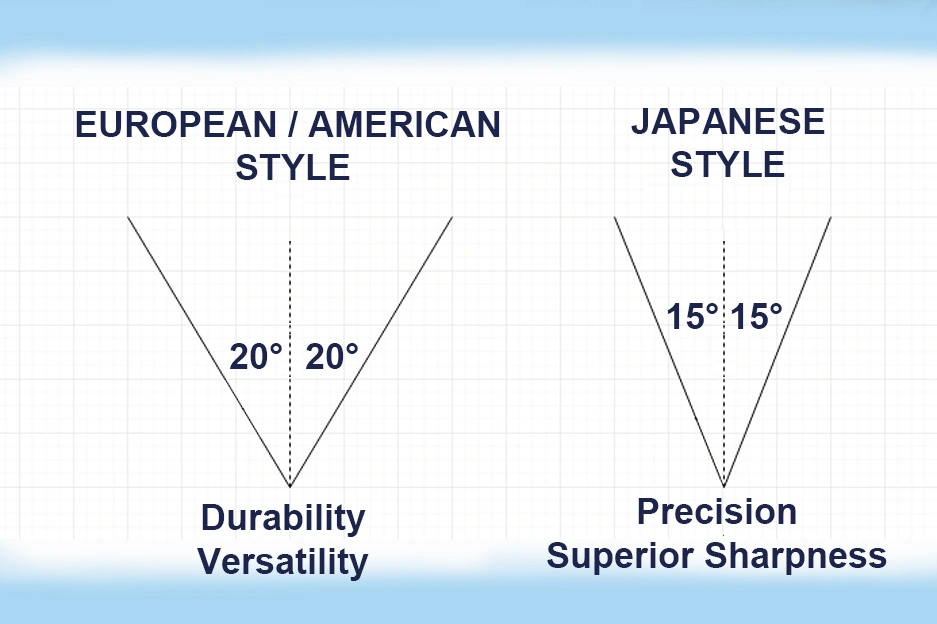
A 15 degree angle knife sharpener helps you sharpen each side of a knife at about 15 degrees. This usually creates a total edge angle of about 30 degrees when both sides are combined. The result is a thin and sharp cutting edge.
The phrase “15 degrees” normally means 15 degrees per side. It does not mean the entire edge has a 15 degree angle. This detail matters because a 15 degree edge per side is much thinner than a 20 degree edge per side.
A 15 degree angle knife sharpener may use a guided slot, ceramic rods, diamond plates, rotating wheels, or an adjustable arm. Its main purpose is to keep your hand at a steady angle. Consistency is often more important than speed.
Think of the edge as a small roof. Each side slopes toward the center. If both slopes are 15 degrees, the total edge angle is close to 30 degrees.

Why the 15 Degree Angle Matters
The sharpening angle affects sharpness, cutting feel, edge strength, and maintenance needs. A lower angle removes less metal and produces a slimmer edge. That edge can glide through food with less pressure.
A 15 degree angle knife sharpener is popular because it suits many thin kitchen knives. It can help a chef’s knife slice onions, herbs, fish, and boneless meat with a clean motion. It may also improve control when making thin slices.
However, a lower angle is not always better. A fine edge has less metal behind it, so it can bend, chip, or roll if you use the knife on hard food or twist it during a cut.
Use this simple guide:
• 10 to 15 degrees per side: Very fine edge for light kitchen work, sushi knives, and some Japanese blades.
• 15 to 17 degrees per side: A useful range for many quality kitchen knives.
• 18 to 20 degrees per side: A stronger edge for general home cooking and many Western knives.
• 22 degrees or more per side: Better for outdoor knives, work knives, and heavy use.
Steel type, blade thickness, heat treatment, and cutting habits all matter. The angle is only one part of the knife’s performance.

Which Knives Work Best at 15 Degrees?
Many Japanese kitchen knives are designed for a narrow edge. Santoku, gyuto, petty, and some nakiri knives often work well with a 15 degree angle knife sharpener. Always check the maker’s instructions before changing the original edge.
Some Western chef’s knives can also use a 15 degree edge. Modern high-carbon stainless steel may hold this angle well, especially when the knife is used for normal kitchen tasks. Older or softer steel may perform better at 17 to 20 degrees.
A single-bevel knife needs special care. A single-bevel blade has one main sharpened side and a flat side. Do not use a standard two-sided 15 degree angle knife sharpener on it unless the sharpener is made for single-bevel knives.
Avoid a 15 degree edge on knives used for:
• Cutting bones or frozen food
• Chopping through hard squash with force
• Prying, twisting, or scraping
• Outdoor work and rough materials
• Contact with glass, stone, or ceramic cutting boards
In my own knife tests, thin blades felt wonderfully smooth at 15 degrees, but the edge suffered when I used a rocking motion on a hard board. The lesson was simple: a sharp edge still needs gentle habits.

Types of 15 Degree Angle Knife Sharpeners
A 15 degree angle knife sharpener can take several forms. Each style has strengths and limits. Choose one based on your knife collection, skill level, and sharpening needs.
Guided Slot Sharpeners
Guided slot models hold the blade at a set angle. They are simple and useful for beginners. Many use ceramic, diamond, or carbide surfaces.
A ceramic slot is often best for light honing and small touch-ups. A diamond slot removes more steel and can repair a dull edge faster. Carbide sharpeners are quick, but rough models may remove too much metal from a fine knife.
Electric Sharpeners
Electric sharpeners use powered abrasive wheels. Some models have a dedicated 15 degree angle knife sharpener setting. They are fast and convenient for busy kitchens.
The main risk is over-grinding. Holding the blade in the slot too long can remove useful steel and create a deep or uneven bevel. Use light pressure and follow the manufacturer’s timing instructions.
Guided Rod Systems
A guided rod system uses a clamp or base to control the angle. It offers excellent control and can sharpen many blade shapes. It may take longer to set up, but it is a strong choice for people who want repeatable results.
Whetstones With an Angle Guide
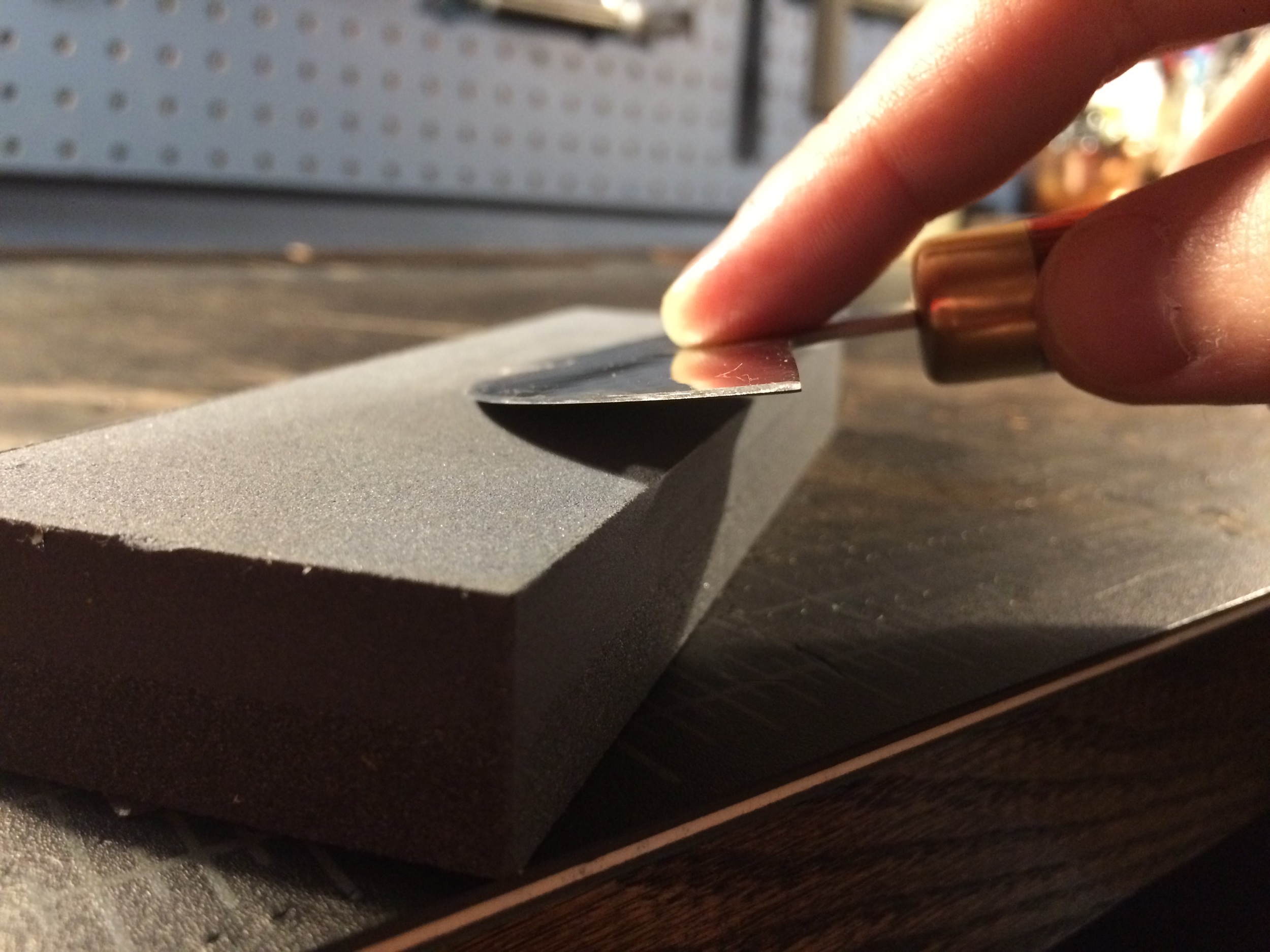
Whetstones offer the most control and can produce a polished edge. A small angle guide can help beginners maintain 15 degrees. Still, the guide must match the stone and must not scratch the blade.
A whetstone also lets you adjust the edge for a specific task. You can use a coarse stone for repair, a medium stone for regular sharpening, and a fine stone for polishing.
Benefits of Using a 15 Degree Angle Knife Sharpener
A 15 degree angle knife sharpener offers several practical benefits when matched with the right blade.
• Precise cutting: A narrow edge can pass through food with less force.
• Better control: Sharp knives need less pushing, which may improve handling.
• Consistent results: A guide helps keep both sides close to the same angle.
• Less guesswork: Beginners do not need to estimate the angle by eye.
• Easy touch-ups: Fine ceramic systems can refresh an edge before it becomes very dull.
• Cleaner slices: A refined edge can reduce crushing in soft foods such as tomatoes and herbs.
Sharpness also supports safer technique. A dull knife often needs extra force. Extra force can cause the blade to slip when it finally breaks through food. A sharp knife is not risk-free, but controlled cutting is usually easier.
The best results come from matching the edge to the job. A 15 degree angle knife sharpener is excellent for precision, but it is not a universal tool for every blade.

Limits and Common Problems
The biggest limitation of a 15 degree edge is reduced toughness. The thin edge may roll if it hits a hard surface or meets a tough ingredient at the wrong angle. A rolled edge may feel dull even when the steel is still present.
Another issue is angle mismatch. If your knife was made at 20 degrees and you use a 15 degree angle knife sharpener, you must remove steel until the new bevel reaches the edge. This can take time, especially with a fine abrasive.
Common mistakes include:
• Using heavy pressure
• Sharpening one side much more than the other
• Pulling the blade backward through a sharpener that requires forward strokes
• Using a coarse abrasive for every touch-up
• Ignoring chips and deep damage
• Sharpening a serrated blade with a flat sharpener
• Testing sharpness with a finger
Do not run your finger across the edge to test it. Try slicing a sheet of paper, a soft tomato, or a piece of food while keeping your hands clear.
If the edge is badly chipped, a professional sharpening service may be safer. A home sharpener is best for routine maintenance and small repairs.

How to Use a 15 Degree Angle Knife Sharpener
Read the instructions for your exact model first. Different sharpeners use different motions, pressure levels, and numbers of passes. The steps below apply to many guided systems, but the manual always takes priority.
-
Clean and dry the knife. Remove food, oil, and moisture from the blade.
-
Place the sharpener on a stable surface. Keep it away from the edge of the counter.
-
Confirm the angle. Make sure the guide is designed for 15 degrees per side, not 15 degrees total.
-
Start with the correct abrasive. Use a coarse stage only when the knife is very dull or damaged.
-
Insert the heel of the blade into the guide. Move toward the tip in a smooth motion if the tool requires a full stroke.
-
Use light pressure. Let the abrasive do the work.
-
Sharpen both sides evenly. Count the passes to keep the bevel balanced.
-
Check for a small burr. A burr is a thin wire of steel along the opposite side of the edge.
-
Move to a finer stage. This removes rough marks and polishes the bevel.
-
Clean the blade. Wipe away metal particles before using the knife.
-
Test the edge safely. Use paper or food, never your fingertip.
Stop when the knife cuts well. More passes do not always create a better edge. Over-sharpening shortens blade life and can make a thin edge fragile.

Whetstone Method for a 15 Degree Edge
A whetstone can create an excellent 15 degree edge, but it requires practice. Soak or prepare the stone according to its instructions. Some stones need water, while others work dry or with honing oil.
Hold the knife so the spine is raised about the height of two stacked coins for many kitchen blades. This is only an estimate because blade width changes the angle. An angle guide is more reliable when you are learning.
Use steady strokes from heel to tip. Keep the same angle as you move across the stone. Do not scrub only one small section, or you may create an uneven bevel.
Begin with a medium stone for a slightly dull knife. Use a coarse stone for damage and a fine stone for finishing. After sharpening, wash and dry the knife because abrasive particles may remain on the blade.
In my early sharpening practice, I focused too much on speed. I later learned that slow, even passes produced a better edge and removed less steel. A calm rhythm is more useful than force.

How to Choose the Best 15 Degree Angle Knife Sharpener
Look for a sharpener that matches your knife type. A fixed guide is convenient, while an adjustable system offers more flexibility. If you own both Japanese and Western knives, an adjustable model may be more useful than a single-angle tool.
Consider the abrasive material:
• Ceramic: Best for gentle honing and light maintenance.
• Diamond: Fast cutting action for dull edges and hard steel.
• Waterstone: Excellent control and polished results, but it needs practice.
• Carbide: Fast and simple, but it may remove more steel than necessary.
Also check the handle, base, guard, and cleaning process. A stable base reduces slips. A hand guard protects your fingers. Removable abrasive parts make cleaning easier.
Before buying a 15 degree angle knife sharpener, ask:
• Does it sharpen both sides?
• Is the angle truly 15 degrees per side?
• Can it handle the blade length and thickness?
• Is it safe for high-carbon or delicate steel?
• Does it work with straight, curved, or single-bevel knives?
A low price does not always mean poor quality, and a high price does not guarantee a perfect edge. The best sharpener is the one that fits your knives and encourages careful use.
Maintenance Tips for a Long-Lasting Edge
Regular maintenance is better than waiting until the knife is completely dull. Use a ceramic honing rod or fine ceramic stage for light touch-ups. Honing does not remove as much steel as sharpening, but it can realign a slightly rolled edge.
Use a cutting board made from wood, soft plastic, or another knife-friendly material. Avoid glass, granite, marble, and ceramic boards. These hard surfaces can damage a fine edge quickly.
Wash knives by hand with mild soap. Dry them at once. Dishwashers expose blades to heat, strong detergent, vibration, and contact with other tools.
Store knives in a block, sheath, drawer insert, or magnetic strip placed safely on the wall. Do not toss sharp knives into a crowded drawer. Contact with other utensils can create chips and dull spots.
A 15 degree angle knife sharpener should also be cleaned as directed. Metal filings can build up in the abrasive surface and reduce performance. Never use a damaged sharpener with loose parts or a cracked guide.
15 Degrees Compared With 20 Degrees
The choice between 15 and 20 degrees is a balance between sharpness and strength. A 15 degree angle knife sharpener creates a thinner edge that often feels more precise. A 20 degree edge usually has more steel behind it and may handle rougher work better.
Choose 15 degrees when you want:
• Fine slicing
• Low cutting resistance
• A refined kitchen edge
• Careful use on soft and medium foods
Choose 20 degrees when you want:
• Greater edge durability
• General household use
• A stronger edge for firm ingredients
• Less frequent sharpening
Some cooks use a 15 degree primary bevel with a slightly wider micro-bevel near the edge. For example, the main bevel may be 15 degrees, while the very edge receives a few light passes at 17 or 20 degrees. This can improve durability without making the entire bevel thick.
That method requires control and is not necessary for everyone. Beginners should first learn to create a consistent single angle.
Safety Tips for Sharpening Knives
Always sharpen away from your body when the tool design allows it. Keep your free hand behind the blade path. Use a stable table with good lighting.
Do not hold the sharpener in your hand unless the product is designed for that method. A slipping tool can cause a serious cut. Wear cut-resistant gloves only if they do not interfere with control, and never treat gloves as a replacement for safe handling.
Keep children and pets away from the work area. Wipe the counter after sharpening because tiny metal particles may remain on the surface.
Be careful after sharpening. A newly refined blade may cut more easily than expected. Use a gentle grip and controlled strokes until you become familiar with its new sharpness.
A 15 degree angle knife sharpener can improve performance, but safe habits matter just as much as the tool. Sharp knives deserve respect, not fear.
Frequently Asked Questions About a 15 Degree Angle Knife Sharpener
Is 15 degrees a good angle for kitchen knives?
Yes, 15 degrees per side works well for many thin Japanese-style kitchen knives and some high-quality Western knives. It creates a sharp, low-resistance edge, but it may be less durable than a 18 to 20 degree edge.
Does a 15 degree angle knife sharpener mean 15 degrees total?
Usually, no. Most products describe the angle for each side of the blade, creating a total edge angle of about 30 degrees.
Can I use a 15 degree angle knife sharpener on any knife?
No. Heavy outdoor knives, cleavers, soft steel knives, and single-bevel blades may need a different method. Check the knife maker’s recommended angle before sharpening.
How often should I use a 15 degree angle knife sharpener?
Use it only when the edge is dull or damaged enough to need sharpening. Light honing can maintain the edge between sharpening sessions and remove less metal.
Is a whetstone better than a guided sharpener?
A whetstone offers more control and can produce a highly refined edge, but it takes practice. A guided sharpener is often easier for beginners because it keeps the angle more consistent.
Why does my knife feel dull after sharpening?
You may not have reached the edge, removed the burr, or sharpened both sides evenly. Heavy pressure, a worn abrasive, or the wrong angle can also create a weak or uneven edge.
Can a 15 degree edge chip easily?
It can chip or roll if used on bones, frozen food, hard boards, or twisting cuts. Careful technique and a suitable cutting surface greatly reduce this risk.
Conclusion
A 15 degree angle knife sharpener can create a clean, precise edge for many kitchen knives, especially thin Japanese-style blades. The key is to understand that 15 degrees usually means per side, use light pressure, sharpen both sides evenly, and match the angle to the knife’s steel and purpose.
A narrow edge rewards careful use. Choose a stable sharpener, protect the blade with a suitable cutting board, and maintain it before it becomes badly dull. Start with a few controlled passes, test the result safely, and build your skill over time. Explore more knife-care guides or share your sharpening experience in the comments.