
The best stand mixer for a home baker combines steady power, useful tools, easy cleaning, and a bowl size that fits daily baking.
If your hand mixer slows down during cookie dough or leaves flour on the counter, a stand mixer can make baking feel calm again. I looked at bowl size, speed control, attachments, storage, and everyday ease of use. These five models suit different needs, from small kitchens to busy families. A good mixer should feel like a helpful extra pair of hands, not another appliance that takes up space.
Kitchen in the Box 3.2-Qt Stand Mixer
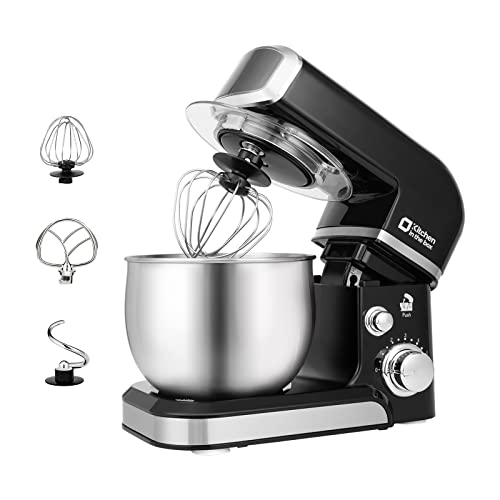
The Kitchen in the Box 3.2-quart mixer is a compact choice for small batches and tight counters. Its six-speed control gives you room to mix slowly, whip at a medium pace, or add air at a faster setting. The package includes an egg whisk, dough hook, and flat beater, so it covers the main jobs most home bakers face. Its smaller body also makes it easier to move when you need more counter space.
I see this model as a practical starter mixer for cookies, muffins, frosting, pancakes, and light dough. The smaller bowl helps prevent a single batch from feeling lost inside a large mixing bowl. It may also suit a baker who shares a kitchen or stores appliances in a cabinet after each use. For light, regular baking, this can be a smart way to try the best stand mixer for home baker category without choosing a large machine first.
Pros:
- Compact size suits small kitchens and apartments
- Six speeds support slow mixing and fast whipping
- Includes a whisk, dough hook, and flat beater
- Smaller bowl works well for everyday baking batches
- Lightweight design is easier to move and store
- Useful option for new bakers on a budget
Cons:
- Small bowl may not suit large family-size recipes
- Heavy bread dough can place more strain on a compact mixer
- Light body may move slightly during stiff mixing
KitchenAid Classic Series 4.5-Qt Mixer

The KitchenAid Classic Series 4.5-quart mixer is a well-known fit for home bakers who want a full-size countertop machine. Its tilt-head design gives clear access to the bowl and makes it simple to add flour or scrape the sides. The included flat beater, wire whip, and dough hook cover common mixing tasks. Its familiar control layout also keeps the learning curve short for a first-time stand mixer owner.
This mixer has the balance that many home bakers want: enough room for routine cakes, cookies, frostings, and moderate dough batches without feeling oversized. The stainless steel bowl is sturdy and easy to rinse after use. KitchenAid’s broad attachment system is another useful point for bakers who may want to explore pasta, shredding, grinding, or other tasks later. I would consider this a strong all-around pick for someone seeking the best stand mixer for home baker use over many years.
Pros:
- 4.5-quart bowl fits many everyday recipes
- Tilt-head design makes bowl access simple
- Includes the three key baking attachments
- Strong brand support and broad accessory options
- Simple controls are friendly for new users
- Stable countertop design feels suited to regular use
Cons:
- Larger and heavier than compact starter mixers
- May cost more than basic small-batch models
- The classic bowl design may require occasional side scraping
Kitchen in the Box 3.2-Qt Mixer in White
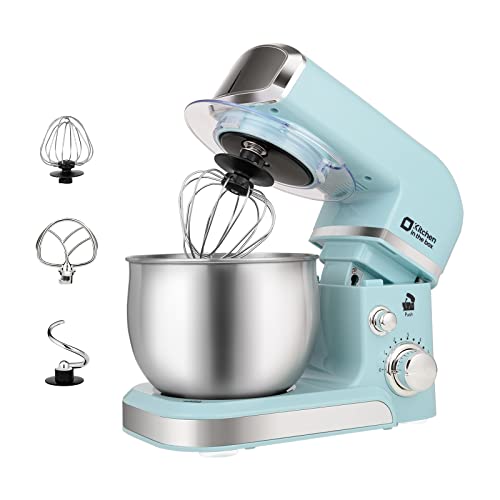
This white Kitchen in the Box 3.2-quart stand mixer offers the same small-kitchen appeal as the compact black version. The six-speed system helps you start gently with dry ingredients and increase speed as a batter becomes smooth. Its whisk, dough hook, and flat beater give you a useful set of tools for cakes, whipped cream, cookie dough, and light bread work. The clean white finish can also blend well with bright or simple kitchen decor.
I like this model for bakers who want a dedicated mixer but do not bake in huge amounts. A compact bowl can help with portion control because it encourages you to make the amount you need instead of mixing oversized batches. The unit is also easier to lift than many full-size stand mixers. If style, storage, and price matter as much as raw capacity, this is a friendly entry into the best stand mixer for home baker search.
Pros:
- Small footprint works well on limited counters
- White finish suits many kitchen styles
- Six speeds provide useful control for common recipes
- Three basic attachments support many baking tasks
- Lightweight build helps with cabinet storage
- Good match for singles, couples, and small families
Cons:
- Capacity is limited for large batches
- Not the first choice for frequent heavy bread mixing
- Small mixers can need more frequent bowl scraping
Martha Stewart 5.3-Qt Tilt-Head Mixer

The Martha Stewart 5.3-quart tilt-head mixer gives home bakers more room than the compact models in this guide. Its 12-speed control offers fine adjustment, which can help when you need a slow start or a gentle finish. The stainless steel bowl provides useful space for cake batter, frosting, whipped cream, and larger cookie batches. The tilt-head format also makes it easier to reach the bowl and change tools.
This model makes sense for a baker who prepares several recipes each week or often cooks for guests. The larger capacity reduces the need to split a standard family recipe into two rounds. More speed steps can help you match the mixer to delicate ingredients and thicker mixtures. I would place it among the most appealing options for the best stand mixer for home baker when capacity and control matter more than a very small footprint.
Pros:
- 5.3-quart bowl gives more room for family-size batches
- 12 speeds offer detailed mixing control
- Tilt-head design improves access to the bowl
- Stainless steel bowl is durable and easy to clean
- Better fit for frequent bakers and larger recipes
- Useful capacity for cookies, cakes, and whipped desserts
Cons:
- Takes more counter and storage space
- May feel too large for very small baking batches
- More speed settings may seem less simple to beginners
Martha Stewart 5.3-Qt Stand Mixer
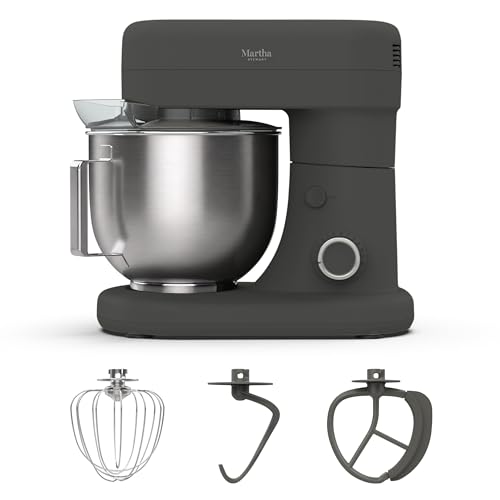
This second Martha Stewart 5.3-quart model is another solid choice for bakers who want a roomy bowl and a wide speed range. It has a tilt-head design that keeps the mixer open and easy to load. The stainless steel bowl is well suited to repeated baking because it does not hold food smells like some porous materials can. With 12 speeds, you can move from slow flour mixing to faster whipping with small changes between settings.
I see this mixer as a good middle ground between a small starter unit and a premium heavy countertop mixer. It can support a home baker who makes birthday cakes, holiday cookies, buttercream, and other recipes in steady rotation. The extra bowl space is helpful when flour, sugar, and wet ingredients would crowd a smaller machine. As always, I suggest checking the current Amazon listing for included tools, dimensions, color, and warranty details before ordering.
Pros:
- Large 5.3-quart capacity supports bigger batches
- 12 speeds make it easier to fine-tune a recipe
- Tilt-head access simplifies adding ingredients
- Stainless steel bowl handles regular kitchen use
- Good fit for family baking and entertaining
- Offers useful features without an overly complex layout
Cons:
- Needs more storage space than a 3.2-quart mixer
- Large capacity may be unnecessary for occasional bakers
- Product details and included accessories can vary by listing
My Recommendation
For most home bakers, I would choose the KitchenAid Classic Series 4.5-quart mixer. It offers a useful bowl size, familiar controls, a stable design, and access to a wide range of optional attachments. It is the safest all-around pick for someone who wants one mixer for cakes, cookies, frosting, and moderate dough work. The best stand mixer for home baker needs to fit real habits, and this model does that for many kitchens.
Choose the Kitchen in the Box 3.2-quart model if you bake small batches or need a mixer that is easy to store. Pick either Martha Stewart 5.3-quart model if you often bake for a family, host guests, or want extra room. Both compact Kitchen in the Box versions suit beginners who value a lighter machine and a lower space demand. Before buying, measure your counter, check the bowl capacity, and confirm which attachments come in the box.
| Best for | Why |
|---|---|
| Most home bakers | The KitchenAid Classic balances capacity, ease, support, and long-term use. |
| Small kitchens and beginners | The 3.2-quart Kitchen in the Box mixers save space and handle common small batches. |
| Large batches and frequent baking | The 5.3-quart Martha Stewart mixers provide extra room and 12 speed choices. |
How I compare stand mixers for home baking
I start with the jobs a home baker does most often. That includes mixing cake batter, creaming butter and sugar, beating egg whites, making frosting, and kneading smaller amounts of dough. A mixer can have many features, but those features matter only when they make these tasks easier. I also look at how much space the machine needs and how easy it is to clean.
Bowl size is one of the first details I check. A bowl that is too small may force you to work in parts, while a bowl that is too large may struggle with tiny amounts. A 3.2-quart bowl can suit one or two people, but a 4.5- to 5.3-quart bowl offers more flexibility for family baking. Capacity is not the same as a safe working amount, so I avoid filling any mixer to the rim.
Speed control matters too. Low speed helps reduce flour clouds and keeps wet ingredients from splashing. Medium speed is useful for batter and cookie dough, while faster settings help whip cream or egg whites. More speed numbers do not always mean a better mixer, but they can give an experienced baker more control.
I also pay attention to the motion of the mixer head. A tilt-head design makes it easy to lift the head, remove the beater, and add ingredients. The bowl should lock firmly in place, and the beater should move through the mixture without leaving large dry pockets. Some recipes still need a quick scrape with a spatula, even with a good stand mixer.
Attachments affect value. A flat beater handles cake batter and many cookie doughs. A wire whisk works for cream, egg whites, and light mixtures. A dough hook is meant for yeast dough, but a small home mixer should not replace a commercial dough machine. I suggest using the lowest suitable speed and following the maker’s guidance for heavy mixtures.
Cleaning is part of the buying decision. Removable bowls and beaters make daily use easier. Wipe the mixer body with a damp cloth instead of placing the motor housing under water. Check the product page for dishwasher guidance because attachment materials and finishes can differ.
Noise and movement also matter in a home kitchen. Every stand mixer makes some sound, especially while working thick dough. A stable machine should stay planted on a clean, dry counter, though a lightweight model may shift when the mix becomes stiff. If the mixer starts to strain, stop and check the amount rather than forcing it through a large batch.
My reviews also consider who should skip each model. A small mixer may frustrate a baker who makes several loaves each weekend. A large mixer may waste money and counter space for someone who makes one small cake each month. The best stand mixer for home baker is not always the largest or most powerful model. It is the one that fits the recipes, space, budget, and pace of the person using it.
Kitchen in the Box versus KitchenAid
The compact Kitchen in the Box mixers focus on light storage and small batches. They can work well for basic recipes and occasional baking. Their smaller bowl and lighter design make them less demanding to move, but they are not the ideal match for constant heavy dough work.
The KitchenAid Classic takes up more room, yet it offers a more traditional full-size stand mixer experience. Its 4.5-quart bowl gives a home baker more freedom when a recipe grows. It may also be a better long-term choice for people who want to add specialty attachments later.
The right choice depends on your routine. If your hand mixer already handles most tasks and you only want help with frosting or cookie dough, a compact model may be enough. If you bake for holidays, birthdays, or family gatherings, the KitchenAid bowl can save time and reduce repeat batches.
Martha Stewart 5.3-quart mixer buying advice
The Martha Stewart models offer the largest listed bowl capacity in this group. That extra room can make a real difference when you mix a large cookie recipe or prepare batter for several layers. The 12-speed layout also gives you more small steps between slow and fast mixing.
Before ordering, I recommend checking the exact model page. Retail listings can change the included accessories, color name, dimensions, and warranty details. This point matters because two mixers can share a product name while using different model numbers or finishes.
A large bowl does not mean you should always make large batches. Small amounts may sit below the beater’s best mixing area, so use a spatula when needed. For small recipes, a hand mixer or smaller stand mixer may still be faster and easier.
What can you make with a home stand mixer?
A stand mixer can help with many daily recipes. You can cream butter and sugar for cookies, mix cake batter, beat meringue, whip cream, mash some cooked foods, and knead many yeast doughs. It also helps keep your hands free while you measure ingredients or prepare a pan.
For the best results, add ingredients in the order the recipe gives. Start at low speed when adding flour. Increase speed only after the ingredients come together and reduce speed before stopping the mixer.
Do not use the mixer as a replacement for good measuring. Too much flour can make a dough stiff and can place extra stress on the motor. I prefer weighing flour when possible, but careful spoon-and-level measuring also works well.
How to get better results from a stand mixer
Bring ingredients to the temperature listed in the recipe. Soft butter blends more smoothly than cold butter, while chilled cream often whips better. Avoid guessing when a recipe depends on temperature, since small changes can affect texture.
Keep the bowl and tools clean before whipping egg whites. A trace of grease can reduce volume. Use a clean, dry bowl and stop when the mixture reaches the stage the recipe calls for.
Use the dough hook with care. Yeast dough can become heavy, so keep batches within the maker’s stated limits. If the mixer rocks, smells hot, or sounds strained, stop it and reduce the load.
Scrape the bowl when the recipe needs it. A stand mixer saves work, but it does not remove every need for a spatula. Scraping once or twice can prevent dry flour or unmixed butter from hiding near the sides.
Clean the tools after each use. Dried dough becomes much harder to remove than fresh dough. A quick rinse soon after baking keeps the mixer ready for the next recipe.
Stand mixer size guide for home bakers
A 3.2-quart stand mixer suits small households, small batches, and bakers who have limited storage. It can handle many muffins, simple cakes, small cookie batches, and whipped toppings. It may feel crowded when you double a recipe.
A 4.5-quart bowl is a flexible middle size. It fits many family recipes without taking the space of a very large mixer. This is why I often point to the KitchenAid Classic when readers ask for one dependable all-purpose option.
A 5.3-quart bowl makes sense for frequent bakers and people who cook for groups. It gives ingredients more room to move and can reduce the need for multiple batches. The tradeoff is extra weight, counter space, and storage demand.
Think about your tallest storage shelf before you buy. A tilt-head mixer needs enough room for the head to lift. Also measure the counter depth and leave space to add ingredients safely.
Is a stand mixer worth it for a home baker?
For many people, yes. A stand mixer can make long mixing tasks less tiring and can give more consistent results than mixing thick dough by hand. It also lets you work on another part of the recipe while the beater runs.
The value rises when you bake often. If you make cookies, bread, cakes, and frosting each month, the machine may earn its counter space quickly. If you bake only once or twice a year, a hand mixer may be enough.
I also think about comfort. Bakers with sore hands, limited grip strength, or a busy schedule may benefit from the machine even if they make simple recipes. The best stand mixer for home baker can turn a task that feels like a chore into a pleasant routine.
What to check before buying on Amazon
Start by checking the current product title and model number. Confirm the bowl size, included attachments, speed count, dimensions, and color. These details can change between listings, and a product photo alone may not show every item in the box.
Read recent customer reviews for useful patterns. Look for comments about bowl movement, attachment fit, noise, cleanup, and performance with the recipes you make. One review may be personal, but repeated comments can reveal a useful trend.
Check the return policy and warranty information before placing the order. Keep the packaging until you know the mixer works well for your kitchen. Test the speed control, bowl lock, and attachments with a simple recipe first.
Do not buy only because a mixer has the highest speed number. A stable base, suitable bowl, reliable controls, and a good fit for your workload matter more. Feature lists can look impressive, but daily comfort decides whether an appliance becomes a favorite.
FAQs Of best stand mixer for home baker
What is the best stand mixer for a home baker?
For most people, I recommend the KitchenAid Classic Series 4.5-quart mixer. It offers a useful bowl size, simple controls, common attachments, and a strong reputation for home use. Choose a compact Kitchen in the Box model if you bake smaller batches or have limited storage.
Is a 3.2-quart stand mixer large enough for baking?
Yes, a 3.2-quart mixer can handle many small recipes, such as muffins, frosting, pancakes, and modest cookie batches. It is less suited to doubled recipes or heavy bread dough. Always follow the maker’s capacity guidance.
Is a 5.3-quart mixer too large for a beginner?
Not always. The larger bowl helps when you bake for a family or make several batches. However, it takes more space and may not mix very small amounts as efficiently as a smaller bowl.
Can a stand mixer knead bread dough?
Most of these mixers can knead suitable amounts of yeast dough with a dough hook. Use a low speed and stay within the instructions for your model. Stop if the mixer rocks, strains, or becomes unusually hot.
What attachments should come with a stand mixer?
A flat beater, wire whisk, and dough hook cover the main home baking tasks. Some models support optional tools for pasta, slicing, shredding, or grinding. Confirm the exact package contents on the current product listing before buying.
Final Verdict: Which Should You Buy?
The KitchenAid Classic 4.5-quart mixer is my top pick for the best stand mixer for home baker use. It gives most bakers the right balance of size, control, tools, and long-term value.
Choose Kitchen in the Box for small batches and Martha Stewart for larger recipes. Match the bowl to your habits, measure your space, and check the latest listing details before you order.