
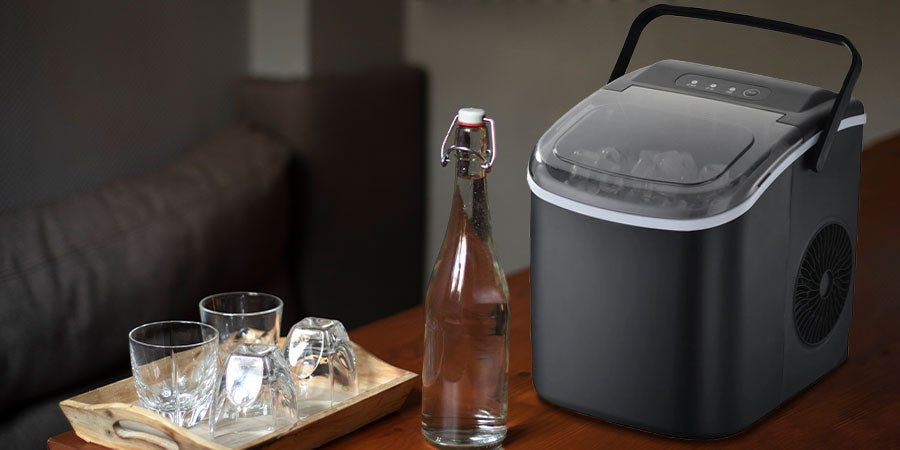
A portable ice maker freezes water on a cold metal surface, then releases the ice into a storage bin.
Learning how does a portable ice maker work can make choosing, using, and cleaning one much easier. These compact machines use a small refrigeration system, a water pump, and an ice tray to make ice in minutes. This guide explains each step in simple terms, along with safety tips, common problems, energy facts, and practical lessons from hands-on use.
How Does a Portable Ice Maker Work?
A portable ice maker works much like a small refrigerator, but its job is to freeze water instead of keeping food cold. It does not usually store ice for long periods. Instead, it makes a batch, moves the ice to a bin, and starts the process again when more ice is needed.
Here is the basic process:
- You add clean water to the reservoir.
- A small pump moves the water toward a freezing tray.
- A compressor circulates refrigerant through the cooling system.
- Metal evaporator rods or a cold plate freeze the water.
- Sensors detect when the ice is ready.
- A heating cycle loosens the ice from the cold surface.
- A small motor or rotating tray drops the ice into the storage basket.
This cycle often takes about 6 to 15 minutes, depending on the model, room temperature, water temperature, and selected ice size. Most countertop units make bullet-shaped ice with a hollow center.
Unlike a freezer, a portable ice maker usually does not keep the storage bin below freezing. The ice will slowly melt, and the water normally drains back into the reservoir. For this reason, it is best to transfer the ice to a freezer or insulated cooler if you need it to last.

The Main Parts Inside a Portable Ice Maker
Understanding the main parts helps explain how does a portable ice maker work and makes troubleshooting less stressful. Each part has a simple job, but all of them must work together.
Water reservoir
The reservoir holds the water used to make ice. Many machines have a fill line that shows the maximum safe level. Adding too much water can cause leaks or interfere with the ice-making cycle.
Water pump
The pump lifts water from the reservoir and sends it over or around the freezing rods. Some models spray water over cold metal fingers. Others circulate water across a chilled tray.
If the pump becomes blocked by mineral deposits, the machine may run without making ice. You may hear a humming sound, but little or no water will move.
Compressor
The compressor is the heart of the cooling system. It pressurizes the refrigerant and sends it through the sealed refrigeration circuit.
You may hear a low hum or gentle vibration when the compressor starts. That sound is normal. Loud rattling, repeated clicking, or a burning smell may signal a mechanical or electrical problem.
Refrigerant lines and evaporator
The refrigerant removes heat from the water. It travels through the evaporator, which becomes very cold. Water freezes when it touches the cold evaporator surface.
This is the same basic cooling idea used in a refrigerator or air conditioner, though a portable ice maker uses a much smaller system.
Ice basket and sensors
The ice basket catches finished cubes. A full-bin sensor tells the machine to stop making ice when the basket is full.
Many models also have a water-level sensor. If the reservoir is empty, the unit should stop or show a “water” indicator.
Control panel
The controls usually let you:
• Start or stop the unit
• Select small, medium, or large ice
• Check water and ice levels
• Set a timer on some models
• Turn off alerts or indicator lights
The Ice-Making Cycle Explained Step by Step
The easiest way to understand how does a portable ice maker work is to follow one complete cycle.
Step 1: Water enters the system
You pour water into the reservoir. Use the fill line as your guide. Cold or room-temperature water can work, but very warm water may increase the first cycle time.
Step 2: The pump moves the water
The pump sends water toward the freezing area. In many bullet-ice machines, water flows over a group of chilled metal rods.
Some water freezes around the rods. The remaining water falls back into the reservoir and circulates again.
Step 3: The refrigeration system removes heat
The compressor starts the cooling cycle. Refrigerant changes pressure as it moves through the system, absorbing heat from the evaporator.
The water does not freeze because of magic cold air. It freezes because heat leaves the water and moves into the refrigerant system.
Step 4: Ice grows on the evaporator
A thin layer of ice forms first. More water freezes around it as the pump continues to circulate water.
The longer the cycle runs, the larger and thicker the ice becomes. This is why many machines offer different ice sizes.
Step 5: Sensors check the ice
A control board watches the cycle. It may use a temperature sensor, a timer, or both. When the ice reaches the expected size, the machine changes from freezing to harvesting.
Step 6: The ice releases
The unit briefly warms the evaporator surface. This does not melt the entire batch. It only loosens the outer layer so the ice can slide or drop away.
A small motor may rotate the ice tray. Other models use a mechanical arm or a simple release system.
Step 7: The ice falls into the basket
The finished ice drops into the storage basket. If the basket is not full, the machine may begin another cycle.
Most portable machines continue making ice until the bin sensor detects a full basket or the water reservoir becomes empty.

Why Portable Ice Makers Make Bullet-Shaped Ice
Many countertop ice makers produce bullet ice rather than the solid cubes found in a freezer. Bullet ice forms around cold metal rods, so it naturally develops a hollow or partly hollow center.
This shape has several useful features:
• It forms quickly.
• It is easy to chew.
• It chills drinks well.
• Its rounded surface is less likely to damage glasses.
• It can be made without a large freezer tray.
Bullet ice can melt faster than thick, solid cubes. That is normal. If you want long-lasting ice for a cooler, look for a machine that makes thick cubes or nugget-style ice.
Ice shape also affects sound and texture. Nugget ice is soft and chewable, while bullet ice is usually harder and more compact. Read the product description carefully because “large ice” does not always mean a large, solid cube.

How Long Does a Portable Ice Maker Take?
Most portable ice makers produce their first batch in about 6 to 15 minutes. Later batches may be faster because the machine has already cooled down.
Several factors affect production time:
• Room temperature
• Water temperature
• Water level
• Ice size setting
• Ventilation around the unit
• Cleanliness of the pump and evaporator
• Condition of the compressor
A hot kitchen can slow production because the machine must release heat into the room. Placing the unit beside an oven, in direct sunlight, or against a wall can make the compressor work harder.
During hands-on testing and everyday use, one common mistake is judging the machine by its first cycle alone. The first batch often takes longer. Give the unit two or three cycles before deciding that it is too slow.

Does a Portable Ice Maker Keep Ice Frozen?
Usually, no. A portable ice maker makes ice, but its storage basket is not the same as a freezer.
The basket may have some insulation, but it normally does not contain an active cooling system. As a result, the ice slowly melts. The melted water often drains back into the reservoir, where the machine can reuse it.
For the best results:
- Remove the ice when the basket is full.
- Place it in a sealed freezer bag or insulated cooler.
- Keep the ice away from warm air.
- Empty old water before storing the machine.
This design is useful because the machine can recycle meltwater. Still, it means a portable ice maker is best for serving ice soon after production, not for long-term storage.

How Much Water and Power Does It Use?
A portable ice maker uses water in repeated cycles. It may not use every drop at once because some water returns to the reservoir after each batch.
A typical countertop model may produce several pounds of ice per day, depending on its size and operating conditions. The exact output varies widely, so check the manufacturer’s specifications rather than relying only on marketing claims.
Power use also varies. The compressor uses the most electricity, especially during cooling. The pump, fan, control board, and motor use smaller amounts.
To reduce energy use:
• Keep the unit in a cool, open area.
• Use chilled water when practical.
• Turn it off when the ice bin is full.
• Clean dust from the air vents.
• Do not run it beside a heat-producing appliance.
Portable ice makers are generally designed for a standard household outlet. Avoid using a damaged extension cord, overloaded power strip, or outdoor outlet without proper protection.
How to Use a Portable Ice Maker Correctly
Good setup helps the machine work faster and last longer. Always follow the instructions for your specific model because drain plugs, ice settings, and cleaning modes can differ.
Use this simple routine:
- Place the machine on a level, stable counter.
- Leave open space around the ventilation area.
- Wash the water reservoir and ice basket before first use.
- Add drinking-quality water up to the fill line.
- Plug the unit directly into a suitable outlet.
- Select the ice size.
- Let the first batch finish before changing settings.
- Remove ice regularly if the machine runs for a long time.
- Drain and dry the machine after use.
Do not move the machine while it is running. If you must transport it, keep it upright. If it was placed on its side, allow it to stand upright for several hours before turning it on. This gives compressor oil time to settle.
Avoid adding flavored drinks, milk, juice, or sugary liquids to the reservoir. These liquids can clog the pump, leave residue, and encourage bacterial growth.

Cleaning and Maintaining a Portable Ice Maker
Cleaning is one of the most important parts of learning how does a portable ice maker work. Water touches the pump, tray, and internal surfaces many times. Mineral deposits can build up, especially when using hard tap water.
A basic cleaning routine includes:
• Unplug the machine.
• Remove the ice basket.
• Drain all remaining water.
• Wipe the reservoir with a soft cloth.
• Clean the ice basket with mild soap and water.
• Rinse all surfaces well.
• Run the manufacturer’s cleaning cycle if available.
• Drain the cleaning solution fully.
• Run one or two fresh-water rinse cycles.
• Dry the interior before storage.
Some manufacturers recommend a diluted food-safe descaling solution. Others allow diluted vinegar. Do not mix cleaning chemicals, and do not use harsh abrasives unless the manual specifically allows them.
Clean the machine more often if you use hard water, notice a strange smell, see cloudy ice, or operate it every day. A clean unit usually makes better-tasting ice and places less strain on the pump.
Common Portable Ice Maker Problems
Even a good machine can show an error or stop making ice. Many problems have simple causes.
The machine runs but makes no ice
Check the water level first. Then confirm that the unit has enough space around its vents and that the room is not unusually hot.
If the pump is working but water is not moving, mineral buildup may be blocking it. Cleaning and descaling may help.
The ice is too small
Small ice may result from warm water, a hot room, a low water level, or a dirty evaporator. Let the machine cool between cycles and select a larger ice setting if available.
The ice does not release
The release cycle may need more time. A full basket, blocked sensor, or mineral buildup can also interfere with harvesting.
Do not force ice off the metal rods with a knife. This can damage the evaporator and create a safety risk.
The machine says “full” when the basket is empty
The ice sensor may be blocked, dirty, or misaligned. Wipe the sensor area with a soft, dry cloth and check that the basket is seated correctly.
The ice tastes or smells strange
Old water, plastic odors, cleaning residue, or a dirty reservoir may affect taste. Drain the machine, clean it, rinse it several times, and use fresh drinking water.
Portable Ice Maker Safety Tips
A portable ice maker handles water and electricity together, so basic safety matters.
Keep these points in mind:
• Use the machine indoors unless the manual clearly allows outdoor use.
• Keep the plug and outlet dry.
• Never immerse the machine in water.
• Do not operate it with a damaged cord.
• Keep vents clear.
• Use clean, drinkable water.
• Do not let children place hands inside while the machine runs.
• Stop using the unit if you smell burning or see smoke.
Ice from the machine is intended for consumption only when the unit is clean and maintained. The machine does not purify unsafe water. If your tap water is not safe to drink, use properly treated or bottled water.
Food safety guidance supports keeping ice-making surfaces clean and preventing contact with dirty hands or containers. Store finished ice in a clean, covered container when possible.
Benefits and Limitations of Portable Ice Makers
Portable ice makers solve a clear problem: they provide fresh ice without requiring a large freezer.
Main benefits
• Fast ice production
• Compact countertop design
• Simple controls
• Useful for parties and family events
• Helpful for RVs, boats, and small kitchens
• No permanent water line in most cases
• Easy to move and store
Main limitations
• The ice usually melts in the storage basket.
• It needs regular cleaning.
• It adds heat to the room.
• It may make noise during compressor operation.
• It cannot replace a freezer for long-term storage.
• Production slows in hot conditions.
• Some models cannot make solid, slow-melting cubes.
The right choice depends on your needs. A small unit may be enough for occasional drinks. A larger model may suit a busy household, but it will still need space, water, cleaning, and ventilation.
What to Look for When Buying One
When comparing portable ice makers, focus on real use rather than only the advertised daily output.
Check these features:
Production speed
Look for the first-cycle time and the expected daily output. Remember that laboratory conditions may be cooler than your kitchen.
Ice shape
Choose bullet ice for quick drinks, nugget ice for soft chewing, or thicker cubes for longer cooling. Ice shape can matter more than the number of pounds produced.
Water handling
A drain plug makes cleaning easier. A removable basket and removable parts also improve daily use.
Noise level
All compressor-based machines make some sound. If you plan to use the unit in a bedroom, office, or quiet living area, look for a model with a published noise rating.
Size and ventilation
Measure your counter space. Also check where the air vents are located. A machine that fits the counter but cannot release heat will not perform well.
Controls and alerts
Water shortage alerts, full-bin sensors, timers, and self-cleaning programs can make the machine easier to use.
Warranty and support
A clear warranty and accessible replacement parts are useful signs of a responsible brand. Keep the receipt and manual for future maintenance questions.
Frequently Asked Questions About How Does a Portable Ice Maker Work
Does a portable ice maker need a water line?
No. Most portable ice makers have a built-in reservoir that you fill by hand. Some larger countertop models may connect to a water supply, but standard portable units usually do not need plumbing.
How does a portable ice maker freeze water so quickly?
It uses a small compressor and refrigerant system to remove heat from water on a cold evaporator surface. Because the water forms in thin layers around chilled metal rods, it can freeze much faster than a large freezer tray.
Can you leave a portable ice maker on overnight?
You can leave some models running if the manual allows it, but the ice will eventually melt in the basket. For safety and energy savings, turn it off when the basket is full or when you no longer need ice.
Why is my portable ice maker making water instead of ice?
The unit may have a low water level, blocked pump, dirty evaporator, poor ventilation, or a refrigeration problem. Clean the machine, check the water level, and make sure air can move around the vents.
Is ice from a portable ice maker safe to drink?
It can be safe when the machine is clean and filled with safe drinking water. The machine does not make unsafe water safe, so never use contaminated water in the reservoir.
How often should you clean a portable ice maker?
Clean it at least every few weeks with regular use, or more often when you use hard water. Clean it sooner if the ice smells odd, looks cloudy, or develops an unusual taste.
Does a portable ice maker use a lot of electricity?
Most use less power than a full-size freezer dedicated to making ice, but energy use varies by model and conditions. Running the machine in a hot, poorly ventilated space can increase compressor workload.
Conclusion
A portable ice maker uses a reservoir, pump, compressor, refrigerant, evaporator, sensors, and release mechanism to turn water into ice in minutes. It makes ice quickly, but its storage basket usually does not keep ice frozen for long. Clean water, open ventilation, regular descaling, and proper storage are the keys to reliable performance.
Now that you understand how does a portable ice maker work, you can choose a model with the right ice shape, speed, size, and cleaning features. Follow the care tips in this guide, and explore more appliance guides or share your own portable ice maker experience in the comments.