
Use a coarse sharpener to repair a dull edge, then use a fine sharpener to polish and refine it.
Choosing a knife sharpener coarse or fine can feel confusing, especially when both settings appear on the same tool. After testing whetstones, pull-through sharpeners, and ceramic honing tools on kitchen and pocket knives, I have found that the best choice depends on the condition of the edge, not the knife’s price or brand. This guide explains when to use each setting, how much pressure to apply, and how to avoid common sharpening mistakes.
What Do Coarse and Fine Knife Sharpeners Mean?
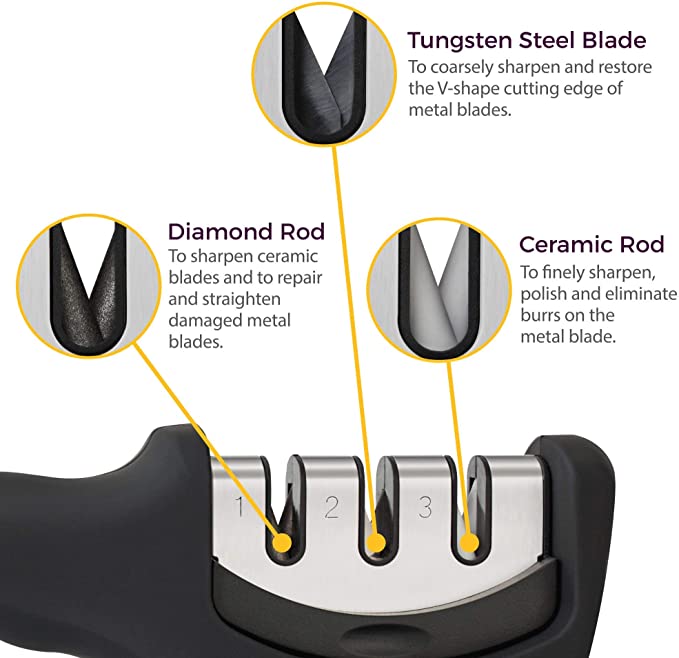
A coarse sharpener removes more metal from the knife edge. It is made for knives that are very dull, damaged, or shaped at the wrong angle.
A fine sharpener removes much less metal. It smooths the edge, removes tiny burrs, and improves the final level of sharpness. Think of coarse sharpening as shaping wood with rough sandpaper, while fine sharpening is like polishing it with smooth paper.
The phrase knife sharpener coarse or fine refers to the grit or surface texture of the sharpening material. Lower grit numbers are coarse. Higher grit numbers are fine.
Common grit ranges include:
• Coarse grit: About 100 to 400 grit
• Medium grit: About 600 to 1,000 grit
• Fine grit: About 2,000 grit and higher
• Polishing grit: About 6,000 to 10,000 grit or more
These numbers can vary between brands and sharpening systems. A “fine” setting on one electric sharpener may not match the finish of a fine whetstone.
A coarse abrasive can restore an edge quickly, but it can also remove too much metal if used too often. A fine abrasive is safer for regular touch-ups, but it cannot fix a badly damaged or completely blunt edge as quickly.
When Should You Use a Coarse Knife Sharpener?
Use a coarse sharpener when the knife is very dull or has visible damage. If the blade will not slice paper, struggles to cut a tomato skin, or feels smooth when you lightly test it against a thumbnail, it may need coarse sharpening.
Coarse sharpening is also useful when:
• The edge has small chips or flat spots
• The knife has lost its original bevel
• You need to create a new edge angle
• The blade has been neglected for a long time
• A fine sharpener does not improve the cutting performance
A coarse setting works by grinding away enough steel to form a fresh edge. This process may take only a few passes with an electric sharpener or many strokes with a coarse stone.
When I sharpen a badly neglected chef’s knife, I first inspect the edge under bright light. Shiny spots often show where the edge has become flat. These areas usually need coarse work before a fine abrasive can help.
Still, coarse sharpening should not become a daily habit. Every pass removes metal, and excessive grinding can shorten the life of the knife.
Signs Your Knife Needs Coarse Sharpening
A knife may need a coarse sharpener if:
• It crushes food instead of slicing it
• It slips on onion or tomato skin
• It has visible nicks along the cutting edge
• It feels uneven from heel to tip
• It has not been sharpened for several months or years
Some damage needs professional repair. Large chips, bent tips, and deeply rusted edges can require specialized tools and more control than a home sharpener provides.

When Should You Use a Fine Knife Sharpener?
Use a fine sharpener when the knife is already fairly sharp but needs a quick refresh. Fine sharpening refines the edge instead of rebuilding it.
A fine sharpener is ideal for:
• Weekly or monthly maintenance
• Removing a small burr after coarse sharpening
• Smoothing a slightly rough edge
• Polishing a clean, consistent bevel
• Improving the feel of a knife that still cuts but feels less smooth
Fine sharpening is gentle, but it still requires care. Pressing too hard can damage the edge or create a new burr. Use light pressure and let the abrasive do the work.
In my own kitchen routine, I use a fine ceramic rod for light maintenance. A few controlled strokes can restore a knife before it becomes truly dull. This simple habit reduces the need for aggressive coarse sharpening.
A fine finish may create a very smooth edge, but the sharpest-looking edge is not always the most useful edge. A chef’s knife often benefits from a fine but slightly toothy finish because it can grip tomato skin and other soft foods.
The best answer to knife sharpener coarse or fine often depends on the food you cut. A polished edge can feel excellent on delicate herbs, while a slightly toothy edge may work better for bread, tomatoes, and cooked meat.

Coarse vs. Fine Knife Sharpener: Key Differences
The main difference is how much material each setting removes and what type of result it creates.
| Feature | Coarse sharpener | Fine sharpener |
|---|---|---|
| Main purpose | Repairs and reshapes the edge | Refines and polishes the edge |
| Metal removal | High | Low |
| Best for | Very dull or damaged knives | Sharp knives needing maintenance |
| Edge feel | More aggressive and toothy | Smoother and more refined |
| Risk | Over-sharpening and metal loss | Less effective on badly dull edges |
| Frequency | Used occasionally | Used more often |
Coarse and fine stages often work best together. A coarse stage forms the edge, a medium stage smooths it, and a fine stage polishes it.
However, not every knife needs all three stages. If a knife is only slightly dull, starting with a coarse sharpener wastes steel. Try a fine stage first, then test the blade.
The knife sharpener coarse or fine decision should always begin with a simple question: “Is this knife damaged, dull, or only slightly tired?” That answer usually tells you where to start.
How to Choose the Right Sharpener Type
Different sharpeners use different materials and methods. The coarse or fine label matters, but the tool’s design matters too.
Whetstones
Whetstones give you the most control. You can choose a coarse stone for repair and a fine stone for finishing.
They also require practice. You must hold the blade at a steady angle and use even strokes. Most kitchen knives use an angle between about 15 and 20 degrees per side, but the correct angle depends on the knife design.
Pull-Through Sharpeners
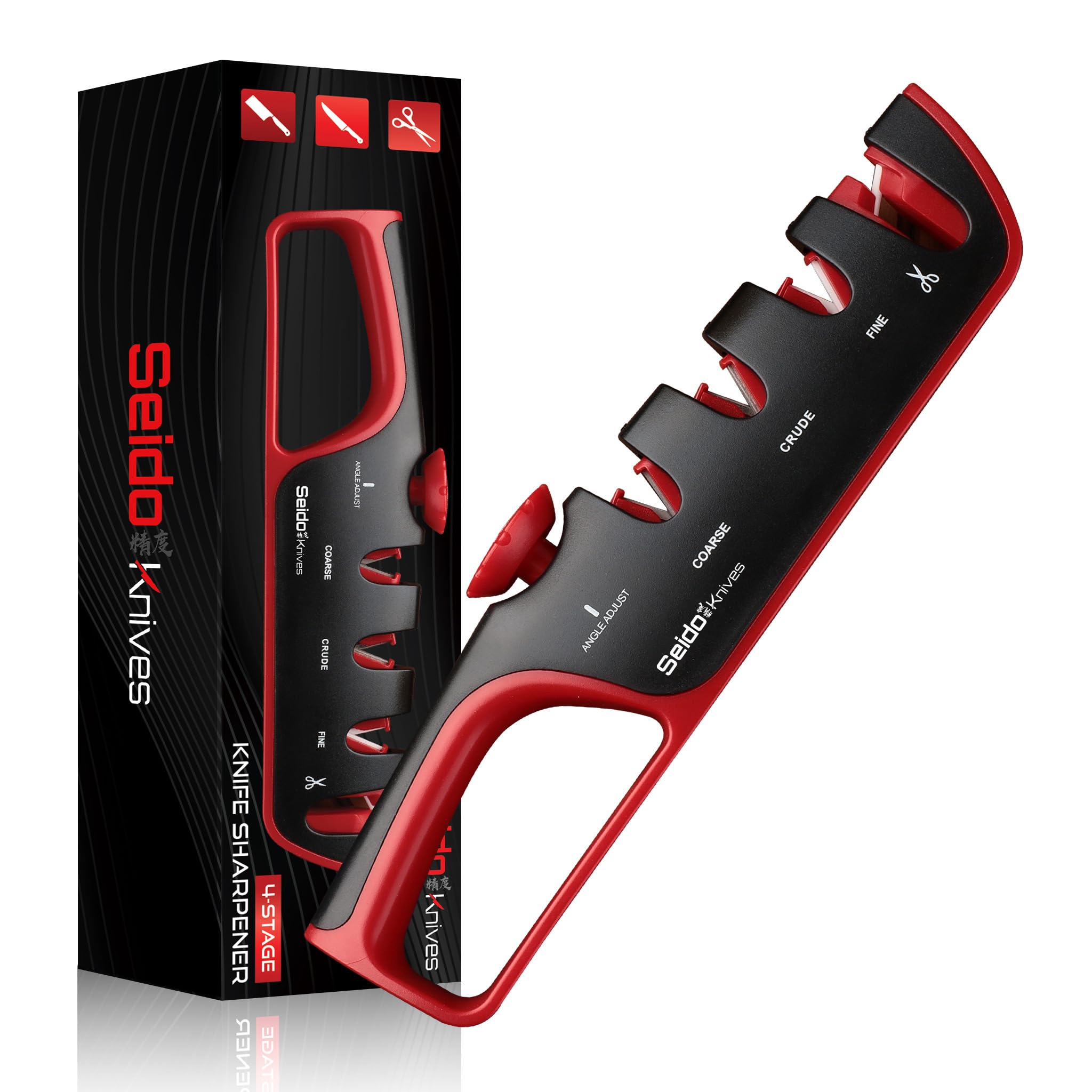
Pull-through sharpeners are simple and fast. Many have separate coarse and fine slots.
The coarse slot repairs dull edges, while the fine slot finishes them. These sharpeners are convenient, but some models remove more metal than needed. Use light pressure and follow the manufacturer’s instructions.
Electric Sharpeners
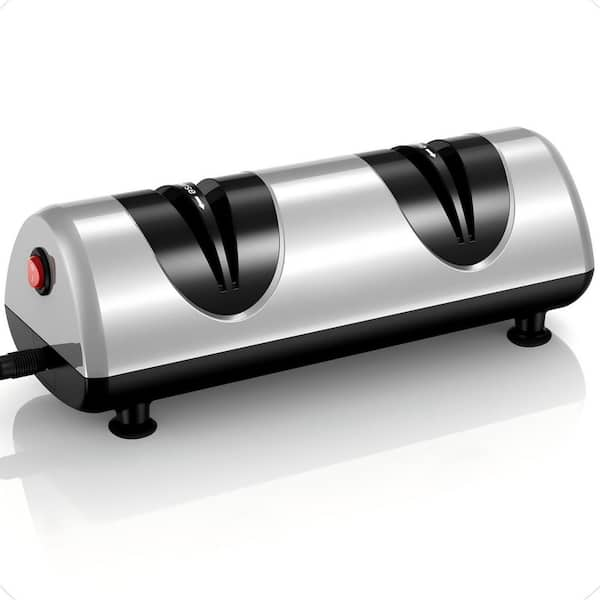
Electric sharpeners use motorized abrasive wheels or belts. They can sharpen quickly and often guide the blade at a fixed angle.
They are useful for busy kitchens, but careless use can grind the edge unevenly. Do not push the blade into the slot. Let the machine guide the work.
Honing Rods and Ceramic Rods
A traditional steel honing rod does not usually remove much metal. It mainly realigns a slightly bent edge.
A ceramic rod is more abrasive. It can act like a fine sharpener and remove a small amount of steel. It is useful for maintenance but may not repair a badly dull knife.
Diamond Sharpeners
Diamond surfaces cut steel quickly. A coarse diamond plate can repair an edge fast, while a fine diamond plate can refine it.
Because diamond abrasives are aggressive, use gentle pressure. Too much force can create deep scratches and remove more metal than necessary.
The best knife sharpener coarse or fine setup is often a combination of tools. For many home cooks, a medium or fine ceramic tool plus occasional professional sharpening is enough.

A Simple Sharpening Process
Follow these steps when using a sharpener with coarse and fine settings.
-
Clean and dry the knife. A clean blade gives you better control and prevents food residue from affecting the abrasive.
-
Inspect the edge. Look for chips, flat spots, bends, or uneven areas.
-
Start with the least aggressive setting. Try fine sharpening first if the knife still cuts but feels dull.
-
Use coarse sharpening only when needed. Make a few controlled passes rather than many forceful passes.
-
Move to a medium or fine stage. This removes the burr and smooths the new edge.
-
Keep the angle steady. Changing angles during each stroke can create an uneven bevel.
-
Use light pressure. Heavy pressure can bend the edge and remove too much steel.
-
Test the knife safely. Slice a piece of paper or a soft food item. Never test sharpness by running your finger along the edge.
-
Clean the blade. Wipe away metal particles before using the knife with food.
A burr is a tiny strip of metal that forms along the opposite side of the edge during sharpening. You may feel it by gently sliding a fingertip from the spine toward the edge, but never slide a finger along the cutting edge.
When using a whetstone, keep the stone wet if it is designed for water. Some stones need oil, while diamond plates may need only a small amount of water. Always follow the tool’s care instructions.

Common Mistakes to Avoid
Many sharpening problems come from using the right tool in the wrong way. The most common mistake is choosing coarse sharpening for every dull knife.
Avoid these errors:
• Using a coarse setting for routine maintenance
• Pressing too hard on the blade
• Changing the sharpening angle from stroke to stroke
• Sharpening one side far more than the other
• Skipping the fine finishing stage
• Using a damaged or loose pull-through sharpener
• Sharpening a serrated knife with a flat sharpener
• Testing sharpness with your finger
• Ignoring the knife maker’s angle instructions
I once overused a coarse pull-through sharpener on an inexpensive paring knife. It became sharp, but the edge was uneven and much narrower than before. The lesson was simple: fast sharpening is not always good sharpening.
Another common mistake is stopping as soon as the knife feels sharp on one side. A knife needs a balanced edge. If you do not remove the burr, it may fold during the first few cuts.
Do not use a standard coarse or fine sharpener on serrated knives unless the tool is designed for them. Serrated edges need a tapered rod or a special sharpening system that follows the shape of each tooth.

How Often Should You Sharpen a Knife?
Sharpening frequency depends on how often you cook, what you cut, and the type of cutting board you use.
A home cook may need light fine sharpening every few weeks. A busy restaurant kitchen may need daily maintenance. Coarse sharpening should happen only when the edge is truly dull or damaged.
You can extend edge life by following these habits:
• Use wood, soft plastic, or composite cutting boards
• Avoid glass, stone, and ceramic boards
• Do not cut through bones unless the knife is designed for it
• Store knives in a block, sheath, or magnetic strip
• Hand wash and dry knives soon after use
• Avoid tossing knives into a crowded drawer
Hard cutting surfaces can damage an edge faster than normal food prep. A sharp knife can also become dull when it hits another utensil in a drawer.
Regular fine maintenance is like brushing your teeth. It takes little time and prevents a larger problem later. Coarse sharpening is more like dental repair: useful when needed, but not something you want every day.

Knife Sharpener Coarse or Fine for Different Knives
The ideal setting changes with the knife’s purpose and steel.
Chef’s Knives
A chef’s knife often benefits from a medium-to-fine finish. Use coarse sharpening only when the edge is very dull or damaged.
Paring Knives
Paring knives usually need careful, light sharpening because their blades are narrow. A fine sharpener is often the safer choice for regular care.
Japanese Knives
Many Japanese knives use harder steel and thinner edges. They often respond well to whetstones and light pressure. Check the maker’s instructions before using a pull-through sharpener.
German Knives
German knives often have a thicker edge and may handle regular sharpening well. A medium stone or fine sharpening stage can create a strong, practical edge.
Pocket Knives
Pocket knives vary widely. A coarse diamond plate may help with a badly dull outdoor knife, while a fine stone works for routine maintenance.
Serrated Knives
Serrated knives need a tapered sharpener that fits each groove. A flat coarse or fine sharpener can damage the teeth instead of sharpening them.
The knife sharpener coarse or fine choice should match both the blade’s condition and its construction. When uncertain, use less pressure and a finer abrasive first.
Expert Tips for a Better Edge
A few small changes can greatly improve your results.
First, use good lighting. A bright lamp helps you see flat spots, burrs, and uneven bevels. Second, slow down. Rushing often causes inconsistent angles and accidental damage.
Third, count your strokes. For example, try five light strokes on one side, then five on the other. Check the edge and repeat only if needed.
Fourth, clean your sharpening tool. Metal filings can build up on ceramic, diamond, and pull-through surfaces. Follow the manufacturer’s cleaning directions instead of using harsh chemicals.
Finally, remember that sharpness is not the only goal. A durable edge that performs well on your usual foods is better than a delicate edge that loses its bite after a few cuts.
Industry guidance commonly emphasizes controlled angles, safe handling, and avoiding excessive metal removal. These principles apply whether you use a whetstone, electric sharpener, ceramic rod, or pull-through tool.
Frequently Asked Questions About Knife Sharpener Coarse or Fine
Is coarse or fine better for sharpening a knife?
Neither setting is always better. Coarse is best for very dull or damaged knives, while fine is best for polishing and routine maintenance.
Can I use a fine sharpener on a dull knife?
You can use a fine sharpener on a mildly dull knife. However, a fine setting may take too long or fail to repair an edge with chips, flat spots, or major damage.
How many times should I use a coarse knife sharpener?
Use a coarse sharpener only until a consistent edge and small burr form, then stop. The exact number of passes depends on the sharpener, blade steel, angle, and level of dullness.
Should I use coarse and fine sharpeners together?
Often, yes. Coarse sharpening creates the edge, and fine sharpening smooths and refines it, but a slightly dull knife may need only the fine stage.
Can coarse sharpening ruin a knife?
It can shorten the knife’s life if used too often or with heavy pressure. Coarse abrasives remove more steel, so use them only for genuine repair work.
What grit is considered fine for a knife sharpener?
Fine grit often starts around 2,000 grit, but definitions vary by tool type. For polishing, many sharpeners use 6,000 grit or higher.
Is a honing rod the same as a fine sharpener?
Not always. A steel honing rod mainly realigns an edge, while a ceramic rod removes a small amount of metal and acts more like a fine sharpener.
Conclusion
The choice between knife sharpener coarse or fine becomes simple when you inspect the blade first. Use coarse sharpening for serious dullness, chips, and reshaping. Use fine sharpening for light maintenance, burr removal, and a smoother final edge.
Start with the least aggressive setting that can solve the problem. Use light pressure, keep the angle steady, and finish carefully. With a little practice, your knives can stay safer, sharper, and more enjoyable to use. Try these steps on one knife this week, and share your sharpening experience or questions in the comments.