
Most ice makers do not need a water filter, but filtered water makes cleaner, better-tasting ice.
Does an ice maker need a water filter? The answer depends on the appliance, your water supply, and the type of ice maker you use. A filter can reduce chlorine, odors, sediment, and some unwanted minerals, but it cannot fix every water problem. This guide explains when a filter is needed, when it is optional, and how to choose and maintain one safely.
Does an Ice Maker Need a Water Filter?
An ice maker can usually make ice without a water filter if it connects to a safe, clean water source. Many built-in refrigerator ice makers work with unfiltered tap water. Portable ice makers often use water from a removable tank and may not include a built-in filter at all.
Still, water quality affects the ice. If your tap water tastes bad, smells like chlorine, or leaves white scale on faucets, those issues may show up in your ice, too. Ice does not hide water problems. It freezes them in place.
Does an ice maker need a water filter in every home? No. A filter is most useful when your water has taste, odor, sediment, or mineral concerns. It is also helpful when the ice will go into drinks and you want a cleaner, fresher taste.
When an Ice Maker Should Use a Water Filter
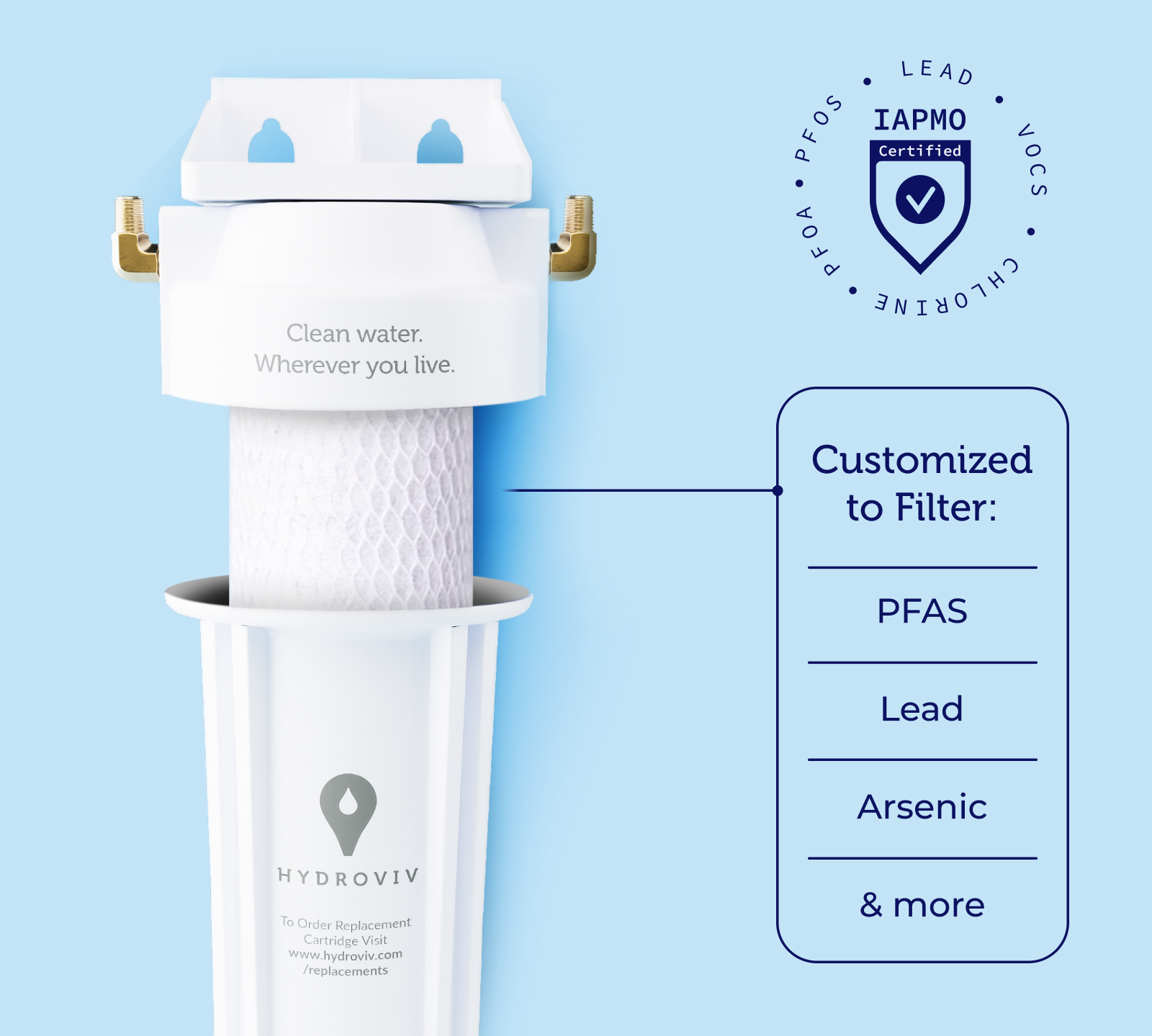
A filter is a smart choice when your water supply has clear quality issues. You may notice these problems in your glass, kettle, coffee maker, or ice bucket.
Consider using a filter if:
• Your tap water smells or tastes like chlorine.
• Your water looks cloudy or contains visible particles.
• Your ice has an odd taste or odor.
• White flakes or scale build up inside the ice maker.
• Your home uses well water with sediment or mineral content.
• Your local water report shows contaminants that a certified filter can reduce.
• You have older plumbing that may add rust or sediment.
A filter can improve taste and reduce some particles, but it does not make unsafe water safe by itself. If you suspect bacteria, lead, pesticides, or other serious contamination, test the water and follow local health guidance. Choose a filter certified for the specific issue.
Does an ice maker need a water filter when the water is unsafe? A normal refrigerator filter is not a replacement for water treatment or boiling advice. Safety comes first.
When a Water Filter Is Optional
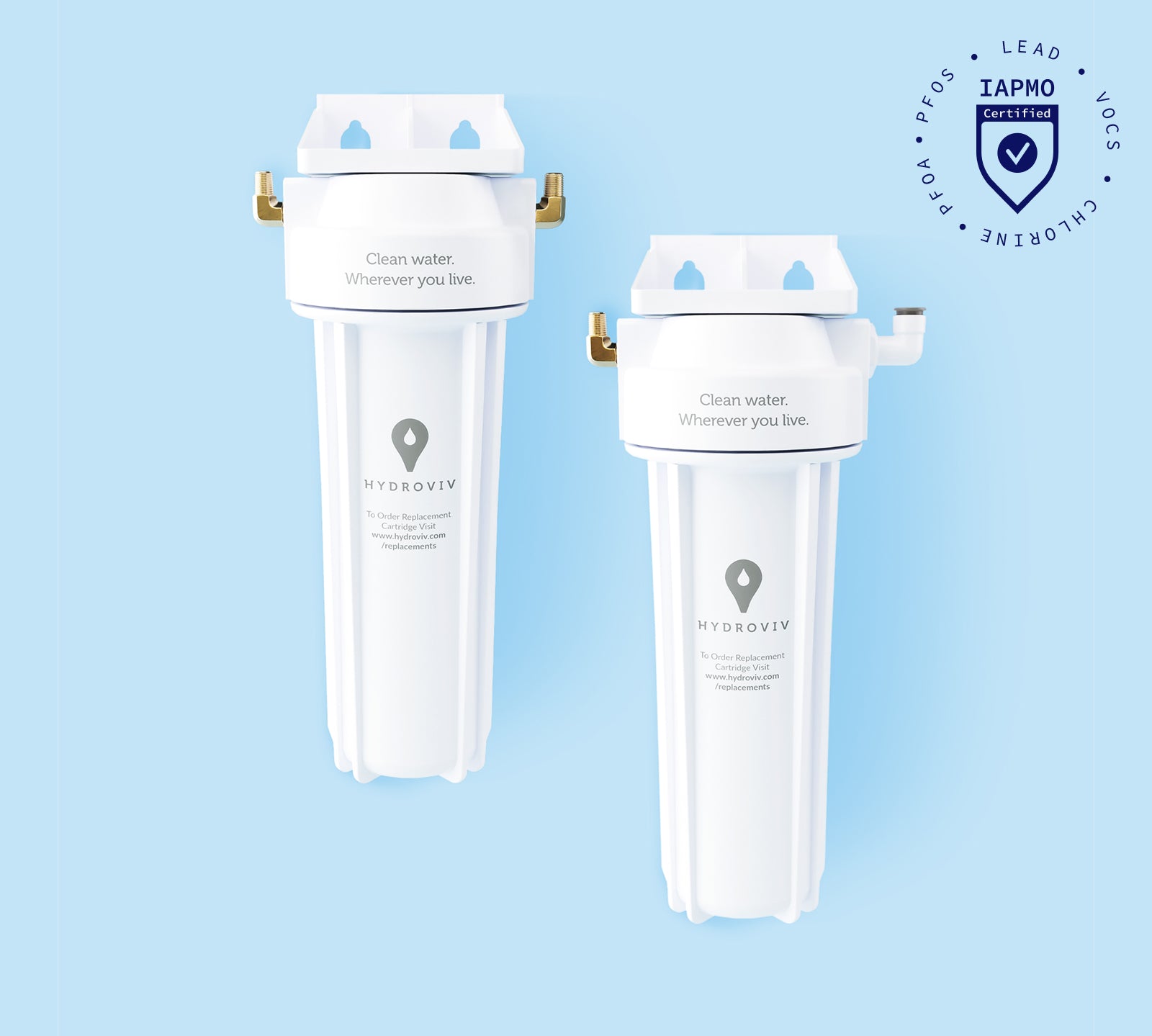
A filter may be optional when your home receives treated city water and the tap water already tastes good. It is also less important for ice used only to cool food or fill a cooler.
Some homes have excellent water from a municipal supply. In that case, a filter may mainly improve taste. You may not notice a large difference, especially if you rarely use ice in drinks.
A portable ice maker may also work well without a filter if you fill it with clean, cold water. Many portable models do not connect to a water line. You pour water into the tank, and the machine freezes it in a small tray.
Even when a filter is optional, clean water still matters. A filter cannot replace regular cleaning, and unfiltered water can still leave mineral deposits inside the machine.
Benefits of Using a Filter With an Ice Maker
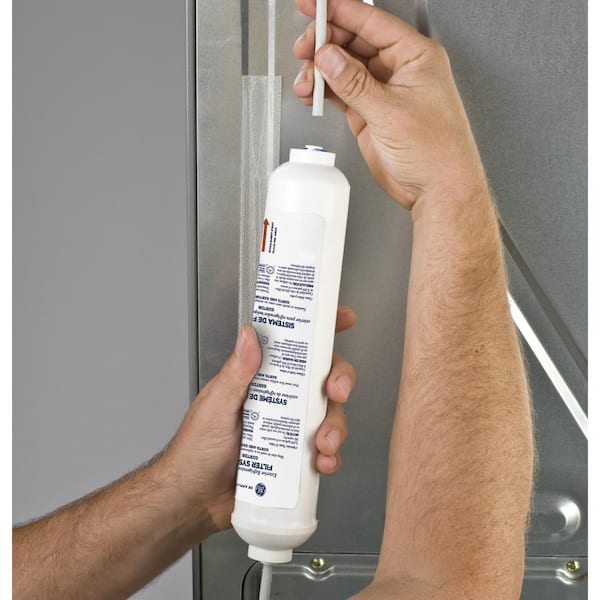
A water filter can offer several practical benefits. The size of the benefit depends on your water and the filter design.
Better taste and odor
Carbon filters can reduce chlorine taste and some odors. This can make ice taste more like clean water instead of a swimming pool.
This matters most when you use ice in soda, lemonade, iced tea, or cocktails. In a cold drink, poor-tasting ice can affect the whole flavor.
Less sediment
Some filters trap sand, rust, dirt, and other larger particles. This can help keep the ice mold and water line cleaner.
Sediment is more common in well water and older plumbing. It may appear as tiny flakes in the ice or as grit in the water reservoir.
Reduced mineral scale
Hard water contains minerals such as calcium and magnesium. These minerals are not usually dangerous at normal levels, but they can form scale.
Scale may collect on water inlets, sensors, trays, and internal surfaces. A filter can reduce some minerals, but standard carbon filters are not designed to soften hard water. A true water softener or reverse osmosis system may be needed for major hardness problems.
Longer appliance life
Less sediment and scale may reduce stress on water valves and other parts. This does not guarantee a longer ice maker life, but clean water and regular care can lower the chance of clogs.
In appliance service work, a clogged inlet screen is a common and easy-to-miss problem. People often replace the ice maker when the real issue is poor water flow.
Limitations of Ice Maker Water Filters
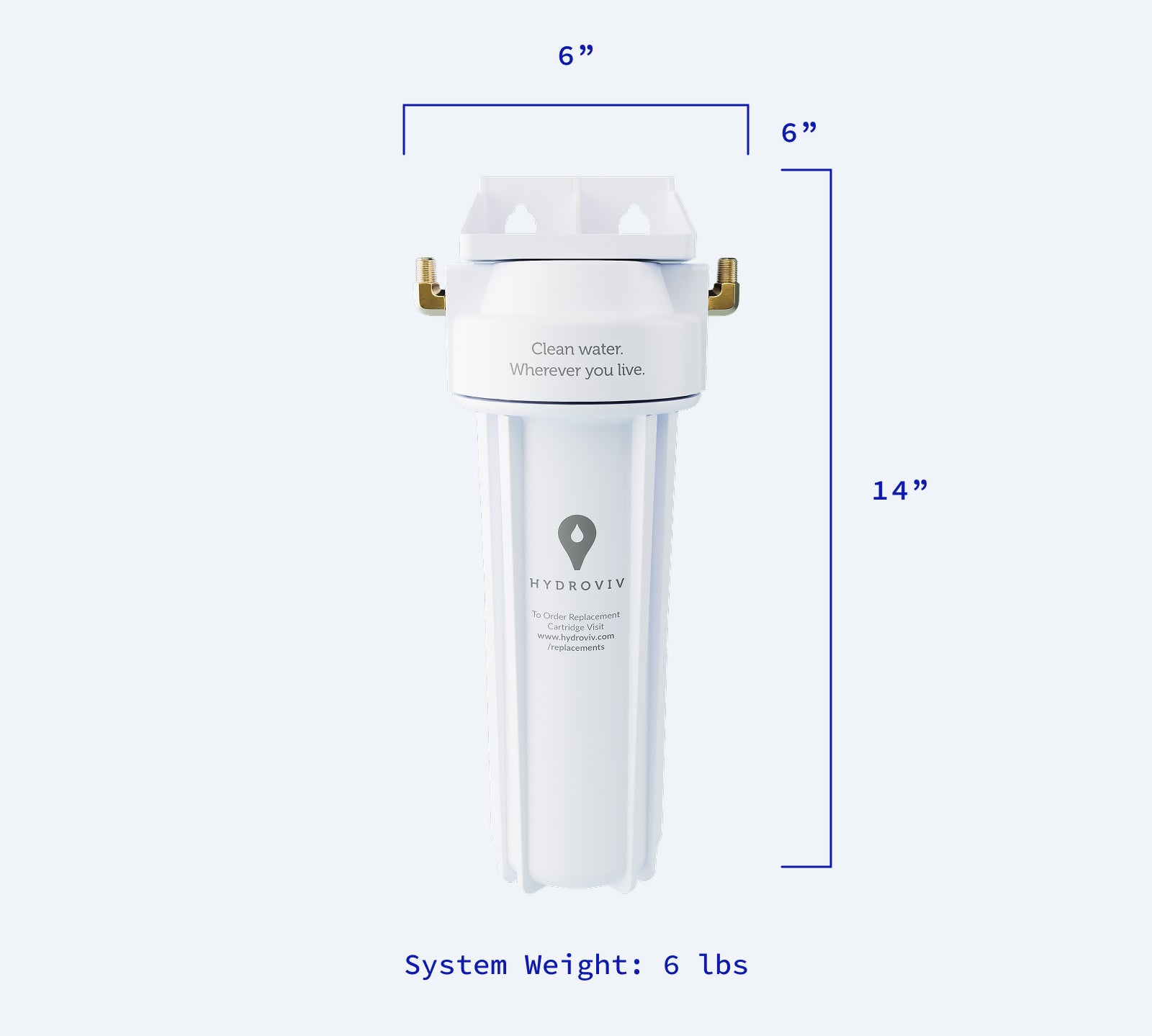
Water filters are useful, but they are not magic. A filter only removes what it is designed to reduce.
Most refrigerator filters use activated carbon and other filter media. Depending on the model and certification, they may reduce chlorine, taste, odor, sediment, lead, cysts, or certain chemicals.
A filter may not remove:
• Every bacteria or virus
• All dissolved minerals
• High levels of salt
• Every pesticide or chemical
• Hard water minerals in large amounts
• Contaminants not listed on the filter label
Look for an independent certification that matches your need. For example, standards for chlorine, lead, cyst reduction, and reverse osmosis are not all the same. Read the performance data sheet instead of choosing a filter based only on a brand name.
Does an ice maker need a water filter that removes everything? No. The best filter is the one that matches your water problem.
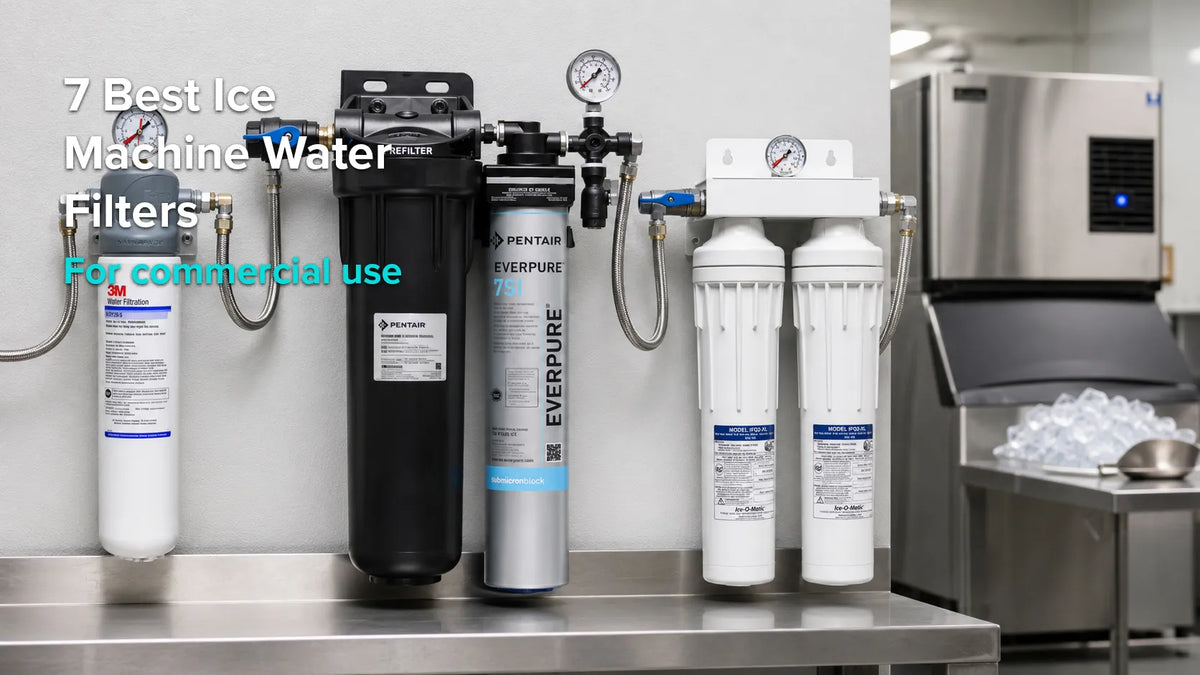
How to Choose the Right Water Filter
Choosing the correct filter starts with the water source and the ice maker design.
Check the appliance manual
The manual may list an approved filter, filter number, flow rate, or pressure range. Using the wrong filter can cause leaks, slow filling, or poor ice production.
Some refrigerators use a filter inside the fresh food compartment. Others use an external inline filter behind the appliance. Portable ice makers may use no replaceable filter at all.
Test your water
A basic water test can show hardness, pH, chlorine, iron, and other common concerns. If you use well water, regular testing is especially important.
For serious concerns, use a certified laboratory. Cheap home strips can be useful for basic clues, but they do not provide a complete safety report.
Match the filter to the problem
Choose a filter based on its certified purpose.
• Use a carbon filter for chlorine taste and odor.
• Use a sediment filter for visible particles.
• Use a lead-rated filter if lead is a concern.
• Use reverse osmosis when you need broader reduction of dissolved solids.
• Use a water softener for whole-home hard water control.
A filter made for taste may not reduce lead. A sediment filter may not reduce chlorine. Read the label carefully.
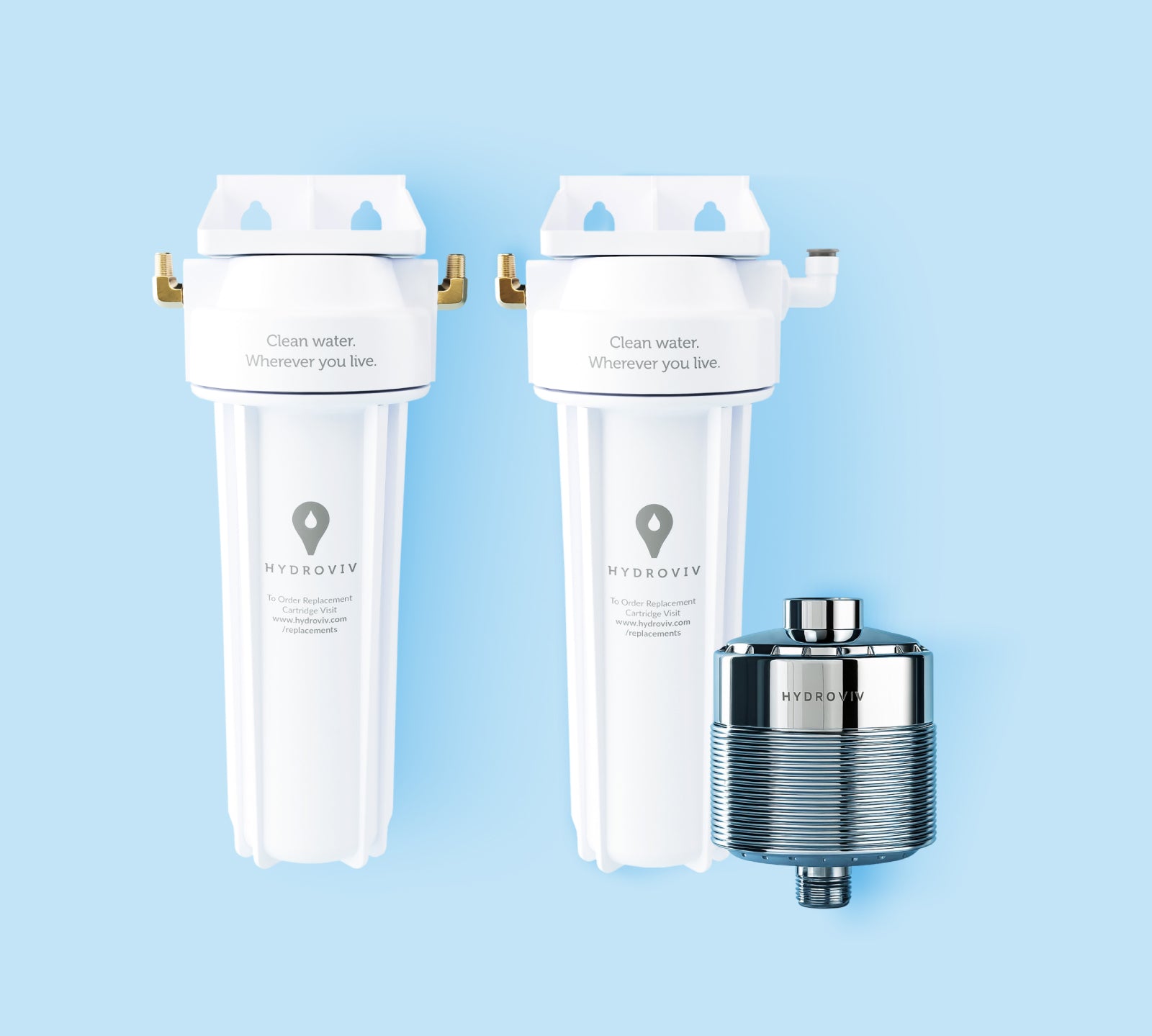
Refrigerator Ice Maker Filters
Many refrigerators with built-in ice makers have a water filter that serves both the dispenser and the ice maker. In these systems, the same filtered water usually supplies both outlets.
Replace the filter at the interval listed by the manufacturer. Many brands suggest about six months, but the actual time depends on water use and water quality.
Change the filter sooner if:
• Water flow becomes slow.
• Ice production drops.
• The water or ice tastes strange.
• The filter reaches its rated capacity.
• Your home experiences a water line repair or plumbing work.
After installing a new filter, flush the recommended amount of water through the dispenser. This removes carbon dust and trapped air. Throw away the first few batches of ice if the manual recommends it.
Does an ice maker need a water filter if the refrigerator has a bypass plug? It can often operate with the bypass plug, but the water will not receive the filter’s treatment. Some models also require the bypass plug for proper water flow.
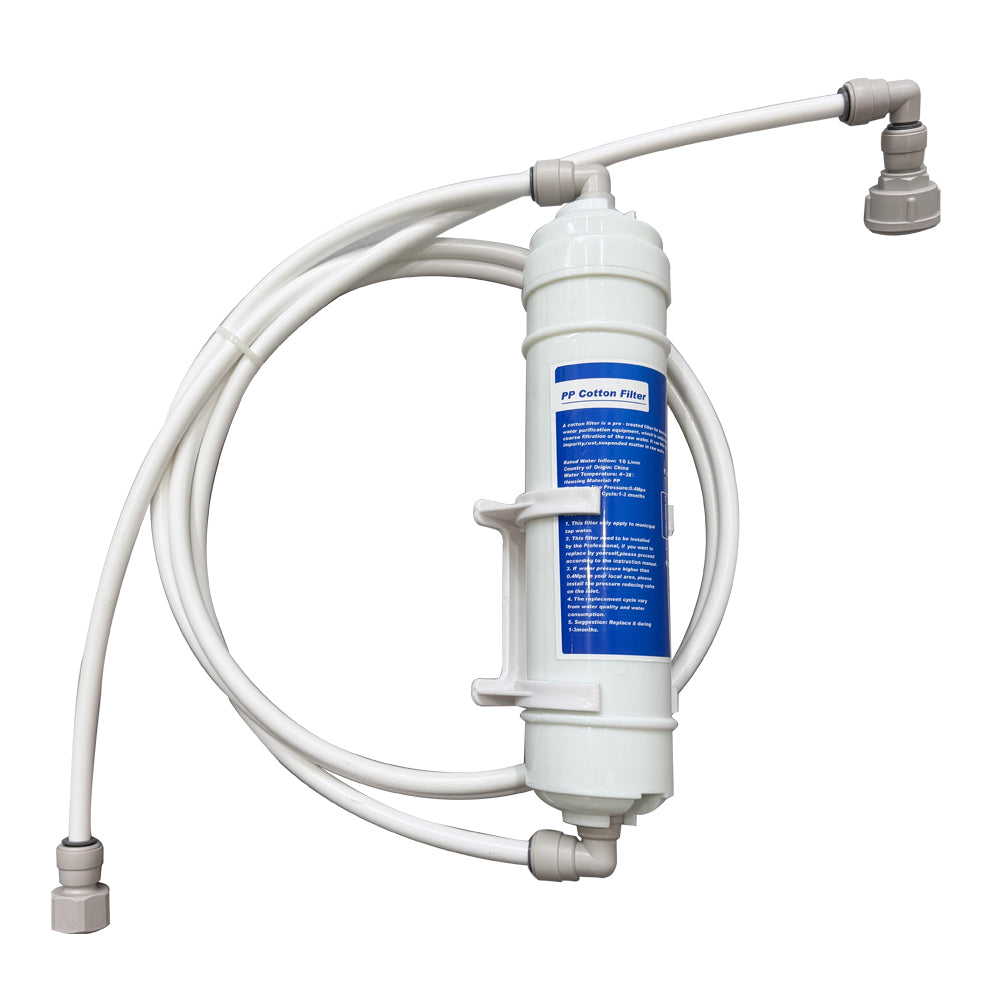
Portable Ice Maker Filters
Portable ice makers are different from refrigerator ice makers. Most use a tank that you fill by hand. Many have a small screen, but that screen is not always a true drinking water filter.
Use clean, cold water from a safe source. Do not assume that a small mesh screen removes chemicals or harmful germs.
Helpful habits include:
• Empty the tank when the machine will not be used for several days.
• Rinse the tank after each use.
• Wipe away slime or residue as soon as you see it.
• Descale the machine as directed.
• Avoid leaving old water inside overnight.
Portable machines can develop a musty smell because warm water sits in the tank. A filter may help with taste, but cleaning is the main defense.
Does Filtered Water Make More Ice?
A filter does not usually make an ice maker freeze water faster. Ice production depends more on room temperature, water temperature, airflow, refrigerant performance, and the machine’s design.
However, a clogged or old filter can reduce water flow. The ice maker may fill slowly or not fill fully. This can lead to smaller cubes and fewer batches.
A new filter may restore normal production if the old one was blocked. If ice production remains low, inspect the water line, inlet valve, temperature setting, condenser area, and ice bin.
One common mistake is changing the filter when the water line is kinked. Always check the simple causes first.
How Often Should You Replace an Ice Maker Filter?
Replace the filter according to the manufacturer’s instructions. Many refrigerator filters last around six months, but a busy household may use one sooner.
Filter life depends on:
• The amount of water used
• Sediment in the supply
• Water hardness
• The filter’s capacity
• The age and condition of the plumbing
Do not wait for a bad smell before replacing the filter. Some filters become restricted before the water tastes different.
Mark the replacement date on the filter or set a phone reminder. This small habit prevents forgotten filters from sitting in the appliance for too long.
How to Clean an Ice Maker With or Without a Filter
A filter does not remove the need to clean an ice maker. Ice makers contact water, air, hands, and surrounding surfaces. Over time, they can collect scale, dust, and biofilm.
Follow the appliance manual first. General steps include:
-
Turn off or unplug the ice maker if the manual allows it.
-
Remove the ice and empty the water reservoir.
-
Wash removable parts with mild dish soap and warm water.
-
Use the approved ice maker cleaner for mineral scale.
-
Rinse all parts well.
-
Wipe the inside with a clean, soft cloth.
-
Reassemble the machine and run the recommended cleaning cycle.
-
Discard the first batch of ice after cleaning.
Avoid bleach unless the manufacturer specifically approves it. Never mix bleach with vinegar, acids, or other cleaners. Chemical fumes and residue can be dangerous.
A clean filter and a dirty ice maker still make poor ice. Think of the filter as a guard at the door, not a housekeeper inside the machine.
Common Mistakes to Avoid
Many ice maker problems come from small maintenance errors.
• Replacing the filter with an incompatible model can restrict flow or cause leaks.
• Forgetting to flush a new carbon filter can leave black specks or a strange taste.
• Using a filter past its rated life can reduce water flow.
• Treating a small mesh screen as a complete water purifier can create false confidence.
• Leaving water in a portable ice maker for long periods can cause odor and buildup.
• Ignoring hard water scale can damage sensors and water paths.
• Using hot water can affect taste and may harm some parts.
• Installing a filter backward can stop water flow.
When I review an ice maker problem, I start with water quality, filter condition, flow, and cleaning. These checks often solve the issue before expensive parts are needed.
Signs Your Ice Maker Needs Better Water Treatment
Your ice maker may benefit from improved water treatment if you notice repeated symptoms.
Watch for:
• Ice that tastes like chlorine or metal
• A strong smell from the ice bin
• White flakes in the ice
• Gray or cloudy ice
• Slow water flow
• Frequent scale buildup
• A clogged inlet screen
• A water report showing a concern
Cloudy ice is not always caused by dirty water. It can result from trapped air, fast freezing, or the design of the ice maker. Clear ice is not proof that water is free from contaminants either.
If the ice suddenly changes after plumbing work, flush the line and replace the filter if needed. Contact a qualified plumber or water treatment professional when the problem continues.
Frequently Asked Questions About Does an Ice Maker Need a Water Filter
Does an ice maker work without a water filter?
Yes, most ice makers can work without a water filter when connected to a safe water supply. The ice may have a different taste, and minerals may build up faster.
Is filtered water better for an ice maker?
Filtered water can improve taste and reduce chlorine, sediment, and some other substances. It may also reduce mineral buildup, depending on the filter type.
Can I use bottled water in a portable ice maker?
Yes, you can usually use bottled water if the manufacturer allows it. Choose plain drinking water and avoid carbonated, flavored, or mineral-heavy water.
How often should I change an ice maker water filter?
Many filters should be changed about every six months. Replace one sooner if water flow drops, taste changes, or the filter reaches its rated capacity.
Does a water filter remove hard water from an ice maker?
A standard carbon filter usually does not remove most hard water minerals. A water softener or reverse osmosis system may work better for severe hardness.
Why does my ice taste bad after changing the filter?
New carbon filters can release harmless carbon dust or trapped air at first. Flush the filter and discard the first ice batches as directed in the appliance manual.
Conclusion
Does an ice maker need a water filter? Usually, no, as long as it receives safe and pleasant-tasting water. However, a properly matched filter can improve ice flavor, reduce sediment, and help limit buildup in the water system.
Check your water quality, follow the ice maker manual, replace filters on time, and clean the machine regularly. If you are unsure, start with a water test and choose a certified filter for the problem you actually have. Share your experience or explore more appliance care guides to keep every batch of ice fresh and clean.