
Yes, an ice maker will usually work without a filter, but water quality and taste may suffer.
If you are wondering, “will an ice maker work without a filter,” the answer depends on your refrigerator, water supply, and ice maker design. Most standard ice makers can still freeze water without a filter, but unfiltered water may leave odors, cloudy ice, mineral buildup, or unsafe contaminants. This guide explains when it is safe, what can go wrong, and how to protect your appliance and your family.
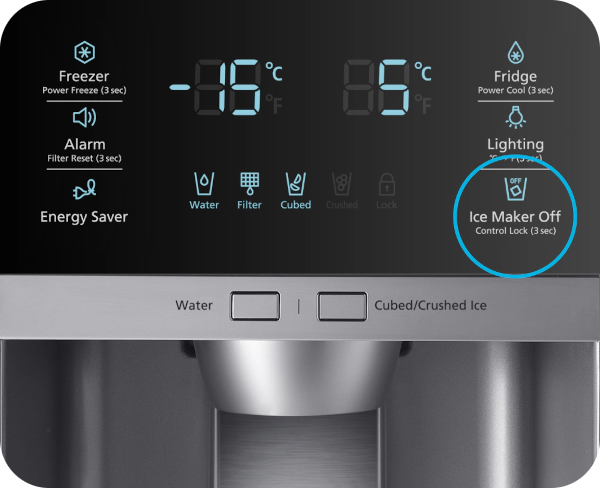
Will an ice maker work without a filter?
In most cases, an ice maker will work without a filter. The filter cleans the water before it reaches the ice maker, but it does not usually create the water pressure or freezing action needed to make ice.
Many refrigerators have a filter bypass plug. This plug allows water to flow through the system without passing through the filter. Some models do not need a bypass plug, while others will not dispense water or make ice unless the bypass is installed.
The exact setup depends on the refrigerator brand and model. Always check the owner’s manual before removing the filter. A manufacturer may require a bypass cap to keep the water system sealed.
When people ask, “will an ice maker work without a filter,” they often mean whether the ice maker will continue to produce ice. Usually, yes. The bigger question is whether the water is clean and suitable for drinking.

How an ice maker works without a filter
An automatic ice maker uses a simple process. A water valve opens and fills a small ice mold. The mold becomes cold, the water freezes, and a heating element helps release the ice cubes into the storage bin.
The water filter is not part of the freezing process. It is a treatment step placed before the water reaches the mold. Removing the filter does not normally stop the ice maker from freezing water.
However, the filter can affect water flow. A clogged filter may reduce pressure and cause small cubes, slow filling, or no ice at all. In that case, removing the old filter may seem to fix the problem, but the system may need a new filter or a proper bypass plug.
Here is the basic process:
- The water line supplies water to the refrigerator.
- The filter removes some particles, odors, and contaminants.
- The water valve sends water to the ice maker.
- The ice mold freezes the water.
- The ice maker releases the cubes into the bin.
Without a filter, the first step and the last three steps can still work. The main change is that the water reaches the ice maker with less treatment.
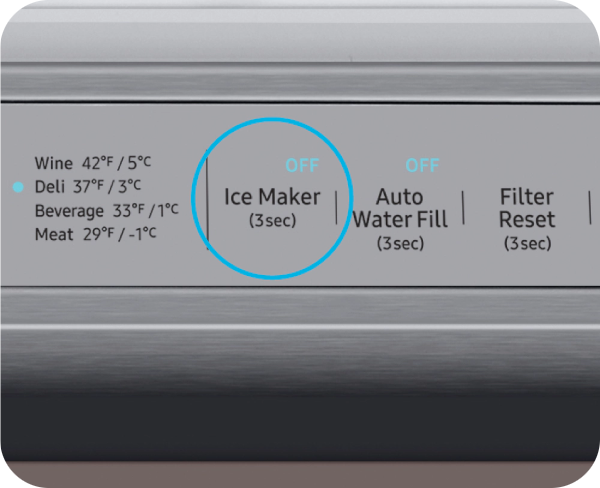
What happens when you remove the ice maker filter?
Removing the filter may produce different results based on the refrigerator design. Some units continue to work normally. Others may stop dispensing water or making ice because the filter housing needs a bypass cap.
You may also notice changes in ice quality. Unfiltered water can contain chlorine, sediment, minerals, or other substances that affect taste and smell. Ice can absorb odors because it sits in the freezer near foods such as onions, fish, and leftovers.
Possible changes include:
• The ice may taste like tap water.
• The ice may have a chlorine smell.
• The cubes may look cloudy.
• Sediment may collect in the ice mold.
• The water dispenser may have lower flow.
• Mineral deposits may build up inside water parts.
A filter does not remove every possible contaminant. Its performance depends on its certification, age, and design. A certified filter can reduce specific substances, but it cannot make every water source safe.
Is it safe to use an ice maker without a filter?
An ice maker without a filter can be safe if your home has clean, treated tap water. In many US homes, municipal water is tested and treated before it reaches the household. Still, water quality can vary by city, plumbing system, and building age.
A filter is especially useful when your water has a strong taste, visible particles, or a known contamination concern. It may also help reduce substances such as chlorine, lead, and certain chemicals, depending on the filter’s certification.
Do not assume that an ice maker filter removes everything. Read the label and check which contaminants the filter is designed to reduce. If you use private well water, test it regularly because well quality can change after floods, repairs, or seasonal shifts.
Be more careful if:
• Your water has a strange color, odor, or taste.
• Your home has old plumbing.
• You use untreated well water.
• A local health notice warns against drinking the water.
• You see rust, sand, or other particles.
• Someone in your home has a weakened immune system.
When water safety is uncertain, use bottled or tested water until the issue is resolved. An ice maker filter is not a substitute for proper water testing or a certified treatment system.

Can an ice maker work without a filter on well water?
Yes, an ice maker can often make ice with well water, but that does not mean the water is safe or pleasant to drink. Well water may contain iron, sulfur, sediment, bacteria, or other minerals that affect ice quality and appliance parts.
Iron can create orange or brown stains. Sulfur can cause a rotten-egg smell. Hard water can leave scale inside the water valve, tubing, and ice mold.
If you use well water, consider these steps:
- Test the water through a certified laboratory.
- Check for bacteria, nitrates, minerals, and metals.
- Install treatment that matches the test results.
- Replace refrigerator filters on schedule.
- Clean the ice bin and ice maker regularly.
A standard refrigerator filter may improve taste and reduce some particles, but it may not solve a serious well-water problem. The right treatment could include sediment filtration, a softener, ultraviolet treatment, or another system.
What are the benefits of using an ice maker filter?
A refrigerator filter can improve more than taste. It can also help protect water system parts from some particles and reduce buildup, although the level of protection depends on the filter.
Common benefits include:
• Better taste and smell.
• Fewer visible particles.
• Reduced chlorine flavor.
• Less sediment in the ice mold.
• Lower risk of some contaminants, when the filter is certified for them.
• More appealing clear or clean-tasting ice.
Filtered water often makes ice taste fresher. This matters because ice does not hide poor water quality. In fact, cold temperatures can make strange tastes more noticeable as the ice melts in a drink.
A filter also gives you a regular maintenance schedule. Replacing it every six months is common, but the correct interval depends on the model, water use, and manufacturer guidance. Heavy use or poor water quality may require more frequent replacement.

What are the risks of running an ice maker without a filter?
The largest risk is not damage to the ice maker. It is using water that contains unwanted contaminants or tastes unpleasant. Ice is still food, so the water used to make it should meet drinking-water standards.
Mineral buildup is another concern. Hard water can leave scale on valves and narrow water passages. Over time, this may reduce water flow or make the ice maker fill slowly.
Unfiltered water may also cause:
• A bad taste in drinks.
• Cloudy or discolored ice.
• More frequent cleaning.
• Clogged screens or valves.
• Faster buildup in water tubing.
• Ice that absorbs odors from the freezer.
Most of these problems develop slowly. A short period without a filter will not usually destroy the appliance. Still, long-term use without proper water treatment can increase maintenance needs.
One practical lesson from refrigerator troubleshooting is to avoid using an old, exhausted filter just because it is installed. A clogged filter can restrict water flow. If the choice is between a severely clogged filter and a properly fitted bypass plug, the bypass may restore flow temporarily. But the water quality should be checked, and a new filter is usually the better long-term choice.
Can removing the filter damage the ice maker?
Removing the filter alone usually does not damage the ice maker. The concern is whether the refrigerator is designed to operate with a bypass plug or an installed filter.
If the filter housing is left open, water may leak or the system may not seal correctly. Never force a filter into place, and do not use a random cap that does not fit the refrigerator model.
A filter bypass plug may be needed because it:
• Seals the filter compartment.
• Keeps water moving through the correct path.
• Prevents leaks.
• Helps maintain normal water pressure.
• Allows the refrigerator to operate as designed.
Check the manual or the manufacturer’s parts guide for the correct bypass. Some refrigerators include one with the original appliance. Others require a separate part.
How to run an ice maker without a filter
If you need to operate the ice maker without a filter, follow these steps:
- Find the refrigerator model number.
- Read the section about water filters and bypass plugs.
- Remove the old filter carefully.
- Install the correct bypass plug if the manual requires one.
- Turn on the water supply.
- Check the filter area and water line for leaks.
- Discard the first few batches of ice.
- Taste and inspect the new ice.
- Clean the ice bin before regular use.
Discarding the first batches helps remove water that sat in the tubing. It also clears loose particles that may have entered the system during filter removal.
Do not keep ice that has a strange smell, unusual color, or unpleasant taste. Clean the bin with mild dish soap and warm water. Rinse it well and let it dry before replacing it.
If the ice maker does not work after the filter is removed, check the following:
• The bypass plug is installed correctly.
• The freezer is cold enough.
• The water supply valve is open.
• The refrigerator is level.
• The ice maker is switched on.
• The water line is not frozen or kinked.
• The filter compartment is fully closed.
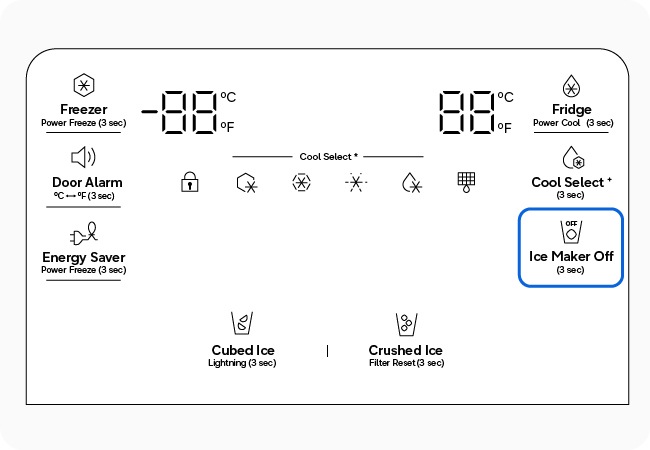
Why is the ice maker not working without a filter?
If your ice maker stops working after filter removal, the most likely reason is a missing or incorrect bypass plug. Some refrigerators detect whether a filter or bypass is installed.
Low water pressure is another possible cause. The water line may be partly blocked, the valve may be weak, or the filter housing may not be seated properly.
Try these basic checks:
• Reinstall the old filter for a short test.
• Install the correct bypass plug.
• Reset the refrigerator if the manual recommends it.
• Confirm that the ice maker arm or switch is on.
• Check that the freezer is near 0°F, or the temperature recommended by the manufacturer.
• Inspect the water line for bends or frozen sections.
• Wait several hours after fixing the issue.
Ice production is not instant. A refrigerator may need several hours to make a new batch after the water supply is restored. Avoid repeatedly switching the ice maker on and off because this can make troubleshooting harder.
If water leaks, unplug the refrigerator only when it is safe to do so, shut off the water supply, and contact a qualified appliance technician.
Filtered water versus unfiltered water for ice
Filtered water usually gives better-tasting ice. It can also reduce visible particles and some unwanted substances. Unfiltered water may still be perfectly acceptable when it comes from a safe, treated supply.
The best choice depends on your water source:
| Water source | Is a filter recommended? | Main reason |
|---|---|---|
| Treated city water | Usually helpful | Improves taste and reduces some particles |
| Private well water | Strongly recommended after testing | Water quality can vary |
| Bottled drinking water | Often unnecessary | It has already been treated |
| Water with odor or sediment | Yes, but choose the right system | A standard filter may not solve every issue |
| Water under a safety advisory | Do not rely on a refrigerator filter | Use an approved safe-water source |
A filter can improve water, but the correct filter matters. Look for certifications that match the contaminant you want to reduce. Do not choose a filter based only on a general claim such as “purifies water.”
How often should you replace an ice maker filter?
Many refrigerator makers suggest replacing the filter about every six months. That is a general guide, not a fixed rule for every home.
You may need to replace it sooner if:
• Your family uses a large amount of water and ice.
• The water contains heavy sediment.
• The water flow becomes slow.
• The ice tastes or smells different.
• The filter indicator light turns on.
• The filter has been installed for the time listed in the manual.
After replacing the filter, flush the recommended amount of water. Then discard the first few batches of ice. This simple step helps remove carbon dust and trapped air from the new filter.
Do not ignore a filter reminder for months. An old filter may become less effective and can restrict flow. If you do not want to use a filter, install the correct bypass plug and make sure your water source is safe.
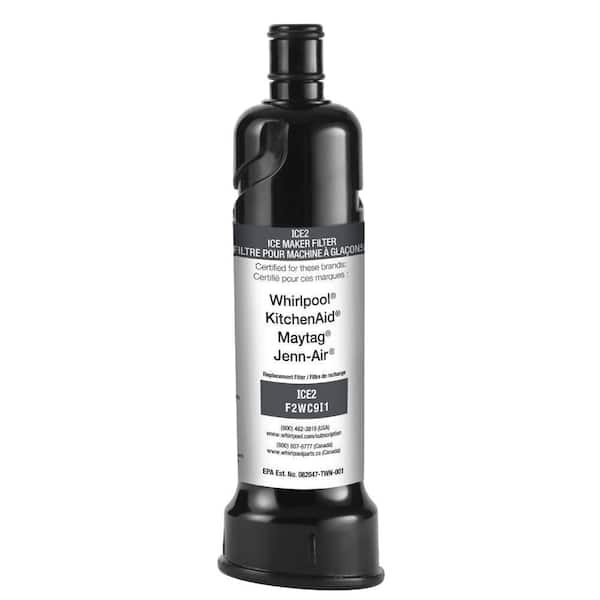
Cleaning an ice maker that has run without a filter
Cleaning helps remove odors, minerals, and old ice. It does not make unsafe water safe, but it can keep the appliance fresh and working well.
Use this general cleaning routine:
- Turn off the ice maker.
- Remove all ice from the bin.
- Wash the bin with warm water and mild dish soap.
- Wipe accessible surfaces with a clean cloth.
- Rinse away all soap.
- Dry the bin completely.
- Replace the filter or bypass plug.
- Turn the ice maker back on.
- Discard the first new batch of ice.
Avoid harsh chemicals unless the manufacturer approves them. Do not pour cleaning products into the water line. Some ice makers have removable parts, while others should only be cleaned according to the manual.
If you notice black particles, mold-like growth, repeated odor, or heavy scale, stop using the ice and arrange a professional inspection. The problem may be inside the water line or ice maker assembly.
Frequently asked questions about will an ice maker work without a filter
Will an ice maker make ice without a water filter?
Most ice makers will make ice without a filter if the refrigerator allows filter bypass operation. Some models need a bypass plug before the water valve and ice maker will work.
Is ice from an unfiltered refrigerator safe?
Ice from an unfiltered refrigerator is generally safe when it uses clean, treated drinking water. If your water is contaminated, under an advisory, or from an untested well, do not rely on the refrigerator filter alone.
Do all refrigerators need a filter bypass plug?
No. Some refrigerators allow water to flow without a filter, while others require a bypass plug. Check the owner’s manual for your exact model before removing the filter.
Does removing the filter improve ice maker water pressure?
Removing a clogged filter can improve water flow. However, the filter should be replaced or bypassed correctly because an open or poorly sealed filter housing can cause leaks.
How long can an ice maker run without a filter?
An ice maker can often run without a filter for as long as the water remains safe and the refrigerator is designed for bypass use. Long-term use may lead to more odors, sediment, or mineral buildup.
Will unfiltered water make cloudy ice?
It can. Minerals, air, and particles in the water may make ice look cloudy, but cloudy ice is not always unsafe. Water quality and freezer conditions both affect ice clarity.
Should I use bottled water in an ice maker without a filter?
You can use bottled drinking water if the refrigerator design allows it and the water line is connected properly. Do not pour water directly into an automatic ice maker unless the manufacturer specifically allows that method.
Conclusion
An ice maker will usually work without a filter, but the quality and safety of the ice depend on your water supply. A clean municipal water source may be fine, while well water or water with odors and sediment needs more care.
Use the correct bypass plug when required, watch for leaks and slow water flow, and discard the first batches after making changes. For the best taste and added protection, use a certified filter and replace it on the schedule listed in your refrigerator manual.
Check your water quality, follow the appliance instructions, and choose the setup that fits your home. If this guide helped, explore your refrigerator manual or share your experience with running an ice maker without a filter.