
The different types of ice makers include portable, undercounter, built-in, commercial, modular, dispenser, and specialty ice machines.
Choosing among the different types of ice makers is easier when you understand how each machine freezes water, stores ice, and fits your space. This guide explains the main designs, ice shapes, benefits, limits, energy needs, and best uses so you can buy with confidence.

What Is an Ice Maker?
An ice maker is an appliance that freezes water and turns it into usable ice. Some machines work inside a refrigerator, while others operate as separate countertop, undercounter, or commercial units.
Most ice makers use a simple cycle:
- Water flows into a mold or freezing surface.
- A cooling system freezes the water.
- Warm gas or a heating element loosens the ice.
- A motor or arm moves the ice into a bin.
- The machine repeats the process when the ice level drops.
The different types of ice makers vary in size, speed, ice shape, storage space, and installation method. A small portable unit may make ice in minutes, while a commercial machine can produce hundreds of pounds per day.
A key point is that production capacity is not the same as storage capacity. A machine may make 50 pounds of ice in one day but hold only 20 pounds at a time.

The Main Types of Ice Makers
The different types of ice makers are usually grouped by where they are installed and how much ice they produce. Each type suits a different lifestyle or business need.
1. Portable Countertop Ice Makers
Portable countertop ice makers are small units that sit on a kitchen counter, bar, office desk, or RV counter. They do not need a water line. You simply fill the water reservoir, choose a setting, and collect the ice.
Most portable models make bullet-shaped ice. This ice has a soft, hollow center, so it is easy to chew and cools drinks quickly.
Benefits include:
• Easy setup with no plumbing
• Low purchase cost
• Small size
• Fast first batch of ice
• Useful for parties, camping, boats, and RVs
Limitations include:
• Small storage bins
• Ice can melt if left inside
• The unit may need frequent refilling
• Many models are not designed for nonstop commercial use
• Meltwater usually returns to the reservoir instead of draining away
Portable machines are a good choice if your freezer often runs out of ice. They are also useful for renters because they need no permanent installation.
2. Undercounter Ice Makers
Undercounter ice makers fit below a kitchen counter or bar. They often connect to a water supply and a drain, which allows them to make ice continuously.
These machines look like compact dishwashers. Many have finished fronts, stainless steel doors, and insulated storage bins. They are common in home bars, outdoor kitchens, offices, and entertainment areas.
Undercounter models may produce clear, nugget, crescent, or gourmet ice. Their output is usually higher than that of a countertop machine.
Before buying one, check:
• Width, depth, and height
• Door swing and ventilation space
• Water connection size
• Drain requirements
• Electrical needs
• Daily ice production
• Storage bin capacity
One common mistake is treating an undercounter ice maker like a freezer. Most storage bins are insulated but not frozen. Ice will slowly melt unless you use it soon.
3. Built-In Refrigerator Ice Makers
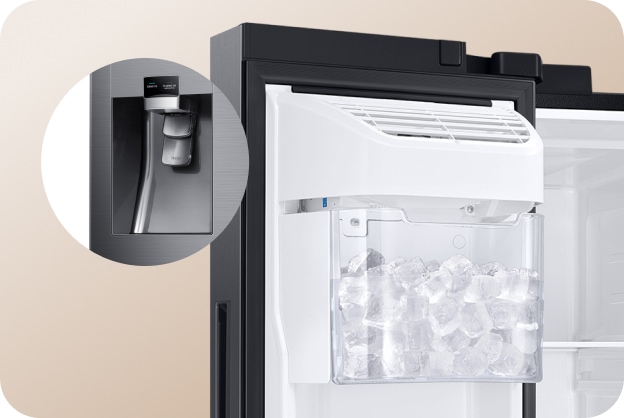
Built-in refrigerator ice makers are installed inside the freezer or refrigerator compartment. They are among the most familiar types of ice makers in American homes.
These systems are convenient because they use the refrigerator’s water supply and store ice in a built-in bin. Many modern refrigerators also offer ice through the door.
Common refrigerator ice shapes include:
• Crescent ice
• Cubes
• Crushed ice
• Small rounded pieces
The main benefit is convenience. You do not need a separate appliance or extra counter space.
However, refrigerator ice makers usually have limited production and storage. They may struggle during large gatherings, especially when people use ice faster than the system can make it.
4. Freestanding Ice Makers
Freestanding ice makers are separate appliances that can stand on the floor. They are larger than countertop models but may not fit below a counter.
These units are useful in:
• Large kitchens
• Restaurants
• Break rooms
• Churches and community centers
• Event spaces
• Small food businesses
Freestanding units often have a larger bin and stronger cooling system. Some require a dedicated water line and floor drain.
They are a practical middle ground between home appliances and full commercial systems. Still, you should confirm local plumbing and electrical rules before installation.
5. Commercial Ice Makers
Commercial ice makers are built for high demand. They can produce large amounts of ice each day and are made for restaurants, hotels, hospitals, cafeterias, and convenience stores.
The different types of ice makers used in commercial settings include several designs:
• Modular ice machines that sit on top of a separate bin
• Self-contained machines with a built-in bin
• Ice dispensers that make and release ice
• Remote condenser systems for lower indoor heat and noise
Commercial machines often use air-cooled or water-cooled condensers. Air-cooled models release heat into the room. Water-cooled models use water to remove heat and may suit hot or tight spaces, though they can use more water.
Commercial buyers should review sanitation rules, service access, water filtration, and cleaning schedules. Food service equipment may also need certification from recognized sanitation organizations, depending on local rules.
6. Modular Ice Makers
A modular ice maker produces ice but does not include a storage bin. It sits above a separate ice bin, dispenser, or soda fountain system.
This design is common in restaurants and hotels because businesses can choose the bin size they need. A busy restaurant may use a large bin, while a smaller café may need a compact one.
Modular units offer:
• High production capacity
• Flexible storage options
• Easy replacement of the machine head
• Compatibility with large dispensers
The machine and bin must be compatible. Check width, depth, mounting requirements, ice drop location, and production rating before pairing them.
7. Ice and Water Dispensers
Ice and water dispensers combine ice storage with a dispensing system. Users place a cup under the outlet and press a lever or button.
You may see them in:
• Hotels
• Hospitals
• Offices
• Schools
• Self-service restaurants
• Public waiting areas
These systems reduce the need for people to touch the ice. That can support better hygiene, but only when staff clean the chute, drip tray, bin, and internal parts on schedule.
Some dispensers use ice made by a separate modular machine. Others have an internal ice-making system.
8. Built-In Outdoor Ice Makers
Outdoor ice makers are designed for patios, pool areas, outdoor bars, and kitchens. They usually include weather-resistant materials and insulation.
Outdoor models must handle changes in temperature and humidity. Even so, they should not be treated as fully waterproof unless the manufacturer clearly says so.
Good installation includes:
• Protection from direct rain
• Shade from strong sunlight
• Proper ventilation
• A stable, level surface
• A suitable drain
• Protection from freezing weather
Outdoor ice makers may need winterization in cold climates. Water left inside the lines can freeze and damage the machine.

Types of Ice Made by Ice Makers
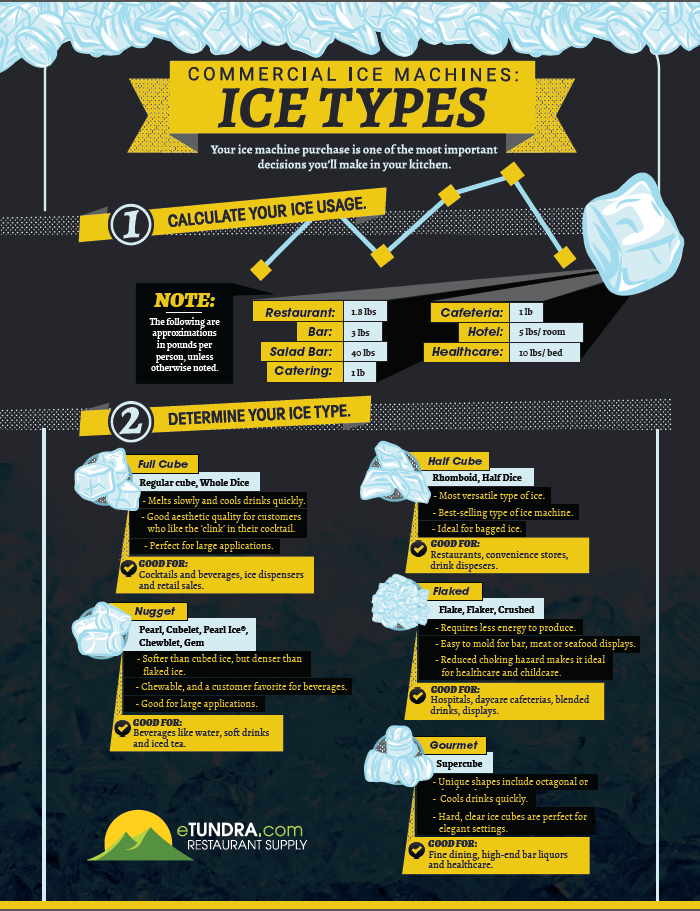
The different types of ice makers can also be classified by the shape and texture of the ice they produce. Ice shape affects cooling speed, melting time, chewing texture, and drink presentation.
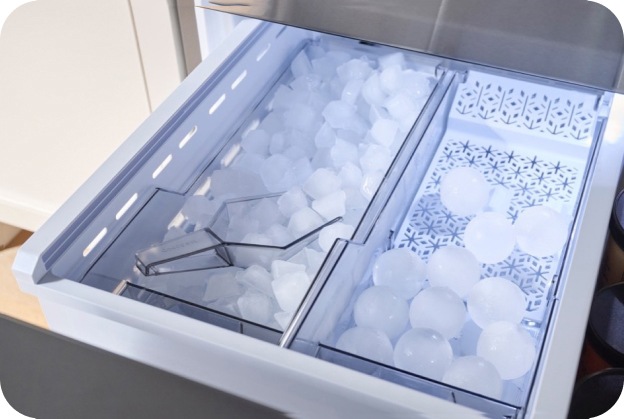
Cube Ice
Cube ice is a standard choice for restaurants, homes, and parties. It is firm and melts more slowly than thin ice.
Large cubes are useful for whiskey, cocktails, and drinks that need slow dilution. Smaller cubes cool drinks faster but may melt sooner.
Crescent Ice
Crescent ice has a curved shape with a flat side. It is common in refrigerators and many commercial machines.
It fits well in cups and usually provides a good balance between cooling and melting speed. Its smooth shape also helps reduce sharp edges.
Nugget Ice
Nugget ice is soft, small, and easy to chew. It is popular in fountain drinks, iced tea, and home beverages.
Many people like nugget ice because it absorbs flavor and feels less hard than cubes. The trade-off is that it melts faster.
Bullet Ice
Bullet ice is usually made by portable countertop machines. It has a hollow center and a rounded outer surface.
This type of ice forms quickly and is easy to chew. It often melts faster than dense cubes, so it works best for casual drinks rather than long sipping.
Flake Ice
Flake ice consists of thin, soft pieces. It is common in seafood displays, salad bars, medical care, and blended drinks.
Flake ice packs closely around food and helps maintain a cold surface. It is not usually the first choice for a regular glass of soda because it melts quickly.
Gourmet or Clear Ice
Gourmet ice is large, clear, and often shaped like a sphere, rectangle, or thick cube. It is made by freezing water in a controlled direction to push air and impurities away from the center.
Clear ice looks elegant and melts slowly. It is popular in cocktail bars and home beverage stations, but machines that make it often cost more and produce less ice.
How to Choose Among the Different Types of Ice Makers
The best choice depends on your space, ice habits, budget, and installation options. Start by thinking about how you use ice on a normal day.
Consider Daily Ice Demand
Estimate how much ice your household or business uses. A family may need only a few pounds each day, while a restaurant may need hundreds.
Remember that warm weather, parties, and special events can raise demand. If you often host guests, choose a machine with extra production capacity.
Check the Available Space
Measure the location before shopping. Include room for ventilation, plumbing, the power cord, and door movement.
A countertop unit may fit easily but offer little storage. An undercounter model saves counter space but needs a careful installation plan.
Decide Whether You Need a Water Line
Portable ice makers use a refillable reservoir. Built-in and commercial units often need a permanent water connection.
A water line is more convenient for continuous production. A reservoir is easier for renters, temporary spaces, and mobile use.
Choose the Right Ice Shape
Think about how the ice will be used:
• Choose cube ice for slow-melting drinks.
• Choose nugget ice for soft, chewable pieces.
• Choose flake ice for food displays and blended drinks.
• Choose bullet ice for fast, casual countertop production.
• Choose clear ice for cocktails and presentation.
Review Storage Capacity
A machine with high daily production may still have a small bin. If you need ice at one busy time of day, storage capacity matters as much as production.
For example, a restaurant may produce enough ice over 24 hours but run out during the lunch rush if the bin is too small.
Compare Noise and Heat
Ice makers use compressors, fans, and pumps. Some models are quiet, while others create a noticeable hum.
Air-cooled machines release heat into the room. In a small kitchen or bar, this can make the space warmer. Read the noise and clearance information in the product specifications.
Consider Energy and Water Use
Energy use varies by machine size, cooling method, room temperature, and cleaning condition. A dirty condenser can make the system work harder.
The U.S. Department of Energy regulates energy standards for many appliances, but commercial ice machines may follow different testing and labeling rules. Compare the actual model data rather than relying only on a general product category.
How to Maintain an Ice Maker
Clean water does not mean the entire ice maker stays clean. Mineral scale, mold, dust, and bacteria can build up in wet areas if the machine is ignored.
Follow the manufacturer’s cleaning instructions. A typical routine includes:
- Turn off and unplug the machine when instructed.
- Remove all remaining ice.
- Drain the water reservoir or bin.
- Wash removable parts with approved cleaner.
- Remove mineral scale from the water system.
- Wipe the interior and exterior surfaces.
- Rinse parts well.
- Sanitize the food-contact areas with a suitable product.
- Clean the air filter and condenser if the model has them.
- Restart the machine and discard the first batch if advised.
Never use harsh chemicals that are not approved for food-contact equipment. Also, avoid storing food or drinks inside an ice bin.
From a practical standpoint, the most common mistake is waiting until the ice tastes strange. A regular schedule works better. Homes may need cleaning every few months, while busy commercial machines may need more frequent service.
Replace water filters on schedule. A clogged filter can reduce water flow, change the taste, and slow production.

Common Problems With Ice Makers
Even the best types of ice makers can develop problems. Many issues have simple causes.
The Machine Makes No Ice
Check the power, water supply, temperature, control settings, and ice-level sensor. A full bin may signal the machine to stop even when the water system works correctly.
The Ice Tastes Bad
Old water, a dirty bin, a worn filter, or nearby food odors can affect taste. Clean the machine, replace the filter, and use fresh water.
The Ice Is Small or Thin
Low water flow, mineral buildup, warm room temperature, or a failing cooling system may cause thin ice. Start by checking the filter and cleaning the water path.
The Machine Leaks
A blocked drain, loose water line, uneven surface, or full drip tray can lead to leaks. Shut off the water supply before inspecting connections.
The Machine Is Too Noisy
Some compressor noise is normal. Loud rattling may point to an uneven surface, a loose panel, a fan problem, or contact with nearby cabinets.
The Ice Melts Too Quickly
Many ice bins are insulated but not frozen. Move fresh ice to a freezer if you need to keep it for a long time, and confirm whether the machine is designed for cold storage.
Mistakes to Avoid When Buying an Ice Maker
Buying the wrong machine can create more work than it saves. Keep these common errors in mind.
• Choosing production capacity without checking bin size
• Forgetting the required drain
• Installing a built-in model without ventilation space
• Buying a commercial machine for a small home kitchen
• Expecting portable ice to stay frozen in the bin
• Ignoring water filtration in a hard-water area
• Measuring only the machine width and not the door clearance
• Assuming all ice shapes work well for every drink
• Skipping regular cleaning
• Placing an outdoor unit where rain can reach electrical parts
One useful lesson is to plan the full setup, not just the machine. Water, drainage, airflow, cleaning access, and storage all affect daily performance.
Are Different Types of Ice Makers Safe?
Ice makers are generally safe when they are installed, cleaned, and maintained correctly. The ice-making system itself is not the only concern. The water line, storage bin, scoop, dispenser chute, and user contact can all affect hygiene.
Use potable water and keep the ice bin closed when possible. Store the scoop outside the ice, with the handle protected from contamination.
Commercial food businesses should follow local health codes and equipment sanitation guidance. Certification marks from recognized testing organizations can also help confirm that a machine meets relevant safety standards.
No appliance is completely maintenance-free. A neglected ice maker can produce ice that looks normal but has an unpleasant taste or contamination risk.
Frequently Asked Questions About the Different Types of Ice Makers
What are the different types of ice makers for home use?
The main home options are portable countertop, refrigerator, undercounter, freestanding, outdoor, and specialty ice makers. Portable models suit small spaces, while undercounter and specialty units offer higher output or premium ice shapes.
Which type of ice maker makes ice the fastest?
Portable countertop machines often produce the first small batch within minutes. However, the exact speed depends on room temperature, water temperature, machine size, and the type of ice being made.
What is the difference between a portable and undercounter ice maker?
A portable ice maker uses a refillable water reservoir and needs no permanent installation. An undercounter ice maker usually connects to a water line and drain, making it better for continuous use.
Which ice maker makes nugget ice?
Nugget ice makers are designed to create soft, chewable ice. Some are portable countertop models, while others are larger built-in or commercial units.
Do ice makers keep ice frozen?
Most ice maker storage bins are insulated but do not freeze the ice like a freezer. Ice may slowly melt and return to the water reservoir or drain.
Are commercial ice makers better than home ice makers?
Commercial ice makers are better for high demand, but they are often larger, louder, more expensive, and more complex to install. A home model is usually more practical for normal household use.
How often should an ice maker be cleaned?
A home ice maker often benefits from cleaning every few months, while a busy commercial machine may need a more frequent schedule. Always follow the cleaning instructions for the specific model.
Conclusion
The different types of ice makers range from simple portable countertop units to high-output commercial systems. Your best choice depends on ice demand, available space, water access, drainage, ice shape, storage needs, and maintenance time.
For occasional use, a portable machine may be enough. For a home bar, outdoor kitchen, or busy workplace, an undercounter or commercial model may offer better long-term value. Compare production and storage ratings, measure the installation area, and plan for routine cleaning before you buy.
Use this guide to narrow your options, then check the manufacturer’s specifications and local installation requirements. If you found the information helpful, explore more appliance guides or share your ice maker experience in the comments.