
Olive oil is not bad for most people when used in moderate amounts as part of a balanced diet.
The question “is olive oil bad for you” deserves a thoughtful answer, not a simple yes or no. Extra virgin olive oil contains healthy fats and plant compounds, but it is still high in calories and may not suit everyone. This guide explains its benefits, limits, cooking uses, possible risks, and the best ways to choose and store it.
:max_bytes(150000):strip_icc()/VWH_Illustration_How-to-Use-Olive-Oil-for-Moisturizing_Illustrator_Jessica-Olah_Final-72d4c83116a04197ba8706887ef572d5.jpg)
Is olive oil bad for you?
For most healthy adults, olive oil is not bad for you. It is rich in monounsaturated fat, especially oleic acid. This type of fat can support heart health when it replaces butter, lard, shortening, or other sources of saturated fat.
Extra virgin olive oil also contains polyphenols. These are natural plant compounds with antioxidant and anti-inflammatory effects. However, olive oil is not a magic food. It works best as one part of an eating pattern that includes vegetables, fruit, beans, whole grains, nuts, fish, and other nutritious foods.
The answer to “is olive oil bad for you” often depends on three things:
• How much you use
• Which type you buy
• What food it replaces
A small drizzle over vegetables is very different from deep-frying food or adding several large spoonfuls to an already high-calorie meal.
Olive oil nutrition and health benefits
One tablespoon of olive oil contains about 120 calories and 14 grams of fat. Most of that fat is monounsaturated fat. It contains little protein, fiber, or carbohydrate, so it should complement nutrient-rich foods rather than replace them.
May support heart health
Research on Mediterranean-style eating patterns links olive oil use with better heart health. Replacing saturated fat with monounsaturated fat may help improve cholesterol levels.
Olive oil may also help reduce oxidation of LDL cholesterol. Oxidized LDL is more likely to contribute to plaque buildup in arteries. Still, olive oil alone cannot prevent heart disease, especially if the overall diet is high in sugar, salt, and processed foods.
Contains antioxidant compounds
Extra virgin olive oil is made with less processing than refined olive oil. It can retain more polyphenols and other natural compounds. These substances help protect cells from oxidative stress.
The amount of polyphenols varies widely. Freshness, olive variety, storage, and processing all matter. A bitter or peppery taste can sometimes signal a higher level of these natural compounds.
May help with blood sugar control
Replacing refined carbohydrates or saturated fats with unsaturated fats may support better blood sugar control. Some studies of Mediterranean diets have found benefits for people at risk of type 2 diabetes.
This does not mean olive oil lowers blood sugar like medicine. People with diabetes should still follow their treatment plan and monitor portion sizes.
May support brain and long-term health
Healthy eating patterns that include olive oil are associated with healthy aging. Some research suggests that extra virgin olive oil may support brain health because of its healthy fats and plant compounds.
However, scientists are still studying this area. It is too early to claim that olive oil prevents dementia or other neurological diseases.

When can olive oil be bad for you?
Asking “is olive oil bad for you” makes sense because even healthy foods can cause problems when used in the wrong way. Olive oil has several limits that are easy to overlook.
It is high in calories
All oils contain about 120 calories per tablespoon. Eating large amounts can make weight gain more likely, even when the oil is high quality.
A useful serving is often one to two teaspoons for a small dish. You may need more when cooking for several people, but pouring freely from the bottle can quickly add extra calories.
It may cause stomach discomfort
Some people feel nausea, loose stools, cramping, or reflux after consuming a lot of oil. This can happen with olive oil, just as it can with other high-fat foods.
If olive oil upsets your stomach, try a smaller amount with food. People with gallbladder problems, pancreatitis, or digestive conditions should ask a health professional for personal advice.
It can trigger an allergy
Olive allergy is uncommon, but it can happen. Symptoms may include itching, hives, swelling, vomiting, or breathing problems. An allergic reaction that affects breathing or causes severe swelling requires emergency care.
Skin products containing olive oil may also irritate some people, especially those with sensitive skin or eczema.
It may be a poor choice for some cooking methods
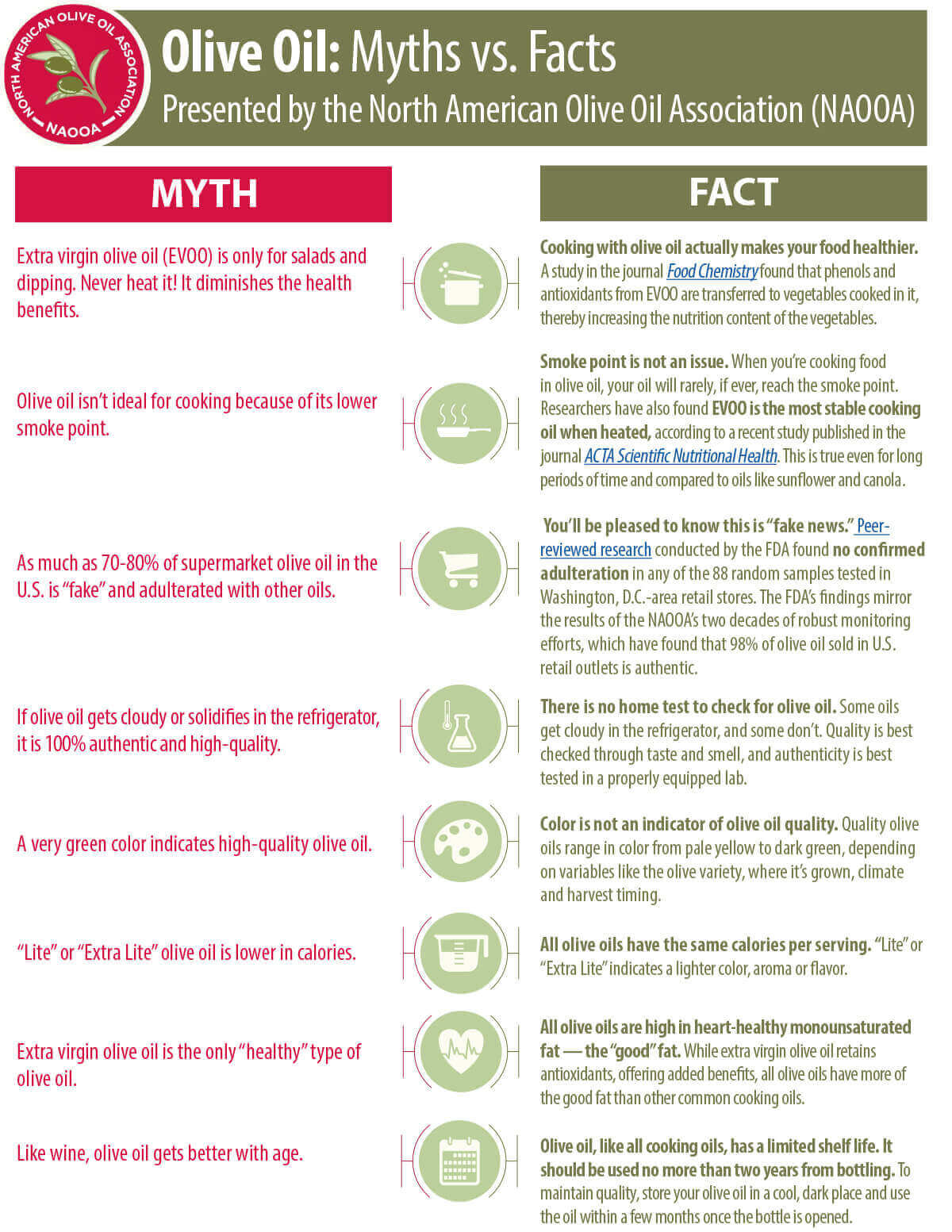
Extra virgin olive oil works well for sautéing, roasting, baking, and salad dressings. Yet very high heat can cause smoke and unpleasant flavors.
Smoke does not instantly make olive oil poisonous. Still, repeated overheating can damage the oil and create irritating compounds. Avoid using oil that smokes heavily or smells burnt.
It can be misleadingly marketed
Labels such as “light,” “pure,” and “olive oil” do not always mean the same thing. Light olive oil usually has a lighter flavor, not fewer calories. It is often more refined than extra virgin olive oil.
Some low-quality oils may also be old, diluted, or poorly stored. Buying from a trusted seller and checking the harvest or best-by date can help.
Extra virgin olive oil versus other types
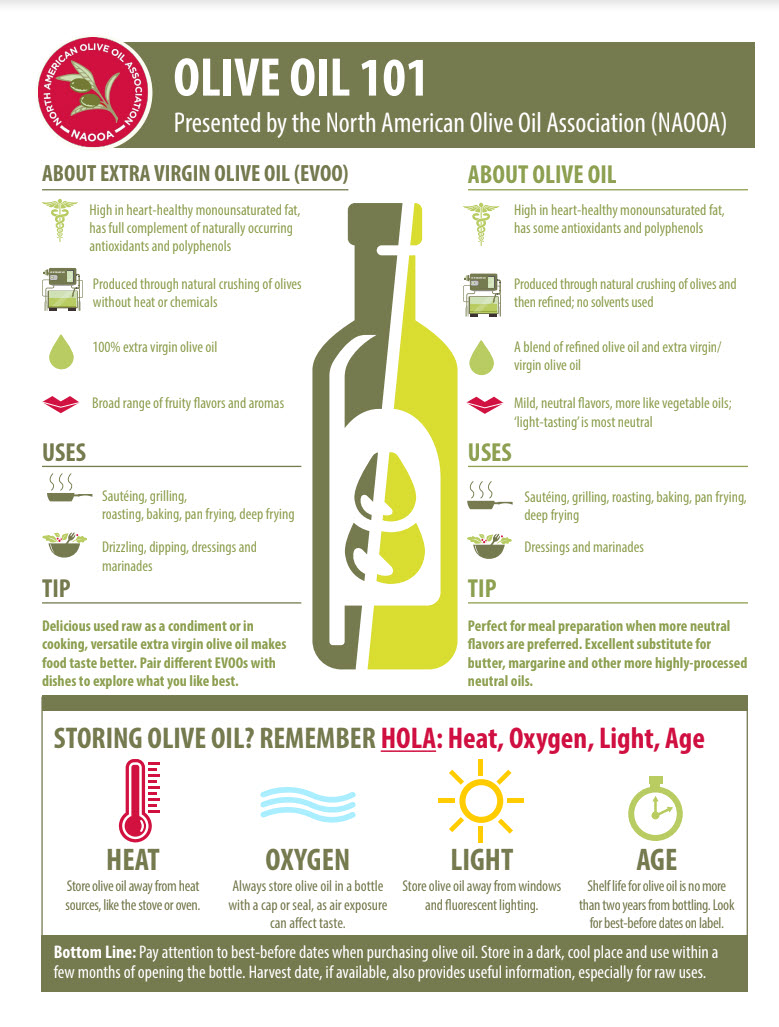
Understanding the label helps answer “is olive oil bad for you” with more accuracy. The main types differ in taste, processing, and the amount of natural plant compounds they retain.
Extra virgin olive oil
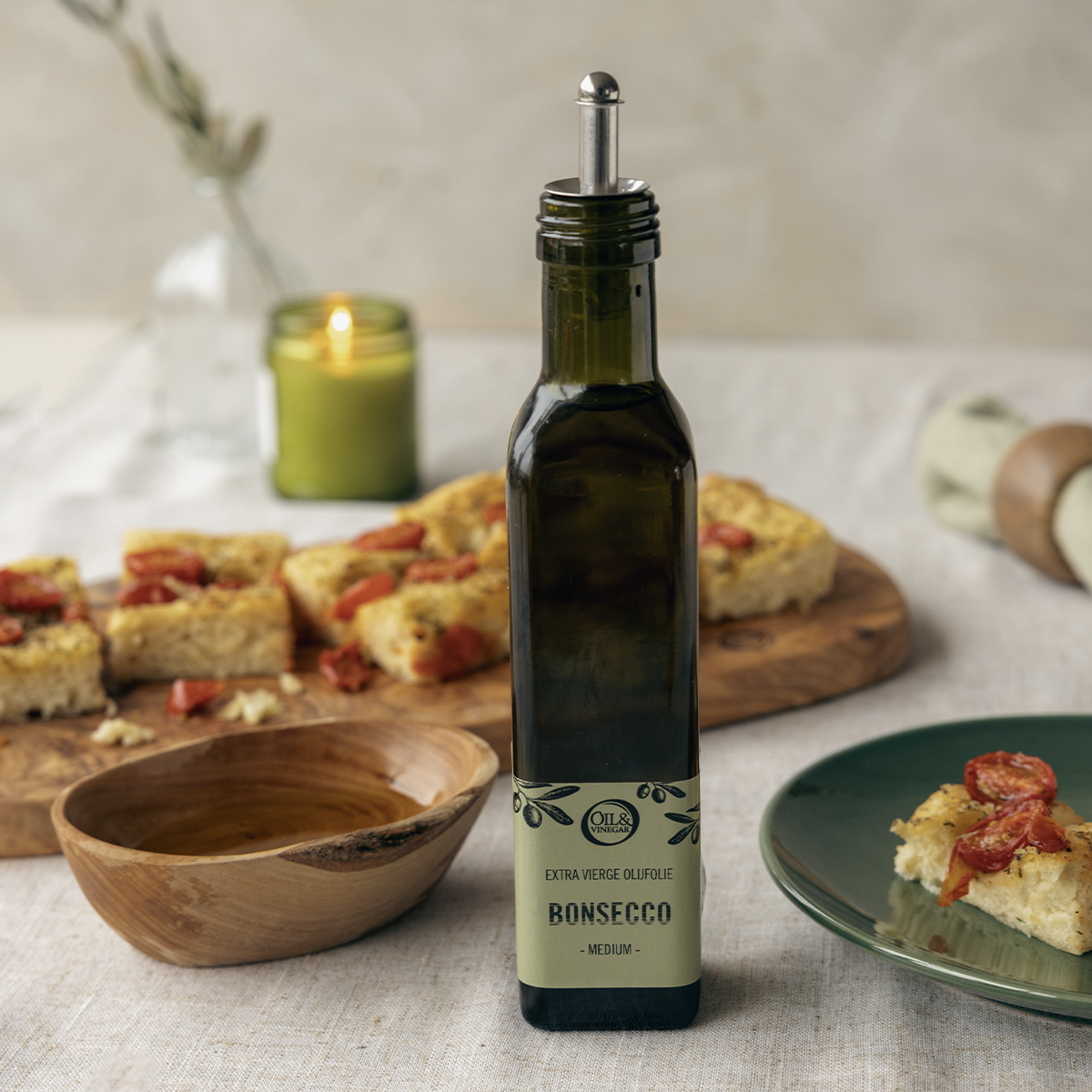
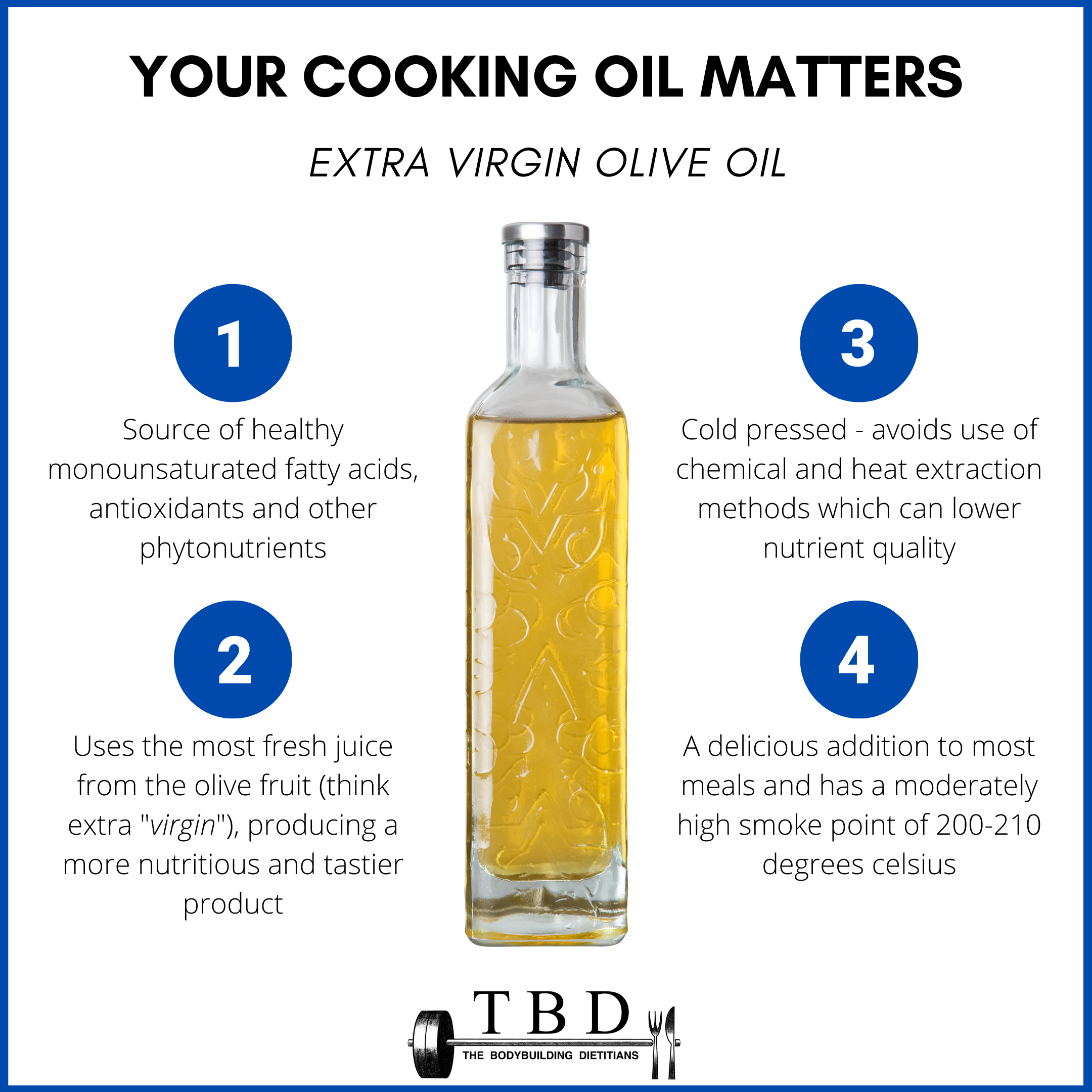
Extra virgin olive oil is the least processed common grade. It must meet standards for taste, acidity, and production. It usually has a stronger flavor, with fruity, grassy, bitter, or peppery notes.
Use it for:
• Salad dressings
• Dips
• Roasted vegetables
• Beans and grains
• Finishing soups and pasta
• Moderate-heat cooking
Virgin olive oil
Virgin olive oil also comes from mechanical extraction but has a less strict quality standard than extra virgin olive oil. Its flavor may be milder or less consistent.
Refined olive oil
Refined olive oil goes through more processing. It usually has a lighter color and mild flavor. It may be useful for cooking when you do not want a strong olive taste.
Refining can reduce some polyphenols. However, refined olive oil is still mostly unsaturated fat.
Olive pomace oil
Olive pomace oil is made from the remaining olive material after the first extraction. It undergoes more processing and is less likely to provide the same level of natural compounds found in extra virgin olive oil.

Is olive oil safe for cooking?
For most everyday cooking, olive oil is safe. Its high percentage of monounsaturated fat gives it reasonable heat stability. Extra virgin olive oil can be used for many home cooking tasks, including roasting and pan cooking.
The best rule is simple: use low to medium heat and avoid letting the oil smoke. If you see smoke, lower the heat or start again with fresh oil.
Olive oil is suitable for:
• Sautéing vegetables
• Cooking eggs
• Roasting chicken or fish
• Baking
• Making sauces
• Stirring into cooked grains
For repeated deep-frying, food service kitchens may choose oils with higher smoke points and lower cost. At home, avoid reusing oil many times. Repeated heating increases oxidation and can affect taste and quality.
One practical lesson is to match the oil to the task. A delicate extra virgin oil may be wonderful on tomatoes but wasted in a very hot pan. A mild refined olive oil may work better when flavor is not the main goal.
How much olive oil should you eat?
There is no single perfect amount for everyone. Your needs depend on your calorie intake, activity level, health goals, and the rest of your diet.
A practical starting point is:
• Use one teaspoon for a small serving
• Use one tablespoon to dress a large salad
• Measure oil when weight loss is a goal
• Replace butter or shortening instead of adding oil on top of them
• Balance oil with vegetables, beans, fish, and whole grains
The key question is not only “is olive oil bad for you?” It is also, “What is olive oil replacing?” Using it instead of butter may improve the fat quality of a meal. Adding it to butter, cheese, creamy sauce, and fried food may simply raise total calories.
How to choose and store olive oil
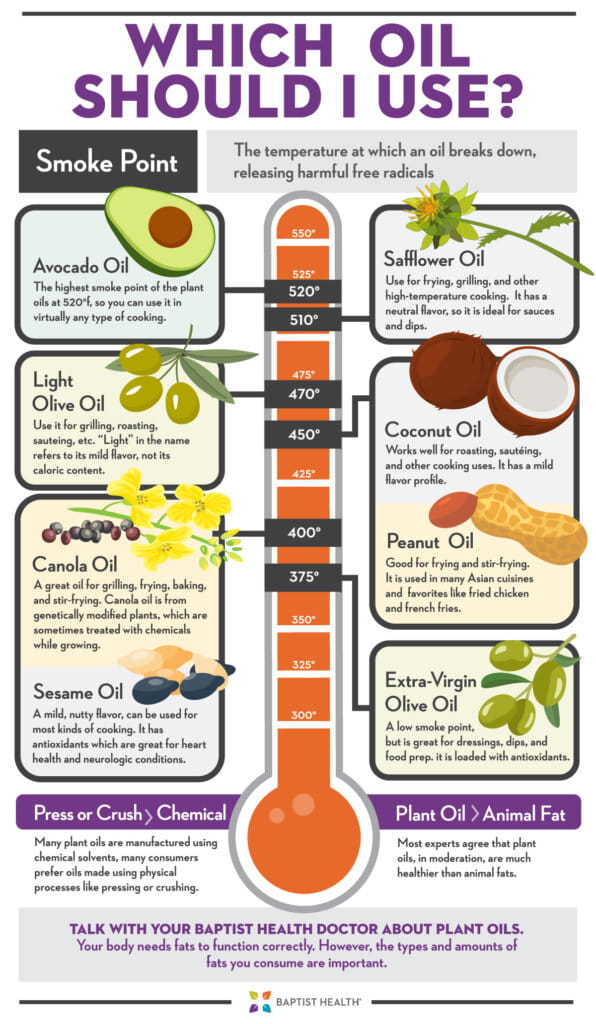
Fresh, well-stored oil tastes better and is more likely to retain its natural compounds. Olive oil can become rancid when exposed to heat, air, or light.
Follow these tips:
- Choose extra virgin olive oil when you want the most flavor and natural plant compounds.
- Look for a harvest date when available, not only a best-by date.
- Buy a size you can use within a few months after opening.
- Choose a dark glass bottle or a metal container.
- Store it in a cool, dark cupboard away from the stove.
- Keep the cap tightly closed.
- Smell the oil before using it. A stale, waxy, crayon-like, or paint-like smell may suggest rancidity.
A green color does not prove that olive oil is better. Some oils are naturally golden, while others are green. Taste, freshness, testing, and storage matter more than color.
Common mistakes to avoid
Many concerns about “is olive oil bad for you” come from confusing healthy use with excessive use. Avoid these common mistakes:
• Treating olive oil as a health cure
• Drinking large amounts by itself
• Ignoring calories
• Cooking until the oil smokes
• Storing the bottle beside the stove
• Buying only by price
• Assuming “light” means low calorie
• Using rancid oil
• Adding oil without reducing butter or other fats
A simple measuring spoon can make a major difference. It helps you enjoy the flavor without losing track of portions.

Who should limit or avoid olive oil?
Most people can include olive oil safely. Some people may need to limit it or discuss it with a health professional.
This includes people who:
• Have an olive allergy
• Experience digestive symptoms after eating oil
• Need a tightly controlled calorie intake
• Have been given a medically restricted fat diet
• Have certain gallbladder or pancreatic conditions
• Take part in a treatment plan that requires specific fat limits
People with a medical condition should not stop prescribed treatment and replace it with olive oil. Nutrition advice should match your health history, medicines, and personal goals.
Frequently Asked Questions About Is Olive Oil Bad for You
Is olive oil bad for your heart?
For most people, olive oil is not bad for the heart when it replaces butter, lard, or other saturated fats. Its monounsaturated fat may support a healthier cholesterol pattern as part of a balanced diet.
Is extra virgin olive oil healthier than regular olive oil?
Extra virgin olive oil usually contains more natural polyphenols and has a stronger flavor. Regular or refined olive oil can still provide mostly unsaturated fat, but it generally contains fewer plant compounds.
Can olive oil make you gain weight?
Yes, if you eat more calories than your body needs. Olive oil is calorie-dense, so measure portions if weight control is important.
Is olive oil safe to use every day?
Yes, most people can use olive oil every day in moderate amounts. Use it in place of less healthy fats and include it with vegetables, beans, grains, fish, and other whole foods.
Is olive oil bad for cooking at high heat?
Olive oil can work well for normal sautéing and roasting. Avoid overheating it until it smokes, and do not repeatedly reuse oil that has been heated many times.
Can olive oil cause diarrhea?
Large amounts may cause loose stools or stomach discomfort in some people. Reduce the portion and speak with a health professional if symptoms continue.
Does olive oil expire?
Olive oil does not become unsafe immediately after its best-by date, but it loses flavor and quality over time. If it smells stale, waxy, or unpleasant, replace it.
Conclusion
So, is olive oil bad for you? For most people, no. Extra virgin olive oil can be a useful source of monounsaturated fat and plant compounds, especially when it replaces butter or other saturated fats.
The main cautions are simple: control portions, avoid heavy smoke, store the bottle properly, and choose fresh oil from a trusted source. Use olive oil as one part of a varied diet, not as a cure-all.
Try measuring your next serving, pairing it with colorful whole foods, and comparing how it fits into your overall eating pattern. Share your favorite olive oil recipe or storage tip in the comments.