
Yes, olive oil is healthy for you when used in place of less healthy fats and eaten in sensible amounts.
Olive oil is a key part of the Mediterranean diet, and research links extra-virgin olive oil with better heart health and a lower risk of several chronic diseases. Still, it is high in calories, and the type, freshness, storage, and amount all matter. This guide explains is olive oil healthy for you, what the evidence shows, and how to use it wisely.
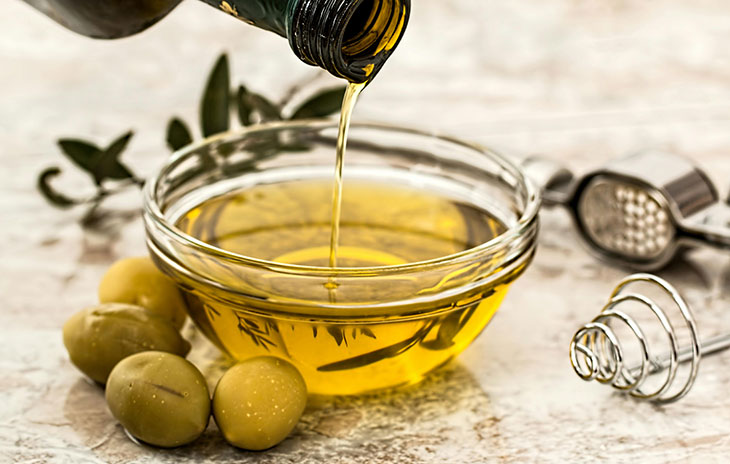
Is olive oil healthy for you?
For most people, olive oil is a healthy choice. It is rich in monounsaturated fat, especially oleic acid. This fat can help improve blood cholesterol levels when it replaces butter, shortening, or other sources of saturated fat.
Extra-virgin olive oil also contains natural plant compounds called polyphenols. These compounds act as antioxidants and may help protect cells from damage. The oil is not a magic cure, but it can support an overall healthy eating pattern.
The strongest evidence comes from diets that use olive oil with vegetables, beans, whole grains, fish, nuts, and fruit. In other words, olive oil works best as part of a healthy lifestyle, not as a stand-alone health product.

What makes olive oil different from other cooking fats?
The main difference is its fat profile. Olive oil contains mostly monounsaturated fat, while butter and many processed fats contain more saturated or trans fat.
One tablespoon of olive oil has about 120 calories and 14 grams of fat. That may sound high, but the type of fat matters. Replacing saturated fat with unsaturated fat may support healthier LDL and HDL cholesterol levels.
Olive oil also provides small amounts of vitamin E and vitamin K. Extra-virgin olive oil usually contains more natural plant compounds because it receives less processing.
Extra-virgin olive oil
Extra-virgin olive oil is made through mechanical methods without chemical refining. It must meet standards for taste, acidity, and production quality.
It often has a stronger flavor, such as grassy, fruity, bitter, or peppery notes. That peppery feeling in the throat can come from natural phenolic compounds.
Virgin and refined olive oil
Virgin olive oil also comes from mechanical processing but may have a less intense flavor or slightly different quality standards. Refined olive oil goes through more processing and usually has a lighter taste.
A bottle labeled “light olive oil” does not mean it has fewer calories. The word usually describes its lighter color or flavor, not its energy content.
Health benefits of olive oil
Research on olive oil focuses on heart health, inflammation, blood sugar, and overall diet quality. These benefits are most likely when olive oil replaces less healthy fats.
1. It may support heart health
Heart disease remains a major health concern in the United States. Replacing butter or fatty processed foods with olive oil may improve the balance of fats in your diet.
Studies of Mediterranean-style eating patterns have found links with fewer major cardiovascular events. Olive oil may help because it provides monounsaturated fat and plant compounds while reducing the need for saturated fat.
However, olive oil alone cannot cancel out smoking, high blood pressure, inactivity, or a diet high in processed food.
2. It may help improve cholesterol
Your body needs cholesterol, but too much LDL cholesterol can build up in artery walls. Unsaturated fats may help lower LDL cholesterol when they replace saturated fats.
Olive oil may also help maintain HDL cholesterol, often called “good” cholesterol. Still, cholesterol results depend on your whole diet, genetics, exercise, weight, and health conditions.
3. It contains antioxidants
Extra-virgin olive oil contains polyphenols and vitamin E. These compounds help protect the oil from oxidation and may also support the body’s defense against cell damage.
The amount can vary widely between brands. Fresh, high-quality extra-virgin olive oil often has more beneficial plant compounds than older or heavily refined oil.
4. It may help control inflammation
Long-term, low-level inflammation is linked with many health problems. Some compounds in extra-virgin olive oil may have mild anti-inflammatory effects.
This does not mean olive oil works like medicine. It is better to think of it as one helpful piece of a diet rich in plants, fish, beans, and whole grains.
5. It may support blood sugar control
Replacing refined carbohydrates or saturated fats with unsaturated fats may support better blood sugar control. Some studies also link Mediterranean-style diets with a lower risk of type 2 diabetes.
The benefit depends on the meal. Olive oil drizzled over vegetables and beans is different from using it with a large serving of refined bread or sugary food.
6. It may support brain health
Researchers are studying the possible link between olive oil and healthy brain aging. The Mediterranean diet, which often includes olive oil, has been associated with better cognitive health in some studies.
The evidence is promising but not final. More research is needed before anyone can claim that olive oil prevents dementia or memory loss.
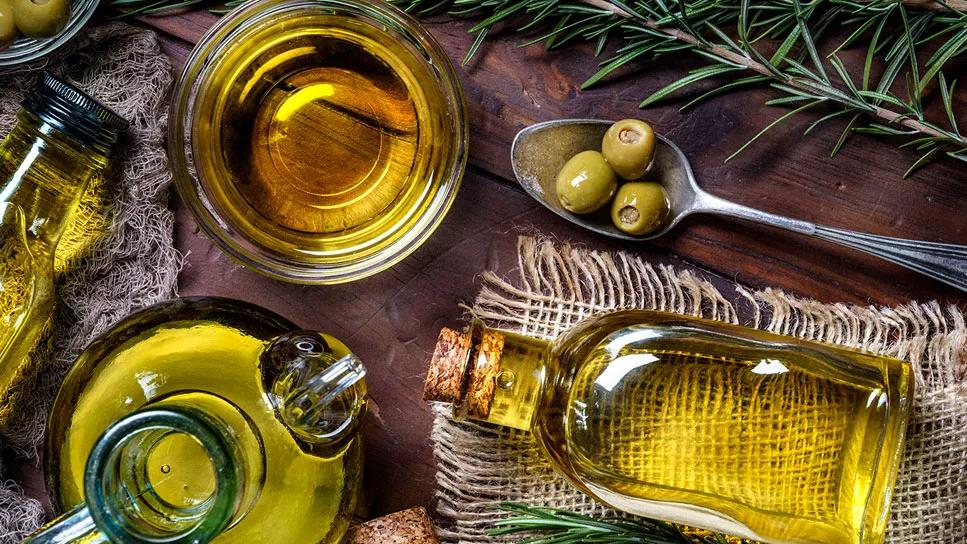
How much olive oil should you eat?
There is no single amount that suits everyone. Your calorie needs, activity level, health goals, and total diet all matter.
A practical starting point is one to two tablespoons per day as part of meals. Some people use more, especially when following a Mediterranean-style eating pattern, but extra oil still adds calories.
Try these simple habits:
• Use one teaspoon to one tablespoon on roasted vegetables.
• Mix olive oil with vinegar, lemon juice, and herbs for a salad dressing.
• Use it instead of butter on whole-grain toast.
• Add a small drizzle to beans, lentils, soups, or cooked greens.
• Measure the oil when you are watching your calorie intake.
A common mistake is pouring oil freely from the bottle. That can turn a healthy ingredient into a large source of extra calories. A spoon, spray bottle, or small oil dispenser can make portions easier to manage.
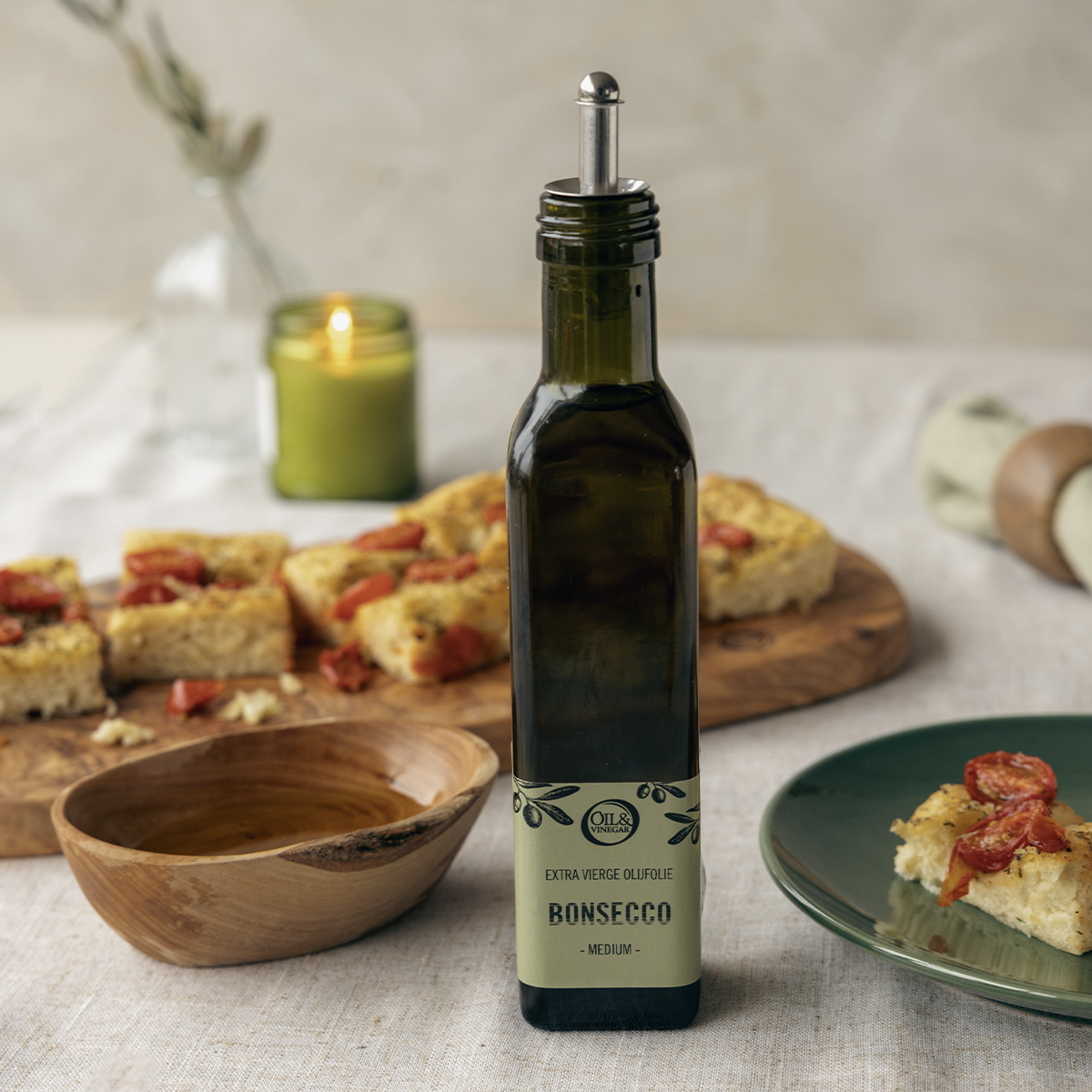
Is extra-virgin olive oil the healthiest choice?
Extra-virgin olive oil is often the best choice when you want more flavor and natural plant compounds. It is especially useful for salad dressings, dips, finishing dishes, and gentle cooking.
Refined olive oil can still be a healthy fat. It usually has a milder taste and may work well for higher-heat cooking. The difference is that refining removes some flavor and many natural compounds.
Quality and freshness matter. Look for these details:
• A harvest date, when available, instead of only a best-before date.
• A dark glass bottle or metal container that blocks light.
• A reliable producer and clear origin information.
• A fresh smell and taste, rather than a waxy, stale, or crayon-like odor.
• A bottle size you can use within a few months after opening.
Store olive oil in a cool, dark cabinet. Keep it away from sunlight, the stove, and heat-producing appliances. Good storage helps protect its flavor and quality.

Can you cook with olive oil?
Yes, olive oil can be used for many cooking methods. It works well for sautéing, roasting, baking, grilling, and pan-frying at moderate heat.
Every cooking oil has a smoke point. This is the temperature at which oil begins to smoke and break down. Extra-virgin olive oil has a smoke point that is suitable for many everyday cooking tasks, although the exact point varies by quality, age, and free fatty acid content.
You do not need to avoid olive oil simply because you cook with it. Use moderate heat, avoid letting the oil smoke, and do not reuse oil many times.
For very high-heat cooking, refined olive oil may have a milder flavor and greater heat tolerance. Avocado, peanut, or canola oil may also suit certain recipes. The best choice depends on the heat, flavor, and overall meal.

Possible downsides and limitations
Olive oil is healthy for you, but it is not calorie-free. One tablespoon contains about 120 calories, so large amounts may make weight control harder.
Some people also assume that “natural” means unlimited. It does not. A diet can contain too much olive oil, even if the oil is high quality.
Keep these limits in mind:
• Olive oil does not replace vegetables, fiber, protein, or exercise.
• It cannot undo a diet high in sugar, sodium, and ultra-processed food.
• People with gallbladder problems or digestive symptoms may need personal advice from a health professional.
• Those managing diabetes or weight may need to track portions.
• People taking medication for a medical condition should not use olive oil as a substitute for prescribed treatment.
Olive oil may also cause stomach upset in some people, especially in large amounts. Start with a small serving if you are not used to oily foods.
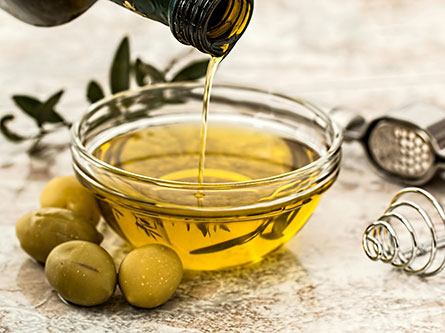
Olive oil compared with butter and other oils
When comparing fats, focus on what olive oil replaces. Using olive oil instead of butter may lower your intake of saturated fat. Using it instead of another unsaturated oil may offer a smaller difference.
Canola oil is also low in saturated fat and provides a different fatty acid profile. Avocado oil is another mostly monounsaturated option. Coconut oil, by contrast, is high in saturated fat, so it may not be the best everyday replacement for olive oil.
The healthiest choice often depends on the meal and your preference. An oil you enjoy and use instead of less healthy fats is more useful than an expensive oil that sits unopened in the pantry.
In my experience reviewing food habits, the most helpful change is often simple: use a measured spoon of olive oil with foods you already eat, such as vegetables, beans, and fish. People tend to get better results from small habits they can repeat than from strict rules they cannot maintain.

How to add olive oil to your diet
You do not need to follow a perfect Mediterranean diet to enjoy the benefits of olive oil. Begin with one meal and build from there.
Try this simple plan:
-
Replace butter with olive oil when cooking vegetables or eggs.
-
Make a dressing with olive oil, lemon juice, garlic, and black pepper.
-
Add olive oil to beans, chickpeas, or lentils.
-
Use it on roasted vegetables instead of a creamy sauce.
-
Pair it with fish, whole grains, and leafy greens.
-
Measure servings if you are trying to lose weight.
One useful lesson is to match the oil to the food. A bold extra-virgin olive oil can make tomatoes, bread, or beans taste richer. A mild oil may work better in baking or dishes where you want other flavors to stand out.
What the research says about olive oil
Large studies of Mediterranean-style diets provide some of the strongest support for olive oil. In these diets, olive oil is used with vegetables, fruit, legumes, nuts, seafood, and whole grains.
Clinical research has found that this eating pattern may lower the risk of major cardiovascular events in people at high risk of heart disease. Other studies show associations between olive oil intake and healthier aging.
Still, nutrition studies have limits. People who eat more olive oil may also exercise more, eat more vegetables, smoke less, or have better access to health care. This makes it difficult to prove that olive oil alone causes every observed benefit.
The most accurate answer to is olive oil healthy for you is yes, especially when it replaces butter and other saturated fats. The evidence supports olive oil as part of a balanced diet, not as a miracle food.
Frequently Asked Questions About Is Olive Oil Healthy for You
Is olive oil healthy for you every day?
Yes, most people can enjoy olive oil every day as part of a balanced diet. Use it in reasonable portions and choose it in place of butter or other fats high in saturated fat.
Is extra-virgin olive oil better than regular olive oil?
Extra-virgin olive oil usually contains more natural plant compounds and has a stronger flavor. Regular or refined olive oil can still be a healthy cooking fat, especially when you prefer a mild taste.
Can olive oil help you lose weight?
Olive oil may support a healthy diet, but it does not directly cause weight loss. It is calorie-dense, so measure portions and use it instead of other fats rather than adding large amounts to your usual meals.
Is olive oil safe for high-heat cooking?
Olive oil is suitable for many common cooking methods, including sautéing and roasting. Avoid heating any oil until it smokes, and consider refined olive oil when you want a more neutral flavor for higher-heat cooking.
How much olive oil should you have per day?
Many people can use one to two tablespoons per day, depending on their calorie needs and total diet. If you are managing your weight or a health condition, ask a registered dietitian or health professional about your ideal amount.
Does olive oil lower cholesterol?
Olive oil may help improve cholesterol levels when it replaces butter, lard, or other foods high in saturated fat. Your overall eating pattern, genetics, exercise, and medical history also affect cholesterol.
Can olive oil go bad?
Yes, olive oil can become rancid over time. Store it in a cool, dark place, close the cap tightly, and use it within a few months after opening for the best flavor and quality.
Conclusion
So, is olive oil healthy for you? Yes, it can be a heart-friendly and flavorful choice, especially when you use extra-virgin olive oil or another quality olive oil instead of butter and other fats high in saturated fat.
Use a sensible amount, store it away from heat and light, and pair it with vegetables, beans, whole grains, fish, and other nutritious foods. Start with one small change today, such as using olive oil in a homemade dressing, and explore more evidence-based nutrition guides for practical ways to build a healthier diet.