
Drinking olive oil may support heart health and digestion, but it is not a detox cure or a magic weight-loss drink.
What does drinking olive oil do in real life? It gives your body a concentrated dose of fat, mainly heart-friendly monounsaturated fat. Extra-virgin olive oil also contains plant compounds that may help protect cells. Still, using olive oil with meals is usually more practical than taking a daily “shot.” This guide explains the benefits, risks, best amount, and common mistakes in clear, evidence-based terms.
What Does Drinking Olive Oil Do to Your Body?
Drinking olive oil sends a concentrated source of dietary fat into your digestive system. Most olive oil is made of oleic acid, a monounsaturated fat linked with better heart health when it replaces butter, lard, and other sources of saturated fat.
Extra-virgin olive oil also contains polyphenols. These natural plant compounds have antioxidant and anti-inflammatory effects in laboratory and human research. However, the strength of these effects depends on the oil’s quality, amount, freshness, and your overall diet.
What does drinking olive oil do immediately? Some people feel fuller after taking it. Others may notice easier bowel movements because fat can stimulate digestion. Some people, however, experience nausea, loose stools, cramping, or acid reflux.
A spoonful of oil is also high in calories. One tablespoon contains about 120 calories. If you add those calories without reducing calories elsewhere, drinking olive oil may contribute to weight gain rather than weight loss.
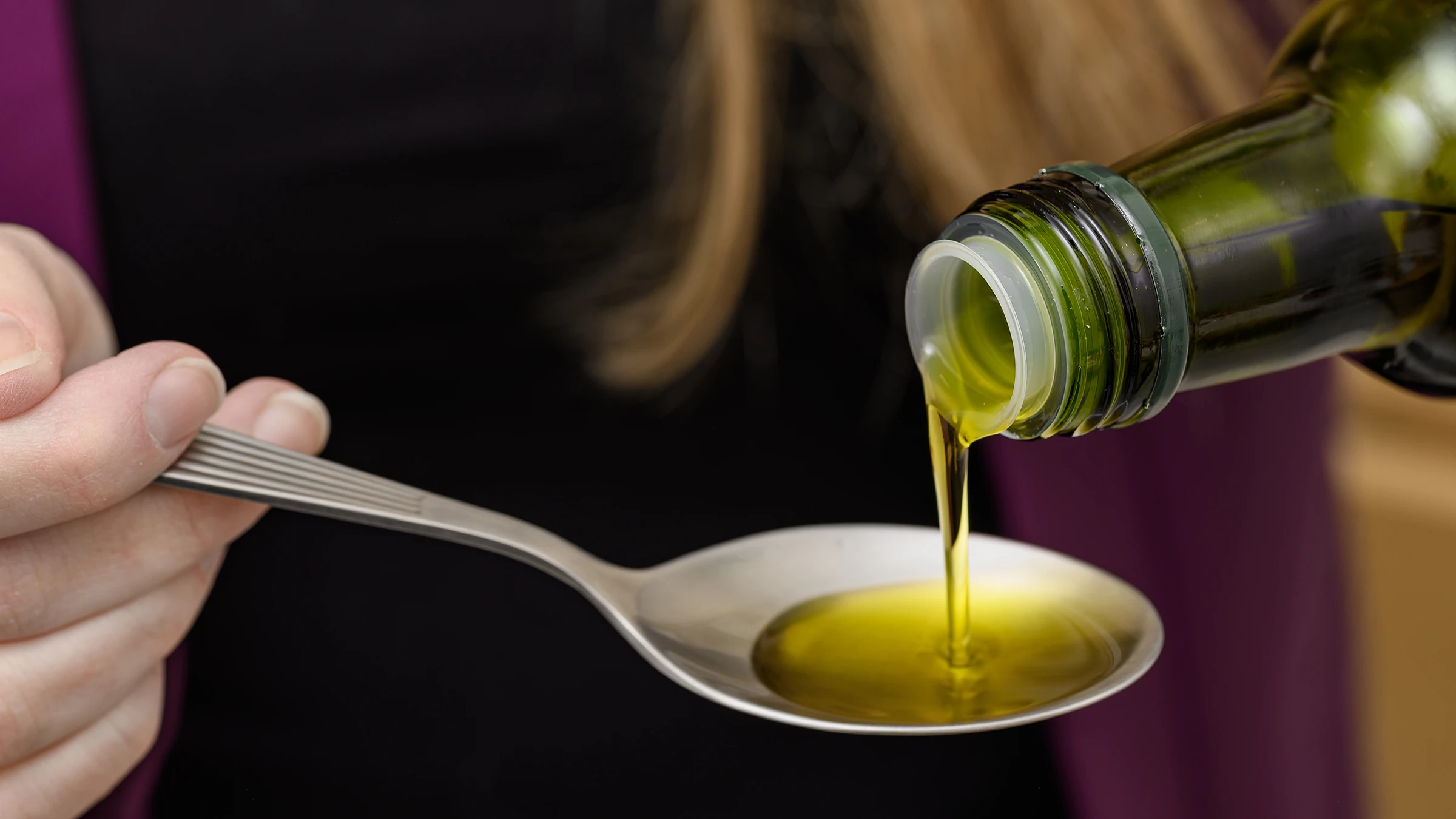
Potential Benefits of Drinking Olive Oil
The possible benefits of drinking olive oil mostly come from replacing less healthy fats, not from swallowing oil by itself. Research on Mediterranean-style eating patterns supports olive oil as part of a balanced diet.
It may support heart health
Replacing butter or shortening with extra-virgin olive oil can improve the fat quality of your diet. Monounsaturated fat may help maintain healthier LDL and HDL cholesterol levels.
Some olive oils contain polyphenols that help protect LDL cholesterol from oxidation. This does not mean olive oil removes plaque or cures heart disease. It means olive oil can be one useful part of a heart-smart eating pattern.
It may help with bowel movements
Fat can encourage the release of digestive hormones and may help stool move through the intestines. For some adults, a small amount of olive oil may make bowel movements easier.
This effect is not guaranteed. Constipation often needs more water, fiber, movement, and a review of medicines or health conditions. If constipation is severe or lasts for weeks, olive oil is not a substitute for medical care.
It may help you absorb certain nutrients
Your body needs dietary fat to absorb vitamins A, D, E, and K. Adding olive oil to vegetables, beans, or salads can help your body use some of these nutrients.
This is one reason using olive oil in meals may be more useful than drinking olive oil alone. A salad with olive oil, tomatoes, leafy greens, and beans provides fiber and nutrients that an oil shot cannot provide.
It may offer antioxidant support
Extra-virgin olive oil is less processed than refined olive oil. It can contain polyphenols, vitamin E, and other compounds with antioxidant activity.
The term “antioxidant” does not mean the oil cleanses your blood or prevents every disease. Health benefits are linked to long-term eating patterns, not one food or one daily ritual.
It may reduce hunger for some people
Fat digests more slowly than simple carbohydrates. A small amount of olive oil with a meal may help some people feel satisfied for longer.
Yet drinking olive oil for appetite control can backfire. Liquid calories are easy to consume and may not feel as filling as solid foods. Protein, vegetables, beans, fruit, and whole grains usually offer more fullness per calorie.
Does Drinking Olive Oil Help You Lose Weight?
Drinking olive oil does not directly burn body fat. It contains calories, and weight loss still depends on your total energy intake, activity, sleep, and eating habits.
The better approach is to use olive oil instead of high-calorie saturated fats. For example, replace butter on vegetables with a measured teaspoon of olive oil. Do not simply add a tablespoon of oil to your normal meals.
A practical serving may be one to two teaspoons at first. If you enjoy it and it fits your calorie needs, you can use more as part of meals. Measuring the oil matters because a free pour can quickly become several tablespoons.
For weight management, focus on:
• Using olive oil in place of butter, cream sauces, or shortening
• Adding vegetables, beans, fruit, and whole grains
• Including protein at meals
• Watching portion sizes
• Choosing water or unsweetened drinks
• Staying active in a way you can maintain
What does drinking olive oil do for weight loss? At best, it may help with fullness when used wisely. By itself, it does not cause meaningful fat loss.

Drinking Olive Oil Versus Eating It With Food
Taking olive oil straight from a spoon is popular in wellness videos. Eating it with food is usually easier on the stomach and more useful nutritionally.
When olive oil is mixed with a meal, it can improve the flavor and help your body absorb fat-soluble nutrients. It also encourages a balanced eating habit rather than treating oil like medicine.
Try these simple options:
• Drizzle extra-virgin olive oil over roasted vegetables
• Mix it with vinegar, lemon juice, and herbs for dressing
• Use it with beans, lentils, or whole-grain bread
• Add a small amount to soup after cooking
• Use it to sauté vegetables at moderate heat
A common mistake is taking an oil shot and then eating the same high-calorie breakfast. In that case, the oil adds calories without replacing anything.
In practical nutrition coaching, one lesson comes up again and again: the best food habit is the one that fits your routine. If drinking olive oil makes you feel sick, there is no reason to force it. You can receive the same type of dietary fat by using the oil in meals.
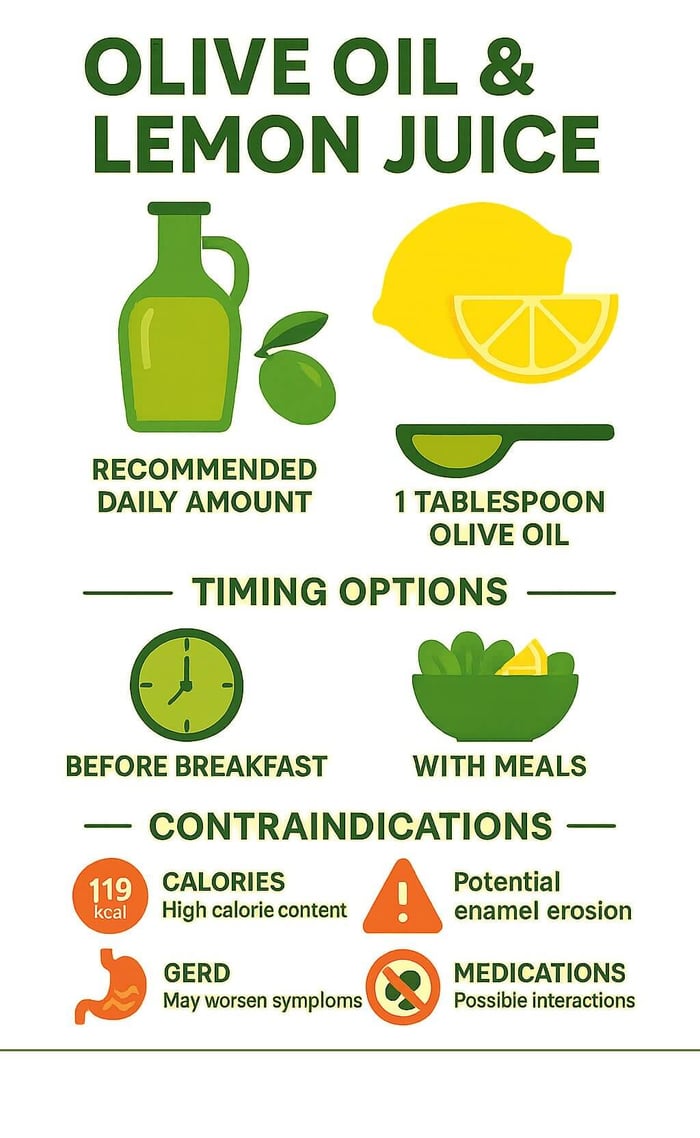
How Much Olive Oil Can You Drink?
There is no official requirement to drink olive oil by itself. Olive oil counts toward your total daily fat and calorie intake.
Many people can use one to two tablespoons across the day as part of a balanced diet. Your needs may be lower or higher based on your age, activity, health goals, and other foods you eat.
If you want to try drinking olive oil, follow these steps:
-
Start with one teaspoon with food.
-
Wait to see whether you notice nausea, cramps, reflux, or diarrhea.
-
Increase only if you tolerate it and the calories fit your plan.
-
Prefer extra-virgin olive oil from a fresh, reputable bottle.
-
Stop if it causes repeated symptoms.
More is not better. Large amounts can cause stomach upset and add hundreds of calories. A daily tablespoon is not automatically healthy if your overall diet is poor or your calorie intake is already high.

Possible Side Effects and Safety Concerns
For most healthy adults, moderate olive oil use is safe. Drinking a large amount at once can still cause unwanted effects.
Possible side effects include:
• Nausea
• Diarrhea or loose stools
• Stomach cramps
• Bloating
• Heartburn or reflux
• Unwanted calorie intake
People with gastroesophageal reflux disease may find that high-fat foods worsen symptoms. Anyone with gallbladder disease may also notice pain after fatty foods. If you have known gallstones or pancreatitis, ask a health professional before making a large change in fat intake.
Olive oil can also be unsafe if someone tries to force it down another person’s throat. Liquid oil can enter the airway, especially in children, older adults, or people with swallowing problems.
Seek medical advice for severe abdominal pain, yellow skin, vomiting, bloody stools, or ongoing diarrhea. These symptoms need proper evaluation, not a home remedy.
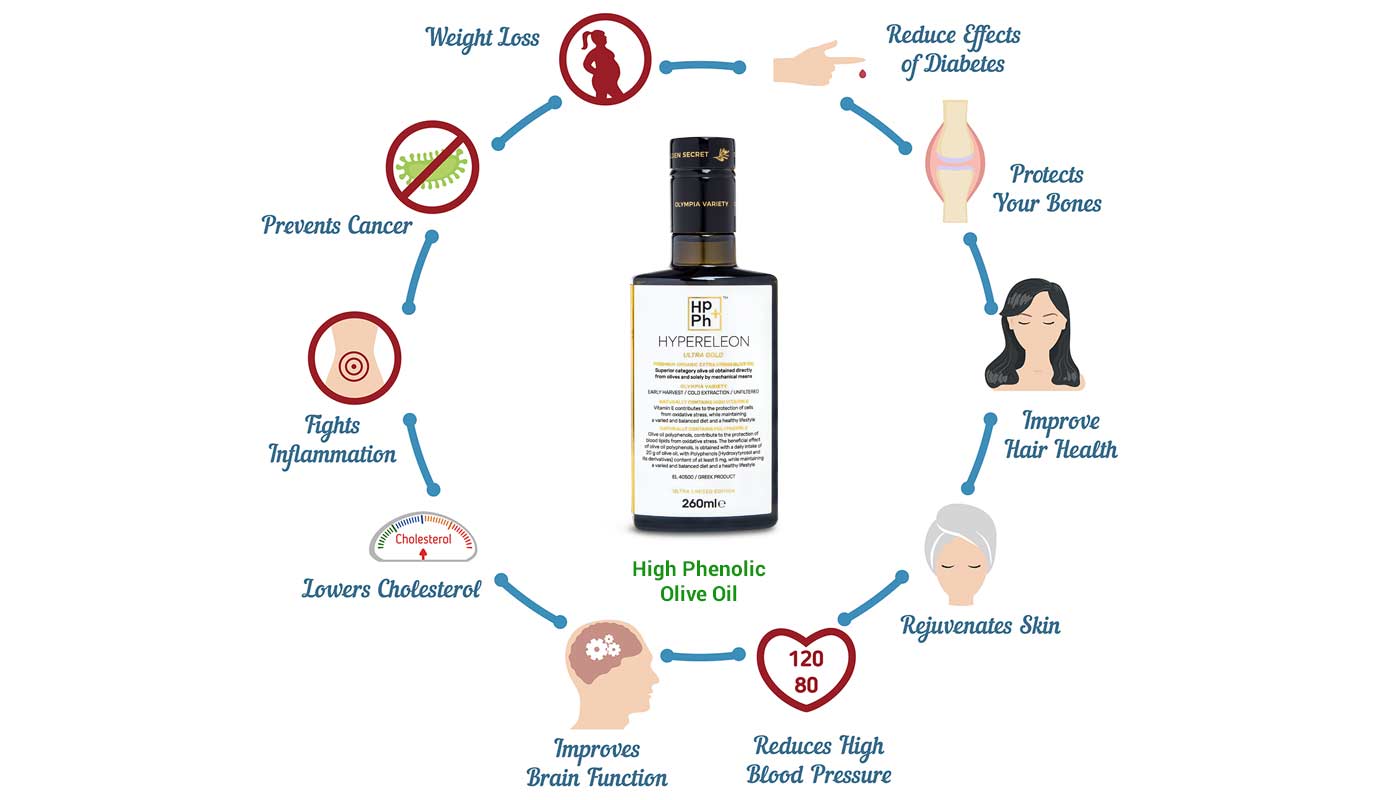
Who Should Avoid Drinking Olive Oil?
You may want to avoid olive oil shots or discuss them with a clinician if you:
• Have frequent acid reflux
• Have gallbladder pain or gallstones
• Have chronic diarrhea or an intestinal condition
• Need to follow a strict calorie-controlled diet
• Have trouble swallowing
• Have a history of pancreatitis
• Are giving oil to a child
Olive oil used in normal food portions may still be suitable for many people in these groups. The concern is usually the concentrated dose, not the ingredient itself.
If you take prescription medicine, do not use olive oil as a treatment or attempt to replace medical advice. Olive oil is food, not a proven cure for ulcers, liver disease, diabetes, infections, or constipation.

Extra-Virgin Olive Oil or Regular Olive Oil?
Extra-virgin olive oil is produced without chemical refining and must meet quality standards for flavor and acidity. It usually has more natural polyphenols than refined olive oil.
Regular or “light” olive oil is lighter in color and flavor, but “light” does not mean low calorie. It often refers to a milder taste or a higher level of processing.
When choosing olive oil:
• Look for “extra-virgin” on the label
• Check the harvest date when available
• Choose a dark bottle or tin
• Buy a size you can use while it is fresh
• Store it in a cool, dark cupboard
• Keep the cap tightly closed
Do not assume the most expensive bottle is always the best. Freshness, proper storage, and a trustworthy producer matter. A bitter or peppery taste can be normal in fresh extra-virgin olive oil because of its plant compounds.

What the Research Really Suggests
Large studies of Mediterranean-style diets link olive oil use with better cardiovascular outcomes. These diets also include vegetables, fruit, legumes, fish, whole grains, and moderate portions of dairy and meat.
That makes it difficult to prove that drinking olive oil alone creates the benefit. Healthy people who use olive oil may also exercise more, eat more plants, and smoke less. This is why researchers study overall eating patterns rather than one “magic” food.
Some research suggests extra-virgin olive oil may help reduce inflammation markers and improve blood vessel function. Results vary, and many studies examine olive oil as part of meals rather than as a daily shot.
A qualified health claim in the United States allows wording that olive oil may reduce the risk of coronary heart disease when it replaces fats higher in saturated fat and does not increase total daily calories. This is a replacement benefit, not proof that extra olive oil is always beneficial.

Simple Ways to Use Olive Oil Safely
You do not need a wellness routine to enjoy olive oil. Small, steady changes often work better than extreme habits.
Try this simple plan:
-
Use one teaspoon on vegetables, beans, or salad.
-
Replace butter or shortening instead of adding oil on top of your normal diet.
-
Keep portions measured for a week.
-
Notice your digestion and reflux symptoms.
-
Build meals around plants and protein.
-
Use extra-virgin olive oil for dressings and finishing.
-
Use a suitable cooking oil based on the heat and recipe.
A useful plate might include roasted vegetables, chickpeas, brown rice, and a lemon olive oil dressing. That meal gives you fiber, protein, vitamins, minerals, and satisfying flavor. Drinking olive oil alone gives you mostly fat and calories.
Frequently Asked Questions About What Does Drinking Olive Oil Do
Is drinking olive oil every morning healthy?
Drinking olive oil every morning is not necessary for good health. It may be safe in a small amount for many adults, but using olive oil with a balanced meal is usually more helpful and easier to tolerate.
Does drinking olive oil detox the liver?
No, drinking olive oil does not detox or cleanse the liver. Your liver already processes substances in the body, and no strong evidence shows that an olive oil shot removes toxins.
Can drinking olive oil make you poop?
It may help some people have a bowel movement because fat can stimulate digestion. It can also cause diarrhea or cramps, so use a small amount and seek medical advice for ongoing constipation.
Does drinking olive oil lower cholesterol?
Olive oil may support healthier cholesterol levels when it replaces butter, lard, or other saturated fats. It should not replace cholesterol medicine or a treatment plan prescribed by a clinician.
Is it better to drink olive oil or eat it with food?
Eating olive oil with food is usually the better choice. It can improve flavor, support absorption of fat-soluble vitamins, and reduce the chance of stomach upset from a concentrated dose.
How much olive oil should you drink for weight loss?
There is no proven amount of olive oil that causes weight loss. If you use it, measure a small portion and replace another fat rather than adding extra calories.
Can drinking olive oil cause side effects?
Yes. Large amounts may cause nausea, diarrhea, cramps, reflux, or weight gain from excess calories. People with gallbladder disease, reflux, swallowing problems, or pancreatitis should ask a health professional for guidance.
Conclusion
So, what does drinking olive oil do? It provides monounsaturated fat and, in extra-virgin oil, helpful plant compounds. It may support heart health and digestion when used as part of a balanced diet, but it does not detox the body, melt fat, or cure disease.
For most people, the smartest choice is to measure olive oil and use it with vegetables, beans, whole grains, and other nutritious foods. Choose it in place of less healthy fats, not as an extra daily shot. Try a small amount, listen to your body, and share your favorite olive oil meal or question in the comments.