
Olive oil is rich in monounsaturated fat, a heart-friendly fat that supports balanced, nutritious eating.
Olive oil monounsaturated fat is one reason extra virgin olive oil is a popular choice in Mediterranean-style diets. This guide explains what it is, how it may support health, how much to use, and which common mistakes to avoid.
What Is Olive Oil Monounsaturated Fat?
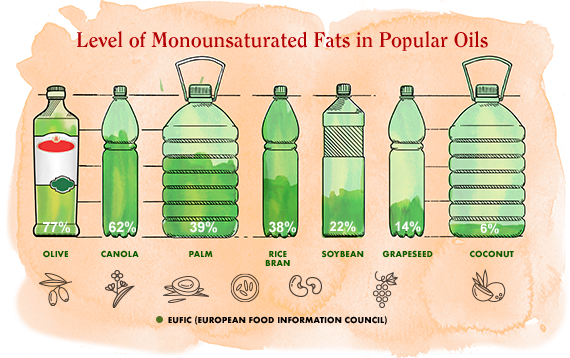
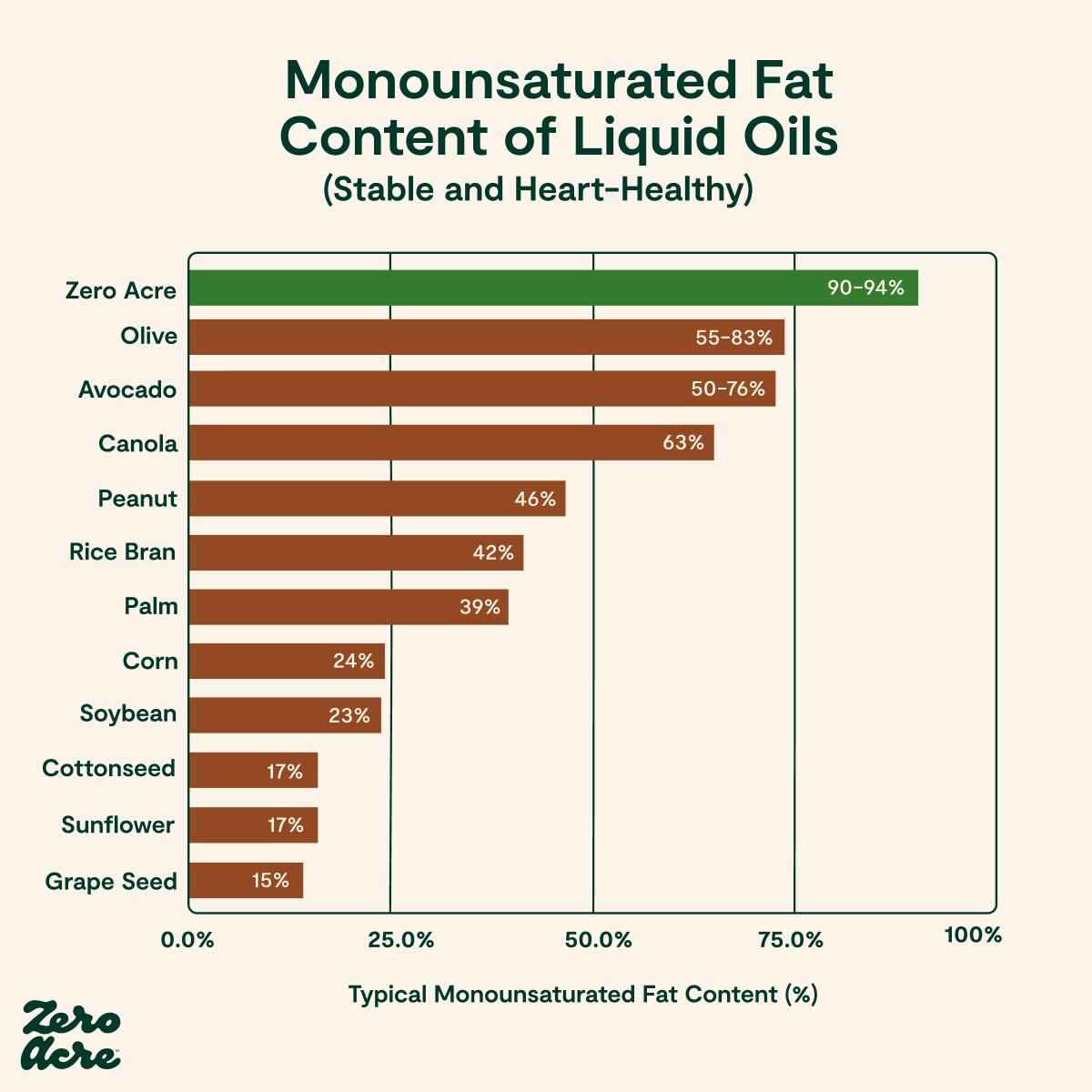
Olive oil monounsaturated fat is a type of dietary fat with one double bond in its chemical structure. The main monounsaturated fat in olive oil is oleic acid. It usually makes up about 55% to 83% of the oil, depending on the olive variety, growing region, harvest time, and storage conditions.
Unlike saturated fat, monounsaturated fat is often linked with a healthier blood lipid pattern. It can help replace foods high in saturated fat, such as butter, shortening, and fatty processed meats.
Olive oil also contains small amounts of polyunsaturated fat and saturated fat. Its value is not based on one nutrient alone. It comes from the full package of:
• Monounsaturated fat
• Plant compounds called polyphenols
• Vitamin E
• Vitamin K
• A pleasant flavor that makes healthy meals easier to enjoy
Think of olive oil as more than a cooking liquid. It is a simple way to add useful fat, flavor, and texture to everyday food.

Olive Oil Fat Profile Explained
A tablespoon of olive oil contains about 119 calories and 14 grams of fat. Most of that fat is monounsaturated fat. The exact numbers can vary slightly by brand and type.
Here is a general breakdown of olive oil’s fat content:
| Fat type | Approximate share |
|---|---|
| Monounsaturated fat | 55% to 83% |
| Polyunsaturated fat | About 4% to 21% |
| Saturated fat | About 8% to 20% |
Extra virgin olive oil is made from olives by mechanical methods. It has no chemical refining and must meet standards for taste and acidity. Regular olive oil is often refined and then blended with some virgin olive oil. It still contains olive oil monounsaturated fat, but it may have fewer natural plant compounds.
The label can help you choose:
• Extra virgin olive oil has the strongest flavor and usually more natural antioxidants.
• Virgin olive oil has good flavor but may have a wider range of taste and quality.
• Light olive oil does not mean low calorie. It usually means lighter flavor and color.
• Olive oil blends may contain other oils, so read the ingredient list carefully.
Olive oil monounsaturated fat remains present in all pure olive oils. However, flavor, freshness, and polyphenol levels can differ.
Health Benefits of Olive Oil Monounsaturated Fat
Heart health
Replacing saturated fat with monounsaturated fat may help improve cholesterol levels. For example, using olive oil instead of butter can lower the amount of saturated fat in a meal.
The American Heart Association supports replacing saturated and trans fats with unsaturated fats when possible. This change may help lower low-density lipoprotein, or LDL, cholesterol. LDL is often called “bad” cholesterol because high levels can contribute to plaque buildup in the arteries.
Olive oil is not a medicine. It cannot erase the effects of smoking, inactivity, or an overall poor diet. Still, olive oil monounsaturated fat can fit well into a heart-supportive eating pattern.
Blood sugar support
Research on Mediterranean-style diets suggests that replacing refined carbohydrates and saturated fat with unsaturated fat may support better blood sugar control. Olive oil may also help make meals more satisfying, which can reduce the urge to snack soon after eating.
The food around the oil matters, too. Olive oil drizzled over beans, vegetables, and whole grains is a different choice from olive oil added to a large serving of refined pasta or fried food.
Lower inflammation
Extra virgin olive oil contains phenolic compounds. Some of these compounds have antioxidant and anti-inflammatory effects in laboratory and human studies.
These effects are promising, but they should not be overstated. Olive oil cannot treat chronic inflammation by itself. Sleep, exercise, stress, body weight, and the rest of the diet all play important roles.
Better nutrient absorption
Some vitamins need fat for proper absorption. These include vitamins A, D, E, and K. Adding a small amount of olive oil to vegetables can help your body absorb certain fat-soluble nutrients.
A simple example is a salad with leafy greens, tomatoes, peppers, and olive oil dressing. The oil adds flavor while helping turn a bowl of vegetables into a more complete meal.
Extra Virgin Olive Oil Versus Other Oils
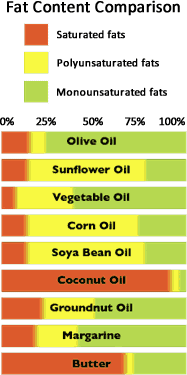
Many cooking oils contain unsaturated fat. The best choice depends on the food, cooking method, taste, budget, and personal health needs.
Olive oil monounsaturated fat is especially notable because extra virgin olive oil also contains natural plant compounds. Avocado oil is another source of monounsaturated fat. Canola oil contains a mix of monounsaturated and polyunsaturated fats. Coconut oil, in contrast, is much higher in saturated fat.
A practical comparison looks like this:
• Olive oil works well in dressings, roasting, sautéing, and gentle pan cooking.
• Canola oil has a mild taste and works well for baking and general cooking.
• Avocado oil has a mild taste and a high smoke point, but it may cost more.
• Butter adds flavor but contains more saturated fat.
• Coconut oil is useful for some recipes but should not be treated as a heart-health cure.
No single oil is perfect for every dish. Rotating unsaturated oils can add variety while keeping saturated fat moderate.

Is Olive Oil Good for Cooking?
Yes. Olive oil can be used for many common cooking methods, including sautéing, roasting, baking, and pan cooking. Its smoke point varies with quality, freshness, and processing, but typical home cooking temperatures are usually suitable.
Smoke point is the temperature at which an oil begins to smoke. A smoking pan is a sign to lower the heat, not proof that olive oil suddenly becomes toxic. Any oil can degrade when overheated.
Use these practical tips:
- Heat the pan over medium heat rather than high heat.
- Add enough oil to lightly coat the food.
- Avoid leaving oil to smoke for long periods.
- Use fresh oil for better flavor and quality.
- Store the bottle away from heat, light, and air.
Extra virgin olive oil often tastes best when used in dressings, dips, soups, and finishing. Refined olive oil has a milder taste and may suit recipes where you do not want a strong olive flavor.
:max_bytes(150000):strip_icc()/olive-oil_annotated32-d35d3a7953dc4ca998c326ace6df630c.jpg)
How Much Olive Oil Should You Use?
Olive oil monounsaturated fat is healthy, but olive oil is still calorie dense. One tablespoon provides about 119 calories. Large pours can add hundreds of calories without feeling like much food.
For many meals, one to two teaspoons is enough for vegetables or a small salad. One tablespoon may work well for a larger salad, a pan of vegetables, or a marinade.
Try these portion tips:
• Measure oil with a teaspoon or tablespoon when calories matter.
• Use a spray bottle carefully, since sprays can still add calories.
• Mix olive oil with lemon juice, vinegar, herbs, or yogurt for a lighter dressing.
• Brush oil onto food instead of pouring freely.
• Pair the oil with high-fiber foods, such as lentils, beans, vegetables, and whole grains.
Your ideal amount depends on your calorie needs and overall eating pattern. The goal is not to fear fat. It is to use a helpful amount with intention.
Possible Limitations and Mistakes to Avoid
Olive oil monounsaturated fat offers benefits, but olive oil is not automatically healthy in every situation. A meal can still be high in calories if it contains too much oil.
Common mistakes include:
• Treating “extra virgin” as a license to eat unlimited amounts
• Using olive oil with highly processed foods and assuming the whole meal is healthy
• Leaving the bottle beside a hot stove
• Buying a large bottle that stays open for many months
• Assuming “light olive oil” has fewer calories
• Using an old bottle with a stale, waxy, or crayon-like smell
• Reusing oil many times after heating it
Some people also need to limit dietary fat because of specific medical conditions. If you have gallbladder disease, digestive problems, or a prescribed diet, ask a qualified health professional for personal advice.
Olive oil allergies are uncommon, but they can occur. Stop using it and seek medical guidance if you notice symptoms such as swelling, hives, vomiting, or trouble breathing.
How to Choose and Store Olive Oil
Freshness has a major effect on flavor. Good olive oil should smell fresh and pleasant. Depending on the variety, it may have grassy, fruity, peppery, or slightly bitter notes.
Use this shopping checklist:
• Choose a dark glass bottle or a sealed metal container.
• Look for a harvest date when available.
• Buy a size you can use within a few months after opening.
• Select a trusted producer with clear labeling.
• Check that the bottle has not been stored under bright lights.
• Do not assume a higher price always means better quality.
Store olive oil in a cool, dark cupboard. Keep the cap tightly closed. Heat, light, and oxygen can slowly damage the oil and weaken its flavor.
A practical lesson from testing oils in everyday recipes is that storage often matters more than people expect. A great bottle can taste flat if it sits beside the stove for a year. Smaller bottles are often a better choice for homes that use oil slowly.
Easy Ways to Add Olive Oil to Your Diet
You do not need complex recipes to enjoy olive oil monounsaturated fat. Small changes can make a familiar meal more satisfying.
Try these ideas:
• Drizzle olive oil over roasted carrots, potatoes, or broccoli.
• Add it to a dressing with lemon juice, garlic, and black pepper.
• Use it to sauté onions, mushrooms, or spinach.
• Stir a teaspoon into bean soup before serving.
• Dip whole grain bread into olive oil with herbs.
• Add it to hummus or homemade pesto.
• Brush it over fish or chicken before roasting.
• Toss it with tomatoes, cucumbers, beans, and fresh herbs.
One mistake I often see in home cooking is pouring oil straight from the bottle into a pan. Measuring first gives you better control and helps the flavor stand out without making the dish greasy.
Olive Oil in a Mediterranean-Style Diet
Olive oil is a central fat in Mediterranean-style eating, but it is only one part of that pattern. Meals also tend to include vegetables, fruit, beans, lentils, whole grains, nuts, seeds, fish, and modest amounts of dairy and meat.
This pattern focuses on food quality and balance. Olive oil monounsaturated fat helps replace some butter and other fats, while fiber-rich foods provide volume and nutrients.
A simple day might include:
• Oatmeal with fruit and nuts
• A bean and vegetable salad with olive oil dressing
• Whole grain bread with olive oil and herbs
• Roasted fish with vegetables
• Lentil soup finished with a small drizzle of olive oil
The Mediterranean approach is flexible. You do not need to follow a strict menu or eat foods from one country. The main lesson is to build meals around minimally processed plant foods and use unsaturated fats wisely.
Frequently Asked Questions About Olive Oil Monounsaturated Fat
Is olive oil mostly monounsaturated fat?
Yes. Most of the fat in olive oil is monounsaturated fat, mainly oleic acid. The percentage varies by olive type, climate, harvest, and processing.
Is olive oil monounsaturated fat better than saturated fat?
Replacing saturated fat with monounsaturated fat may support healthier LDL cholesterol levels. The benefit comes from the replacement, not simply from adding more oil to the diet.
Does olive oil contain omega 3 fatty acids?
Olive oil contains only a small amount of omega 3 fat. It should not replace foods rich in omega 3s, such as salmon, sardines, walnuts, chia seeds, and ground flaxseed.
Is extra virgin olive oil healthier than regular olive oil?
Extra virgin olive oil usually contains more natural phenolic compounds because it is less processed. Both types contain olive oil monounsaturated fat, but extra virgin oil generally has a stronger taste and more distinct aroma.
Can olive oil help lower cholesterol?
It may help when it replaces butter, lard, or other sources of saturated fat. Your total diet, activity level, genetics, and medical history also affect cholesterol.
Is olive oil safe for high-heat cooking?
Olive oil can be used for many home cooking methods, including roasting and sautéing. Avoid letting it smoke for a long time, and choose a milder refined olive oil if you prefer a neutral taste.
Does olive oil cause weight gain?
Olive oil can contribute to weight gain if it adds more calories than your body needs. Use measured portions and pair it with filling foods such as vegetables, beans, and whole grains.
How should olive oil be stored?
Keep it tightly sealed in a cool, dark place away from the stove. A dark bottle or metal container helps protect the oil from light.
Conclusion
Olive oil monounsaturated fat is a useful part of a balanced diet, especially when it replaces butter, shortening, and other fats high in saturated fat. Extra virgin olive oil also provides plant compounds that add flavor and potential health value.
Use it in sensible portions, choose fresh oil, and store it well. Add it to vegetables, beans, whole grains, fish, and salads for simple meals that taste good and support a healthy eating pattern. Try one small change this week, then explore more olive oil recipes and share your favorite way to use it.