
Yes, you can use a slow cooker to cook rice, but it is not a full replacement for a rice cooker. A slow cooker can make good rice when you use the right liquid ratio, heat setting, and cooking time. However, it usually takes longer and may produce less even results.
For most U.S. kitchens, a dedicated rice cooker is easier for regular rice meals. A slow cooker works best when you already have one, need to cook a large batch, or want rice to cook alongside a stew or another slow-cooked dish.

Slow Cooker vs. Rice Cooker: What Is the Difference?
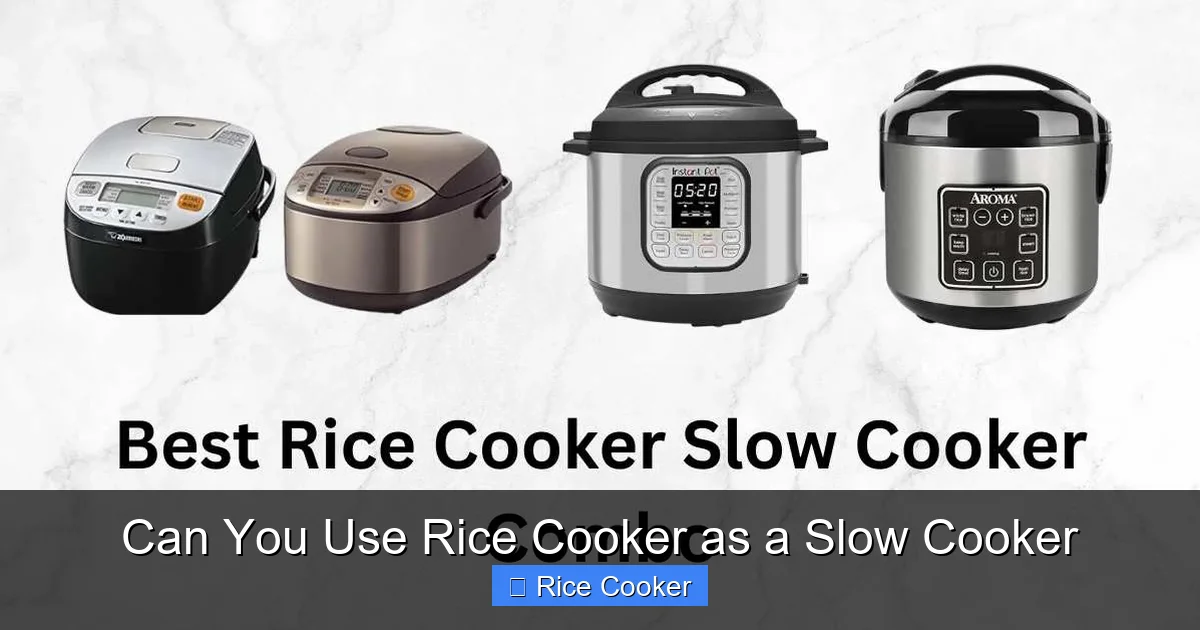
A slow cooker cooks food with steady, low heat over a long period. A rice cooker is designed to bring water to a boil, cook the rice, and often switch to a warm setting when the water has been absorbed.
This difference matters because rice needs a controlled cooking cycle. The water must reach a high enough temperature to soften the grains. Then the rice needs a short rest so extra moisture can spread through the batch.
A basic slow cooker may not control these stages as precisely. Its thick ceramic crock heats slowly. Some models also heat more strongly around the sides than in the center. This can lead to:
- Soft rice near the edges
- Firm rice in the middle
- Rice that sticks to the bottom
- Extra moisture
- A longer cooking time
- Uneven results with brown rice or wild rice
A rice cooker uses a thermostat or sensor to manage the cooking cycle. Many models also have settings for white rice, brown rice, sushi rice, or quick cooking. A slow cooker normally offers only low, high, and sometimes warm settings.
The practical answer: A slow cooker can cook rice, but a rice cooker is built for the job and usually gives more repeatable results.

How to Cook Rice in a Slow Cooker
Use a small or medium batch the first time. A large batch can cook unevenly, especially in a deep slow cooker.
What You Need
For basic white rice, gather:
- 1 cup long-grain white rice
- 1 ½ to 2 cups water or broth
- 1 teaspoon oil or butter, optional
- Salt, optional
- A slow cooker with a working lid
The amount of liquid depends on the rice and the slow cooker. Start with 1 ½ cups of liquid for long-grain white rice if your cooker runs hot and seals well. Use closer to 2 cups if the cooker loses more moisture or tends to cook slowly.
Step-by-Step Method
-
Read the slow cooker manual. Check whether the manufacturer gives instructions for grains or rice. Some manuals may warn against cooking certain foods or using the appliance in a particular way.
-
Rinse the rice if you want less surface starch. Place the rice in a fine mesh strainer and rinse it under cool water until the water looks less cloudy. This can reduce stickiness, though it does not remove all starch.
-
Add the rice and liquid. Put both into the slow cooker. Add salt, broth, or a small amount of oil if desired.
-
Spread the rice into an even layer. This helps the grains cook more evenly.
-
Cover the slow cooker. Keep the lid closed during cooking. Each time you lift the lid, heat and steam escape.
-
Cook on high. Most slow cookers need about 1½ to 2½ hours for white rice. The exact time depends on the model, batch size, rice type, and starting temperature of the liquid.
-
Check near the expected finish time. Look for tender grains and little or no free liquid. If the rice is firm but the cooker is dry, add 2 to 4 tablespoons of hot water, cover it, and continue cooking.
-
Rest the rice. Turn off the slow cooker and let the rice sit covered for about 10 to 15 minutes. This lets the moisture move through the grains.
-
Fluff with a fork. Do not stir hard, since that can break the grains and make the rice gummy.
Do not rely only on the clock. Slow cookers vary widely. The first batch is a test that helps you learn how your model handles rice.

Best Rice-to-Water Ratios for a Slow Cooker
The right ratio depends on the rice type and how much moisture your slow cooker retains. The following amounts are reasonable starting points, not universal rules.
| Rice type | Rice | Starting liquid | Approximate time on high |
|---|---|---|---|
| Long-grain white rice | 1 cup | 1½–2 cups | 1½–2½ hours |
| Jasmine rice | 1 cup | 1½–1¾ cups | 1½–2¼ hours |
| Basmati rice | 1 cup | 1½–1¾ cups | 1½–2¼ hours |
| Medium-grain white rice | 1 cup | 1¾–2 cups | 2–2½ hours |
| Brown rice | 1 cup | 2–2½ cups | 2½–3½ hours |
| Wild rice | 1 cup | 3–4 cups | 3–4 hours |
These times are estimates. A slow cooker set on low may take much longer and may not produce a strong enough simmer for every rice type.
Why Slow Cooker Ratios Differ From Stovetop Ratios
A slow cooker has a large surface area and may lose less or more moisture than a covered saucepan. Its shape also changes how heat reaches the rice.
A stovetop recipe often uses a fixed ratio because the pan reaches a boil quickly. A slow cooker warms more slowly. Some water may remain in the crock before the rice reaches a steady cooking temperature.
For that reason, adding a little more liquid than you would use in a saucepan may help. Adding too much, however, can create mushy rice.
Use the first batch to adjust one variable at a time. If the rice is hard and the crock is dry, add more liquid next time. If the rice is wet and soft, reduce the liquid or cook longer with the lid on.

How to Cook Different Types of Rice
White Rice
White rice is the easiest type to cook in a slow cooker. Long-grain white rice is often the best starting point because it tends to stay more separate than short-grain rice.
Use high heat, keep the lid closed, and check the rice after about 90 minutes. If the grains are almost tender, let them rest with the lid on rather than adding a large amount of extra water.
Jasmine and Basmati Rice
Jasmine and basmati rice can work well, but they need care because they are naturally aromatic and can become soft if overcooked.
Rinse the rice first if you prefer a lighter texture. Use less liquid than you would for brown rice. Basmati rice may benefit from a short soak, but soaking changes the cooking time and may require less water.
Brown Rice
Brown rice has an outer bran layer, so it needs more water and more time than white rice. It may take about 2½ to 3½ hours on high in a slow cooker.
Brown rice is more forgiving when it has enough liquid, but it can still remain firm if the slow cooker does not get hot enough. If your cooker produces inconsistent heat, a stovetop pot or rice cooker with a brown-rice setting may be more reliable.
Wild Rice
Wild rice is a water-absorbing seed rather than a true rice grain, but it is commonly cooked like rice. It usually needs much more liquid and a longer cooking time.
A slow cooker can work well for wild rice in soups, casseroles, and grain blends. For plain wild rice, use plenty of liquid and drain any excess after cooking if needed.
Sticky, Sushi, or Short-Grain Rice
Short-grain rice contains more starch and naturally becomes sticky. A slow cooker can cook it, but the result may be softer than expected.
If you need a precise texture for sushi, rice bowls, or molded rice, a rice cooker or covered saucepan is usually the better choice. Use a slow cooker only when a soft, sticky texture is acceptable.

Can You Cook Rice and Meat Together in a Slow Cooker?
Yes, but the recipe must provide enough liquid and cooking time for both the meat and rice. Adding dry rice to a slow cooker several hours after the meat begins cooking does not always work well.
Rice can become overcooked while the meat finishes. It can also absorb liquid needed to keep the meat tender. For that reason, many recipes cook the meat first and add rice during the final part of the process.
Safer Method for Meat-and-Rice Recipes
- Follow a tested recipe made for your slow cooker.
- Use thawed meat unless the recipe specifically supports another method.
- Cut meat into similar-size pieces.
- Make sure the meat reaches a safe internal temperature.
- Use a food thermometer rather than judging doneness by appearance.
- Add rice at the time stated in the recipe.
- Do not leave cooked rice and meat at room temperature for long periods.
The U.S. Department of Agriculture advises using a food thermometer to check meat and poultry. Safe temperatures vary by food, so consult the USDA cooking temperature chart. Rice does not make an undercooked meat dish safe.
Is Rice Safe to Leave in a Slow Cooker?
Cooked rice should not sit at room temperature for an extended period. Rice can contain spores of Bacillus cereus, a bacterium that may survive cooking. If cooked rice cools slowly or stays warm under poor conditions, bacteria may grow and produce toxins.
The USDA recommends keeping hot food at 140°F or above and refrigerating perishable food within two hours. If the surrounding temperature is above 90°F, such as at an outdoor gathering, refrigerate it within one hour.
A slow cooker’s warm setting may keep food hot, but do not assume that every model holds a safe temperature. Check the manual or measure the food with a food thermometer.
For leftovers:
- Move the rice into shallow containers.
- Refrigerate it promptly.
- Use leftovers within the time recommended by the USDA.
- Reheat rice until it is steaming hot throughout.
- Throw it away if it has been left out too long or smells unusual.
Do not use a slow cooker to cool cooked rice. Cooling should happen quickly in shallow containers in the refrigerator.

Common Slow Cooker Rice Problems and Fixes
The Rice Is Still Hard
Likely causes:
- The slow cooker does not run hot enough.
- The lid was lifted too often.
- There was not enough liquid.
- The batch was too large or too deep.
- The cooking time was too short.
What to do: Add a small amount of hot water, cover the cooker, and continue cooking on high. If the rice remains hard after a reasonable cooking period, the appliance may not reach a suitable temperature for that recipe.
The Rice Is Mushy
Likely causes:
- Too much liquid
- Overcooking
- Stirring during cooking
- A rice type that naturally becomes soft
What to do: Let the rice rest uncovered for a few minutes only after cooking is complete. Next time, reduce the liquid slightly and stop cooking as soon as the grains are tender.
The Rice Is Burned on the Bottom
Likely causes:
- A hot-running slow cooker
- Too little liquid
- A very small batch in a large crock
- Cooking too long after the water is absorbed
What to do: Do not scrape burned rice into the rest of the batch. For the next attempt, use more liquid, a larger batch if the manual permits it, or a shorter cooking time.
The Rice Is Unevenly Cooked
Likely causes:
- An oversized crock
- Too much rice
- Uneven heating
- A poor rice-to-liquid ratio
What to do: Spread the rice in a thin, even layer. Avoid filling the slow cooker too little or too much. If the problem continues, use a saucepan or rice cooker.
The Rice Sticks to the Crock
Some sticking is normal. Rice can stick more when the liquid is fully absorbed and the cooker stays on heat.
A light coating of oil may help. You can also turn off the slow cooker as soon as the rice is tender and let it rest with the lid on. Avoid metal tools that can scratch a ceramic or nonstick surface.

When a Slow Cooker Is a Good Choice
A slow cooker makes sense for rice when:
- You do not own a rice cooker.
- You need rice as part of a slow-cooker meal.
- You are preparing a moderate or large batch.
- The recipe allows rice to cook during the final stage.
- You can monitor the first batch and adjust the liquid.
- A slightly softer texture is acceptable.
It is less suitable when you need:
- Rice ready at an exact time
- Separate, fluffy grains
- Small single servings
- Fast cooking
- Reliable brown-rice results
- A keep-warm cycle designed for rice
- Several rice types cooked with different settings
A slow cooker is a useful backup tool. It is not usually the most efficient tool for plain rice.

Slow Cooker Rice vs. Other Cooking Methods
| Method | Typical strengths | Main limits |
|---|---|---|
| Slow cooker | Hands-off cooking; useful for large meals | Slow; less precise; may cook unevenly |
| Rice cooker | Consistent results; automatic cooking and warming | Requires another appliance |
| Covered saucepan | Fast; flexible; low equipment cost | Needs closer attention |
| Pressure cooker | Fast for many grains; sealed cooking | Requires correct liquid and pressure settings |
| Microwave rice cooker | Convenient for small batches | Batch size and texture can vary |
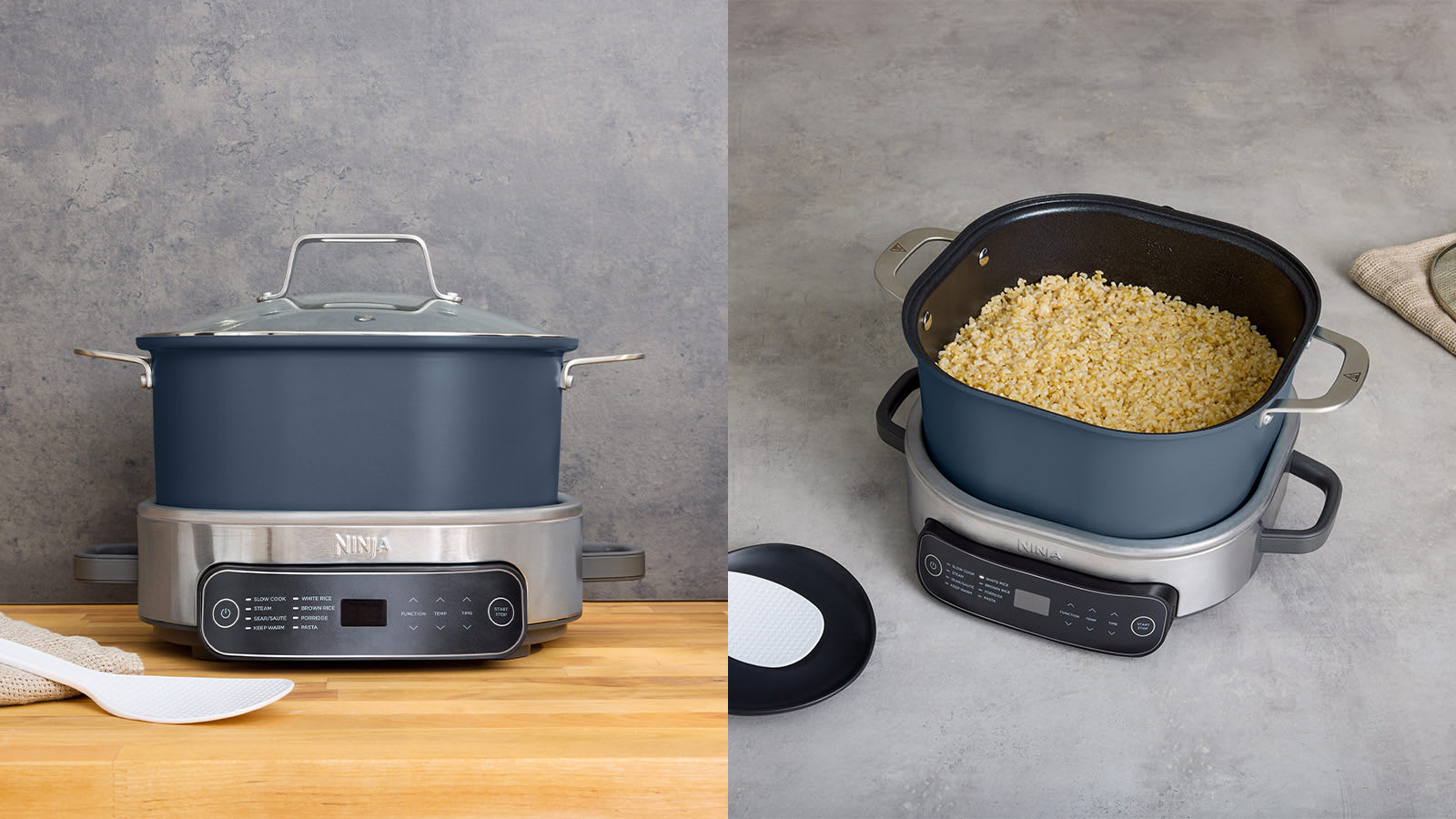
For occasional rice, a saucepan is often simpler than adapting a slow cooker. For regular rice meals, a rice cooker may save time and reduce guesswork. For meals already in the slow cooker, adding rice can be practical if the recipe was designed for it.
Tips for Better Slow Cooker Rice
Use these habits to improve your results:
- Start with white long-grain rice.
- Measure rice and liquid with the same type of measuring cup.
- Rinse the rice when you want less surface starch.
- Use hot broth or hot water to shorten the warm-up period.
- Keep the lid closed.
- Avoid doubling the batch until you understand the cooker.
- Do not stir repeatedly during cooking.
- Check texture near the end rather than cooking far past the expected time.
- Let the rice rest before fluffing.
- Write down the liquid amount and cooking time for your model.
Do not place a separate metal bowl inside a slow cooker unless the manufacturer specifically permits it. Improvised inserts can block heat, trap moisture, or damage the appliance.

Frequently Asked Questions
Can you cook rice on low in a slow cooker?
You can, but low heat may take much longer and may not bring the liquid to a strong enough simmer. High heat is usually more practical for plain rice. Follow the slow cooker manual and check the rice for tenderness rather than relying on a fixed time.
Can you put uncooked rice in a slow cooker?
Yes. Add uncooked rice with the correct amount of liquid. Do not add it to a nearly finished dish unless the recipe provides enough liquid and cooking time for the rice to cook fully.
Can you cook rice without soaking it first?
Yes. Most white rice does not need soaking. A brief rinse is optional. Soaking may help some rice types cook more evenly, but it changes the liquid and time needed.
Can you keep rice warm in a slow cooker?
You can keep rice warm only if the appliance keeps it at a safe temperature. The USDA recommends holding hot food at 140°F or above. Use a thermometer if you are unsure, and refrigerate leftovers promptly.
Is a slow cooker better than a rice cooker?
No single appliance is better for every use. A slow cooker is more versatile for soups, beans, meat, and stews. A rice cooker is usually better for fast, repeatable rice with less monitoring.
Key Takeaways
- Yes, a slow cooker can cook rice.
- Use high heat, enough liquid, and a covered lid.
- Start with about 1½ to 2 cups of liquid per cup of white rice.
- Expect roughly 1½ to 2½ hours for white rice, depending on the cooker.
- Brown rice and wild rice need more liquid and more time.
- A slow cooker may not produce the same texture or consistency as a rice cooker.
- Keep cooked rice at 140°F or above, or refrigerate it promptly.
- If you cook rice often, a dedicated rice cooker or saucepan is usually more reliable.
Final Recommendation
Use your slow cooker for rice when convenience and one-pot cooking matter more than exact texture. Start with a small batch of long-grain white rice, keep the lid closed, and adjust the liquid after you learn how your model behaves.
If you want fluffy rice on a regular schedule, a rice cooker is the better tool. If your first slow-cooker batch is uneven, hard, or mushy, switch to a saucepan or rice cooker rather than repeatedly guessing at the ratio.