
Yes, you can boil water in a slow cooker, but it is slow and not the best tool for the job. Most slow cookers can heat water to a simmer or a gentle boil when set to High. The time may range from about 2 to 6 hours, depending on the cooker, water volume, starting temperature, lid fit, and room temperature.
For a typical U.S. kitchen, use a slow cooker to heat water only when time is not a concern. Use a stove, electric kettle, or microwave when you need boiling water quickly.

Can a Slow Cooker Reach the Boiling Point?
A slow cooker can often reach the boiling point, but not every model will produce a strong rolling boil. Water boils at about 212°F at sea level. The boiling point drops at higher elevations, so water may boil below 212°F in places such as Denver.
Slow cookers are made to heat food gently over several hours. Their heating element sits around the outside of the ceramic or metal insert. This design spreads heat slowly instead of applying intense heat to the bottom of a pot.
The result is usually a slow simmer, small bubbles, or light steam. A vigorous boil may not happen, even when the water is very hot.
What affects boiling time?
Several factors change how fast the water heats:
- Starting temperature: Hot tap water heats faster than cold water.
- Water volume: One quart heats much faster than four quarts.
- Setting: High heats faster than Low.
- Lid position: A closed lid holds in heat.
- Insert material: Ceramic inserts often heat more slowly than thin metal pots.
- Room temperature: A cold kitchen can add heating time.
- Altitude: Water boils at a lower temperature at higher elevations.
- Model design: Slow cookers have different heating power and controls.
A cooker that simmers water well may still struggle to maintain a full boil. This is normal and does not always mean the appliance is faulty.
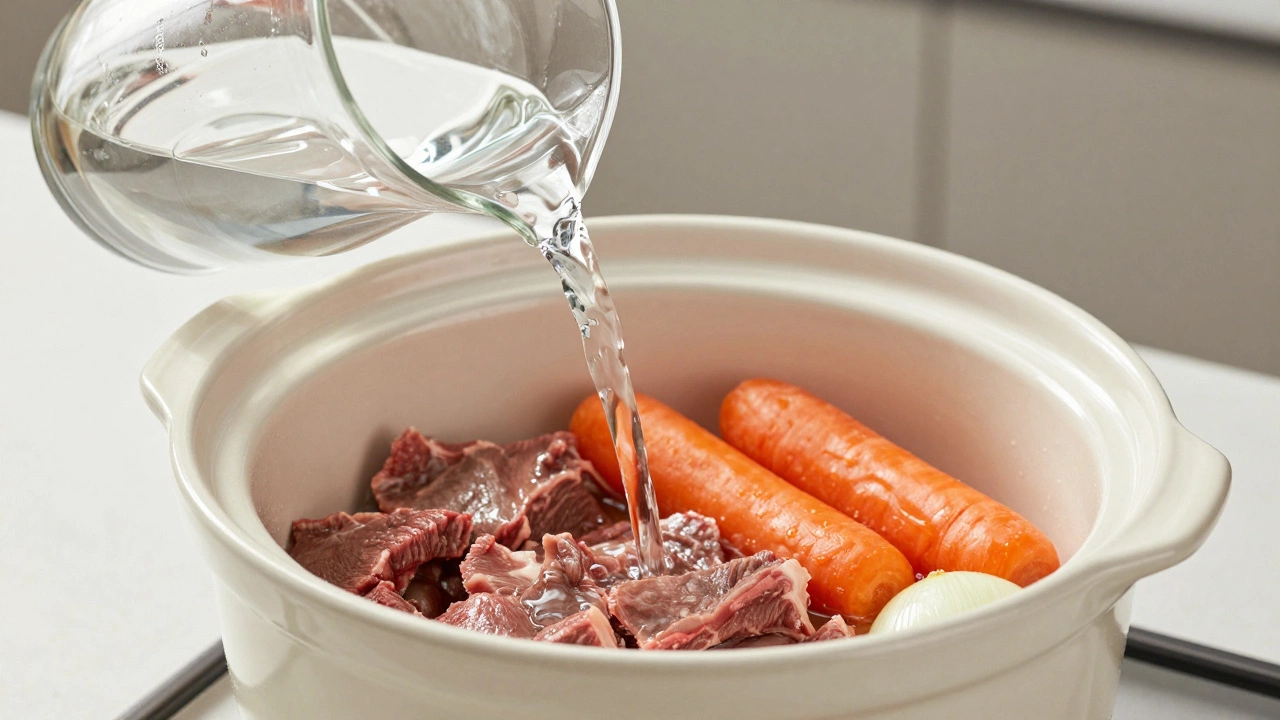
How to Boil Water in a Slow Cooker
Use the High setting and keep the lid closed. This gives the cooker the best chance of reaching a simmer or boil.
What you need
- A clean slow cooker
- Water
- A heat-safe measuring cup or container
- A stable, dry counter
- A timer
Steps
- Check the manufacturer’s manual. Confirm that the insert is approved for liquid cooking and that the cooker has no special restrictions.
- Place the insert in the heating base. Never turn on the slow cooker without the insert.
- Add water. Leave space at the top to prevent splashes and overflow.
- Put on the lid. A tight lid keeps heat and steam inside.
- Set the cooker to High.
- Wait at least 2 hours before checking. Larger amounts may need much longer.
- Check through the lid if possible. Frequent lifting releases heat and delays the process.
- Look for steam and steady bubbles. These show that the water is near or at a simmer.
- Turn off the cooker when finished. Use oven mitts when handling the lid or insert.
Do not remove the lid again and again to check the water. Each opening can release heat and add time.
How to tell if the water is boiling
signs include:
- Steam escaping around the lid
- Small bubbles rising from the bottom
- A steady simmer
- Larger bubbles breaking across the surface
A few bubbles near the edge do not always mean the entire pot is boiling. If you need a true boil for a recipe, confirm that the water has reached a steady, active simmer or boil.
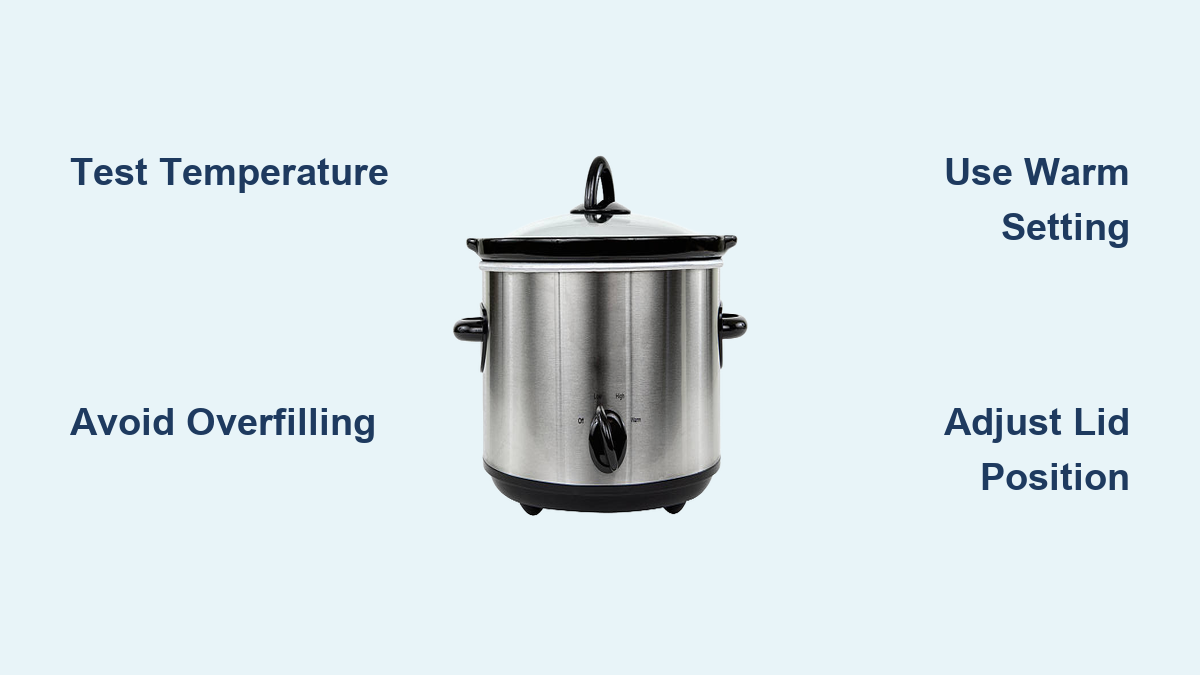
How Long Does It Take to Boil Water in a Slow Cooker?
A slow cooker may take 2 to 6 hours to bring water to a simmer or boil. This is a general estimate, not a guaranteed time.
| Amount of water | Likely time on High | Main concern |
|---|---|---|
| 2 cups | About 1.5–3 hours | Some models may only simmer |
| 1 quart | About 2–4 hours | Keep the lid closed |
| 2 quarts | About 3–5 hours | Heating takes longer |
| 3–4 quarts | About 4–6 hours or more | Avoid overfilling |
These times are practical estimates, not manufacturer test results. A slow cooker with a tight lid and a strong High setting may heat faster. A large ceramic cooker filled with cold water may take longer.
A simple heat calculation
Water needs a large amount of energy to heat. For example, heating 1 quart of water from 70°F to 212°F requires roughly 475 British thermal units, before heat loss. A slow cooker sends heat into the water gradually, while also losing some heat through the insert and lid.
That is why a slow cooker can boil water, but a kettle usually does it much faster.

Should You Use a Slow Cooker Instead of a Kettle or Stove?
Use a slow cooker when you want gentle, long heating. Use a kettle or stove when you need speed and control.
| Task | Better tool | Reason |
|---|---|---|
| Boil water for tea | Electric kettle | Faster and more efficient |
| Cook pasta | Stovetop pot | Strong boil and better control |
| Heat water for a recipe | Stove or kettle | Easier to measure and adjust |
| Keep soup hot | Slow cooker | Designed for long, gentle heating |
| Warm cider or punch | Slow cooker | Low heat helps prevent scorching |
| Heat water while away briefly | Slow cooker, with care | Built for extended cooking, but follow the manual |
A slow cooker is useful for keeping liquid warm after it has already been heated. It is less useful for starting with cold water and waiting for a boil.
Is boiling water in a slow cooker energy efficient?
Usually, no. The long heating time and heat loss make a slow cooker less practical for a small amount of water. An electric kettle normally uses less time and delivers heat directly to the water.
The best choice depends on the task. If you are already using the slow cooker for soup, beans, or a drink, adding water may make sense. If water is the only thing you need to heat, choose a kettle or pot.
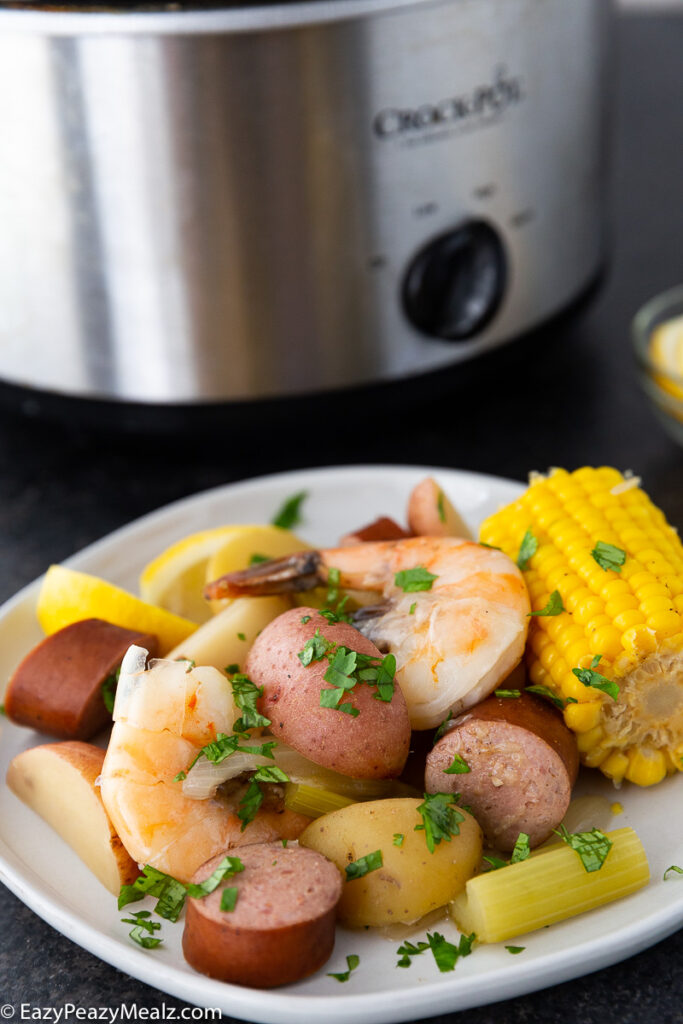
Can You Cook Pasta, Rice, or Eggs in Boiling Water in a Slow Cooker?
You can cook some foods in hot slow-cooker water, but results may differ from stovetop cooking. The water may not boil strongly enough, and cooking times can be less predictable.
Pasta
Slow cookers can cook pasta in some recipes, but pasta may become soft or sticky. For firm pasta, a pot of boiling water gives better control.
If you use a slow cooker:
- Add pasta near the end of the cooking period.
- Use enough liquid for the pasta to absorb.
- Stir only when the recipe calls for it.
- Check the texture early.
- Do not assume the slow cooker will cook pasta as quickly as a stovetop.
Rice
Rice can cook in a slow cooker, but the water ratio and cooking time depend on the rice type and recipe. Brown rice usually needs more time than white rice. Too much water can make rice mushy.
Follow a tested slow-cooker rice recipe rather than using the same ratio as a stovetop method.
Eggs
A slow cooker may heat eggs in water, but it is not the most reliable method for hard-boiled eggs. Use a saucepan or an approved electric egg cooker when you need consistent results.
Do not seal eggs or other food in a closed jar inside the slow cooker unless the recipe and appliance instructions specifically support that method.

Can You Use a Slow Cooker to Sterilize or Purify Water?
No. Do not rely on a slow cooker as a water-treatment device.
Boiling water can kill many disease-causing germs when the water reaches a true boil. However, a slow cooker may only bring water to a simmer, and it may not hold the water at a full boil. It also cannot remove many chemicals, heavy metals, salts, or other pollutants.
For emergency water treatment in the United States, follow current guidance from the Centers for Disease Control and Prevention (CDC) or your local health department. Use a method that confirms the required temperature and time.
If water may contain fuel, chemicals, or other toxins, boiling it will not make it safe to drink. Use a known safe source or follow local emergency instructions.

Slow Cooker Safety Rules for Boiling Water
Hot water and steam can cause serious burns. Follow the same care you would use with a pot of hot liquid.
- Keep the cooker on a level, heat-safe counter.
- Keep the power cord away from the counter edge.
- Do not move the cooker while it contains hot water.
- Open the lid away from your face and hands.
- Use oven mitts to lift the lid or insert.
- Do not fill the insert to the rim.
- Keep children and pets away from the cooker.
- Do not place the ceramic insert on a burner unless the manual says it is safe.
- Do not place a hot insert in cold water.
- Do not immerse the heating base, cord, or plug in water.
- Stop using the cooker if the cord, plug, insert, or base is cracked or damaged.
A slow cooker is not a pressure cooker. Never lock, clamp, or seal the lid to build pressure.
Can you leave a slow cooker heating water unattended?
Slow cookers are designed for long cooking, but that does not remove all risks. Follow the instructions for your exact model. Keep the cooker away from flammable items, use the correct insert, and do not leave it running if the appliance shows signs of damage or unusual overheating.
Water can evaporate during long heating. If the liquid level drops too far, the insert may overheat or crack. Check the water level only when it is safe to do so, and turn off the cooker if too much water has evaporated.

Common Problems and Fixes
The water is warm but not boiling
Set the cooker to High and keep the lid closed. Make sure the insert is seated correctly in the base. If the water remains only warm after several hours, the cooker may have a faulty thermostat, heating element, cord, or control.
Do not open the base or attempt an electrical repair unless a qualified technician handles it.
The water takes too long to heat
You may have added too much water or started with very cold water. A large slow cooker also takes longer when it is only partly filled because the insert may not transfer heat as expected.
Start with less water, use the High setting, and avoid lifting the lid. If you need boiling water soon, switch to a kettle or stovetop pot.
The water boils over
Turn off the cooker and let the liquid cool before moving it. The insert may be overfilled, or the lid may be trapping too much steam.
Leave several inches of space at the top. Do not place a towel over the lid, because it can trap heat and create a fire risk.
The insert smells or develops a crack
Turn off and unplug the cooker. Let it cool fully. Do not use a cracked ceramic insert, even if the crack looks small. Contact the manufacturer for a replacement that matches the model.
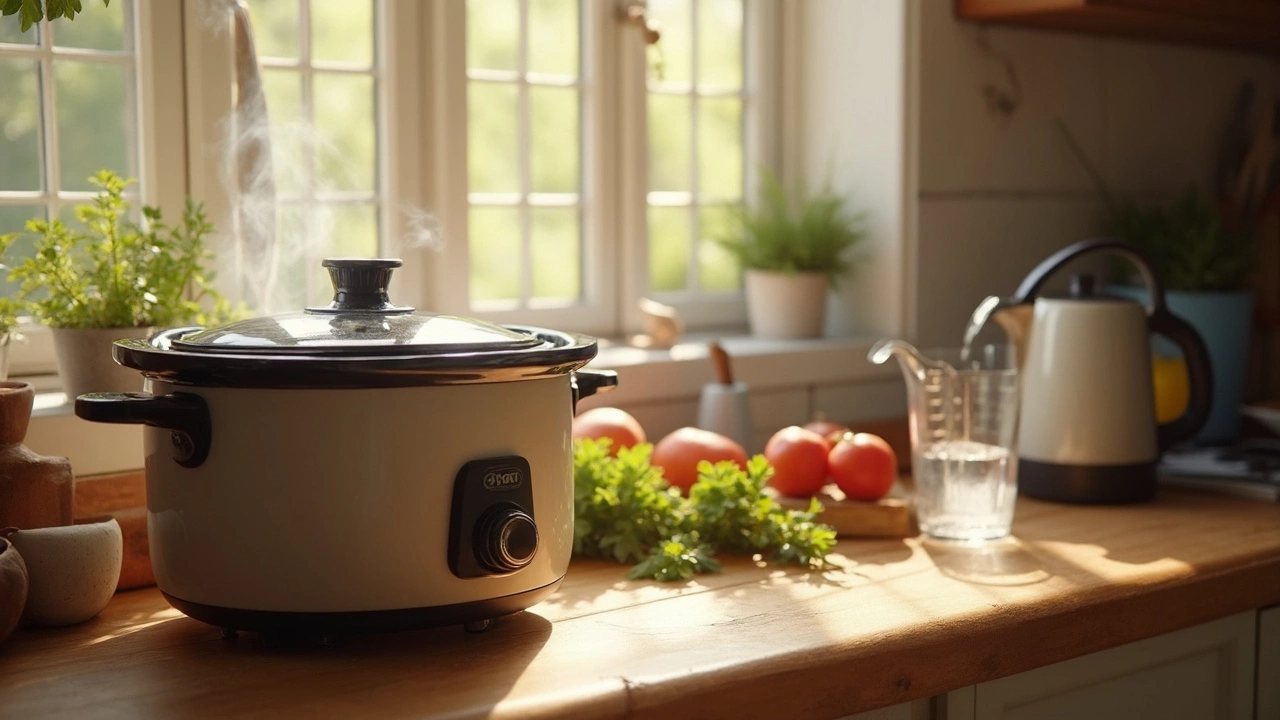
Can You Boil Water in Every Type of Slow Cooker?
Most standard countertop slow cookers can heat water, but their performance varies. Some multi-cookers have a dedicated Sauté, Steam, or Boil function. Those settings may heat water faster than the slow-cook function.
Read the manual for the exact appliance. A multi-cooker, rice cooker, warming pot, and slow cooker may look similar but have different temperature controls and safety features.
Do not use a slow cooker insert on a stovetop or in an oven unless the manufacturer clearly approves it. Some inserts are safe for one heat source but not another.

Key Takeaways
- Yes, a slow cooker can boil water, but it may take 2 to 6 hours.
- Use the High setting and keep the lid closed.
- A slow cooker may produce a gentle simmer instead of a rolling boil.
- A kettle or stovetop pot is faster for most small amounts of water.
- Do not use a slow cooker to purify water from a chemical source.
- Avoid overfilling, moving hot liquid, or using a damaged appliance.
- Follow the manual for your specific model.
Frequently Asked Questions
Can I boil water in a Crock-Pot?
Yes. A Crock-Pot is a brand of slow cooker, and many models can heat water to a simmer or boil. Use the High setting, keep the lid on, and follow the instructions for your model.
Can I boil water on Low in a slow cooker?
You may be able to, but it will take longer. Some slow cookers may maintain a simmer on Low, while others may not reach a full boil. Use High when you need the water to heat as quickly as the appliance allows.
Is it safe to leave water in a slow cooker overnight?
It can be safe when the appliance is in good condition and the manufacturer allows long operation. However, water may evaporate, and a nearly empty insert can overheat. Do not leave it unattended if the cooker, cord, or insert is damaged.
Can I boil water in a slow cooker without the lid?
The water will lose heat and evaporate faster. The cooker may never reach a boil, especially with a large amount of water. Keep the lid on unless the recipe or manual says otherwise.
Can I use a slow cooker as a canner?
No. A slow cooker is not a substitute for a pressure canner or boiling-water canner. Use tested home-canning methods from the USDA Complete Guide to Home Canning or the National Center for Home Food Preservation.
Conclusion
You can boil water in a slow cooker, but the process is slow and may produce only a gentle simmer. Use High heat, keep the lid closed, leave room at the top, and handle the hot insert with care.
For tea, pasta, coffee, or any task that needs boiling water quickly, use an electric kettle or stovetop pot. Use the slow cooker when gentle heating over several hours is the real goal.