
No. A pressure cooker and a slow cooker use different cooking methods, even though both can make tender meals with little hands-on work.
A pressure cooker traps steam to build pressure and cook food quickly. A slow cooker uses gentle heat over several hours. Some electric appliances, such as multicookers, offer both functions, but the pressure-cooking and slow-cooking settings are still different.
For U.S. home cooks, the best choice depends on your schedule, recipe, texture goals, and comfort with each appliance. A pressure cooker suits fast meals. A slow cooker suits long, unattended cooking and ready-at-dinner convenience.

Pressure Cooker vs. Slow Cooker: The Main Difference
The main difference is how each appliance transfers heat to food.
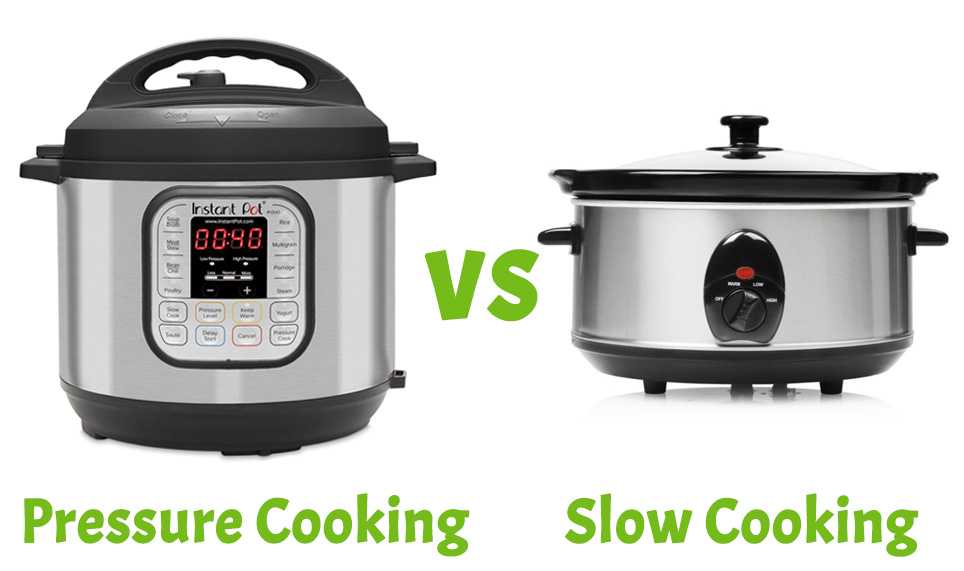
A pressure cooker seals the cooking pot and traps steam. As pressure rises, water boils at a higher temperature than it does in an open pot. This cooks food faster and helps soften tough cuts of meat, dried beans, and dense vegetables.
A slow cooker uses an electric heating element around a ceramic or metal crock. It cooks food at a low, steady temperature for several hours. The lid is not designed to build pressure.
| Feature | Pressure cooker | Slow cooker |
|---|---|---|
| Main method | Sealed steam pressure | Gentle, steady heat |
| Typical cooking time | Minutes to about an hour for many meals | Several hours |
| Best for | Fast meals, beans, grains, braises, tough meat | Soups, stews, pulled meat, meal planning |
| Liquid use | Usually needs some thin liquid | Often uses less added liquid |
| Texture | Fast and tender, but can overcook vegetables | Soft and blended flavors |
| Cooking visibility | Do not open while pressurized | Lid can be opened, but heat and time are lost |
| Power source | Stovetop or electric | Usually electric |
| Key safety issue | Pressure and hot steam | Food temperature and safe holding |
The cooking time varies by recipe, appliance, food size, altitude, and whether the cooker reaches pressure quickly. The table shows the general difference, not a guaranteed time for every dish.
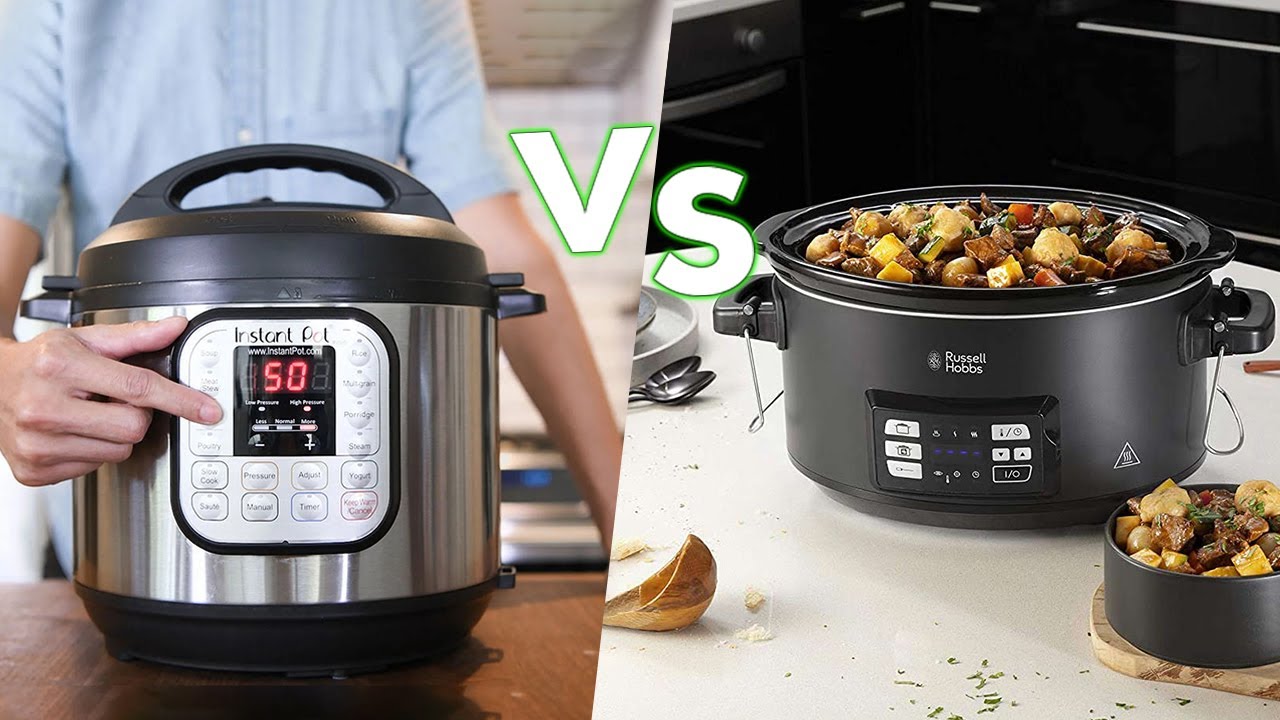
How a Pressure Cooker Works
A pressure cooker cooks food in a sealed environment where steam raises the internal pressure. The increased pressure raises the boiling point of water, so food cooks at a higher temperature than it would in a regular saucepan.
The process usually follows these steps:
- Add food and the required liquid.
- Lock the lid.
- Heat the cooker until it reaches pressure.
- Cook for the recipe’s stated time.
- Release pressure naturally or through the appliance’s approved release method.
- Open the lid only after the pressure indicator drops and the cooker unlocks safely.
Electric pressure cookers often have preset programs for foods such as rice, beans, poultry, or stew. These programs can be useful, but the recipe and the appliance manual remain the best guides.
What pressure cooking does well
Pressure cooking is useful when you need to:
- Prepare dried beans without soaking them overnight.
- Cook a beef roast or pork shoulder in much less time than a slow cooker.
- Make broth, chili, soup, rice, or grains.
- tenderize firm cuts of meat.
- Cook a meal after work without starting it in the morning.
Pressure cooking does not automatically improve every recipe. Delicate vegetables may become too soft, and meat can lose its preferred texture if you cook it too long.

How a Slow Cooker Works
A slow cooker heats food at a low temperature for a long period. The covered crock holds heat and moisture, while the long cooking time helps break down connective tissue in tougher meats.
Most slow cookers have Low, High, and sometimes Warm settings. The exact temperature and timing depend on the model, but Low generally takes longer than High.
Slow cooking works well for:
- Beef stew
- Pulled pork
- Chicken soup
- Chili
- Pot roast
- Beans that have been prepared according to safe directions
- Large batches of food for a family meal
A slow cooker is often easier to use than a pressure cooker. You add the ingredients, select a setting, and let the appliance cook. Still, “set and forget” does not mean you should ignore food safety, appliance limits, or the recipe.
Do not use the Warm setting to cook raw food. It is intended to hold food after it has reached a safe cooking temperature.

Can a Pressure Cooker Replace a Slow Cooker?
A pressure cooker can replace a slow cooker for some meals, but it cannot reproduce every benefit of slow cooking.
An electric multicooker with a slow-cook setting may handle both tasks. However, its slow-cook performance can differ from that of a traditional slow cooker. The shape of the pot, heating pattern, lid design, and temperature control all affect the result.
A pressure cooker is a good substitute when:
- You want the same general dish in less time.
- You can change the recipe for pressure cooking.
- The meal contains enough suitable liquid.
- You do not need to leave the food cooking all day.
A slow cooker is usually better when:
- You want dinner ready after several hours away from home.
- You prefer very soft meat and vegetables.
- You are cooking a dish designed around gradual reduction and long simmering.
- You want to add some ingredients later without stopping a pressurized cooking cycle.
A pressure cooker’s slow-cook function may also require a special lid position. Always follow the instructions for your exact model.

Can You Use a Slow Cooker Recipe in a Pressure Cooker?
Yes, but you should not transfer the recipe word for word. Pressure cooking changes the required liquid, cooking time, ingredient order, and finishing steps.
Use this process:
-
Check the pressure cooker’s minimum liquid requirement.
A pressure cooker needs enough thin liquid to create steam. The amount varies by model. -
Reduce or avoid extra liquid only when the recipe allows it.
A slow cooker loses some moisture during cooking. A pressure cooker usually loses far less. Adding the same amount of liquid may make the finished dish watery. -
Cut large ingredients into similar sizes.
Even pieces cook more evenly. -
Add ingredients in stages when needed.
Potatoes and carrots may need longer cooking than peas, spinach, or other delicate foods. -
Use a tested pressure-cooking time.
Do not assume that eight hours on Low equals a fixed number of minutes under pressure. Food type, size, starting temperature, and pressure level all matter. -
Finish the sauce after pressure cooking.
If the sauce is thin, remove the food and use the sauté function to reduce it. Add thickeners such as flour or cornstarch near the end unless the appliance instructions say otherwise.
For the best results, use a recipe written for your pressure cooker or a trusted conversion guide. This is especially important for beans, grains, dairy, and foods that foam.

Can You Use a Pressure Cooker Recipe in a Slow Cooker?
Often, but the recipe needs adjustment.
Pressure-cooker recipes usually use less liquid and much shorter cooking times. A slow cooker needs more time to heat the ingredients and tenderize the food. It may also need more liquid because the meal cooks for several hours.
When adapting a pressure-cooker recipe:
- Add enough liquid for the slow cooker to operate safely and prevent scorching.
- Use thawed meat and poultry.
- Brown meat first if the recipe calls for deeper flavor.
- Add dairy near the end to reduce curdling.
- Add delicate vegetables later if you want them to retain shape.
- Cook until the food reaches a safe temperature and the texture is tender.
- Do not fill the crock beyond the manufacturer’s limit.
The result may taste similar, but the texture will not be identical. Pressure cooking tends to finish quickly with less evaporation. Slow cooking allows flavors to mingle over time and can produce a thicker, more integrated dish.
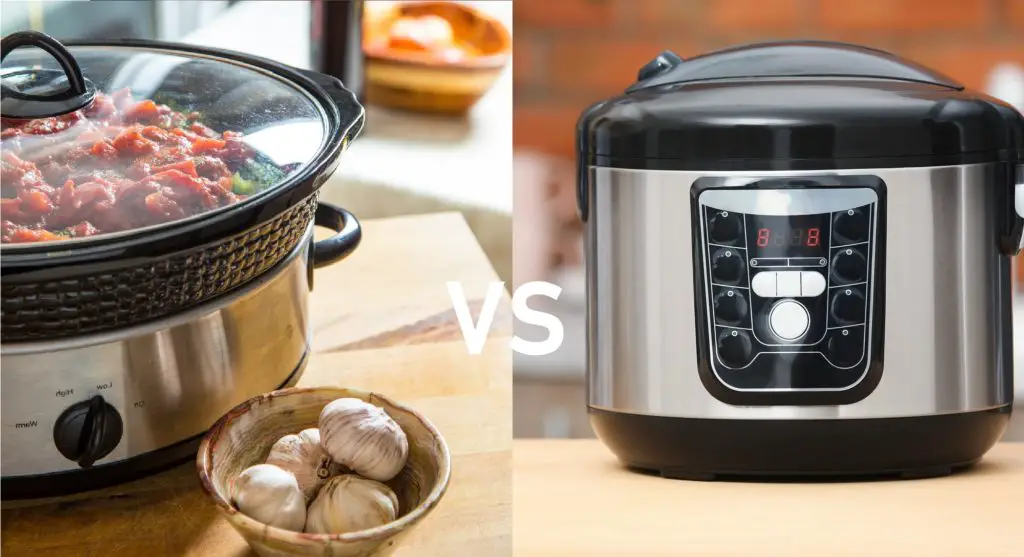
Which Is Faster: a Pressure Cooker or a Slow Cooker?
A pressure cooker is usually faster from start to finish, but its listed cooking time does not include the time needed to build and release pressure.
For example, a pressure-cooker stew may have a 30-minute cooking time. The full process may take longer after you include:
- Ingredient preparation
- Browning
- Pressure buildup
- The cooking cycle
- Natural pressure release
- Final thickening or seasoning
A slow-cooker stew may take six to eight hours, but preparation is often brief. This creates a practical trade-off:
- Choose a pressure cooker when you have limited time before eating.
- Choose a slow cooker when you have time earlier in the day and want a meal waiting later.
Neither appliance is always faster in real life. The better choice depends on when you have time to prepare the meal.
Which Appliance Makes Better Food?
Neither appliance makes every type of food better. The best result depends on the dish.
Pressure cooker results
Pressure cooking often produces:
- Tender meat in a short time
- Soft beans and grains
- Moist braises
- Broth with strong extraction
- Less evaporation
- Fast one-pot meals
The sealed environment can leave sauces thinner than expected. You may need to reduce the liquid after cooking.
Slow cooker results
Slow cooking often produces:
- Very tender meat
- Soft vegetables
- Thick stews
- Pulled meat that shreds easily
- Convenient meal timing
- Strong flavor from a long, gentle cook
Some slow-cooked foods can taste muted if they contain too much liquid. Browning meat and onions before adding them can improve flavor, although it adds a step.
For a crisp crust, browned surface, or roasted texture, neither appliance is ideal by itself. You may need to brown the food before cooking or finish it under a broiler, in an oven, or in a skillet.

Pressure Cooker and Slow Cooker Safety
Both appliances can be safe when used as directed, but their risks differ.
Pressure cooker safety
Follow these rules:
- Read the manual for your exact model.
- Check the sealing ring, lid, steam valve, and pressure indicator before cooking.
- Do not overfill the pot.
- Leave extra space for foods that expand or foam, such as beans, grains, and pasta.
- Use enough liquid to produce steam.
- Never force the lid open.
- Keep your hands and face away from escaping steam.
- Use the release method specified by the recipe and appliance.
- Do not use a pressure cooker for home canning unless it is a pressure canner approved for that purpose.
Do not try to cool a pressurized cooker with unsafe methods unless the manufacturer specifically permits them. A natural release may take longer, but it can help certain foods finish cooking and may reduce splashing.
Slow cooker safety
Use these practices:
- Thaw meat and poultry in the refrigerator before placing them in the slow cooker.
- Start with a clean appliance and clean utensils.
- Keep the lid in place as much as possible.
- Do not use the Warm setting to cook raw ingredients.
- Refrigerate leftovers promptly in shallow containers.
- Reheat leftovers on the stove, in an oven, or by another suitable method before transferring them to a slow cooker for holding.
- Follow USDA guidance for safe minimum internal temperatures.
The U.S. Department of Agriculture’s Food Safety and Inspection Service advises using a food thermometer rather than judging doneness by appearance alone. For current temperature guidance, consult USDA FSIS.

Pressure Cooker vs. Slow Cooker: Which Should You Buy?
Choose based on how you cook, not only on cooking speed.
| Your priority | Better fit |
|---|---|
| Dinner in under an hour | Pressure cooker |
| Meal ready after work | Slow cooker |
| Cooking dried beans quickly | Pressure cooker |
| Large batch of chili or stew | Either |
| Minimal active work | Slow cooker |
| Multiple cooking functions | Electric multicooker |
| Traditional slow-cooked texture | Slow cooker |
| Small kitchen with one appliance | Multicooker, if its functions meet your needs |
| Browning and pressure cooking in one pot | Many electric pressure cookers |
A slow cooker is usually the simpler choice for people who plan meals in the morning and want food ready later.
A pressure cooker is usually the better choice for people who often decide what to eat shortly before mealtime.
A multicooker may be useful when storage space is limited. Before buying one, confirm that it has the functions you need, the right capacity, and clear instructions for pressure cooking and slow cooking.

Common Mistakes to Avoid
Treating the appliances as interchangeable
They are not. A recipe written for one appliance may need different liquid, timing, and ingredient order in the other.
Adding too much liquid to a pressure cooker
Pressure cookers lose little moisture. Extra liquid can dilute sauces and soups.
Removing a slow-cooker lid too often
Each lid opening releases heat and extends cooking time. Open it only when the recipe requires it.
Overfilling either appliance
Overfilling can prevent even cooking. It can also create safety problems in a pressure cooker. Follow the fill line and the appliance manual.
Adding dairy too early
Milk, cream, and some soft cheeses may separate under long cooking or high heat. Add them near the end when the recipe allows.
Assuming meat is safe because it looks done
Color is not a reliable safety test. Use a clean food thermometer and follow current USDA guidance.
Using a pressure cooker as a canner
A pressure cooker is not automatically a pressure canner. Home canning requires equipment, tested processing times, and methods designed for canning.

Frequently Asked Questions
Is a Crock-Pot the same as a slow cooker?
“Crock-Pot” is a brand name that is commonly used for slow cookers. A Crock-Pot is a type of slow cooker, but not every slow cooker is a Crock-Pot.
Is an Instant Pot the same as a pressure cooker?
An Instant Pot is a brand of electric multicooker. Many Instant Pot models include pressure-cooking functions, along with settings such as slow cooking, sautéing, steaming, and rice cooking. The exact functions vary by model.
Can I leave a pressure cooker unattended?
Do not treat a pressure cooker like a slow cooker. Electric models have built-in controls, but you should still follow the manual, keep the appliance on a stable surface, and check that the lid and release valve are set correctly.
Does slow cooking make meat more tender than pressure cooking?
Both methods can make tough meat tender. Slow cooking takes longer and may create a softer, more traditional braised texture. Pressure cooking can achieve tenderness much faster, but cooking time must be controlled to avoid dry or mushy results.
Do pressure cookers use less electricity than slow cookers?
The answer depends on the appliance, recipe, cooking time, and energy source. A pressure cooker may run for a shorter period, while a slow cooker uses low heat for many hours. Without testing the specific models and conditions, a universal energy-saving claim is not justified.
Final Answer
A pressure cooker is not the same as a slow cooker.
Use a pressure cooker when speed matters and you want foods such as beans, stew, grains, or tough meat cooked quickly. Use a slow cooker when you want a low-effort meal that cooks gradually while you are away or busy.
If you want both options, an electric multicooker may provide pressure-cooking and slow-cooking settings. Before using it, check the model’s manual and adapt recipes for the selected cooking method.