
Make ultra-fine rice flour at home with a powerful, high-speed blender I trust.
I used to buy packaged rice flour and worry about freshness and texture. I wanted the best blender for rice flour so I could grind small batches anytime. That meant testing motors, jar materials, and blade designs. I learned which machines handle dry grains without overheating, which give the finest texture for baking, and which are easiest to clean. If you want soft, even rice flour for cakes, pancakes, or batter, this guide will help you pick the right blender.
52USA Thai Rice Flour 16 Ounce
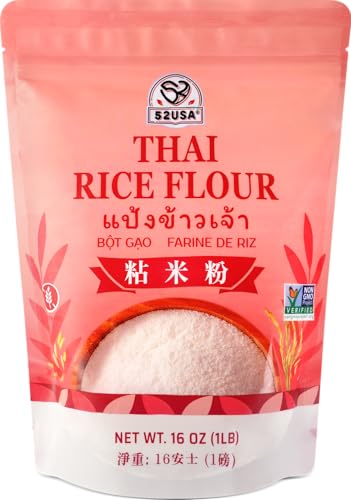
I often start with a simple, authentic ingredient like 52USA Thai Rice Flour when testing blenders. This rice flour is light and finely milled, which sets a high bar for any appliance I use. When I grind rice at home, I compare the store-bought texture to what my blender produces. This product gives me a benchmark. Its fine texture makes it clear when a blender under-performs: coarse bits are obvious. I use this rice flour in batter and pastry tests to check if a blender can match or surpass its fineness.
In practical use, 52USA Thai Rice Flour shows how important blade speed and jar shape are. I use small 1–2 cup batches to prevent heat buildup. The flour’s uniformity helps me adjust grind time precisely. If you want the best blender for rice flour, start by comparing your results to a known, even flour like this. It teaches you to stop grinding when the particle size is right rather than over-processing and warming the flour.
Pros
- Consistently fine texture for easy comparison when testing blenders.
- All-natural profile helps assess flavor transfer from blades.
- Light color reveals any specks or uneven grinding quickly.
- Small pack size is practical for testing without waste.
- Vegan and simple ingredients reduce variables in tests.
Cons
- Not a blender—requires appliance to process further.
- Small pack may be limiting if you bake in large volumes.
My Recommendation
This 52USA Thai Rice Flour is best for bakers and testers who want a reference flour when evaluating the best blender for rice flour. I recommend it for anyone checking grind consistency. It helps identify whether a blender produces even, fine flour or leaves coarse bits. If you test blenders often, this product is a simple, reliable baseline.
| Best for | Why |
|---|---|
| Texture Benchmarking | Provides a consistent fine flour to compare against home-ground results. |
| Small-Scale Bakers | Good for testing without wasting large amounts. |
| Flavor Testing | All-natural flour reveals any blender flavor transfer. |
Authentic Foods Bette’s Featherlight

Authentic Foods Bette’s Featherlight Rice Flour Blend is a versatile product for baking and testing. I use it to judge how fine a blender can go and how blended flour behaves in recipes. This blend often contains additional starches or flours to mimic all-purpose behavior, so when I grind pure rice in a blender, I compare results for baking performance. The featherlight texture helps me see whether my blender is producing flour that will absorb liquids properly and create the right batter structure.
When I evaluate blenders, I run side-by-side tests: packaged blends versus home-ground rice flour. Bette’s Featherlight serves as a control for recipes like pancakes or tempura batter. I note differences in moisture pick-up, crumb, and mouthfeel. This tells me if the best blender for rice flour is actually producing usable flour for recipes that call for a specific texture and hydration. Using a quality blend sharpens my expectations and helps choose the right machine.
Pros
- Featherlight texture gives a high-quality benchmark.
- Works well across many baked goods for consistent results.
- Large bag sizes available for frequent bakers and testers.
- Predictable hydration helps test blender output.
- Good for comparing home-ground rice to commercial blends.
Cons
- May include blend components, not pure rice flour.
- Less useful if you only want pure single-ingredient comparison.
My Recommendation
I recommend Authentic Foods Bette’s Featherlight to bakers who want a reliable packaged blend to compare against home-ground results when searching for the best blender for rice flour. It helps determine whether your blender produces flour with the right hydration and texture for light baking.
| Best for | Why |
|---|---|
| Light Baked Goods | Featherlight texture improves cake and pancake outcomes. |
| Frequent Testing | Consistent blend so you can reproduce tests easily. |
| Recipe Comparison | Useful control when evaluating blender-produced flour. |
King Arthur Measure For Measure
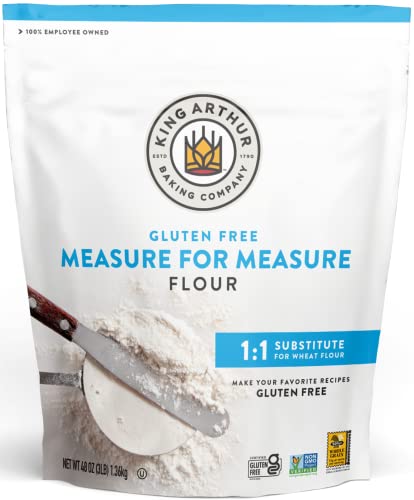
King Arthur Measure for Measure is an all-purpose gluten-free substitute that I use to test how closely home-ground rice flour can imitate commercial 1:1 blends. When I grind rice in a blender, I compare the finished texture and baking performance to this product. It often contains rice plus other starches to mimic wheat. That makes it a strong comparison point: if your blender-created rice flour can be mixed into recipes and deliver similar rise and texture, you likely have found the best blender for rice flour for your needs.
I use the Measure for Measure bag in several baking trials after grinding rice at home. It highlights differences in density, moisture absorption, and crumb structure. This helps me tweak grind time and blender speed. For home bakers seeking a gluten-free all-purpose option, the comparison tells me whether investing in a more powerful blender is worthwhile. The bag’s clear performance across cookies, muffins, and cakes makes my blender evaluations practical and recipe-focused.
Pros
- Designed as a straight 1:1 substitute—great comparison for home-milled flour.
- Consistent results across many baked goods.
- Non-GMO and kosher options for dietary consistency in testing.
- Large package sizes reduce the need for frequent repurchasing.
- Predictable baking behavior helps refine blender settings.
Cons
- Contains additional ingredients beyond pure rice flour.
- Not useful if you only want pure single-ingredient milling results.
My Recommendation
King Arthur Measure for Measure is ideal if you want to see whether your chosen appliance can produce rice flour that works as an all-purpose substitute. I suggest it for bakers comparing home-ground flour to commercial blends while hunting for the best blender for rice flour.
| Best for | Why |
|---|---|
| 1:1 Gluten-Free Baking | Mimics wheat for direct recipe swaps. |
| Consistency Tests | Predictable behavior helps benchmark blenders. |
| Multi-Recipe Use | Works across cookies, cakes, and muffins for broad testing. |
Anthony’s Premium White Rice Flour

Anthony’s Premium White Rice Flour is a pure rice flour option I trust for testing blender output. It’s a great control for pure rice milling trials because it contains minimal additives. I use this product to see how close home-milled rice comes to a store-bought standard. In tests, I evaluate particle size, heat impact, and aroma transfer. Anthony’s gives me a pure baseline to adjust blending time and technique so the end product works in delicate baked goods.
After grinding rice in multiple blenders, I compare the result to Anthony’s flour for density and baking performance. This helps me decide if a blender delivers the fineness required for light cakes or if a mill or grain grinder is necessary. For those prioritizing pure rice flour, Anthony’s shows whether the best blender for rice flour in your kitchen can meet your recipe demands without additional starches or binders.
Pros
- Pure rice flour—no fillers—great for accurate comparisons.
- Large 3 lb bag is economical for frequent bakers.
- Non-GMO labeling keeps ingredients predictable.
- Neutral flavor reveals any blender-related tastes.
- Good particle consistency for testing absorption and crumb.
Cons
- Pure rice flour can behave differently than blended 1:1 substitutes.
- May require recipe adjustments when swapping into wheat-based recipes.
My Recommendation
I recommend Anthony’s Premium White Rice Flour to bakers and testers who want a pure baseline when choosing the best blender for rice flour. It’s best if you need unblended rice for precise recipe work and to measure your blender’s raw milling capability.
| Best for | Why |
|---|---|
| Pure Rice Baking | No fillers, so results reflect rice alone. |
| Frequent Bakers | Economical 3 lb packaging for regular use. |
| Flavor Neutrality | Reveals any blender flavor transfer clearly. |
Polselli La Romana Pinsa & Pizza Flour
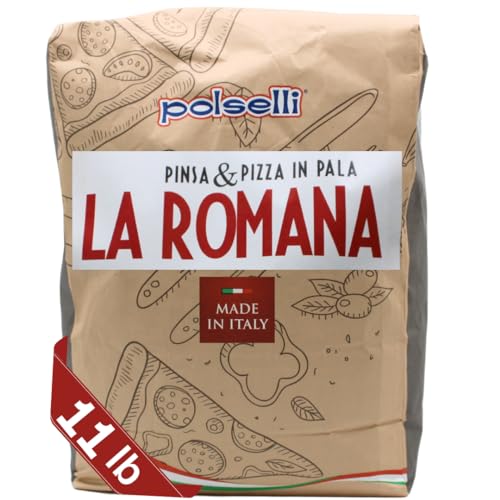
Polselli La Romana Pinsa & Pizza in Pala Flour is a blended high-protein wheat and rice mix designed for specialty pizza and flatbreads. I include it because sometimes the best blender for rice flour must produce a texture that works in blend recipes, not just pure rice applications. When I grind rice and then mix with wheat flours, this product helps me evaluate whether my home-ground rice will add the right lightness and crunch to artisanal pizza crusts and sourdough experiments.
In practical tests, I compare dough hydration, crumb openness, and crust crunch when using this blend versus my own rice-wheat mixes that begin with blender-ground rice. This tells me if the blender-produced flour integrates smoothly into doughs or if particle size causes textural issues. For home bakers aiming at Roman-style results, the Polselli blend is a useful benchmark to decide if a blender can supply a rice component suitable for high-quality crust.
Pros
- Designed specifically for light, airy pizza and pinsa crusts.
- Blended formula simplifies recipe replication.
- Helps test how rice flour behaves in mixed-flour doughs.
- Large 11 lb size is economical for frequent pizza makers.
- High-protein content supports good gluten network when combined with wheat.
Cons
- Not pure rice flour—less useful for single-ingredient milling tests.
- Specialized use case; not ideal for all types of baking.
My Recommendation
I recommend Polselli La Romana for bakers who want a professional-style blend and who are testing whether the best blender for rice flour can create a rice component that mixes well into pizza and artisan doughs. It’s best for pizza-focused baking and volume use.
| Best for | Why |
|---|---|
| Artisan Pizza Makers | Designed for light, airy crust textures. |
| High-Volume Baking | Large bag size for frequent use. |
| Blended Dough Tests | Shows how rice component affects dough structure. |
FAQs Of best blender for rice flour
Can I use a regular kitchen blender to make rice flour?
I use high-speed blenders successfully for small batches. Choose a powerful motor (500W+) and pulse in short bursts. Let the jar cool between sessions to avoid heat buildup. For very fine results, a dedicated grain mill often performs better.
How much rice should I grind at once?
I grind small batches—about 1 to 2 cups—so blades can move grains freely. Large batches can overwork the motor and cause uneven particle size. Small batches give finer, more consistent flour.
How do I know when the flour is fine enough?
I check texture by rubbing a bit between my fingers. It should feel soft and sandy with no detectable grit. Stop grinding once you reach that feel. A quick sift helps remove any remaining larger bits.
Does grinding rice in a blender change flavor or nutrition?
I’ve found minimal flavor change when I avoid overheating. Excess heat can cause a slight toasted note. Nutritional content remains essentially the same; just avoid prolonged grinding that warms the flour.
Which blender features matter most for rice flour?
I prioritize motor power, blade quality, and jar shape. A stainless-steel blade and a tall, narrow jar help create airflow and consistent milling. Variable speed control and pulse mode are also useful for precision.
Final Verdict: Which Should You Buy?
I recommend Anthony’s Premium White Rice Flour as the pure baseline and King Arthur Measure for Measure as the practical all-purpose comparison. If you want to test the best blender for rice flour, I suggest starting with Anthony’s to set your expectations, then use a high-power blender (500W+) for fine, usable home-milled flour.