
An 8-inch forged stainless chef’s knife with balanced weight is the best kitchen knife for beginners.
As a cook and writer with years of hands-on knife testing, I’ll guide you to choose the best kitchen knife for beginners with clarity and practical tips. This article explains why that single knife makes cooking easier, how to pick one that fits your hand and budget, how to use it safely, and how to keep it sharp so it lasts for years. Read on for simple, trusted advice that helps you shop smart and cook with confidence.

Why choosing the best kitchen knife for beginners matters
A good starter knife makes prep faster, safer, and more fun. Beginners who use the best kitchen knife for beginners feel more confident. A well-balanced blade reduces wrist strain and improves cutting accuracy. Buying the right knife once saves money and frustration over time.
:max_bytes(150000):strip_icc()/faw-chefs-knives-aug-24-test-mac-professional-series-hollow-edge-8in-rkilgore-0041-9bf4ab5c73364090b51296639f43c275.jpeg)
What is a chef's knife and why it’s often the best kitchen knife for beginners
A chef’s knife is a versatile, all-purpose blade. Most chefs and home cooks use an 8-inch chef’s knife for chopping, slicing, dicing, and mincing. For beginners, it replaces several single-use knives and reduces the learning curve. Choosing the best kitchen knife for beginners usually means picking a comfortable, well-balanced chef’s knife.

Key features to look for in the best kitchen knife for beginners
- Blade length and shape: 8-inch blades are ideal for most tasks and hands.
- Blade material: Stainless steel or high-carbon stainless for rust resistance and easy care.
- Forged vs stamped: Forged blades often feel sturdier and balance better.
- Edge and sharpness: A factory-sharp edge with a 15–20° bevel per side cuts well and is easy to maintain.
- Handle comfort: Look for a secure grip with smooth transitions to the blade.
- Full tang: A full-tang handle adds balance and durability.
- Weight and balance: Medium weight that feels stable, not tiring.
- Maintenance needs: Consider how much time you’ll spend sharpening and hand-washing.
- Price: A quality beginner knife can cost from budget-friendly to mid-range; avoid the cheapest no-name blades.
Types of knives every beginner should consider
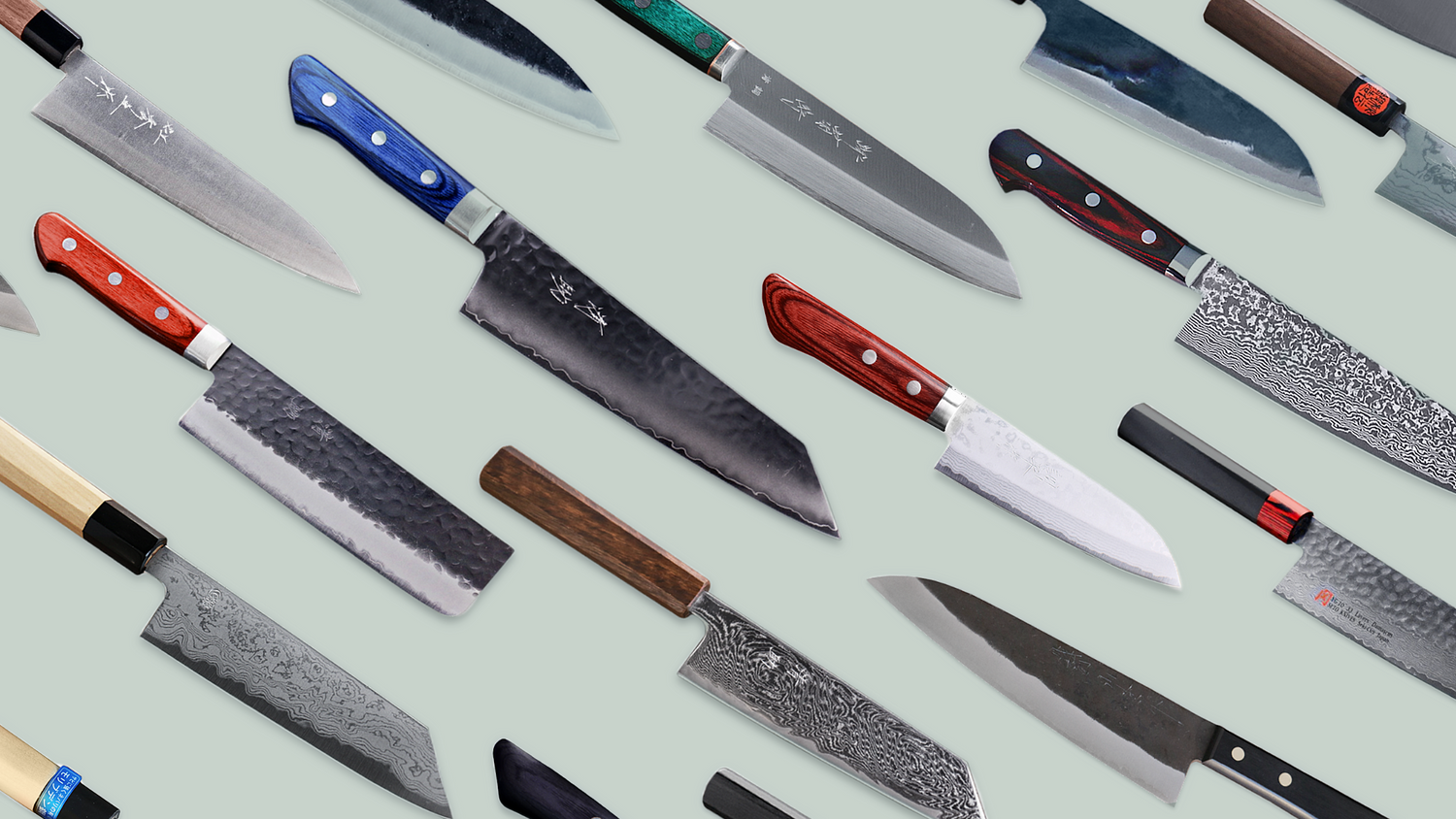
- Chef’s knife: Best all-rounder and most recommended as the best kitchen knife for beginners.
- Paring knife: Small and useful for peeling and precise work.
- Serrated knife: For bread and tomatoes where sawing helps more than slicing.
- Utility knife: A compact option for sandwiches and small jobs.
- Santoku: A shorter, flatter alternative to the chef’s knife that some beginners prefer.
Best kitchen knife for beginners — top picks and why I recommend them
-
8-inch Forged Stainless Chef’s Knife (Best Overall)
- Balanced, sharp out of the box, and fits most hands. Great for learning proper technique.
-
8-inch High-Carbon Stainless Chef’s Knife (Best Value)
- Offers a sharp edge and easier maintenance for a fair price. Good long-term value for beginners.
-
7-inch Santoku (Best for Small Kitchens)
- Shorter and lighter, helpful if you prefer a compact blade that still handles most tasks.
-
8-inch Lightweight Stamped Chef’s Knife (Best Budget Pick)
- Lighter and cheaper, useful if you want to learn without a big investment. Replace later if tastes change.
-
8-inch Professional Forged Chef’s Knife (Best Premium Pick)
- Higher-end steel and finish. If you plan to cook daily and keep the knife long-term, this is a solid choice.
Each option is chosen to match common beginner needs: comfort, balance, low maintenance, and value. Try holding knives in a store or demo them if possible. Personal fit matters as much as specs.

How to hold and use your new knife (basic skills)
- Pinch grip: Pinch the blade between your thumb and index finger near the bolster and wrap the other three fingers around the handle. This gives control.
- Claw hand: Tuck fingertips under and use knuckles as a guide to protect fingers.
- Rocking motion: For chopping herbs and vegetables, use a gentle rocking motion with the tip on the board.
- Slicing: Let the sharp edge do the work. Pull the knife toward you on a smooth cut.
- Cutting board: Use a stable wood or plastic board. Keep a damp towel under the board to stop slipping.
Sharpening and maintenance for longevity
- Honing vs sharpening: Hone weekly with a rod to realign the edge. Sharpen with a stone or system every few months depending on use.
- Whetstone basics: Start with a coarser grit if the edge is dull, then finish with a fine grit for a clean edge. Keep a consistent angle.
- Avoid the dishwasher: Hand-wash and dry immediately to prevent damage and rust.
- Storage: Use a knife block, magnetic strip, or blade guard to protect the edge.
- Frequency: Home cooks sharpening needs vary; test the edge with a tomato or paper to check sharpness.

Mistakes to avoid when buying and using a beginner knife
- Buying only on looks: A pretty blade that feels wrong in your hand will slow you down.
- Choosing the heaviest knife: Too heavy is tiring; balance matters more than brute weight.
- Neglecting care: Dishwashers and junk drawer storage dull and damage blades fast.
- Skipping practice: A good knife won’t help if you don’t learn safe cutting technique.
- Chasing priced brands only: Expensive doesn’t always mean best for beginners; fit and comfort matter.

My personal experience and lessons learned
When I started cooking, I bought a flashy, cheap knife that looked great but flexed and slipped. I traded it for a balanced 8-inch forged chef’s knife and noticed an immediate improvement in knife control. Lesson learned: comfort and edge retention matter more than streaks on the blade. I also learned to hone weekly, which kept the knife usable for months before a full sharpening. Practicing the pinch grip and claw hand made prep faster and safer.
Common beginner questions (PAA-style)
What size knife should a beginner buy?
Most beginners do best with an 8-inch chef’s knife. It handles most kitchen tasks and fits many hand sizes.
Should beginners buy stainless or carbon steel?
Buy high-carbon stainless for a mix of sharpness and rust resistance. Pure carbon can get sharper but needs more care.
Is forged better than stamped for beginners?
Forged knives often feel sturdier and balance better, which helps learners. Stamped knives can be lighter and cheaper but may lack balance.
Frequently Asked Questions of best kitchen knife for beginners
What is the single best kitchen knife for beginners?
An 8-inch forged chef’s knife is the single best kitchen knife for beginners. It handles most tasks and helps you learn technique.
How much should a beginner spend on a knife?
Expect to spend between $40 and $150 for a quality beginner knife. Mid-range options often offer the best balance of price and performance.
How often should I sharpen my beginner knife?
Hone it weekly and sharpen it every few months, depending on use. Regular honing slows the need for major sharpening.
Can I use a serrated knife as my main beginner knife?
No, a serrated knife is useful for bread and soft fruits, but it doesn’t replace the versatility of a chef’s knife. Use it as a supplement.
How do I test a knife in the store?
Hold the knife, feel the balance, and simulate the pinch grip. If possible, try slicing soft produce at demo counters to test the feel and control.
Conclusion
Choosing the best kitchen knife for beginners sets the foundation for safer, faster, and more enjoyable cooking. Focus on an 8-inch forged or high-carbon stainless chef’s knife with comfortable balance and a secure handle. Learn basic grips, practice safely, and commit to simple maintenance like honing and hand-washing. Now that you know what to look for, try a few knives in person and pick one that feels right — then start chopping with confidence. Share your experience, subscribe for more guides, or leave a comment about the knife you chose.