
An ice maker usually costs $100 to $2,500, depending on its type, size, features, and installation needs.
The real answer to how much is an ice maker depends on whether you want a small countertop unit, a built-in appliance, or a high-output commercial machine. This guide breaks down the purchase price, installation cost, energy use, maintenance, and long-term value so you can choose with confidence.
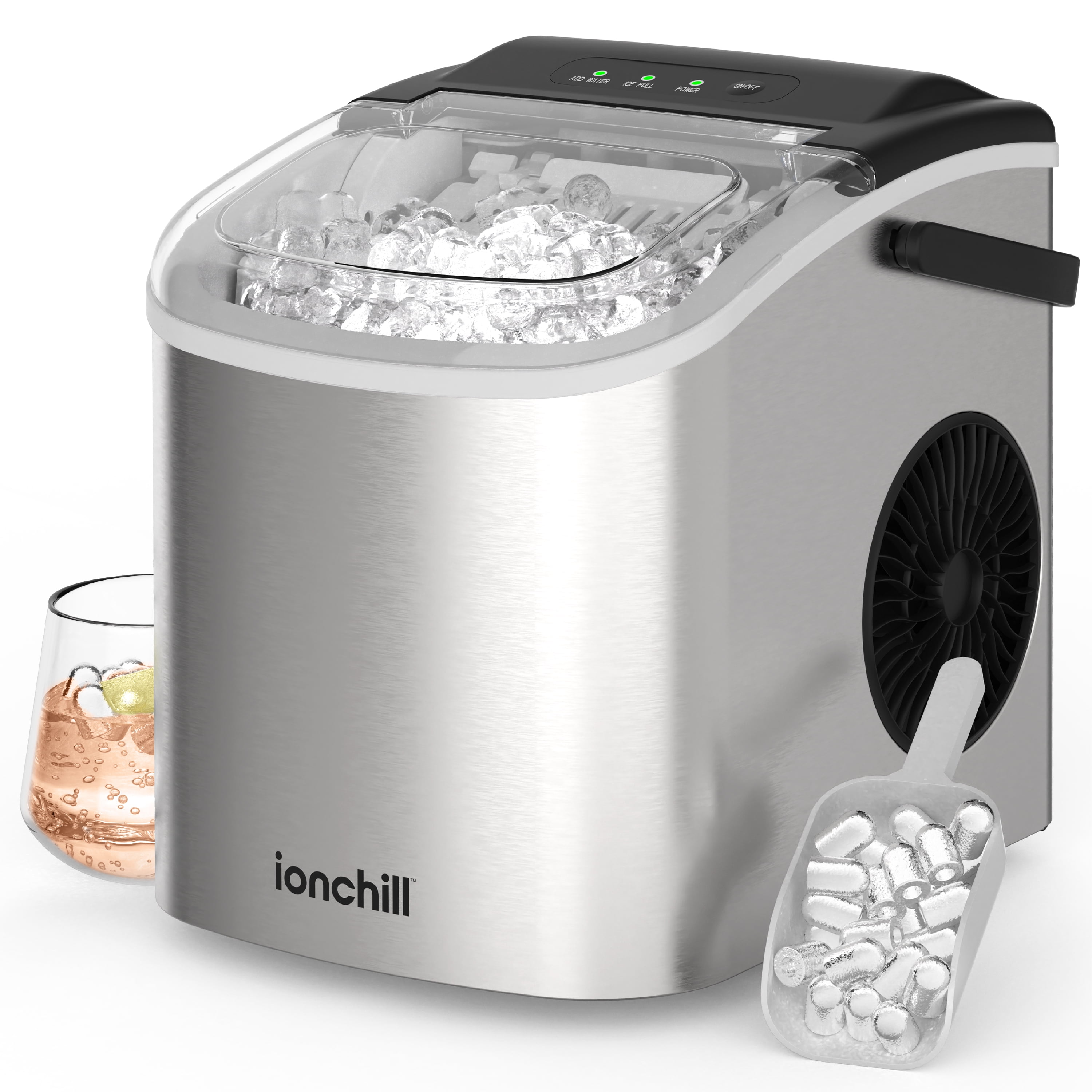
How Much Is an Ice Maker?
For most home buyers, how much is an ice maker comes down to the machine’s design and ice production rate. A basic countertop ice maker may cost less than $100, while a premium built-in model can cost more than $2,000 before installation.
Here is a practical price range for common ice makers in the United States:
| Ice maker type | Typical purchase price | Best for |
|---|---|---|
| Small countertop ice maker | $80 to $250 | Apartments, dorms, home bars |
| Large countertop ice maker | $200 to $500 | Families and frequent use |
| Portable outdoor ice maker | $250 to $800 | Patios, RVs, boats |
| Built-in undercounter ice maker | $800 to $2,500 | Kitchens, bars, and home theaters |
| Refrigerator ice maker replacement | $100 to $400 | Repairing an existing refrigerator |
| Commercial ice maker | $1,000 to $10,000 or more | Restaurants and businesses |
The purchase price is only one part of the cost. You may also pay for water lines, drainage, filters, delivery, electrical work, and professional installation.
A simple countertop model is often the best value if you only need ice for drinks. A built-in unit may cost more, but it can make ice all day and fit neatly under a counter.

Ice Maker Cost by Type
Different ice makers serve different needs. Comparing them by type makes it easier to understand how much is an ice maker for your situation.
Countertop ice makers
Countertop ice makers are the most affordable option. Most cost between $80 and $500. They usually make small bullet-shaped ice and store a limited amount in an insulated bin.
These units are easy to use. Add water, turn the machine on, and wait for the first batch. Many models produce ice within 6 to 15 minutes.
Countertop machines are not usually connected to a drain. When the ice melts, the water returns to the reservoir. You will need to remove old ice and refill the tank by hand.
Built-in undercounter ice makers
Built-in ice makers usually cost $800 to $2,500. Premium models may cost more than $3,000. They are made to fit under a standard kitchen counter or bar.
These machines often connect to a water line and drain. They can produce more ice than portable models and may offer better control over ice shape and storage.
Installation adds to the total price. A plumber may need to install a water supply line and drain. An electrician may also be needed if the outlet is not in the right place.
Refrigerator ice makers
A replacement refrigerator ice maker may cost $100 to $400. The exact price depends on the brand, model, and whether you install it yourself.
A professional repair can add $100 to $300 in labor. Before buying a replacement, check the refrigerator model number. Ice maker parts are often not universal.
Commercial ice makers
Commercial ice makers are built for restaurants, hotels, offices, and other busy locations. Prices often range from $1,000 to $10,000 or more.
The machine may produce several hundred pounds of ice per day. You may also need a separate storage bin, water filter, floor drain, ventilation space, and commercial electrical service.
For business owners, the right question is not only how much is an ice maker. It is also how much ice the machine must produce during the busiest hour of the day.

What Affects the Price of an Ice Maker?
Several features can change the cost of an ice maker. A low purchase price may look attractive, but the cheapest option is not always the best fit.
Ice production
Ice production is often listed in pounds per day. A small countertop model may produce 20 to 35 pounds per day. A larger home unit may produce 50 to 100 pounds per day.
Commercial models can produce far more. However, the stated output may depend on room temperature and water temperature. In a warm kitchen, actual production can be lower than the advertised number.
Ice shape
Ice shape affects both price and use. Common types include:
• Bullet ice: Soft, hollow, and common in countertop machines
• Nugget ice: Chewy ice that many people enjoy in soft drinks
• Clear ice: Dense ice that melts slowly and looks attractive in cocktails
• Cube ice: Firm ice used in homes, offices, and restaurants
Nugget and clear ice machines often cost more because their systems are more complex.
Storage capacity
A machine may produce a lot of ice but store only a small amount. Countertop models often hold 1 to 3 pounds of ice. Built-in machines may store 20 to 30 pounds or more.
A larger storage bin is useful for parties. However, more storage can increase the size, weight, and price of the unit.
Water connection
Some ice makers use a refillable water tank. Others connect directly to a water line. Direct-connect models are more convenient, but they usually cost more and require installation.
A water connection can also reduce daily work. You will not need to refill the reservoir several times during a busy day.
Drainage
Many built-in ice makers need a drain. Gravity-drain models must sit above a suitable drain line. Pump-drain models can move water upward or across a short distance.
A drain pump may add $100 to $500 to the equipment and installation cost. Check this detail before buying because drainage problems can cause leaks and water damage.
Materials and insulation
Stainless steel panels, strong insulation, and sealed storage bins can raise the price. These features may also improve durability and appearance.
For a unit used every day, better construction can be worth the extra cost. For occasional use, a basic plastic countertop model may be enough.
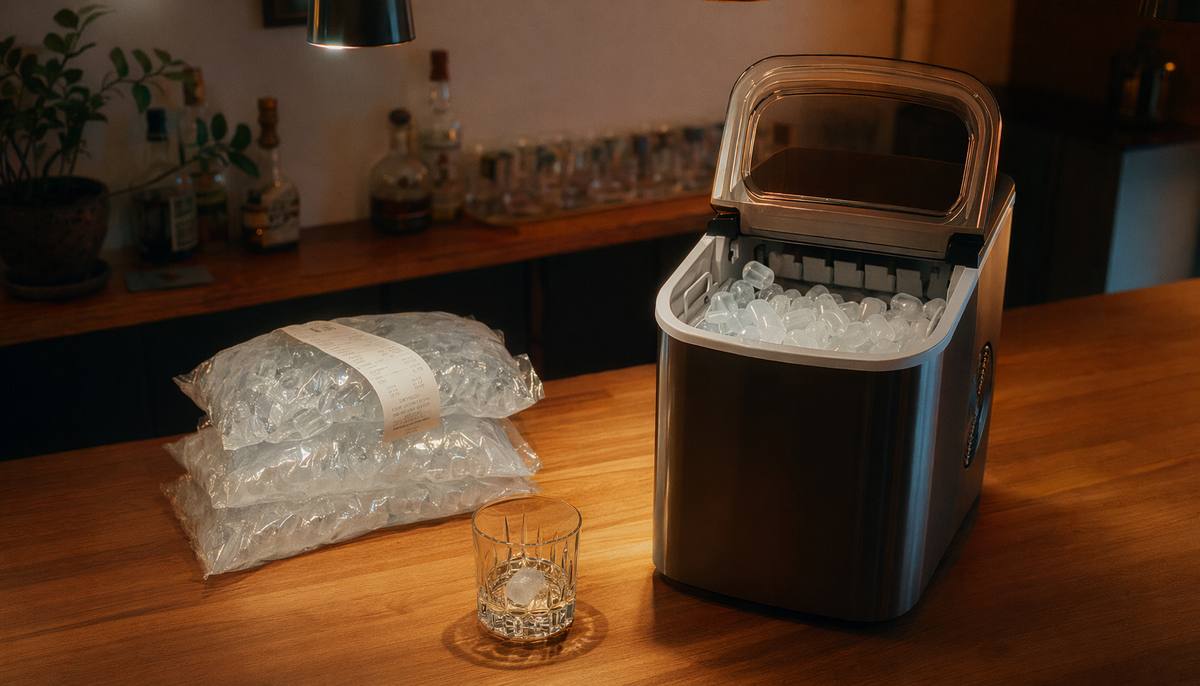
How Much Does Ice Maker Installation Cost?
Installation costs vary widely. A countertop ice maker usually needs no professional installation. You only need a safe outlet and clean water.
A built-in unit may require more work. Typical installation costs include:
• Water line installation: $100 to $300
• Drain installation: $150 to $500
• Drain pump installation: $200 to $600
• Electrical outlet work: $150 to $500
• Basic appliance installation: $100 to $300
• Water filter setup: $50 to $200
A simple replacement may cost less than a new installation. A complex kitchen remodel can cost much more.
Before installation, measure the opening carefully. Check the machine’s width, height, depth, ventilation space, water connection, drain location, and door swing.
One common mistake is to measure only the front opening. The water line and power cord also need room behind the machine. A few inches of missing space can turn an easy installation into an expensive return.

How Much Does It Cost to Run an Ice Maker?
The cost to run an ice maker includes electricity, water, filters, cleaning supplies, and repairs. For a home machine, electricity may cost a few dollars to more than $10 per month, depending on usage and local utility rates.
Actual energy use varies by model. Room temperature, ice production, insulation, and the age of the unit all affect operating costs.
You can estimate electricity cost with this formula:
Monthly energy cost = watts ÷ 1,000 × hours used × electricity rate
For example, a 150-watt machine running for 10 hours per day at $0.17 per kilowatt-hour would use about $7.65 per month. This is only an example, not a guaranteed cost.
Water use is usually modest for home machines. A connected model may use more water during cleaning cycles or when melting unused ice.
Ongoing costs may include:
• Replacement water filters: $20 to $100 per year
• Cleaning solution: $10 to $40 per year
• Repairs: $100 to $500 or more
• Professional cleaning: $100 to $300
• Electricity: Often $3 to $20 per month for household use
The best way to lower running costs is to clean the machine on schedule, keep it away from heat, and avoid making ice that you do not need.
Is an Expensive Ice Maker Worth It?
An expensive ice maker can be worth the money if you need reliable ice every day. It may offer faster production, better insulation, a quieter compressor, easier cleaning, and a longer service life.
However, a high price does not guarantee a better experience. Some premium machines need frequent cleaning or specialized repairs. Others make excellent ice but have small storage bins.
A basic countertop model is often enough for:
• A small apartment
• Occasional parties
• A home office
• A college dorm
• A backup ice supply
A built-in model may be better for:
• Large families
• Home bars
• Outdoor kitchens
• Frequent entertainers
• People who dislike refilling water tanks
Think of an ice maker like a car. A small model can handle short trips, while a larger unit is better for heavy daily use. Buying more capacity than you need can waste money, but buying too little can become frustrating.
How to Choose the Right Ice Maker
Start with your daily ice needs. Do not choose a machine only because it has the lowest price or the highest production number.
Use these steps:
-
Estimate your daily ice use. A small household may need 5 to 10 pounds per day. A party or business may need much more.
-
Choose the ice shape you prefer. Nugget ice is soft and chewy, while clear cube ice lasts longer in drinks.
-
Decide between portable and built-in installation. Portable models are simple, while built-in models offer convenience and higher output.
-
Check the storage bin size. A machine that makes 40 pounds daily may store only a few pounds at once.
-
Review the water system. Confirm whether the model uses a reservoir, water line, filter, or drain.
-
Measure the space. Include room for airflow, connections, and opening the door.
-
Compare the warranty. A longer warranty may help protect you from costly compressor or control-board repairs.
-
Read recent owner reviews. Look for comments about noise, leaks, cleaning, ice quality, and customer service.
When researching how much is an ice maker, compare the complete installed price. A $150 countertop unit and a $1,500 built-in model are not direct competitors because they offer very different levels of convenience and output.
Common Ice Maker Mistakes to Avoid
Many ice maker problems come from simple buying or maintenance mistakes.
Buying the wrong ice shape
Ice texture matters more than many buyers expect. A person who wants soft nugget ice may be unhappy with hard bullet ice, even if the machine works perfectly.
Ignoring drainage
A built-in machine without proper drainage may leak or stop working. Always confirm how melted ice leaves the unit.
Forgetting ventilation
Ice makers produce heat while they run. Blocking vents can reduce performance and shorten the life of the compressor.
Skipping cleaning
Ice makers need regular cleaning because water can leave mineral deposits. Warm, damp areas may also allow mold or bacteria to grow.
Follow the cleaning instructions in the owner’s manual. Food safety agencies recommend keeping food-contact surfaces clean and sanitized.
Overlooking noise
A compressor, fan, water pump, and ice drop cycle can all make noise. If the machine will sit near a bedroom or living room, check noise complaints in reviews.
Choosing output over storage
High daily production sounds useful, but a small storage bin may still require frequent transfers. Consider both production and storage capacity.
Using poor-quality water
Hard water can create scale and affect taste. A suitable water filter may improve ice quality and reduce mineral buildup.
How to Maintain an Ice Maker
Good maintenance protects your investment and keeps the ice fresh.
Use this simple routine:
• Empty old ice before cleaning
• Unplug the machine when the manual says to do so
• Wash removable parts with mild soap
• Wipe the inside with the approved cleaner
• Rinse all food-contact areas well
• Clean the condenser or air vents if accessible
• Replace water filters on schedule
• Inspect hoses for cracks and leaks
• Keep the outside dry and clean
The cleaning schedule depends on use and water quality. A home machine used every day may need cleaning every few weeks. A lightly used unit may need less frequent cleaning, but it should still be cleaned before storage.
Never use harsh chemicals unless the manufacturer approves them. Residue can affect the taste of the ice and damage internal parts.
If the machine smells bad, produces cloudy ice, leaks, or makes unusual sounds, stop using it and check the manual. Continuing to run a damaged machine can lead to a larger repair.
How Much Is an Ice Maker for a Business?
For a small business, how much is an ice maker may range from $1,000 to $5,000 for the machine alone. Larger systems can cost $10,000 or more.
The best commercial ice maker depends on the business type. A coffee shop may need a different ice shape and output than a seafood market or hotel.
Consider these business costs:
• Ice maker: $1,000 to $10,000 or more
• Storage bin: $500 to $3,000
• Water filtration: $100 to $1,000
• Installation: $500 to $2,000 or more
• Drain pump: $200 to $600
• Regular cleaning and maintenance: Varies by service plan
A restaurant should calculate peak demand, not average demand. Running out of ice during lunch or dinner can affect sales and customer satisfaction.
Commercial buyers should also check local health rules, plumbing codes, warranty terms, and service availability. A cheaper machine may cost more over time if parts are difficult to find.
When Should You Buy a New Ice Maker?
Repairing an ice maker may make sense when the problem is small. A clogged water line, dirty filter, faulty inlet valve, or broken sensor may be affordable to fix.
Replacement may be better when the machine has several problems or needs a major compressor repair. Frequent leaks, poor ice quality, loud operation, and rising energy use are also warning signs.
Use this basic rule:
• Repair the unit if the cost is less than half the price of a comparable replacement
• Replace the unit if repair costs approach the price of a new machine
• Replace older units if parts are unavailable or service is unreliable
• Consider a new model if your ice needs have changed
A professional diagnosis can prevent a needless replacement. Sometimes a dirty condenser or blocked drain is the real problem.
Frequently Asked Questions About How Much Is an Ice Maker
How much is a small countertop ice maker?
A small countertop ice maker usually costs $80 to $250. Models with nugget ice, larger storage bins, or higher output may cost $300 to $500.
How much is an ice maker for a refrigerator?
A replacement refrigerator ice maker often costs $100 to $400 for the part. Professional installation may add another $100 to $300, depending on the refrigerator and repair difficulty.
How much does a built-in ice maker cost?
A built-in ice maker generally costs $800 to $2,500 before installation. Water lines, drainage, filters, and electrical work can raise the complete project cost.
Are ice makers expensive to run?
Most household ice makers are not extremely expensive to run, but energy use varies by size, temperature, and daily production. Electricity, water filters, cleaning products, and repairs also affect the total cost.
Is a portable ice maker worth buying?
A portable ice maker can be worth buying if you need occasional ice without a permanent installation. It is less suitable for constant use because storage is limited and ice must often be transferred to a freezer.
How long do ice makers last?
Many home ice makers last about 3 to 10 years, depending on quality, water condition, cleaning, and usage. Commercial machines may last longer with regular professional maintenance.
What is the cheapest type of ice maker?
A basic countertop ice maker is usually the cheapest type. It costs less because it normally uses a refillable tank and does not need plumbing or permanent installation.
Conclusion
How much is an ice maker depends on more than the sticker price. A countertop model may cost $80 to $500, while a built-in home unit can cost $800 to $2,500, and commercial equipment may reach $10,000 or more.
Before buying, compare ice output, storage space, ice shape, water connections, drainage, energy use, warranty coverage, and maintenance needs. The best ice maker is the one that matches your daily demand without forcing you to pay for features you will not use.
Measure your space, set a complete budget, and read current owner reviews before ordering. Then choose the model that offers the right balance of price, convenience, and reliable ice production.